Usuba
Usuba
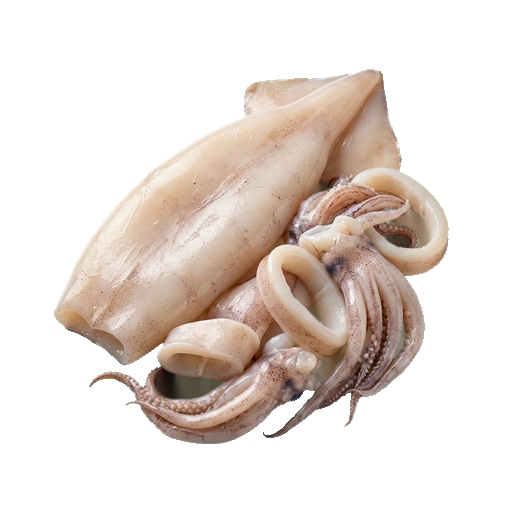
Squid
Squid is a sea delicacy with tender, slightly sweet meat and a subtle iodine flavor. Used in cooking whole, in rings, or tentacles for frying, boiling, stewing, and marinating. When choosing, pay attention to the firmness and light color of the meat. When cooking, remember that squid quickly becomes tough — it should be cooked either very briefly (1–2 minutes) or for a long time (30 minutes or more) to soften the meat.
About
Squid is one of the most versatile seafood options in the kitchen. It cooks quickly, absorbs the flavors of spices and sauces well, and its tender meat serves as the foundation for dozens of dishes: from light salads to hearty pastas and fried appetizers. The key is not to overcook it, otherwise the squid will become rubbery.
Aroma and Taste
Squid has a neutral and delicate taste — this is its main advantage. The meat is slightly sweet, with a barely noticeable marine aroma, neither sharp nor intrusive. This softness allows squid to become an ideal canvas for any sauces: from garlic oil and lemon juice to spicy Asian marinades and creamy pastas.
Texture and Consistency
Fresh squid has a dense yet tender texture. With proper handling, the meat cuts easily and cooks quickly — literally in 1–2 minutes over high heat or 30–40 minutes when stewed. Frozen squid, after thawing, is practically indistinguishable in quality if the defrosting technology in the refrigerator is observed.
How to Cook Squid
- Quick frying — sliced rings or strips on a hot pan become crispy on the outside and tender on the inside in 1–2 minutes
- Stewing in sauce — whole squid or large pieces soften in 30–40 minutes, absorbing the flavors of wine, tomatoes, and spices
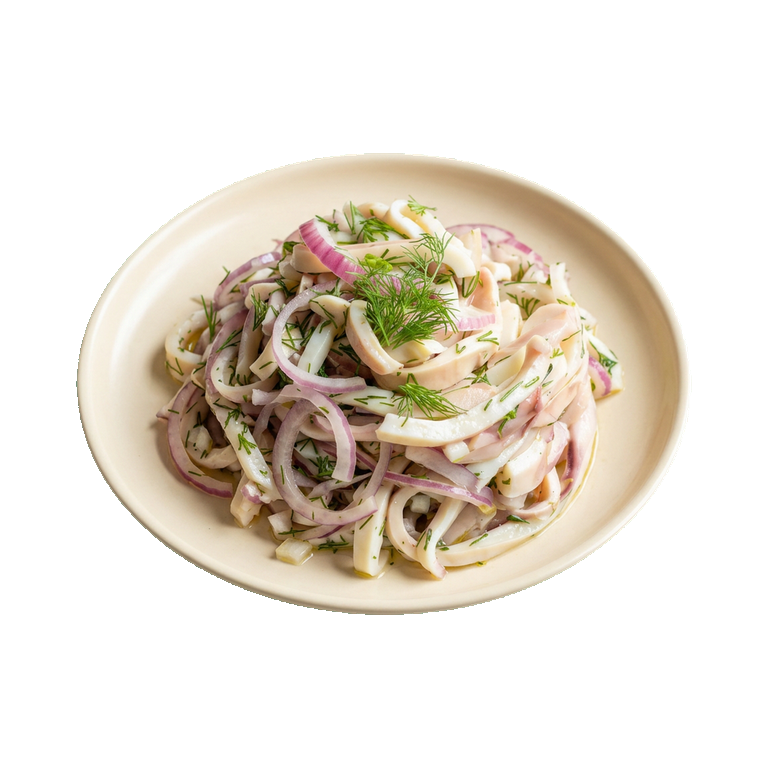
- Boiling — for salads and cold dishes, squid is boiled for 3–5 minutes in salted water, then cooled
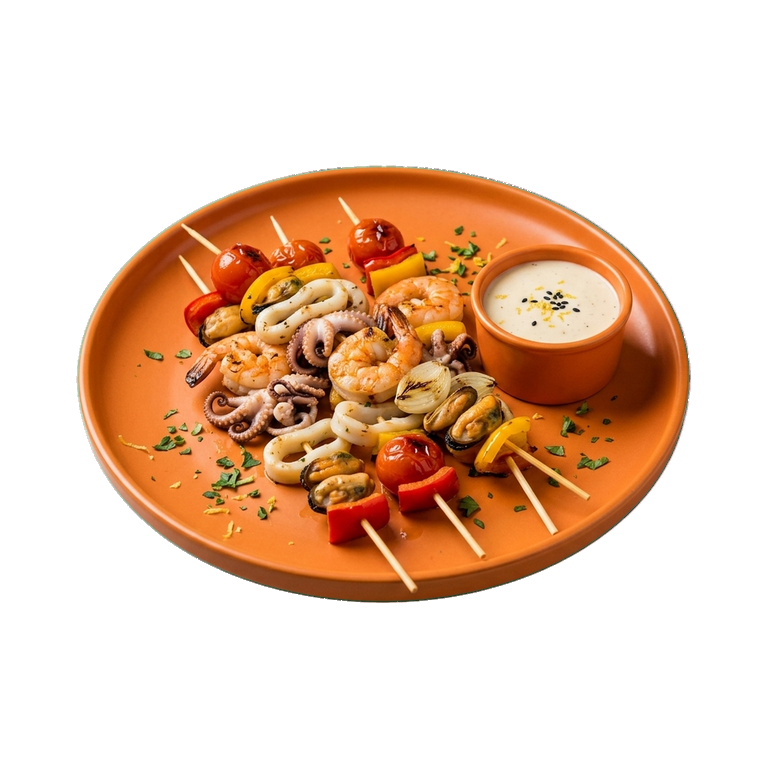
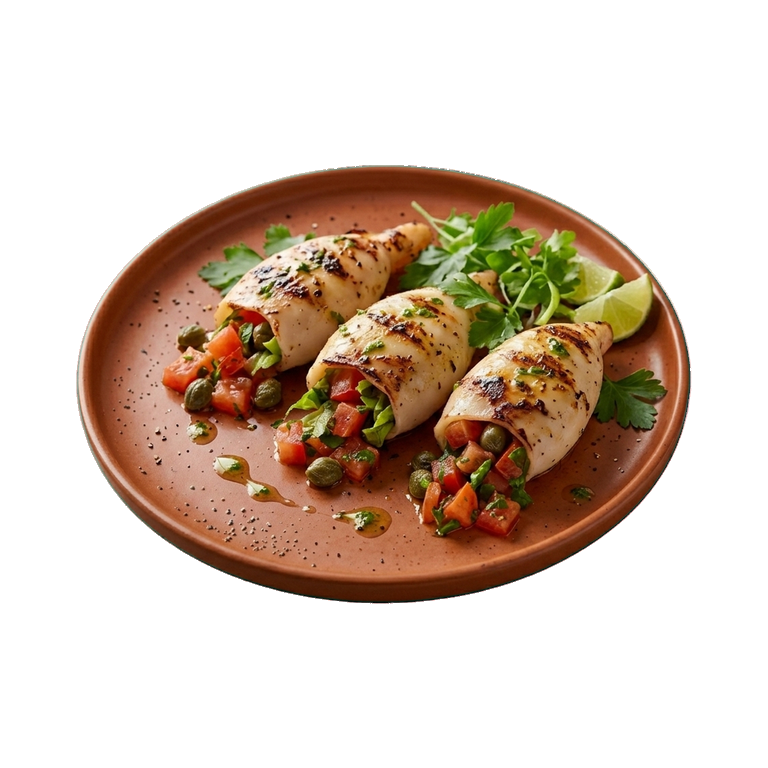
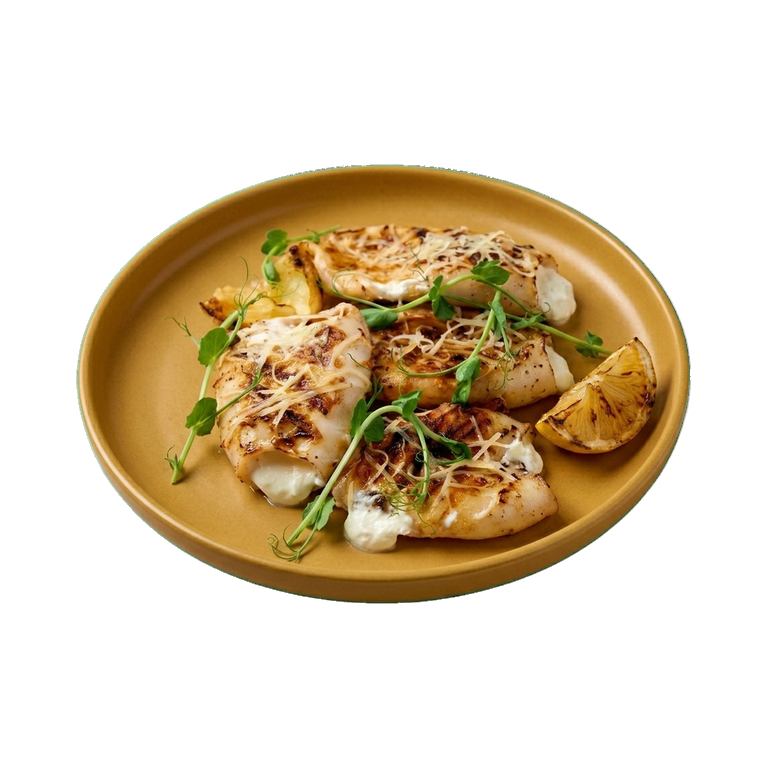
- Grilling and barbecue — whole squid or large pieces are cooked over coals, resulting in a smoky aroma and light crust
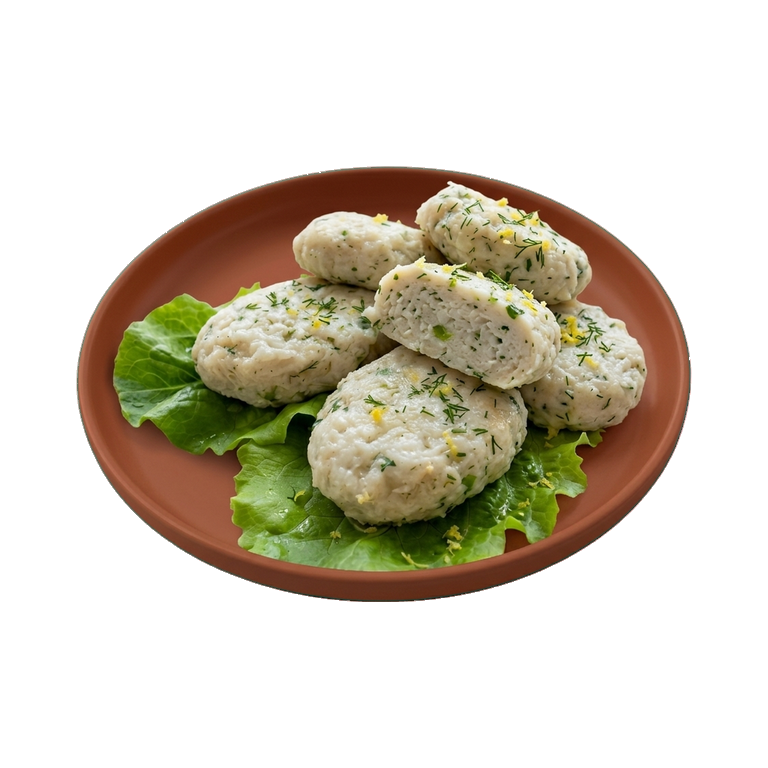
- Ground meat — squid meat is easily ground and used for cutlets, pâtés, and fillings
Pairings and Dishes
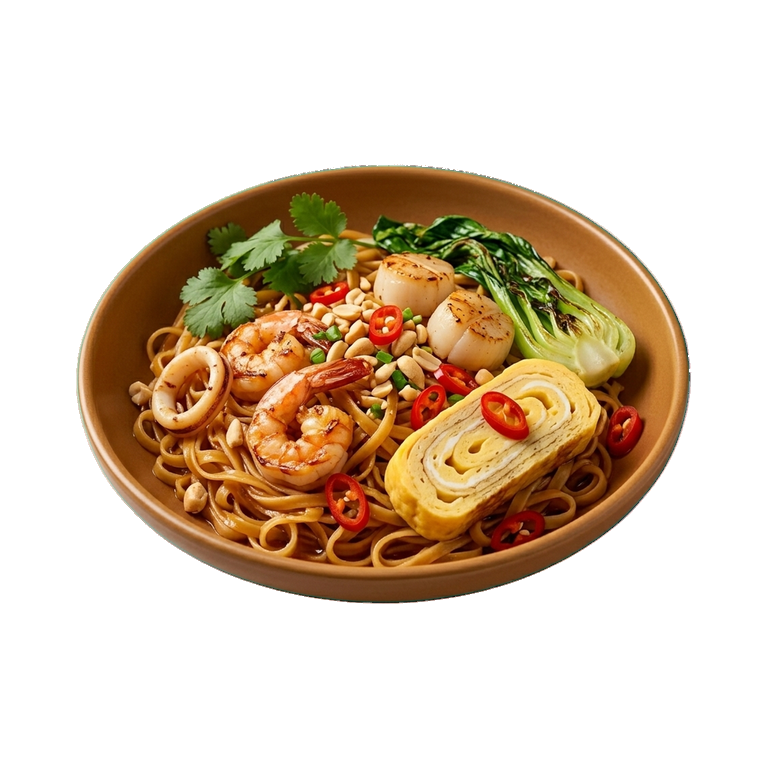
Squid pairs perfectly with garlic, lemon, and olive oil — this is a classic Mediterranean trio. Hot spices work well: chili pepper, paprika, cumin. In Asian cuisine, squid is marinated in soy sauce, ginger, and rice vinegar. It combines excellently with tomatoes, white wine, fresh herbs, and seafood in one dish.
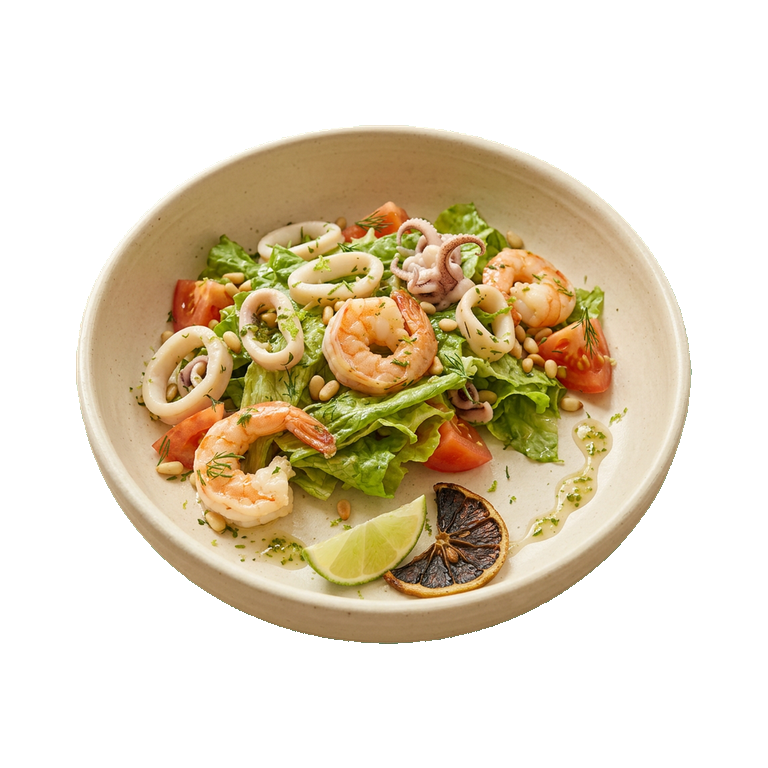
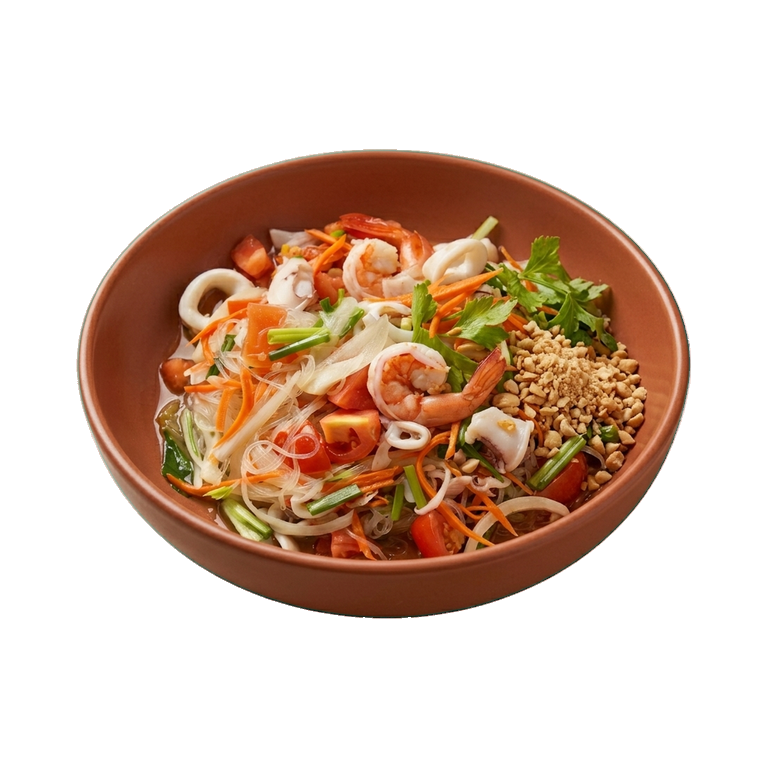
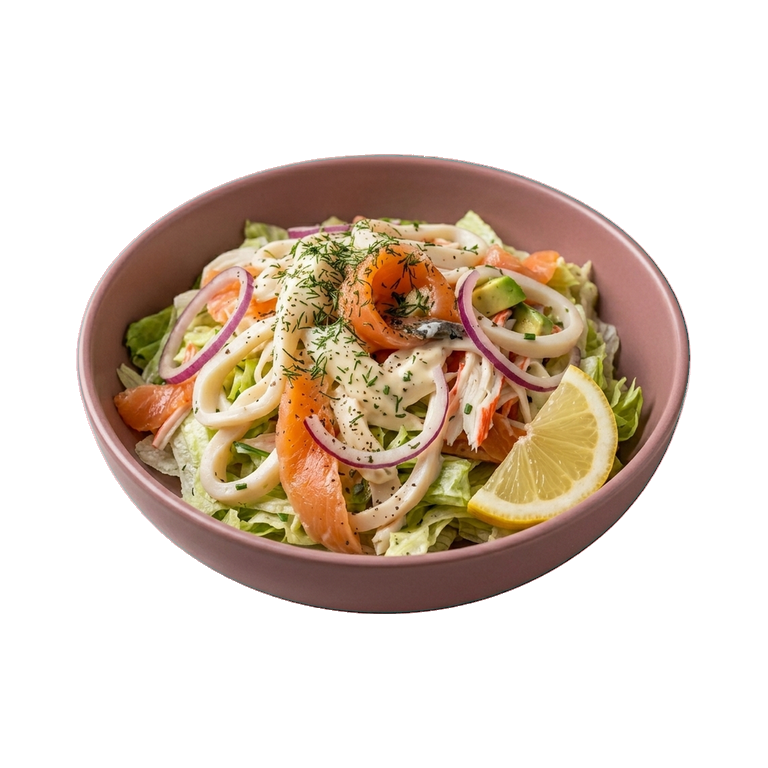
- Salads — boiled squid is sliced and mixed with vegetables, olives, and feta cheese
- Pasta — fried rings are added to tomato or cream sauces
- Risotto and paella — squid is cooked separately and added at the end to prevent overcooking
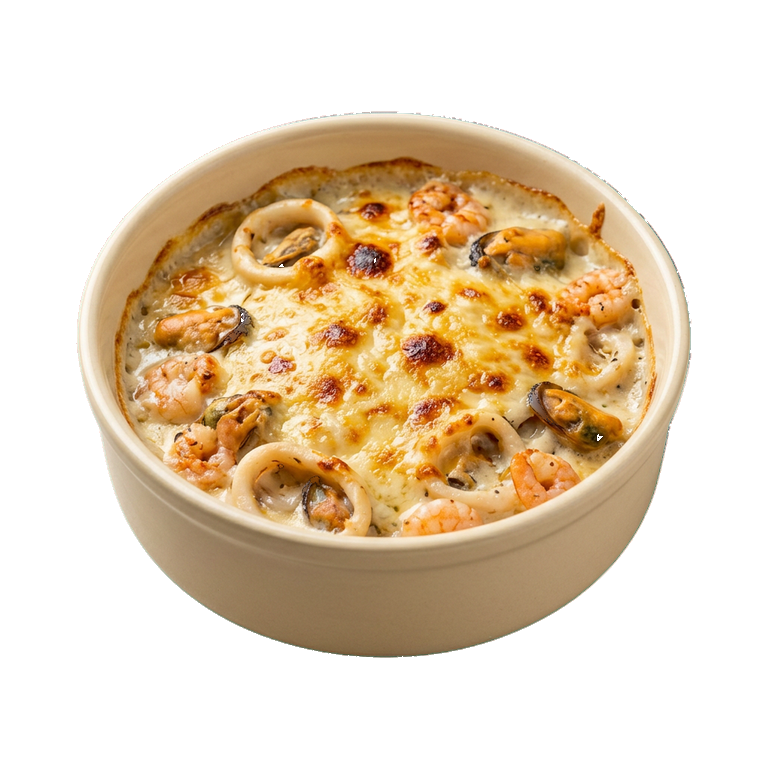
- Stuffed squid — filled with rice, herbs, breadcrumbs and baked
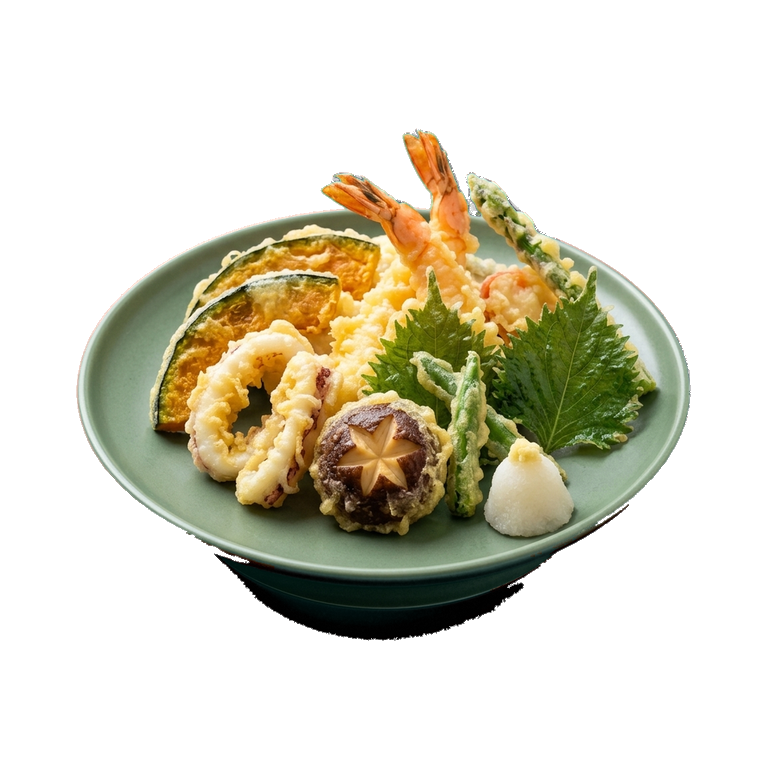
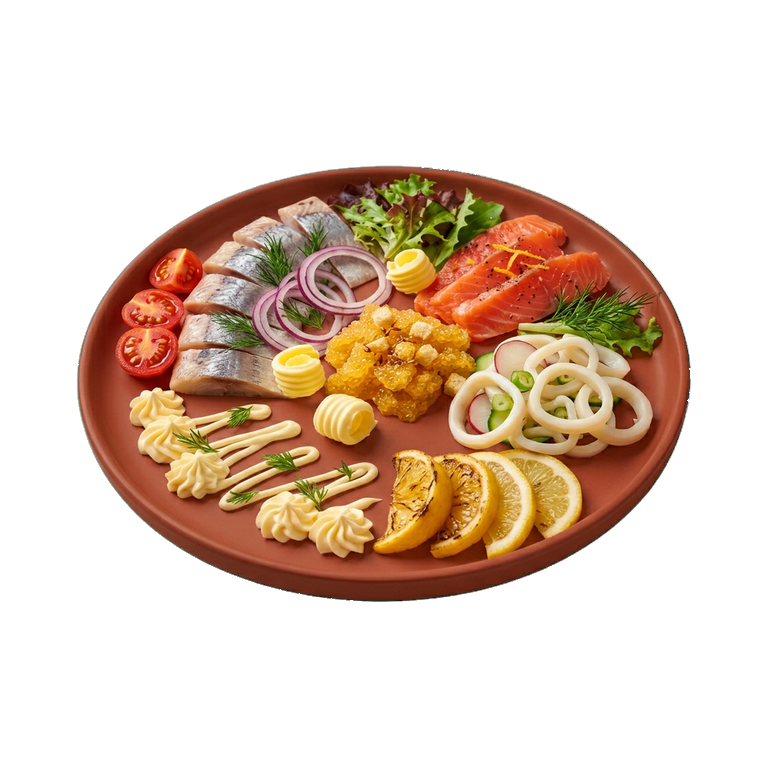
- Appetizers and tapas — fried rings, marinated squid, smoked squid
Selection and Storage
When choosing fresh squid, pay attention to the color: it should be pinkish or light purple, without dark spots or slime. The smell should be clean and marine, without ammonia. Frozen squid is often sold already cleaned and sliced, which saves time in the kitchen. Check for the absence of ice and crystallization — signs of improper storage.
- Fresh squid is stored in the refrigerator for 1–2 days in an airtight container
- Frozen — up to 3 months in the freezer at minus 18 degrees
- Thaw in the refrigerator overnight, not at room temperature
- Ready-to-cook squid in vacuum packaging — check the production date, stores for 5–7 days
Chef's Tip
Time is the squid's greatest enemy. Cook it either very quickly over high heat, or slowly for a long time. Cooking it for 5–20 minutes at medium temperature will turn the tender meat into a tough sole. If you're afraid of making a mistake — start by boiling: 3–4 minutes in boiling water, and the squid is guaranteed to come out tender.
Nutrition
per 100 g
- Calories
- 92 kcal
- Protein
- 18 g
- Fat
- 0.9 g
- Carbs
- 0 g
Measures and weight
- 1 pcs
- 150 g
Measure calculator
- Weight
- 100 g
- Calories
- 92 kcal