Usuba
Usuba
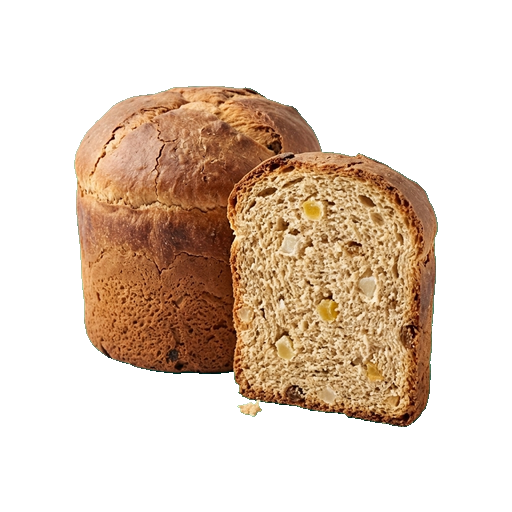
Stale Easter cake
Stale kulich is an Easter pastry that has lost its freshness and softness after several days of storage. Such kulich becomes denser, its crumb compacts, and the crust hardens, but it does not lose its flavor qualities and stores well. Stale kulich is convenient to slice thinly, it is ideal for drying in the oven, adding to casseroles, or using as a base for sweet croutons.
About
Stale kulich is not a defect, but a completely different product with its own character and possibilities. When fresh kulich loses its softness and moisture, it becomes denser and drier, but at the same time acquires durability and practicality. Such kulich keeps longer, slices cleaner, absorbs liquid better, and opens up new ways to use it in the kitchen.
When kulich becomes stale and what to do about it
Kulich becomes stale within a few days after baking — this is a natural process. Moisture from the crumb evaporates, and the structure becomes more brittle and grainy. This is not a reason to throw away the product: stale kulich is perfect for processing and using in other dishes. It won't fall apart when sliced, won't immediately soften in liquid, and will hold its shape through any manipulation.
Kitchen Use
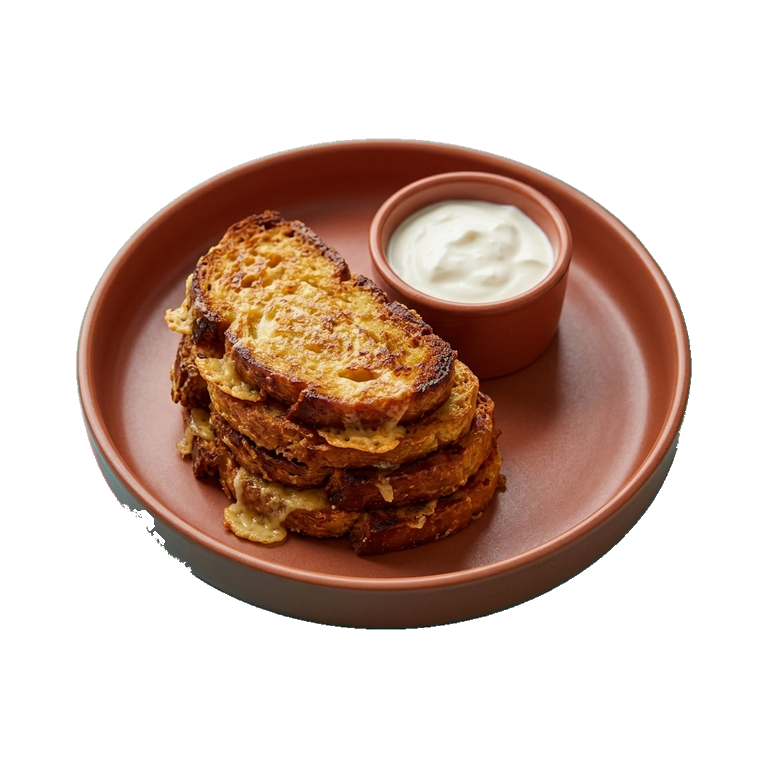
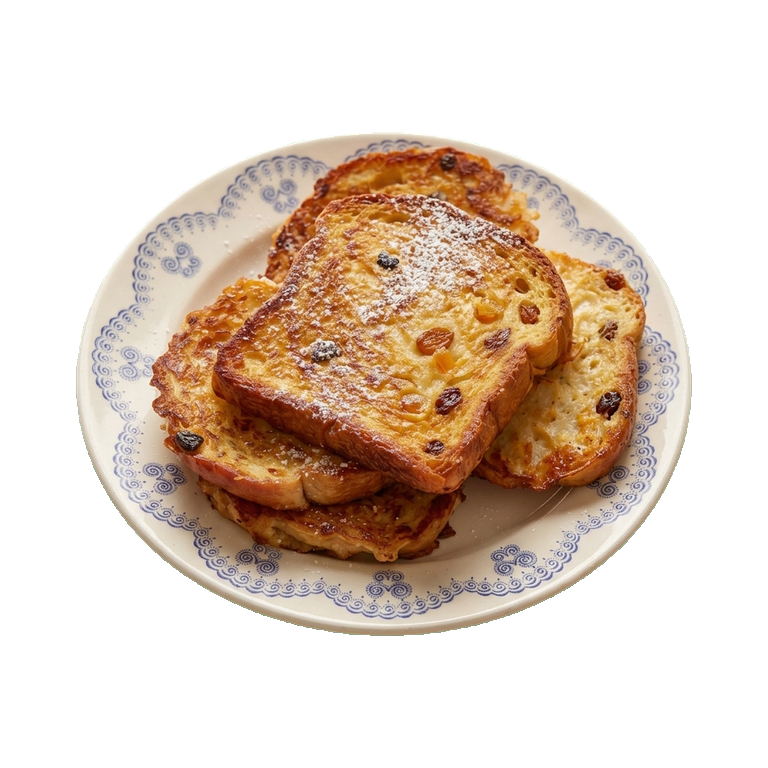
Stale kulich is an excellent base for bread salads, panna cotta with pieces, casseroles and puddings. Cut into cubes, it will absorb any syrup, compote or milk mixture without losing its integrity. Thin slices can be dried in the oven for crispy croutons for tea or compote. Kulich is easily grated into crumbs for fillings, toppings or the base of sweet porridges.
- Add to milk pudding or cream — pieces will soften but not fall apart
- Make croutons — cut, dry in the oven at low temperature
- Grate into crumbs for breading sweet products or dessert toppings
- Soak in syrup or compote for softening and soaking
- Use as part of a bread salad with fruits and berries
Storage and Recovery
A stale kulich is stored in a paper bag or cloth sack in a dry place at room temperature — this way it won't absorb excess moisture and won't get moldy. If you want to restore its softness, wrap it in damp cloth for a few hours or place it in an airtight container with a slice of bread. For quick results, you can heat a slice in the microwave with a small amount of water — the moisture will return and the kulich will become softer.
Stale kulich is not waste, but an ingredient with its own logic of use. It holds its shape well, absorbs liquid nicely, and opens up possibilities for culinary creativity.
Nutrition
per 100 g
- Calories
- 340 kcal
- Protein
- 8.5 g
- Fat
- 8 g
- Carbs
- 60 g
Measures and weight
- 1 pcs
- 800 g
Measure calculator
- Weight
- 100 g
- Calories
- 340 kcal