Usuba
Usuba
Sweet and Sour Sauce
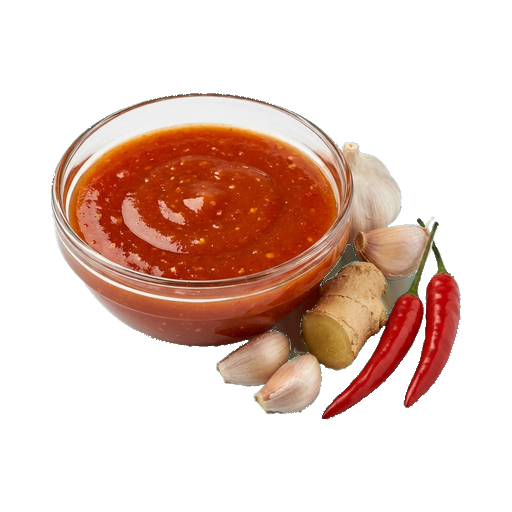
A versatile sauce with a bright balance of acidity and sweetness, typically made with vinegar, sugar, and fruit components. Used in Asian cuisine for glazing meat, fish, and vegetables, as well as a dip for appetizers and side dishes. When choosing a ready-made sauce, pay attention to sugar content and consistency — a sauce that is too thin will need to be reduced, while a thick one can be diluted with vinegar or juice.
About
Sweet and sour sauce is a versatile kitchen helper that instantly transforms simple dishes. The balance between sharp acidity and sweetness creates a multi-layered flavor that simultaneously stimulates appetite and complements, rather than overpowers, the main ingredients. This is why it is so popular in Asian cuisine and increasingly appears in home recipes of European chefs.
Taste and aroma
In the language of sweet and sour sauce, flavors unfold in layers. First comes sweetness — usually from sugar, honey, or fruit puree. Almost immediately after comes the acidity of vinegar or lemon juice, which prevents the dish from becoming cloying. A good sauce keeps these two forces in balance, neither overpowering the other. Often the composition includes tomatoes, ginger, or garlic, which add depth and pungency.
Where and how to use
- Glaze for meat and poultry — especially excellent for chicken and pork, creates a glossy crust when baking or frying
- Sauce for seafood — highlights the freshness of shrimp, fish and squid, without overpowering their delicate flavor
- Dip for appetizers — ideal for meatballs, wings, vegetable sticks and even fruits
- Salad dressing — especially great combined with vegetables and greens, adds vibrancy and body
- Component in marinades — gives meat and vegetables a complex flavor and helps them absorb better
Successful combinations
Sweet and sour sauce works well with ingredients that have a pronounced flavor on their own. It pairs nicely with spicy spices — chili, black pepper, ginger. It complements soy sauce, creating a multifaceted flavor profile. Meat, grilled vegetables, rice and noodles — they all become more interesting with its help. If the sauce has fruity notes (pineapple, mango, pear), it is especially good with white fish and chicken.
Selection and Storage
When buying ready-made sauce, pay attention to the ingredient list — the fewer preservatives and thickeners it contains, the better. A good sweet and sour sauce should be homogeneous, without separation. If you prepare it yourself, remember that the balance of acidity and sweetness can be easily adjusted to your taste: add vinegar if the sauce is too cloying, or sugar if it seems too sour.
- Ready-made sauce in a closed container is stored in the refrigerator for 2–3 weeks
- After opening the package, use it within 7–10 days
- Homemade sauce, if you made it, also keep in the refrigerator in a glass jar — it can last up to two weeks
- Before using, check the consistency — if the sauce has thickened, dilute it with a small amount of water or vinegar
Sweet and sour sauce is not just a condiment, but a tool for creating balance on the plate. When a dish seems bland or one-sided to you, a few spoonfuls of this sauce often solve the problem.
Nutrition
per 100 g
- Calories
- 130 kcal
- Protein
- 0.5 g
- Fat
- 0.1 g
- Carbs
- 32 g
Measures and weight
- 1 tbsp
- 16.5 g
- 1 tsp
- 5.5 g
- 1 cup
- 275 g
Measure calculator
- Weight
- 100 g
- Calories
- 130 kcal