Usuba
Usuba
Stilton cheese
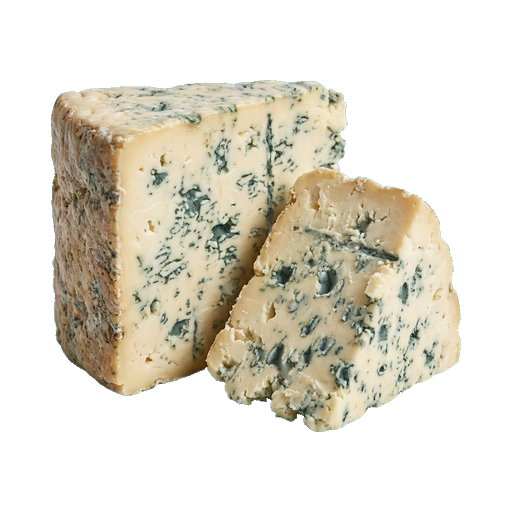
A blue cheese with a sharp, rich flavor and characteristic bitterness, distinguished by its creamy texture and blue mold veins. In cooking, it is used as a standalone appetizer, added to salads, sauces, and soups to impart piquancy and depth of flavor. When selecting, pay attention to even mold distribution and soft consistency; if substituting, you can use Gorgonzola or Roquefort, though they have a milder profile.
About
Stilton is a British blue cheese that is difficult to confuse with others. Its crumbly texture, marbled pattern of green veins, and sharp, piquant taste make it one of the most recognizable cheeses on the table. It is not just an appetizer: Stilton works in salads, sauces, desserts, and even in hot dishes, if you know how to use it.
Aroma and Taste
Stilton smells intensely and honestly: there are earthy notes, a slight ammonia quality that speaks to its age and strength. On the palate, it starts sharp and salty, then unfolds with a creamy, almost buttery middle. The mold gives a bitterness, but not a harsh one — rather a noble one. Young Stilton is softer and more delicate, while aged Stilton becomes more aggressive and complex.
Role in Dishes
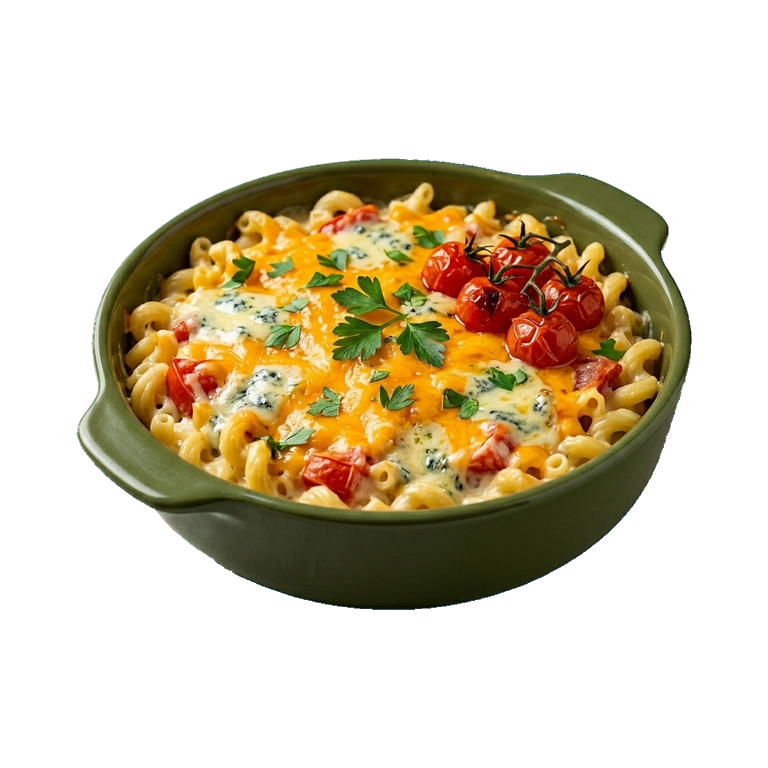
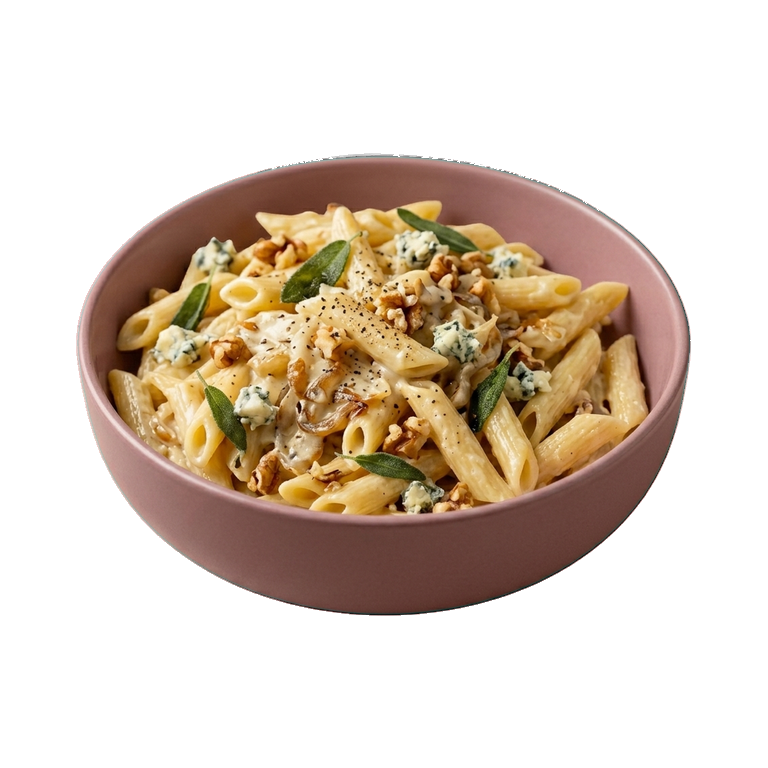
Stilton is great as a standalone hero: place a slice on a board with crackers, pear, and nuts — and you have a ready-made appetizer. But the cheese isn't afraid to work as part of a dish. Its crumbly structure is ideal for salads with greens and walnuts. In sauces, it doesn't melt perfectly, but that's exactly what creates an interesting texture: the mold pieces remain visible and add a sharp bite.
Stilton pairs well with sharp and sweet partners. Pears, figs, honey, walnuts, almonds — all of these highlight its nobility. Red wine, port, strong beer — these are its drinks. In hot dishes, it is added at the end of cooking to preserve its aroma: in soups, on steak, in mashed potatoes. With butter and garlic, Stilton creates a rich sauce for meat.
Selection and Storage
- Look for even distribution of blue mold — it should be visible throughout the cross-section, not just at the edges
- The cheese should be neither too dry nor too soft; proper Stilton crumbles but holds its shape
- Check the date: young cheese (2–3 months aging) is softer, aged cheese (6+ months) is sharper and denser
- The packaging should be intact, with no mold on the outside (unless it's noble mold on the rind)
Stilton is stored in the refrigerator in parchment or special cheese paper — not in polyethylene. Wrap it so that it breathes, but does not dry out. In a separate container, it won't absorb odors from neighboring foods. Storage time is two to three weeks if the cheese is whole. Eat a cut piece faster: one week maximum. Before serving, take the Stilton out of the refrigerator 15–20 minutes in advance: the flavor and aroma will fully reveal themselves when the cheese warms up slightly.
Stilton is not a cheese to eat in large quantities. It's a cheese for flavor accents: a small piece will add depth to a salad, sauce, or simply an evening appetizer. Its sharpness demands respect and good companions.
Nutrition
per 100 g
- Calories
- 380 kcal
- Protein
- 23 g
- Fat
- 32 g
- Carbs
- 0.1 g
Measure calculator
- Weight
- 100 g
- Calories
- 380 kcal