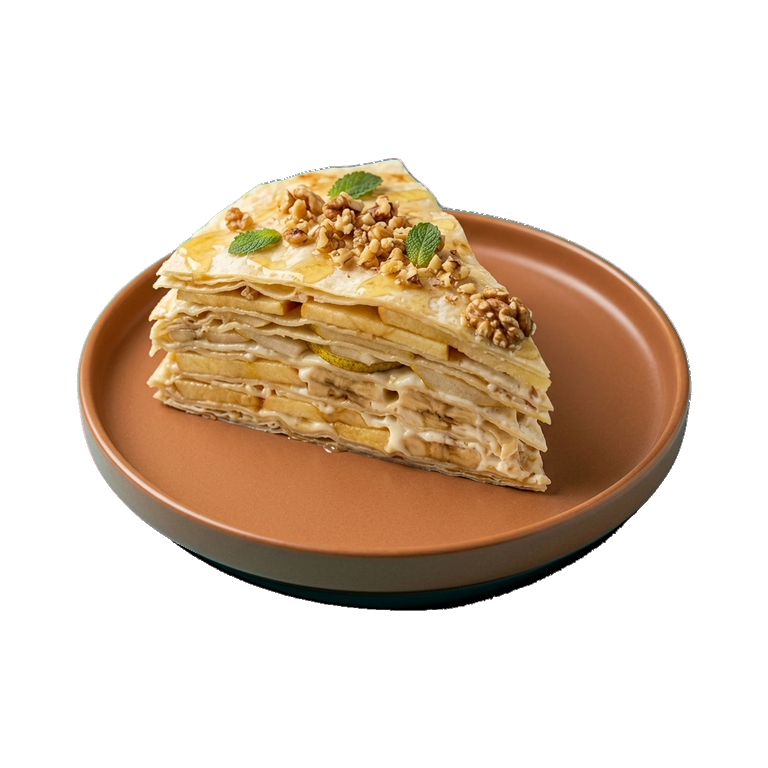
Usuba
Usuba
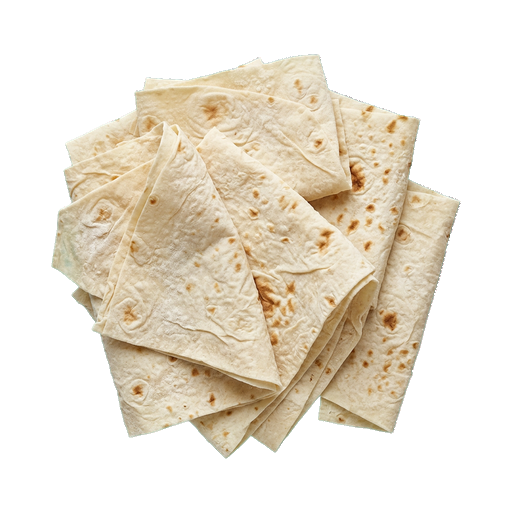
Thin lavash
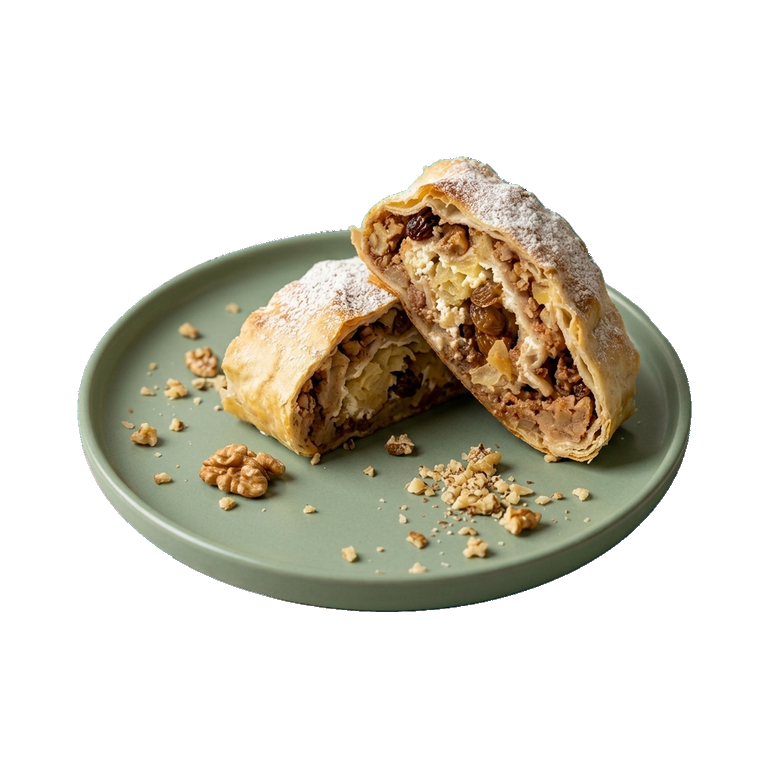
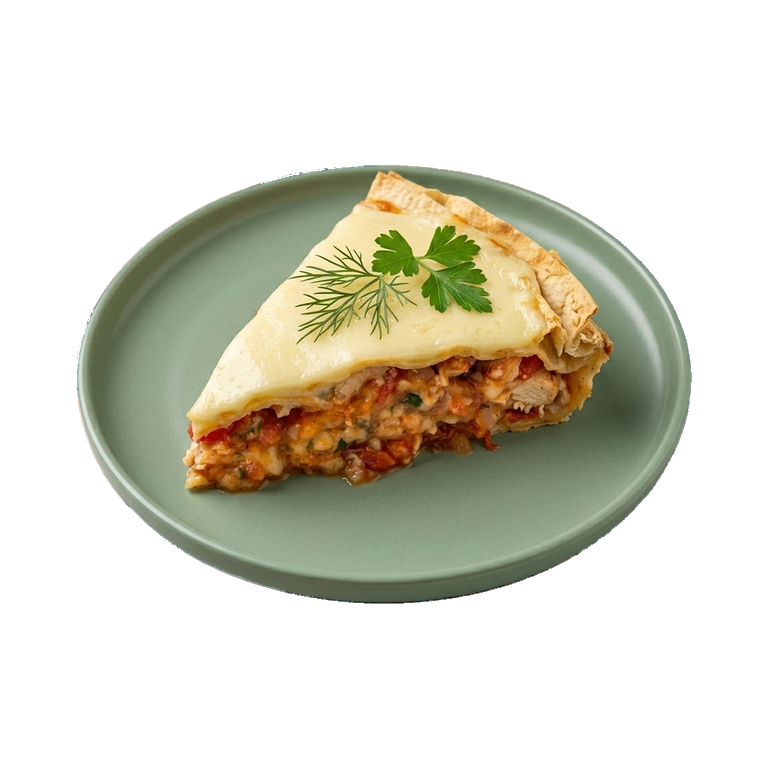
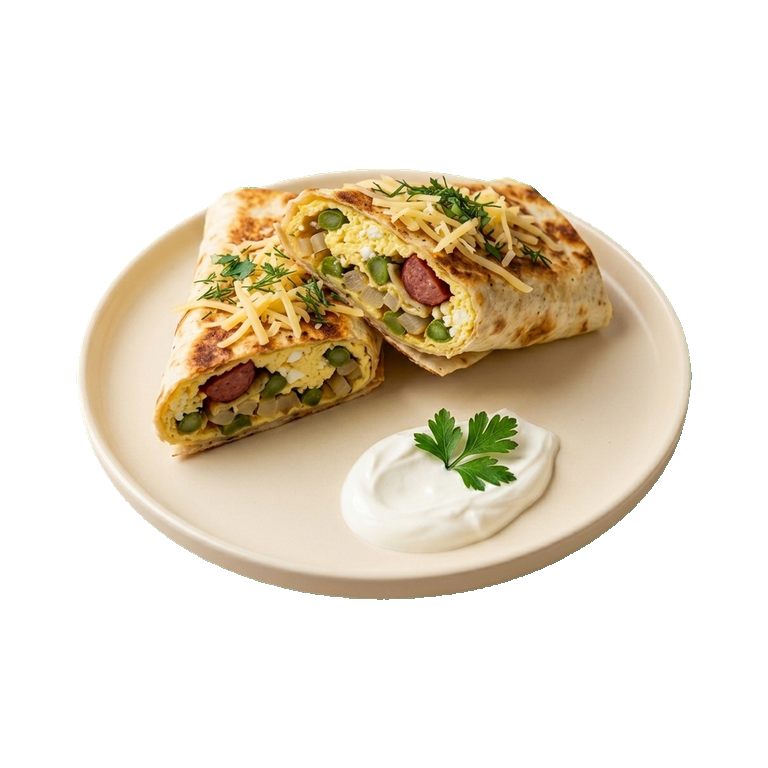
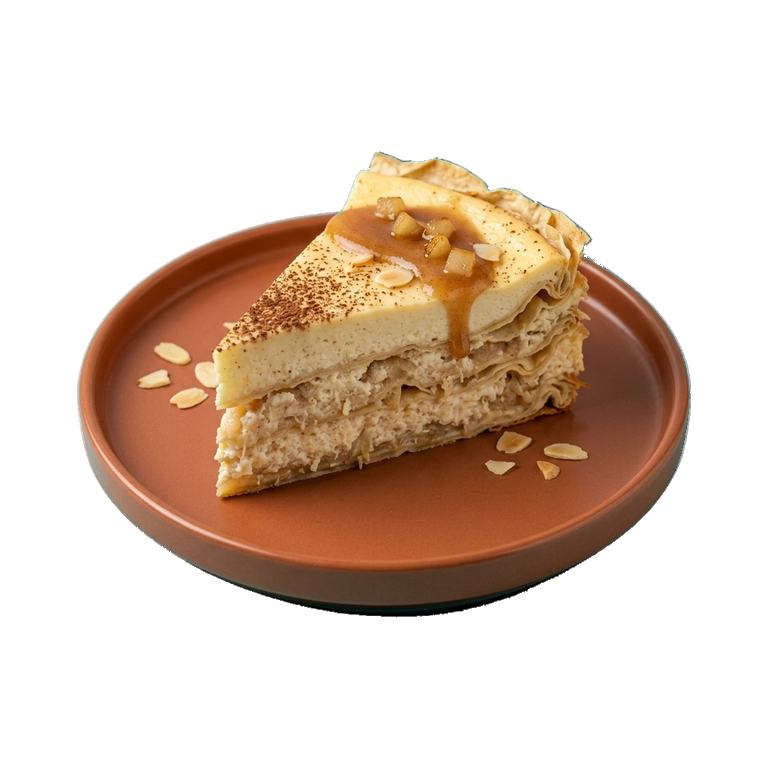
Thin lavash is an Armenian unleavened bread baked in the form of thin, almost transparent sheets 2–3 millimeters thick. It is made from simple dough without yeast or sourdough starter, which gives it a soft yet brittle texture with a delicate structure. In cooking, it is used as a base for wraps and rolls, for wrapping fillings, and also as a standalone bread served with soups and meat dishes — when stored, it dries out and becomes crispy, making it suitable for use in salads instead of croutons or crushed for breading.
About
Thin lavash is the very bread that can be easily rolled into a tube without breaking, and it's perfect for a quick lunch. It's so thin that it appears almost transparent, yet sturdy enough to hold fillings. It's a versatile kitchen tool that works as a base for appetizers, as a wrapper for hot dishes, and simply as bread for the table.
Texture and taste
To the touch, lavash is slightly elastic and soft, but not sticky. The taste is neutral, wheaty, without bright notes — this is its main advantage because it doesn't compete with the filling, but complements it. When lavash is fresh, it's slightly warm and flexible, like thin skin. If it has been sitting for a while, it becomes more brittle, but that's not a problem — it can be slightly softened with moisture or heat.
How to use it
- Roll it up with meat, vegetables, and sauce to make a quick lunch that's easy to take with you.
- Use it as a base for an appetizer: spread cottage cheese with herbs, smoked fish, or pâté on it, then fold into a triangle.
- Tear it into pieces and use it instead of bread to serve with hot dishes — with soups, stews, or meat dishes.
- Fry it in a dry pan or with oil to make crispy chips for an appetizer or side dish.
- Layer several pieces and cut into strips — this creates a base for a salad with vegetables and proteins.
Selection and Storage
When purchasing, make sure the lavash is flexible, without cracks along the edges, and without any signs of mold. The packaging should be intact. It doesn't keep long — in the refrigerator for a maximum of one week in an airtight bag or container. If you need to keep it longer, freeze it: lavash can be stored in the freezer for a month. Thaw it at room temperature or use it immediately — it defrosts quickly.
If lavash has dried out, don't throw it away. Lightly spray it with water, wrap it in foil and heat it in the oven for two minutes — it will become soft and flexible again.
What pairs well
- Spicy sauces: adjika, salsa, hot ketchup — lavash tames them.
- Dairy products: sour cream, yogurt, cottage cheese — a classic combination.
- Smoked products: sausage, fish, cheese — they shine brighter with neutral lavash.
- Fresh vegetables: tomatoes, cucumbers, lettuce, carrots — lavash holds them without getting soggy right away.
- Herbs: parsley, dill, cilantro — adds freshness and aroma.
Thin lavash is one of those ingredients that always comes in handy when you need to quickly feed your family or prepare appetizers for the table. It's cheap, keeps well for a long time, and works with practically everything. Keep it in the refrigerator, and it will always be at hand for a spontaneous dinner or a festive appetizer.
Nutrition
per 100 g
- Calories
- 265 kcal
- Protein
- 9 g
- Fat
- 1 g
- Carbs
- 53 g
Measures and weight
- 1 pcs
- 50 g
- 1 slice
- 25 g
Measure calculator
- Weight
- 100 g
- Calories
- 265 kcal