Usuba
Usuba
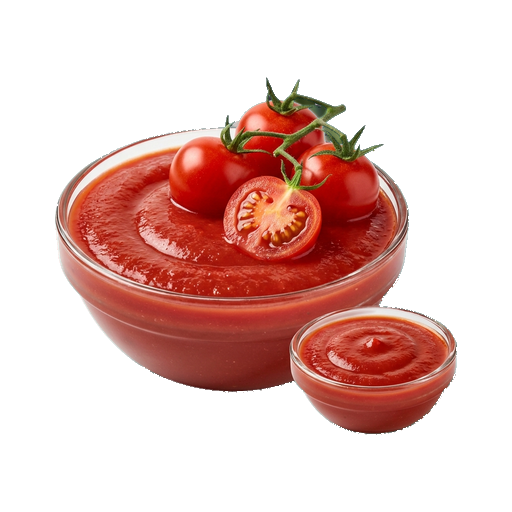
Tomato Passata Sauce
Passata is a strained tomato sauce made from ripe tomatoes with no skin or seeds. Thanks to its smooth consistency and pure tomato flavor, it's ideal for pasta, pizza, soups, and ragù, providing an even texture without lumps. When choosing, pay attention to the ingredients — quality passata contains only tomatoes, salt, and sometimes garlic, without additives or thickeners.
About
Passata is pureed tomatoes without skin and seeds, preserved in the simplest form. No additives, no thickening: just tomato pulp and juice. It's not a sauce in the classical sense, but rather a semi-finished product that becomes the base for hundreds of dishes. Unlike tomato paste, passata retains lightness and freshness, so it's used where you need a bright tomato note without heaviness.
Taste and Texture
Passata has a delicate, almost creamy consistency — not as thin as juice, but not as thick as pasta. The taste is pure, tomato-forward, with natural acidity. A quality product is slightly sweet because ripe tomatoes contain sugars. If passata seems watery or bland, it's a sign of low quality or improper storage.
Where passata works best
- Pasta sauces — passata quickly absorbs the aromas of garlic, herbs and spices, creating a light yet expressive sauce in 15–20 minutes
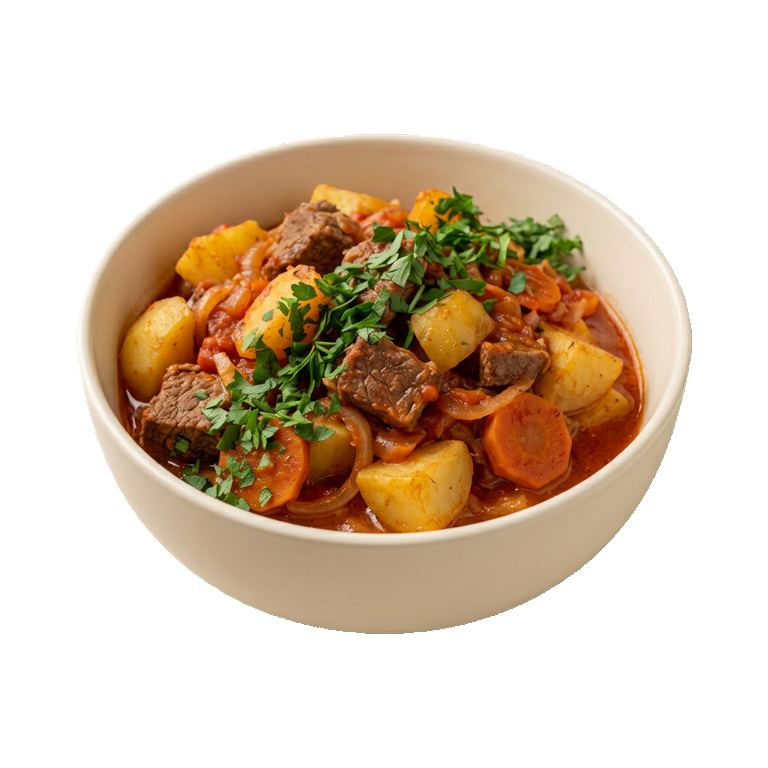
- Soups and stews — adds a tomato base without overloading the dish
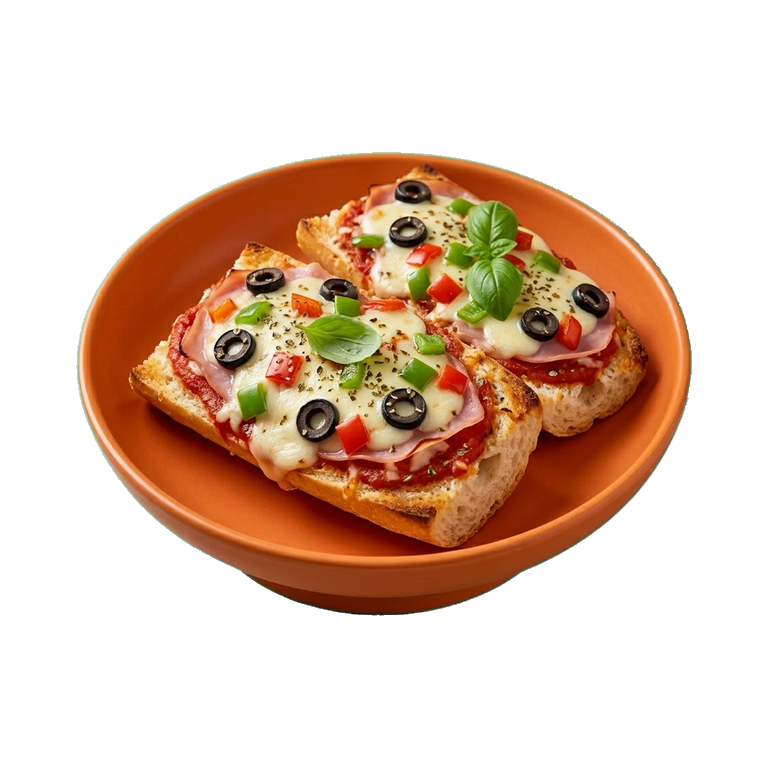
- Pizza and focaccia — ideal as a base before baking
- Stewed vegetables and meat — tomatoes help soften ingredients and bind flavors
- Shakshuka and egg dishes — passata creates a delicate sauce in which eggs cook well
What to add to enhance the passata
Passata loves good olive oil, fresh garlic, and herbs — basil, oregano, thyme. It takes well to red pepper, black pepper, and a pinch of sugar (if the acidity is too pronounced). If you need a thicker consistency, add a little tomato paste or let the sauce simmer uncovered. For creaminess, add cream or butter at the end of cooking.
How to choose and store
Passata is sold in glass jars, cartons, and plastic bottles. Check the ingredient list — it should contain only tomatoes, sometimes salt and citric acid. No starch, sugar, or preservatives. The jar should not be swollen, and the liquid inside should be homogeneous with no separation. Keep opened passata in the refrigerator in a glass container for no more than a week. Keep unopened passata in a cool place until the expiration date.
Passata freezes well — pour it into containers or ice cube trays and use it in winter. This way you'll always be ready for a quick meal.
Nutrition
per 100 ml
- Calories
- 18 kcal
- Protein
- 0.9 g
- Fat
- 0.2 g
- Carbs
- 3.2 g
Measures and weight
- 1 tbsp
- 15.8 g
- 1 tsp
- 5.3 g
- 1 cup
- 262.5 g
Measure calculator
- Weight
- 100 g
- Calories
- 17 kcal