Usuba
Usuba
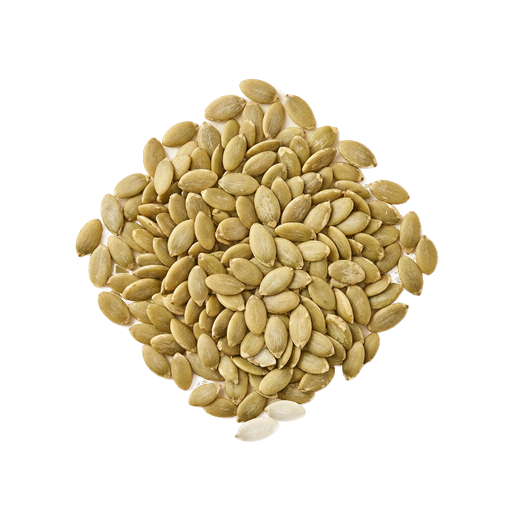
Pumpkin seeds
Pumpkin seeds are flat seeds with green flesh beneath a white shell, featuring a nutty flavor with a subtle bitterness. They are rich in beneficial fats and minerals, which is why they are often consumed raw as a snack, added to salads, porridges, and baked goods, and used as a base for oil. When selecting them, prefer seeds with intact shells free from darkening, and store them in an airtight container in a cool place to prevent them from becoming rancid.
About
Pumpkin seeds are one of those ingredients that are easy to underestimate. They may seem like just a snack, but in reality, you have a versatile product in front of you that works in both sweet and savory dishes, as well as a crunchy finishing touch to a salad or soup. Green seeds with a creamy center have a delicate nutty flavor with a slight bitterness that appears when roasted.
Taste and Aroma
Raw seeds provide a soft, slightly sweet taste with herbaceous notes. As soon as you roast them — even in a dry pan — a deep nutty aroma and light bitterness appear, which is very pleasant. If you add salt during roasting, the seeds become an excellent snack. The roasting time also affects the taste: five to seven minutes gives a tender result, longer — a more intense, almost caramel tint.
Where to use
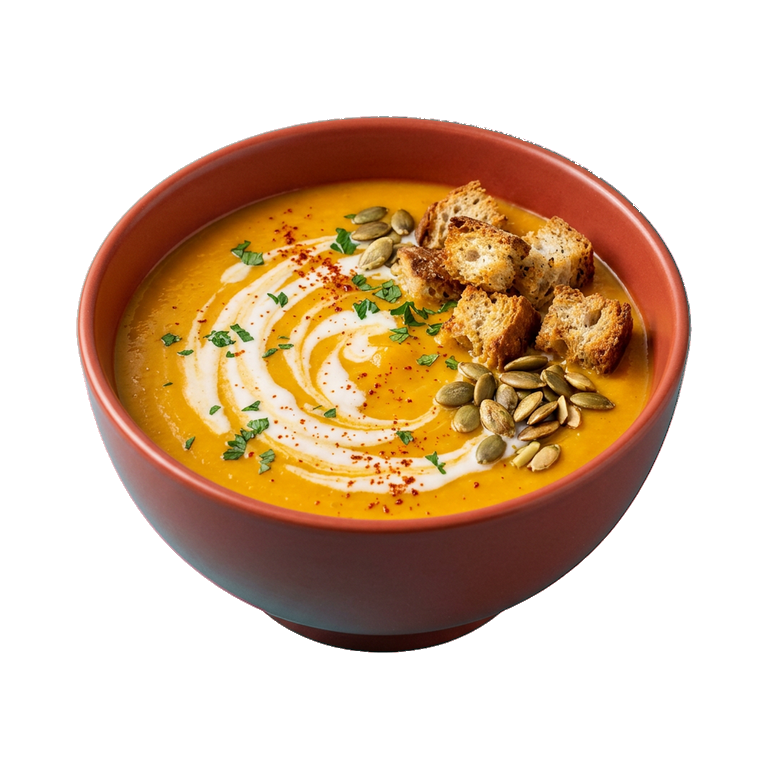
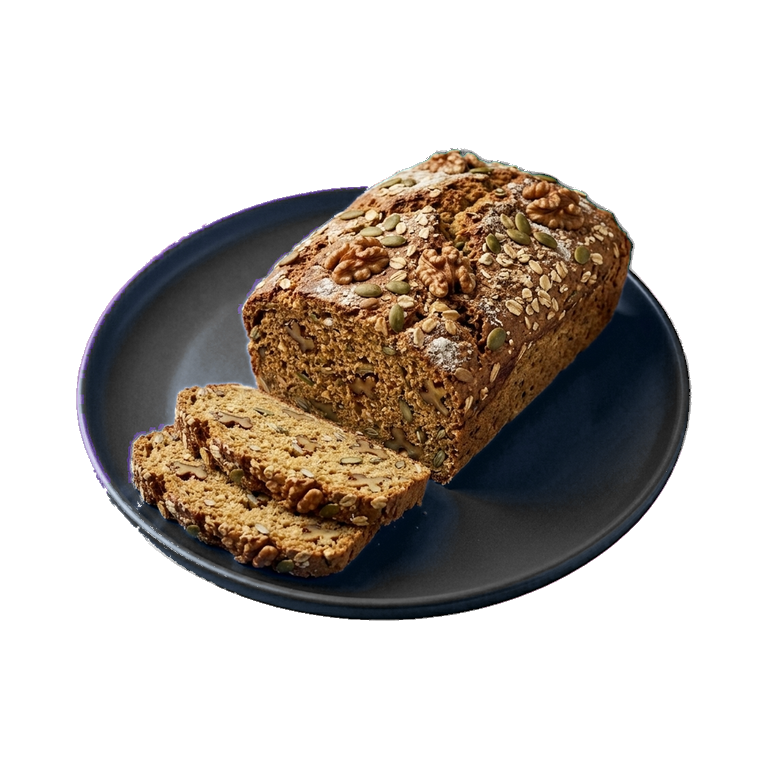
Pumpkin seeds work well in a variety of contexts. Sprinkle them over salad or cream soup for texture contrast. Add them to granola, muesli, or cottage cheese casserole. They complement grains perfectly — buckwheat, quinoa, oatmeal. In baking, seeds become an ingredient in bread, muffins, and cookies, especially if you're looking for a nut alternative in case of allergies.
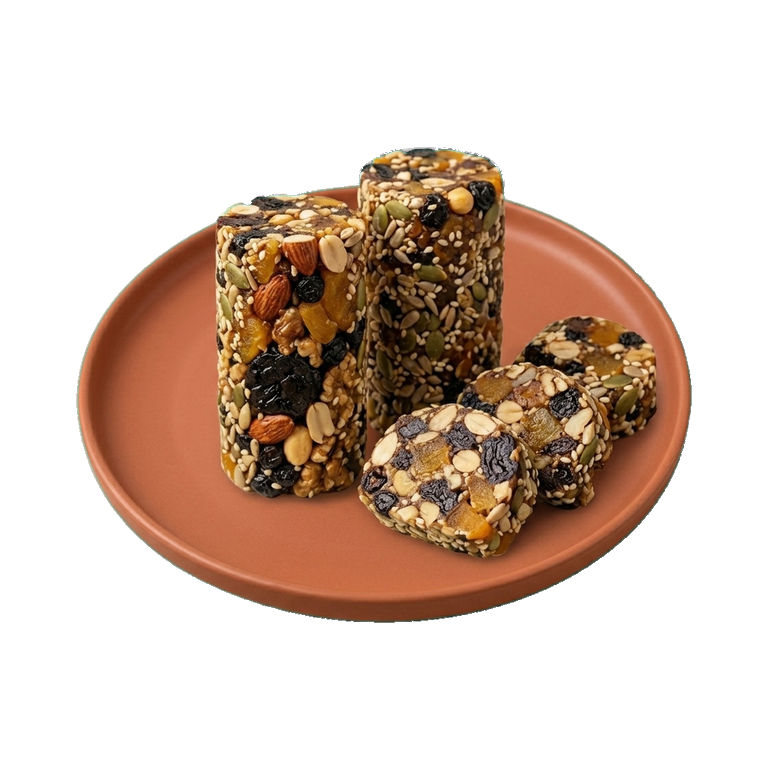
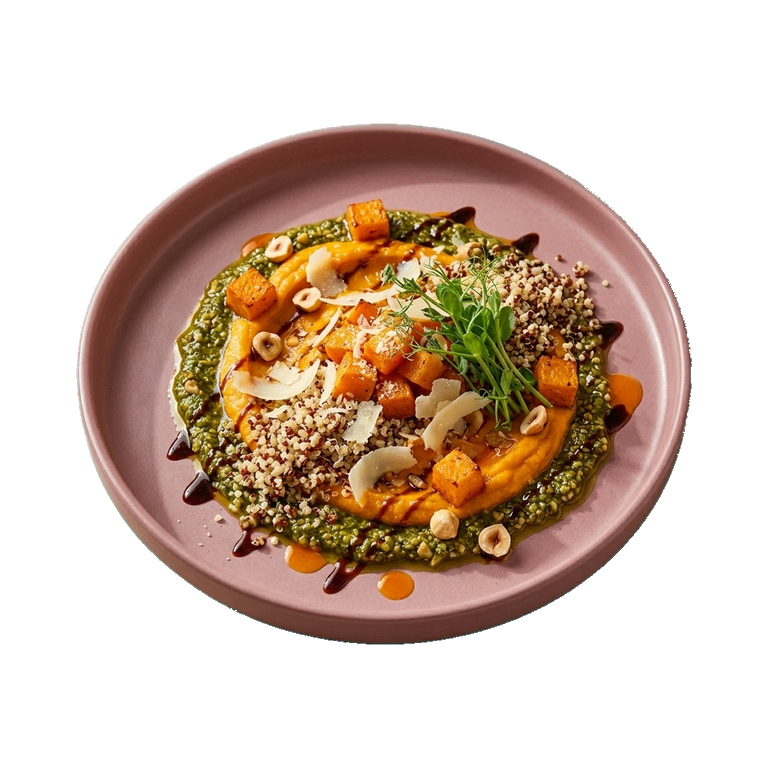
- Topping for salads, soups and side dishes
- Component for granola and muesli
- Ingredient for bread, buns and cookies
- Additive to porridge and breakfast dishes
- Base for homemade butter or paste
Successful Combinations
Pumpkin seeds pair well with autumn flavors: cinnamon, nutmeg, and ginger. They work excellently with honey, maple syrup, and brown sugar in sweet dishes. In savory compositions, they go with pumpkin, carrots, beets, as well as with spicy seasonings—chili, paprika, and garlic. A handful of seeds with lemon juice and olive oil creates a simple yet effective dressing for vegetables.
Selection and Storage
When buying, choose seeds without the smell of mold and mustiness. If they are sold in bulk, smell them — there should be a clean nutty aroma. The color varies from light green to darker shades, which is normal and depends on the pumpkin variety and storage conditions. Raw seeds are stored in a tightly closed jar in a cool place for up to three months, roasted ones — slightly less, since the oils oxidize faster.
- Store in an airtight container
- Ideally in the refrigerator or freezer to extend shelf life
- Before use, check the smell and appearance
- Fry immediately before serving for maximum aroma
Pumpkin seeds are a simple way to add crunch, nutrition, and interesting flavor to almost any dish. Keep them on hand, and you'll always find a way to use them.
Nutrition
per 100 g
- Calories
- 559 kcal
- Protein
- 24.5 g
- Fat
- 49 g
- Carbs
- 10.7 g
Measures and weight
- 1 tbsp
- 9 g
- 1 tsp
- 3 g
- 1 cup
- 150 g
Measure calculator
- Weight
- 100 g
- Calories
- 559 kcal