Usuba
Usuba
Udon Noodles
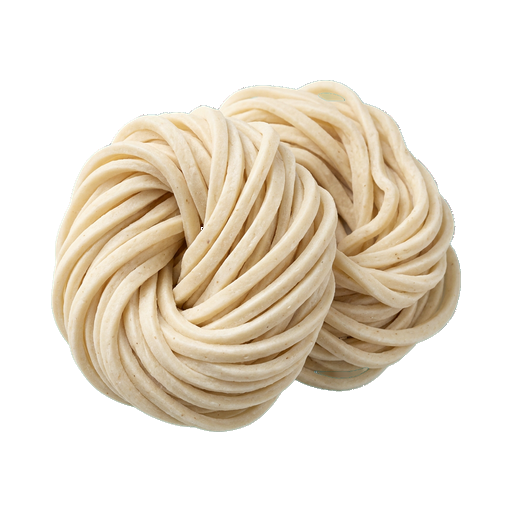
Dense wheat noodles with thick strands that become soft and elastic when cooked. Udon absorbs broths and sauces, making it ideal for soups, stews, and hot dishes of Japanese cuisine. When selecting, pay attention to product freshness — fresh noodles cook in 2–3 minutes, dried noodles require 8–10 minutes, and frozen noodles cook directly from the freezer without prior thawing.
About
Udon is a thick wheat noodle that has become the basis for many dishes in Eastern cuisine. Its main feature is that it holds its shape even in hot broth, doesn't fall apart, and maintains a chewy texture. If you're looking for noodles that you can feel in your mouth rather than dissolve on your plate, udon is exactly what you need.
Texture and Taste
Udon is characterized by a soft, slightly viscous surface and a dense center. The noodles absorb the flavor of the broth while retaining their own neutral wheat note. The thickness of the strands (usually 2–3 millimeters) makes them ideal for soups and sauces — they do not break when stirred and hold liquid well.
Where to use udon
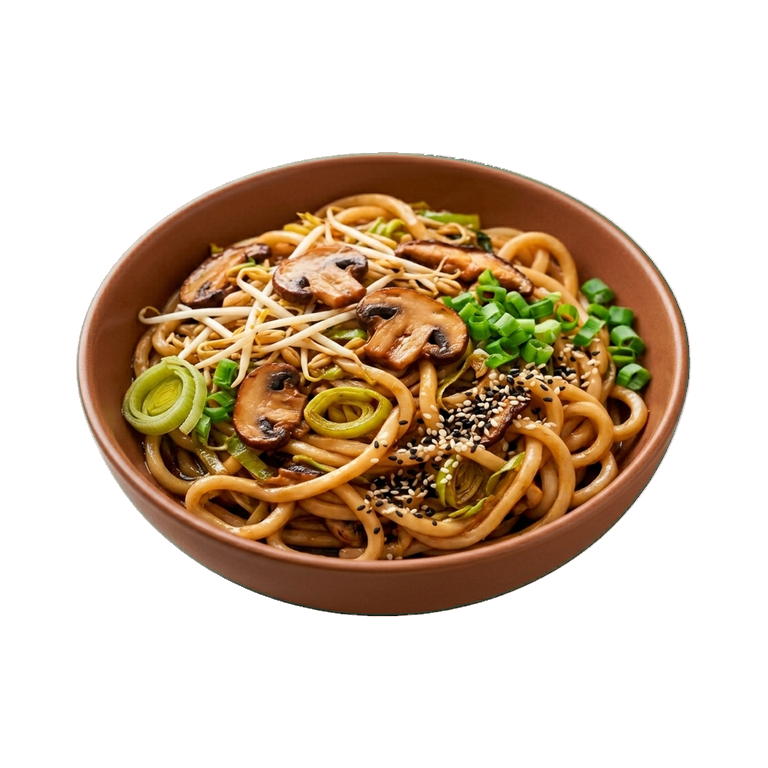
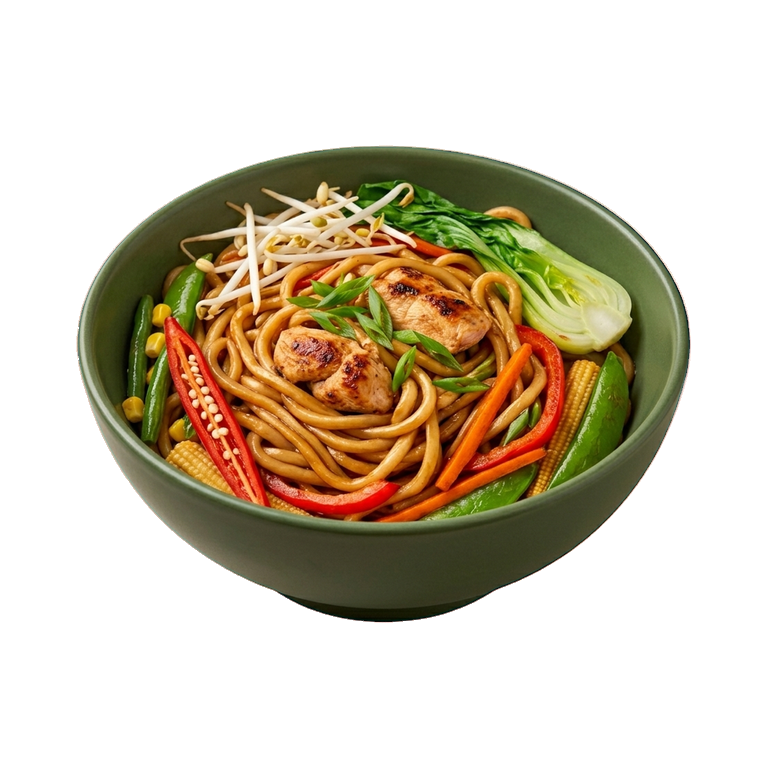
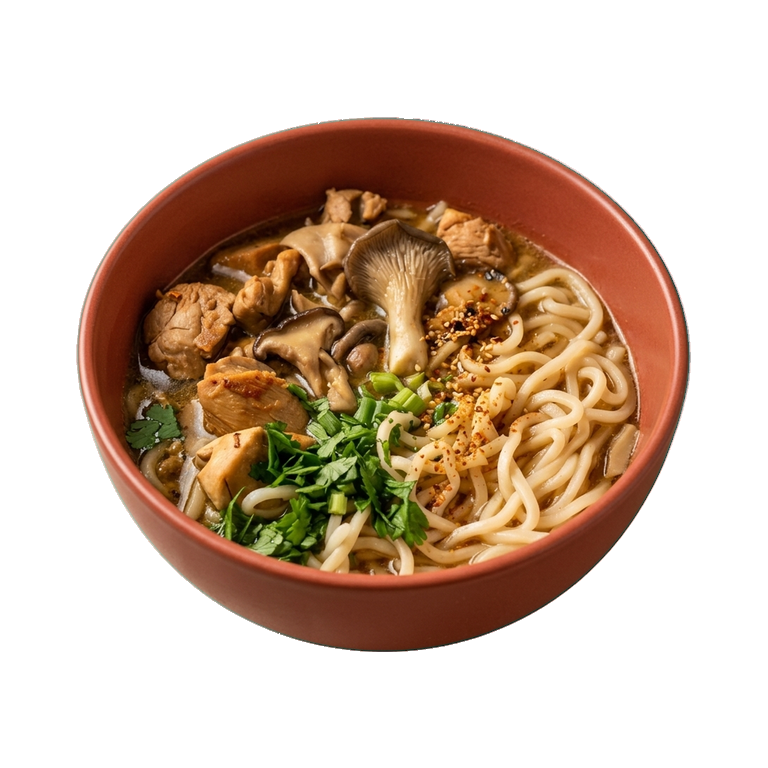
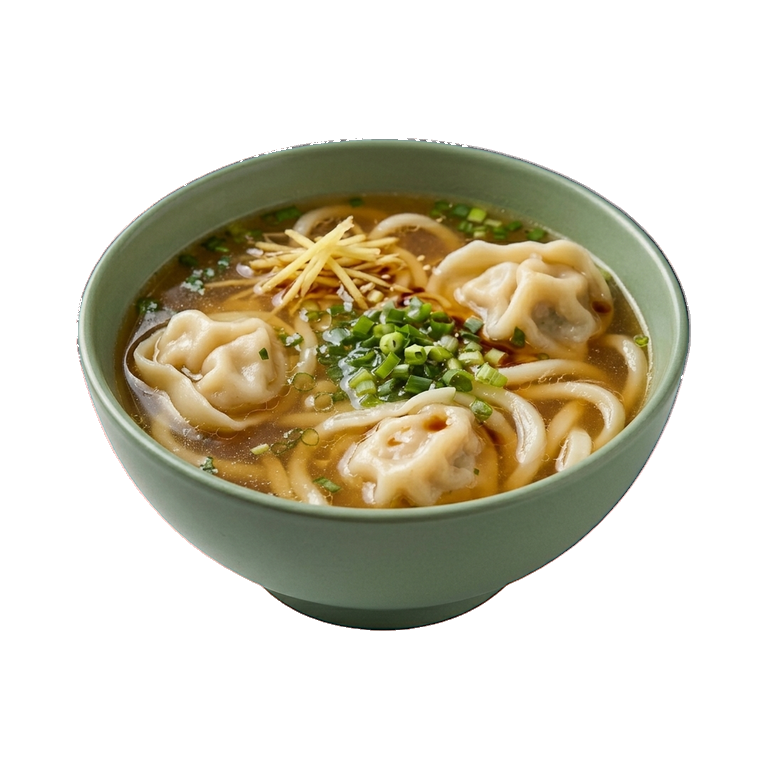
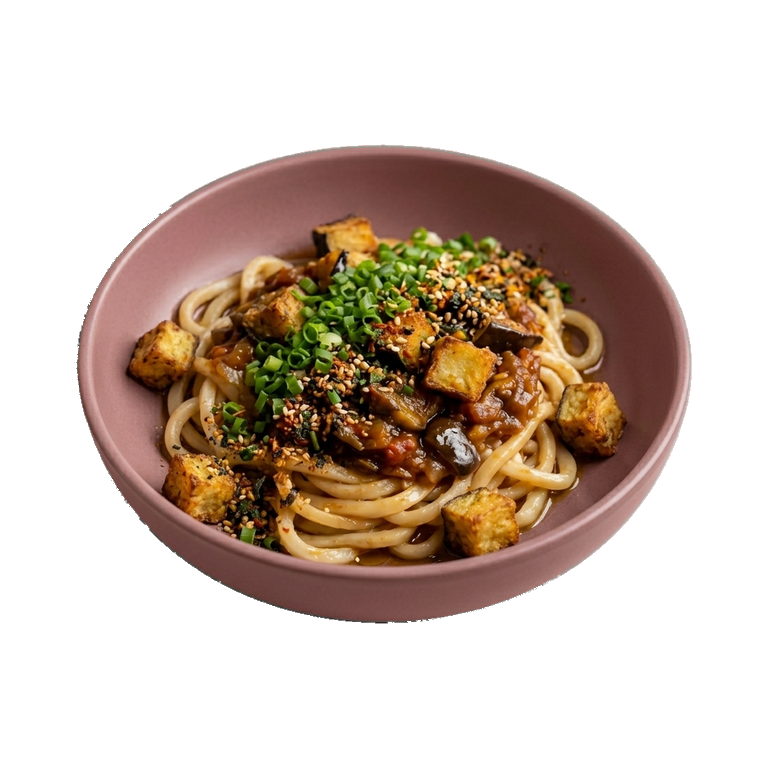
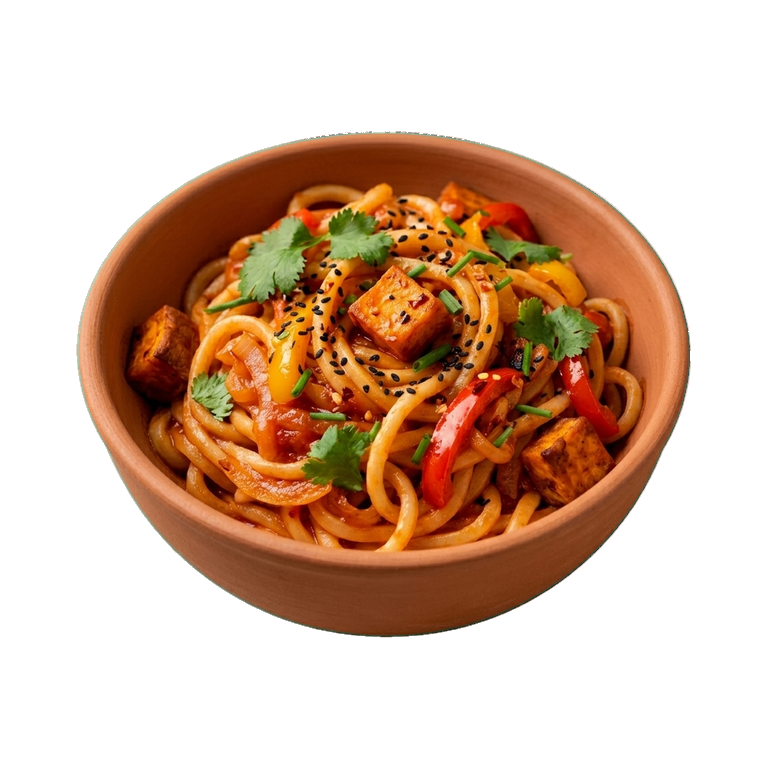
Udon is versatile. It is cooked in hot soups with vegetables, mushrooms, and seafood, added to cold summer dishes with a sauce based on soy sauce and mirin, and stir-fried with vegetables and meat in a pan. The noodles are equally good in light dashi and in thick, rich broth.
- Kito-udon — soup with hot broth and chicken
- Yakiudon — fried noodles with vegetables and sauce
- Zaruku-udon — cold noodles with dipping sauce
- Tanuki-udon — with crispy tempura on top
Pairings and Seasonings
Udon works well with classic Eastern seasonings: soy sauce, mirin, sugar, and salt. Green onions, sesame, nori, and wasabi add freshness and spiciness. The noodles absorb the flavors of dashi broth, mushrooms, and seafood, so they don't require complex sauces — often a good broth is enough.
Selection and Storage
Udon is sold in three main forms: fresh (cooked for 2–3 minutes), semi-dried (5–8 minutes), and completely dried (8–10 minutes). Fresh noodles are softer and more tender, but require quick use. Dried udon can be stored for months in a sealed container at room temperature and is perfect for a pantry that's always ready to use.
Keep cooking simple: add the noodles to boiling water, wait for it to return to a boil, add cold water and repeat. Usually after the second return to boil, udon is ready. Remember to stir for the first 30 seconds to prevent the strands from sticking together. You can rinse the cooked noodles with cold water if you're preparing a cold dish, or transfer them directly into hot broth.
Nutrition
per 100 g
- Calories
- 337 kcal
- Protein
- 10.3 g
- Fat
- 1.5 g
- Carbs
- 70 g
Measure calculator
- Weight
- 100 g
- Calories
- 337 kcal