Usuba
Usuba
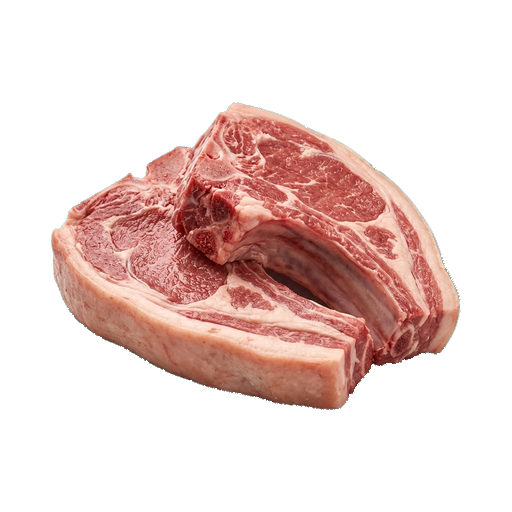
Lamb on the bone
Lamb on the bone — meat with a natural bone base that imparts a rich, deep flavor during prolonged heat treatment. Such cuts are ideal for braising, making broths, and slow roasting, as the bone releases collagen and gelatin, making the sauce thick and aromatic. When selecting, pay attention to the color of the meat — it should be dark red, and the fat should be light and firm, without a musty smell.
About
Lamb on the bone is not just meat, but an entire architecture of flavor. During cooking, the bone releases collagen and minerals into the broth, making the dish more rich and aromatic. This is exactly why experienced chefs never choose fillet when they need true depth of taste.
Aroma and Flavor
Lamb has a characteristic, recognizable smell — spicy and slightly herbaceous. This is not a drawback, but its main virtue. The bone intensifies this aroma, creating during cooking or stewing a cloud of fragrance that fills the entire kitchen. The taste of the meat is mild, with a slight sweetness, especially if the animal was young.
How to cook: methods and time
Lamb on the bone takes time — this is not a quick dinner, but an investment in the result. The bone protects the meat from drying out, allowing you to cook at high temperatures without risk. Here are the main approaches:
- Stewing — a classic method. Meat is seared over high heat until browned, then stewed in salted liquid (water, broth, wine) for 1.5–2 hours over low simmer.
- Boiling for broth — pieces are placed in cold water, brought to a boil and simmered for 2–3 hours. This produces a rich, hearty broth, ideal for soups.
- Oven roasting — seared meat is placed in a baking dish with vegetables and liquid, covered with foil and cooked at 160–180 °C for about 2 hours.
- Grilling or pan-searing — ribs and steaks can be cooked quickly, 4–6 minutes on each side, if the bone is not very thick.
Pairings and Seasonings
Lamb loves bold flavors. Rosemary, thyme, and bay leaf are its constant companions. Garlic, onion, and tomatoes emphasize the meaty depth. Eastern spices — cumin, coriander, paprika — open new dimensions. Lemon or vinegar help lighten the richness of the meat, making the dish more lively and fresh.
- Vegetables: carrot, celery, potato, eggplant, zucchini
- Liquids: red wine, beef broth, tomato juice
- Herbs: parsley, cilantro, mint
Selection and Storage
When purchasing, pay attention to the color — the meat should be bright red or pink, without dark spots or gray coating. The bone should be light, moist, but not slippery. The smell should be fresh, without sourness. If the meat was purchased in vacuum packaging, it may look darker — this is normal, the color will recover when exposed to air.
- In the refrigerator: 3–4 days in the coldest part, wrapped in parchment or in an airtight container
- In the freezer: up to 8 months in an airtight package, preferably vacuum-sealed
- Thaw in the refrigerator, not on the counter — this way the meat will stay juicy and safe
Lamb on the bone is an investment in a complete lunch or dinner. It takes time, requires attention and patience, but rewards you with tender meat and an unforgettable dish.
Nutrition
per 100 g
- Calories
- 203 kcal
- Protein
- 15.6 g
- Fat
- 15.1 g
- Carbs
- 0 g
Measure calculator
- Weight
- 100 g
- Calories
- 203 kcal