Usuba
Usuba
Kurdiuk Fat
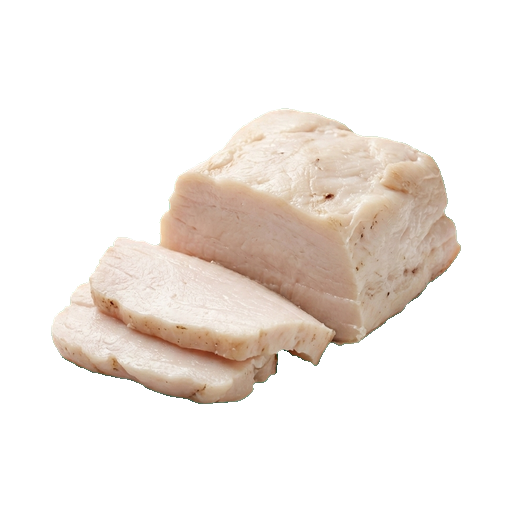
Karakul fat is fatty tissue from the karakul, a fat deposit at the base of a sheep's tail, distinguished by its soft consistency and delicate flavor without a sharp odor. In cooking, it is used for preparing pilaf, skewers, and traditional Central Asian dishes, where it adds juiciness and characteristic aroma. When selecting, pay attention to white or cream color and dense structure — such fat better maintains its shape when heated and distributes fat evenly throughout the dish.
About
Kurdyuk fat is fat from a special adipose deposit in Kurdi sheep breeds, located at the base of the tail. It is not simply lard in the classical sense: it has a completely different structure and behavior when cooking. While ordinary lard is dense and requires time to melt, kurdyuk fat is softer, more tender, and quickly transitions to a liquid state. At room temperature, it remains plastic, almost like butter.
Aroma and Taste
Karakul fat has a soft, unobtrusive flavor with barely perceptible sheep notes. It is not a sharp or pungent fat — rather, it is neutral and delicate, with a pleasant sweetness. The aroma is barely noticeable, which makes it versatile: the fat does not overpower the taste of other ingredients, but rather complements and enriches the dish. This subtlety allows it to be used in a wide variety of cuisines without the risk of disrupting the flavor balance.
How to cook and use
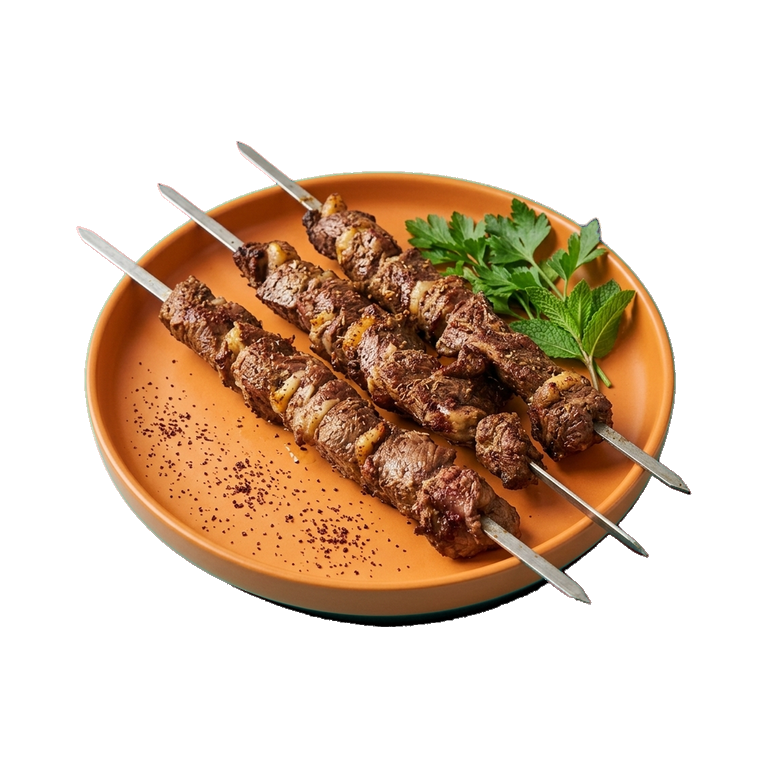
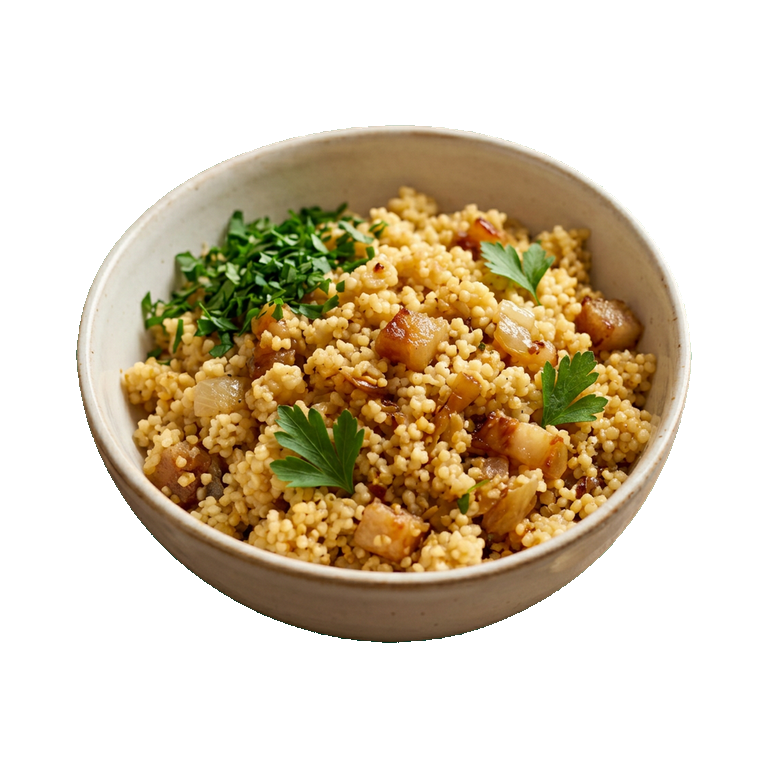
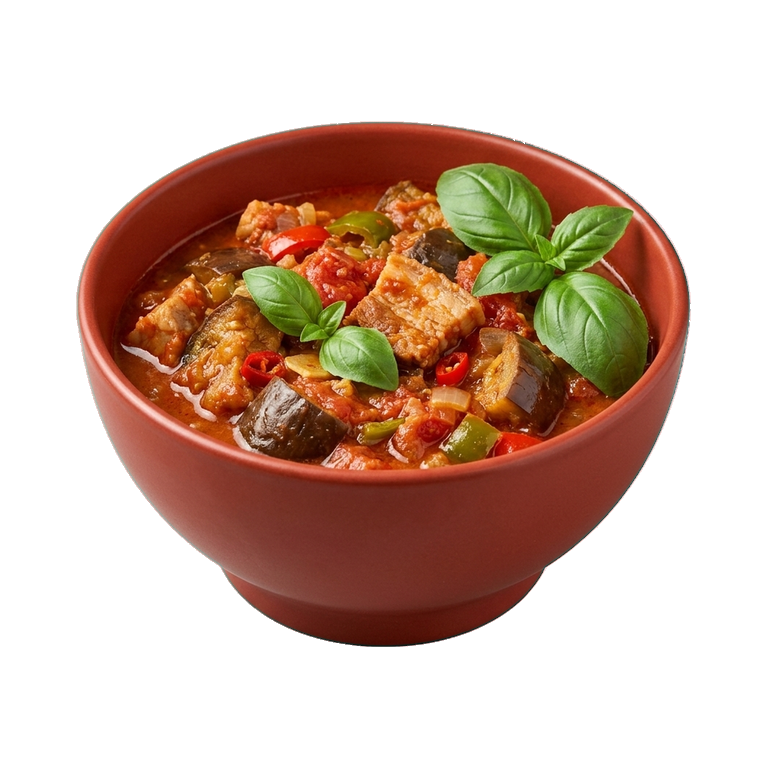
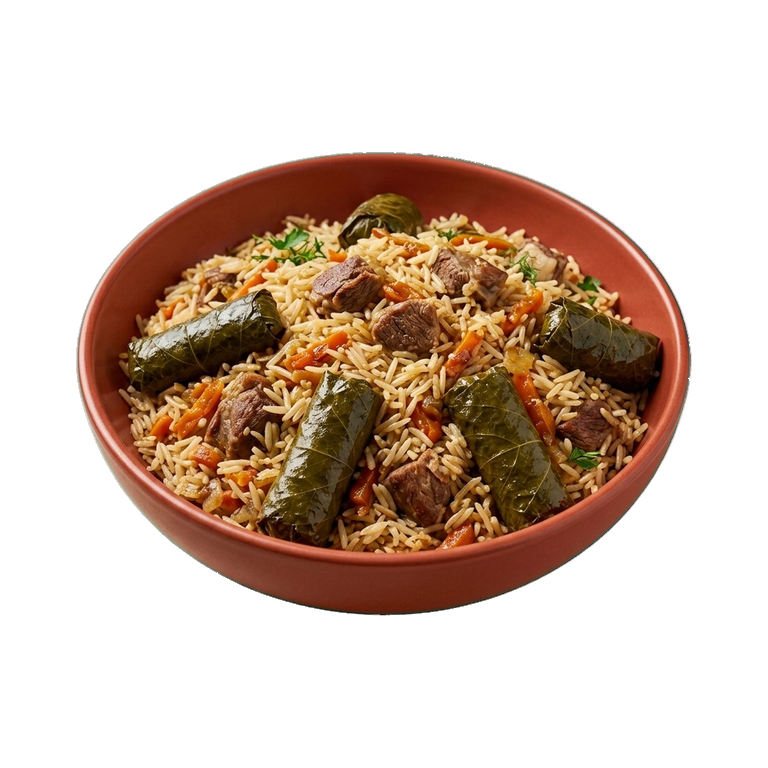
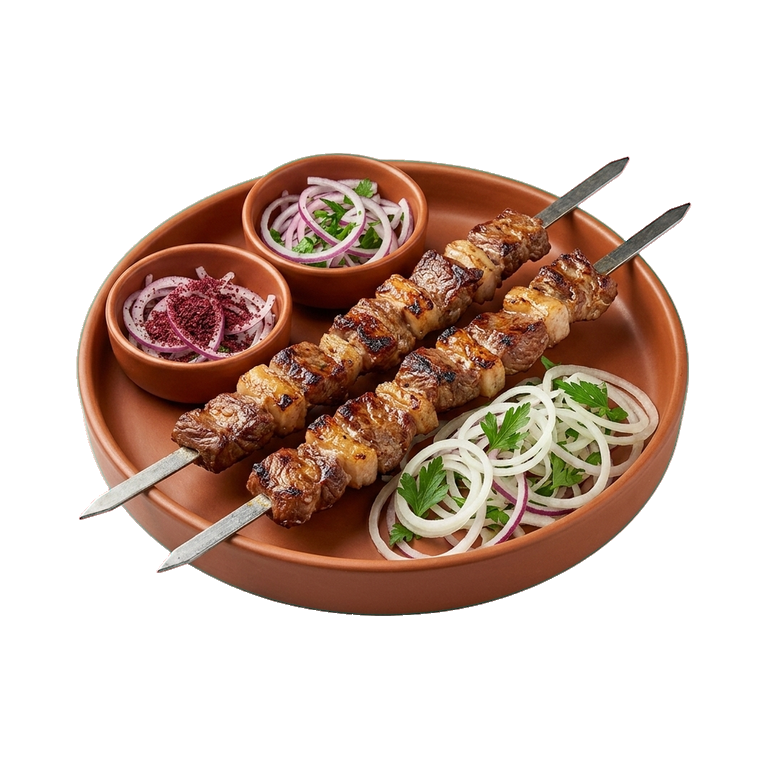
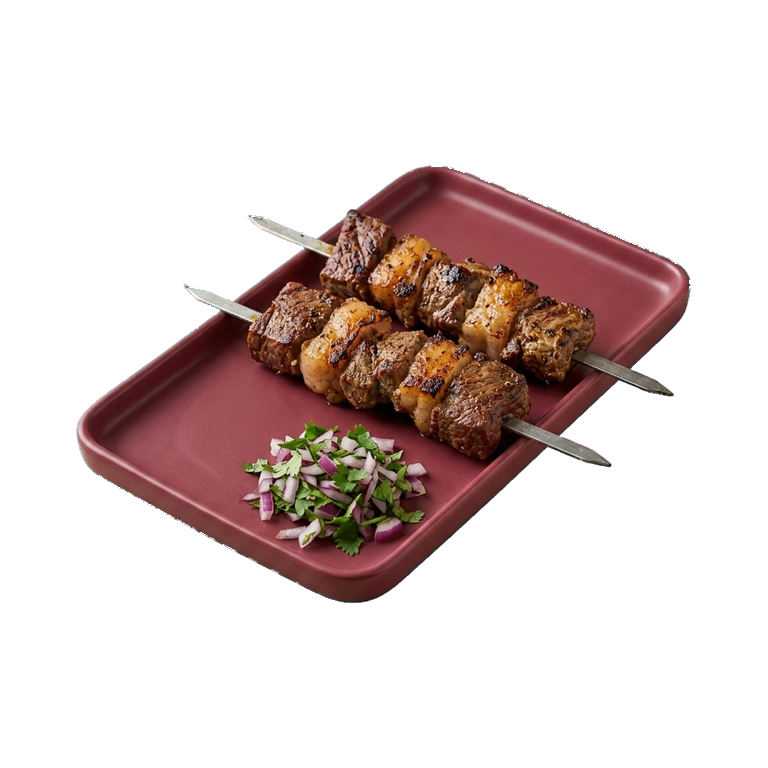
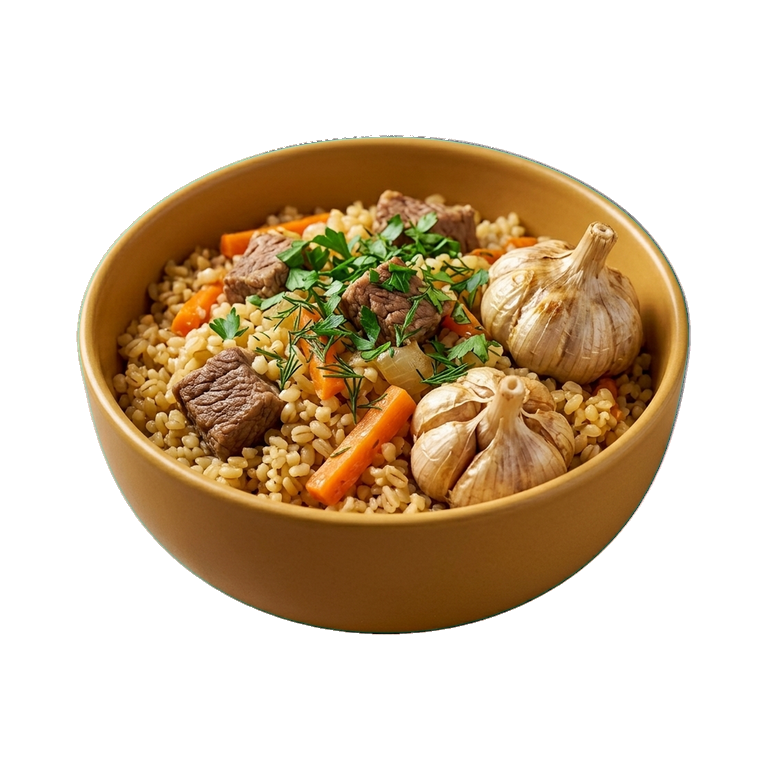
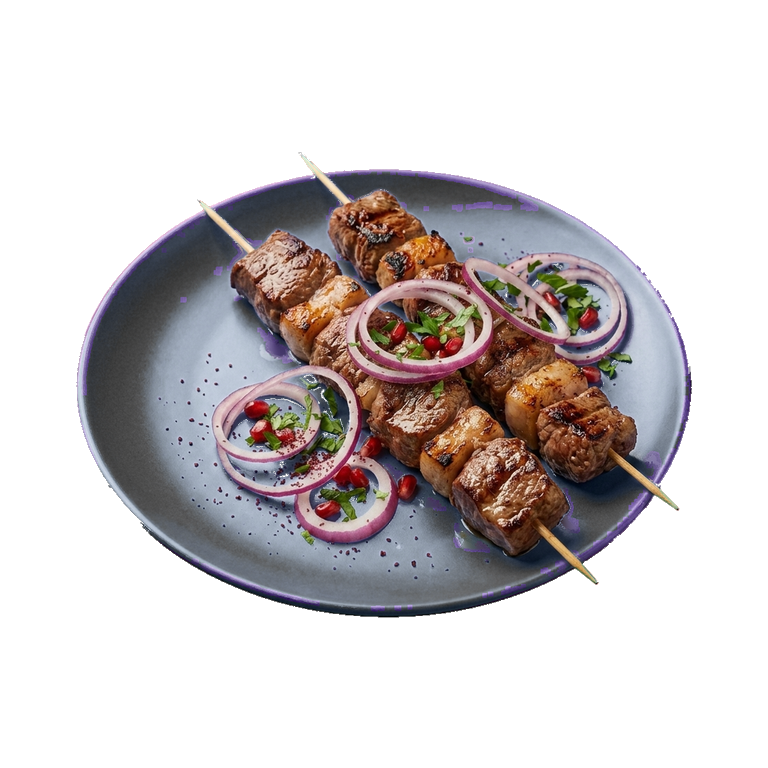
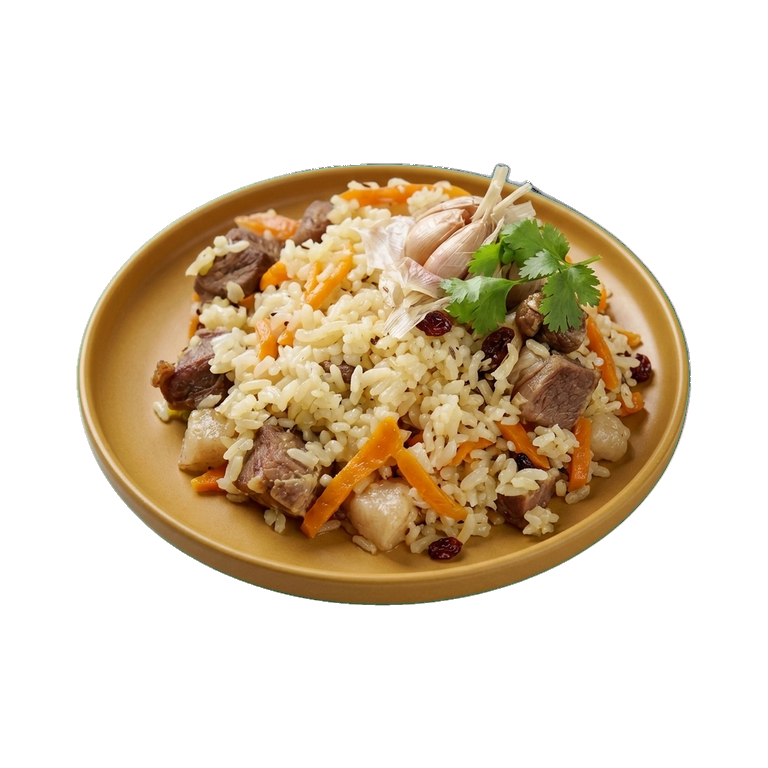
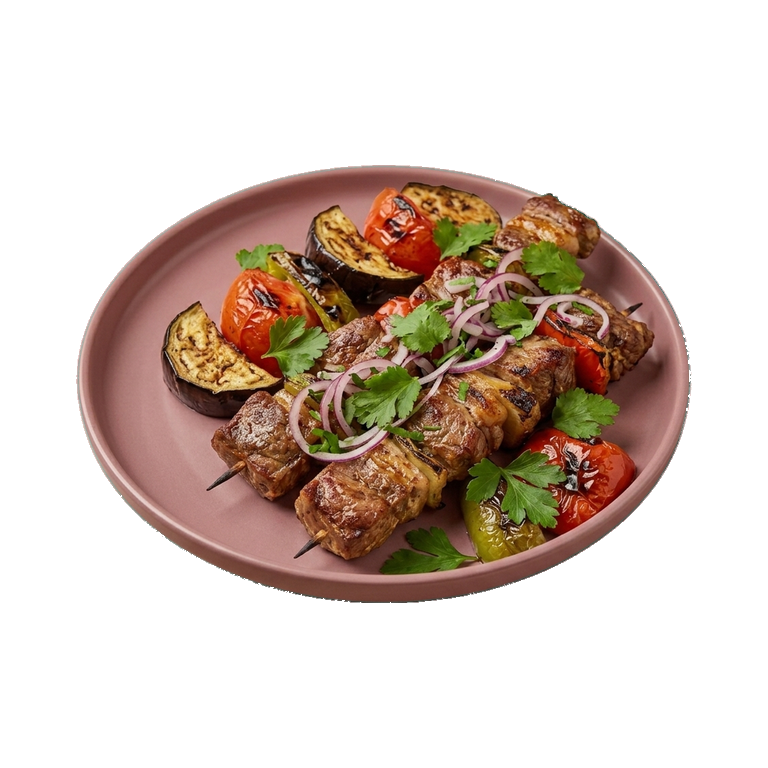
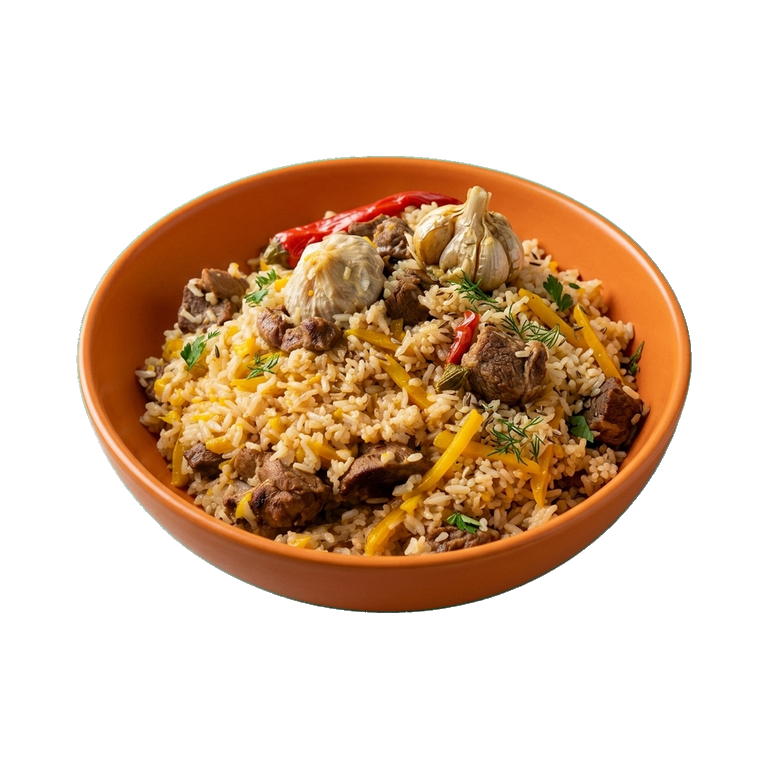
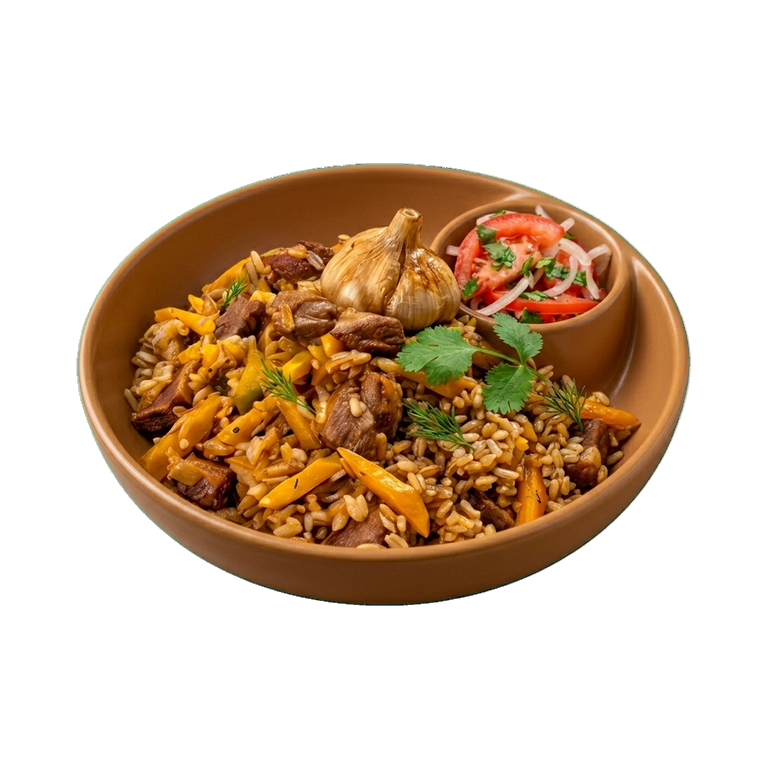
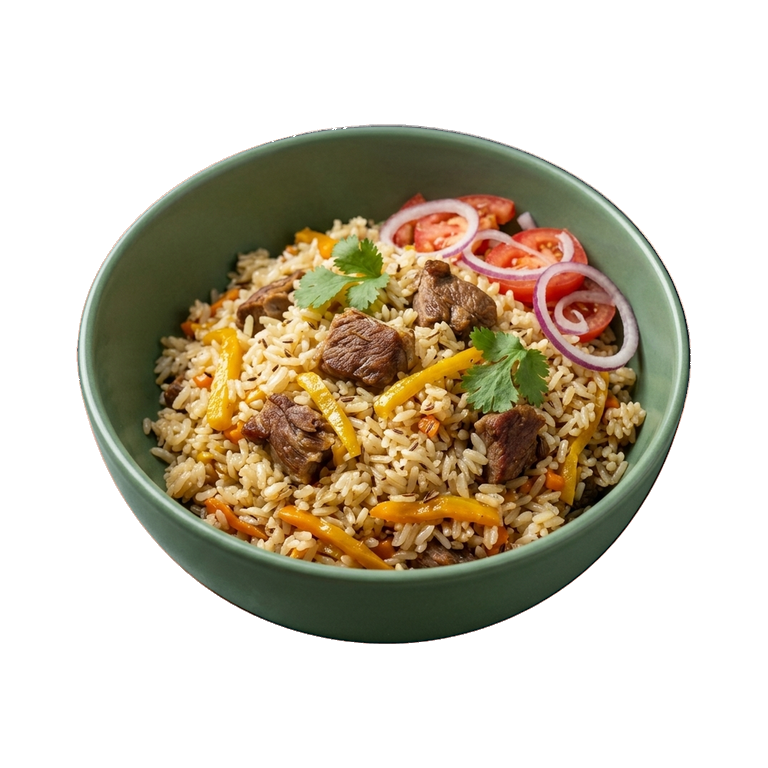
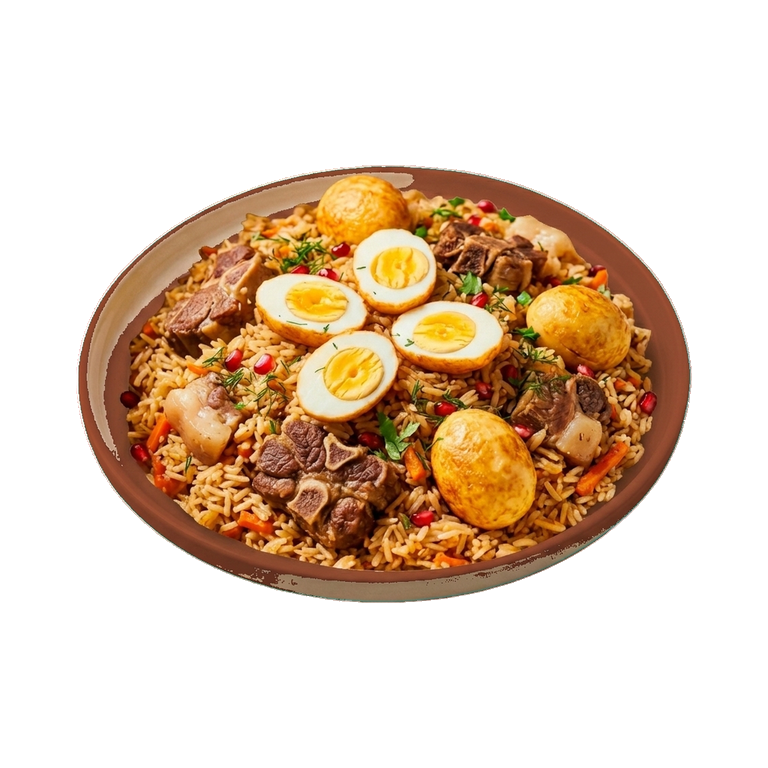
Tail fat is ideal for pilaf — it doesn't harden when cooling and distributes evenly throughout the rice grains, making the dish crumbly and juicy. It is added when frying meat and vegetables, used for making flatbreads and samosas. In meat fillings, fat serves as a binder and moisture source, preventing drying out. It is also melted and used as a base for sauces and dressings.
- Pilaf and rice dishes — classic application
- Frying meat and vegetables instead of oil
- Fillings for pies, samosas and flatbreads
- Meat fillings and cutlets
- Base for traditional sauces
Pairings and flavor partners
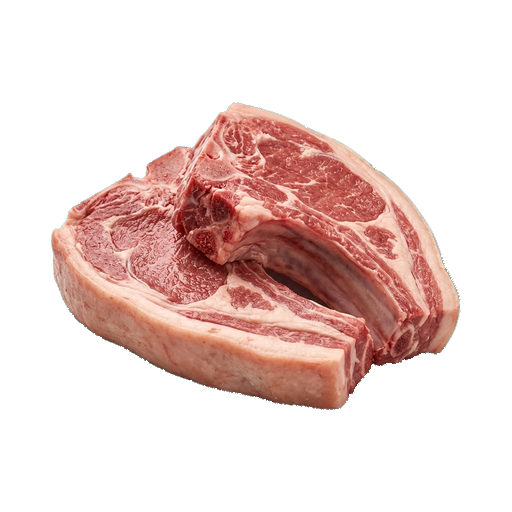
Tail fat works well with spices: cumin, coriander, black pepper, and cloves. It enhances the flavor of lamb and beef, especially in Oriental dishes. With vegetables — carrots, onions, tomatoes — fat creates a harmonious flavor base. It complements rice, wheat groats, and legumes perfectly. It does not conflict with garlic and ginger, allowing them to fully reveal their flavors.
Selection and Storage
When purchasing, pay attention to the color: quality tail fat should have a white or creamy tint. The smell should be clean, without mustiness. The structure of the fat should be uniform, without dark streaks. It is best to buy it as a whole piece from trusted suppliers — this way you will be able to assess the quality before use.
Store lamb tail fat in the refrigerator in an airtight container or wrapped in parchment paper. At a temperature of 4–6 degrees, it maintains quality for 2–3 weeks. For longer storage, freeze it — fat lasts several months in the freezer. Before use, take out the required amount and let it thaw at room temperature. Never refreeze or overheat the fat during cooking — it will lose its valuable properties.
Nutrition
per 100 g
- Calories
- 586 kcal
- Protein
- 2.8 g
- Fat
- 65 g
- Carbs
- 0 g
Measures and weight
- 1 slice
- 25 g
Measure calculator
- Weight
- 100 g
- Calories
- 586 kcal