Usuba
Usuba
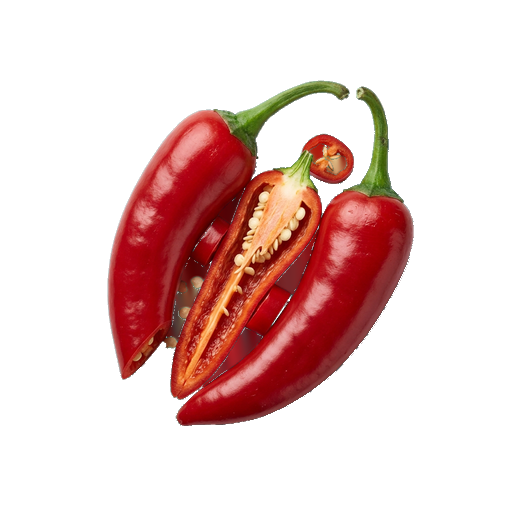
Red bell pepper
Sweet pepper with thick fleshy walls and bright red color has a sweet, slightly fruity taste with a delicate bitterness. Used raw in salads, baked, stewed and added to stews, soups and side dishes. When choosing, prefer firm peppers without dents or wrinkles, and when storing, keep in the refrigerator in a separate compartment to avoid contact with ethylene from other vegetables.
Micronutrients
per 100 g
Minerals
About
Red bell pepper is not just a vegetable, but a multifunctional ingredient that works on several levels at once. When the fruit ripens and becomes bright red, it accumulates maximum sweetness, vitamins, and that very heat which makes the dish vibrant and memorable. In the kitchen, red pepper is equally valued both raw and after processing.
Aroma and Taste
Ripe red pepper smells sweet and slightly herbaceous — an aroma that is immediately recognizable in a salad or in a hot dish. To taste, it's sweet, with a light bitterness on the finish and a mild aftertaste. The flesh is juicy, the walls are thick and meaty, so the pepper holds its shape well when sliced and cooked. It has significantly less heat than hot pepper, but enough to add character to a dish.
Role in dishes
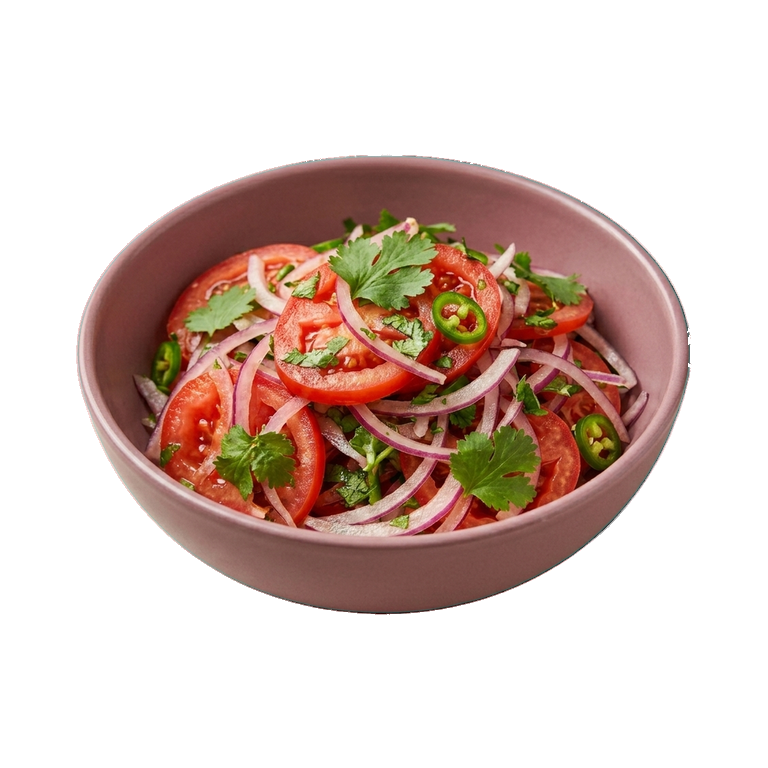
- Raw — the basis for vegetable salads, gazpacho, and appetizers. Red pepper adds color, sweetness, and crunch
- Grilled or roasted — becomes softer, sweetness concentrates, skin peels off easily. Ideal for pastas, sauces, and stuffing
- In stewed dishes and ragus — imparts sweetness to the sauce, softens, but doesn't fall apart if not overcooked
- In soups — adds volume, sweetness, and beautiful color to the broth
- For making pepper powder or paprika — red pepper is dried and ground into flour with a distinctive sweet-spicy flavor
Combinations and Pairs
Red pepper works well with garlic, onions, and tomatoes — this is a classic vegetable trio. It pairs nicely with olive oil, lemon juice, and vinegar. In spicy dishes, its sweetness balances the heat of hot peppers. With meat and fish, pepper serves as an aromatic garnish and sauce base. In Mediterranean cuisine, red pepper is often found alongside eggplant, zucchini, and capers.
Selection and Storage
- Choose peppers with smooth, shiny skin without dents and dark spots
- Peppers should be firm and heavy for their size — this is a sign of juiciness
- Thick, fleshy walls are better than thin ones — they store longer and are more convenient for cooking
- In the refrigerator, red pepper lasts 1–2 weeks in the vegetable compartment
- If you need to store it longer — cut the pepper into strips, freeze on a tray, then pack in a container. It keeps in the freezer for several months
- Dried red pepper in oil is an excellent way to preserve your harvest and get a ready-made ingredient for pastes and appetizers
Practical Tips
If you are roasting peppers in the oven, place them directly on the rack above a baking sheet — this way they cook evenly on all sides. The skin will blister and darken, but this is normal. After cooling, it comes off easily. For salads, cut peppers lengthwise, from the stem to the bottom — this way the pieces turn out beautiful and don't fall apart. Remove the seeds and white membrane inside if you want a milder taste, or leave them for more aroma.
Nutrition
per 100 g
- Calories
- 40 kcal
- Protein
- 1.9 g
- Fat
- 0.4 g
- Carbs
- 8.8 g
Micronutrients
per 100 g
Macronutrients
- Fiber
- 1.158 g
- Water
- 91.93 g
Minerals
- Sodium
- 0 mg
- Potassium
- 212.7 mg
- Calcium
- 6.36 mg
- Magnesium
- 10.98 mg
- Phosphorus
- 26.59 mg
- Iron
- 0.35 mg
- Zinc
- 0.2 mg
- Copper
- 0.04 mg
- Manganese
- 0.13 mg
- Selenium
- 0 mcg
Vitamins
- Vitamin C
- 141.7 mg
- Vitamin B1 (thiamin)
- 0.05 mg
- Vitamin B2 (riboflavin)
- 0.14 mg
- Vitamin B3 (niacin)
- 1.02 mg
- Vitamin B6
- 0.3 mg
Measures and weight
- 1 pcs
- 50 g
Measure calculator
- Weight
- 100 g
- Calories
- 40 kcal