Usuba
Usuba
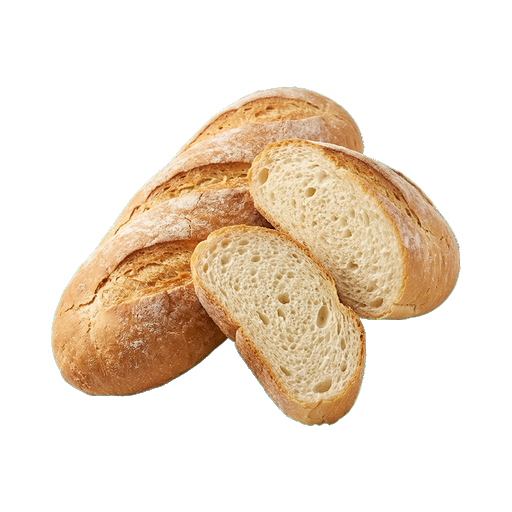
White bread loaf
Baton is a white bread with an elongated shape, featuring a thin crispy crust and soft airy crumb inside. Thanks to its neutral flavor and loose structure, it absorbs sauces well and is suitable for sandwiches, soup garnishes, and stewed dishes. When selecting, pay attention to the elasticity of the crumb — it should quickly return to its original shape after pressing, and the crust should not be too thick or softened.
About
Baton is a white bread with tender crumb and thin crispy crust that has long become a staple product in the kitchen. Its versatility in cooking is explained by a soft structure capable of absorbing sauces and liquids, and a neutral flavor that does not compete with other ingredients. Unlike dense dark bread, baton is easy to slice, dries quickly, and easily transforms into breadcrumbs or croutons.
Texture and taste
The crumb of a baton loaf is porous and airy — this is the result of proper dough fermentation. Thanks to such a structure, the bread absorbs oil, milk, or broth well. The taste is simple and neutral, with barely noticeable sweetness. The crust is thin but crispy enough to provide contrast when bitten, especially if the bread is fresh.
Role in dishes
- Breading base — baton is easily grated or crumbled by hand, giving a uniform breading mixture that adheres well to meat, fish and vegetables
- Garnish for soups and borscht — slices can be dried in the oven or fried in oil, resulting in crispy croutons
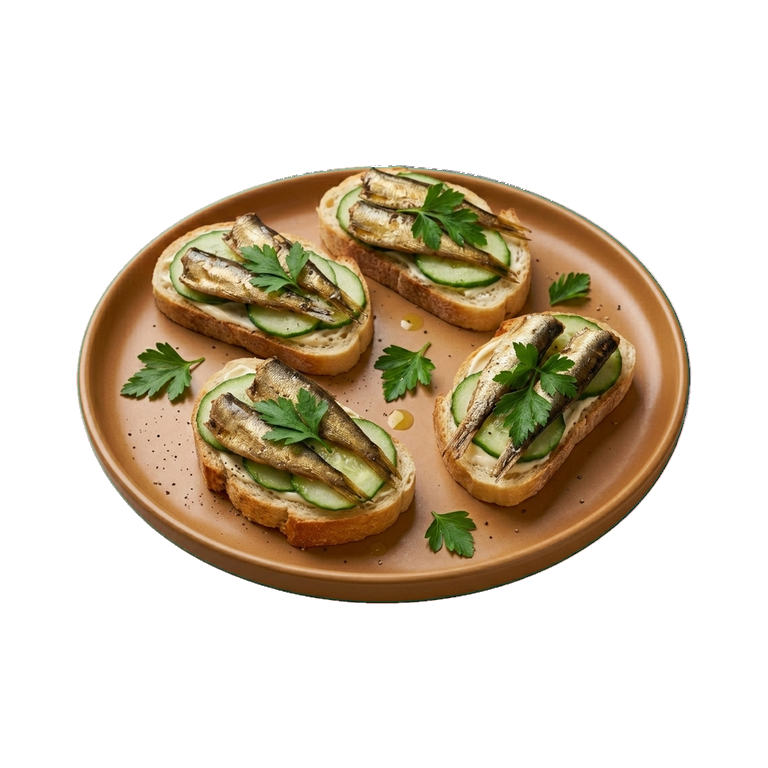
- Base for sandwiches and canapés — soft crumb does not crumble when cutting thin slices
- Ingredient for cutlets and meatballs — soaked baton binds the filling and makes the dish more tender
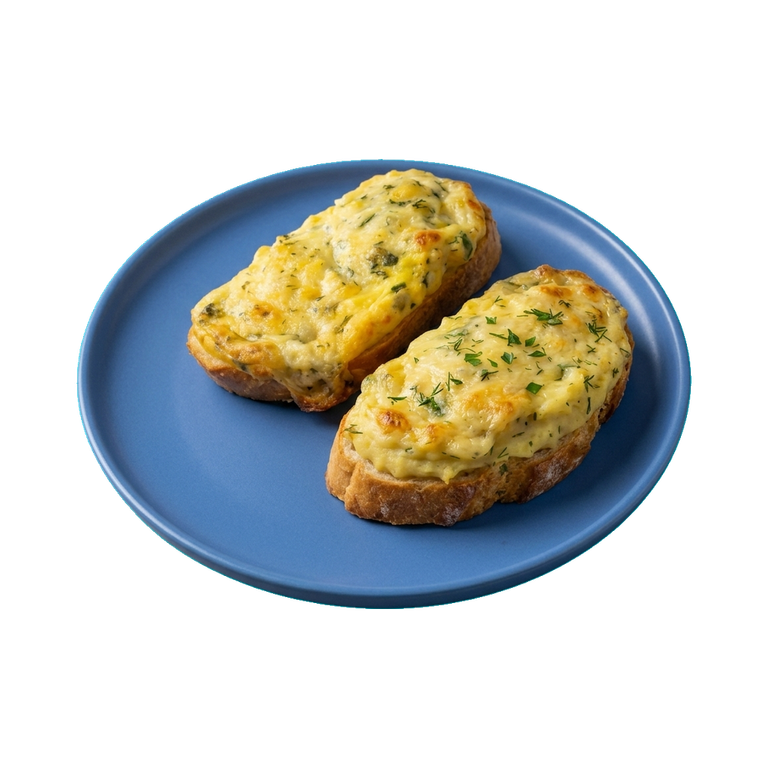
- Base for casseroles and bread puddings — baton absorbs egg mixture and milk well
Combinations with other products
Baton works well with any oils — butter, olive, sunflower. It absorbs the flavors of garlic, herbs, and spices, which is why it is often rubbed with garlic before frying. With meat broths and sauces, baton becomes more expressive while maintaining its own structure. Milk, cream, eggs — baton readily absorbs these ingredients, making it ideal for sweet and savory casseroles.
Selection and Storage
Choose a baton with a smooth, evenly colored crust without dark spots or dents. When pressed, the bread should spring back slightly rather than leave an indent. Fresh baton has a light bread aroma without any sourness. Store the baton at room temperature in a bread box or plastic bag — this keeps it soft longer. Sliced baton dries out faster, so slice it just before use. If the baton starts to go stale, you can spray it with water and warm it in the oven for a few minutes — the bread will regain its softness.
An old baton is not waste. Grated on a grater or cut into cubes and dried in the oven, it becomes an ideal breadcrumb coating or base for croutons. Even slightly stale baton absorbs liquid better, which is useful when preparing meatballs or casseroles.
Nutrition
per 100 g
- Calories
- 260 kcal
- Protein
- 8 g
- Fat
- 2.9 g
- Carbs
- 50.6 g
Measures and weight
- 1 pcs
- 350 g
- 1 slice
- 25 g
Measure calculator
- Weight
- 100 g
- Calories
- 260 kcal