Usuba
Usuba
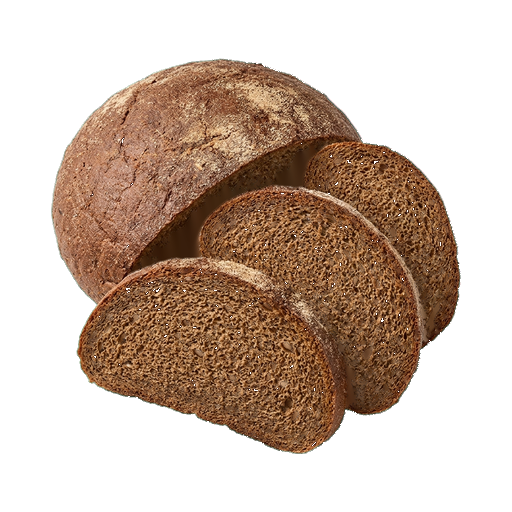
Black bread
Dense bread with a dark crust, made from rye or mixed rye-wheat flour, featuring a rich, slightly tangy flavor and pronounced aroma. In cooking, it is used for sandwiches, appetizers, and as a standalone side dish to soups and borscht, pairs well with butter, sausage, and cheese. When selecting, pay attention to the elasticity of the crumb and absence of mold, and when storing, keep the bread in a cool place as it stales faster than white bread.
About
Black bread is not just a baked good, but the foundation of many dishes and a complete source of satiety on the table. Its dense crumb, rich flavor, and characteristic aroma make it indispensable in the kitchen. Unlike white bread, black bread absorbs moisture more slowly, retains freshness longer, and holds its shape better when sliced — this is important when you need even slices for sandwiches or croutons.
Taste and Aroma
Black bread has a deep, slightly bitter taste with malty notes. This is the result of prolonged fermentation and the use of rye flour, which contains more sugars than wheat flour. When heated — in toast or croutons — these notes become more pronounced, and a pleasant caramel sweetness appears. The aroma is rich, with a bread body, capable of filling the entire kitchen.
Role in dishes
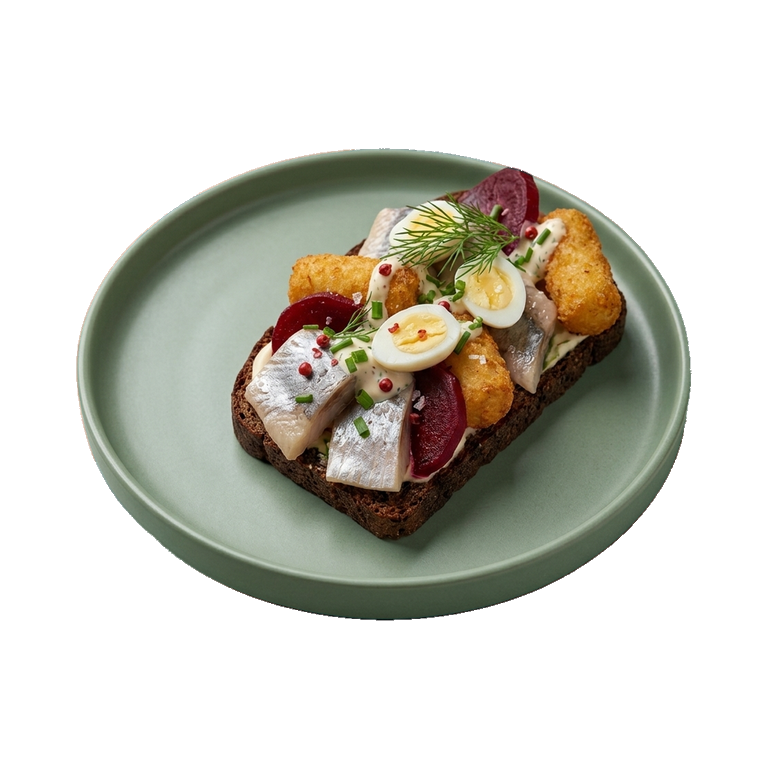
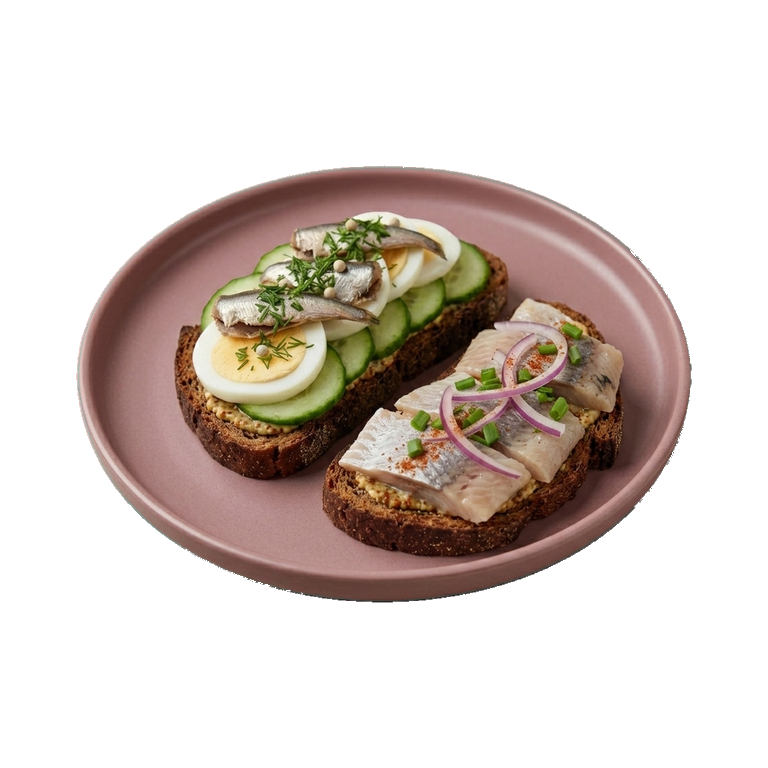
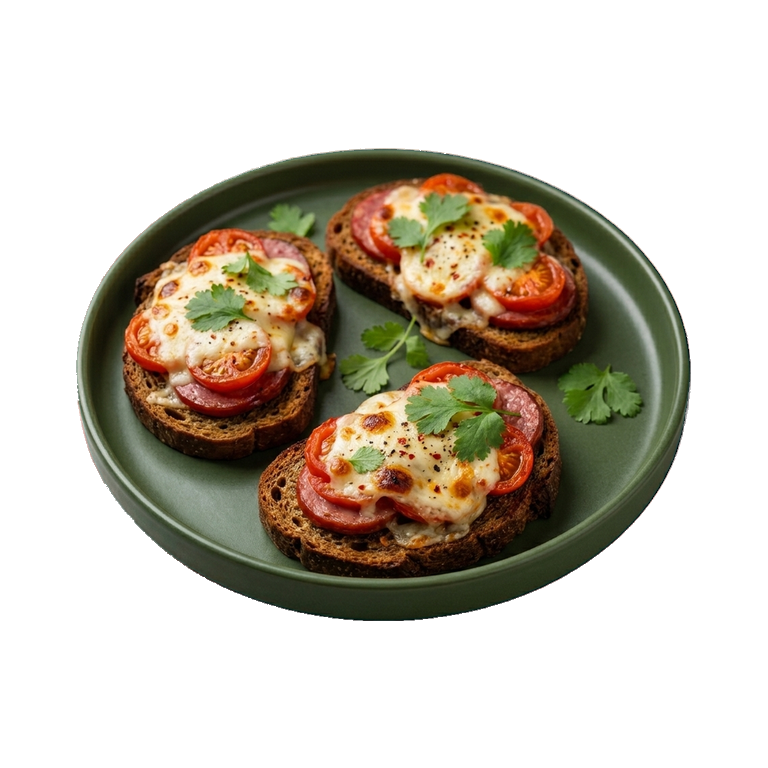
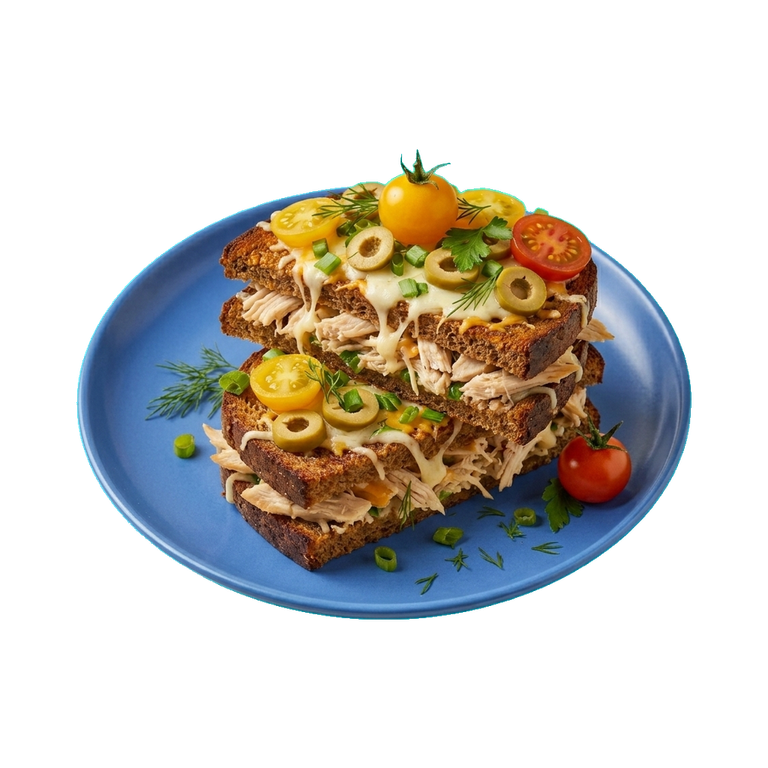
Black bread is versatile. It is ideal for open sandwiches with butter, cheese, sausage, or fish — its dense structure doesn't get soggy under fillings. Diced, it becomes the base for croutons to accompany soups and salads. Black bread works well as a breading for cutlets, can be soaked in milk for minced meat, and its crumbs are used in the preparation of bread kvass.
Pairings and Uses
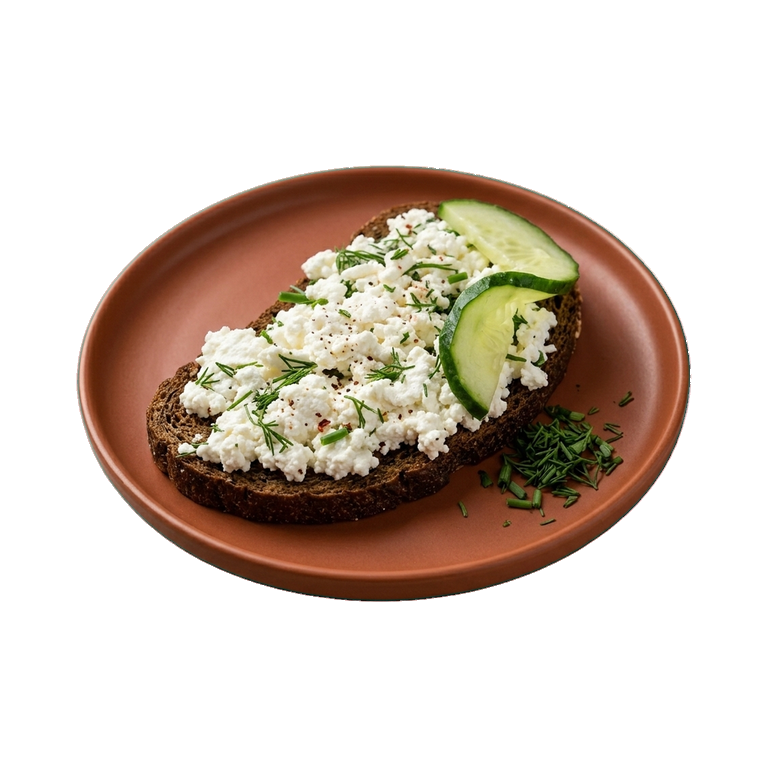
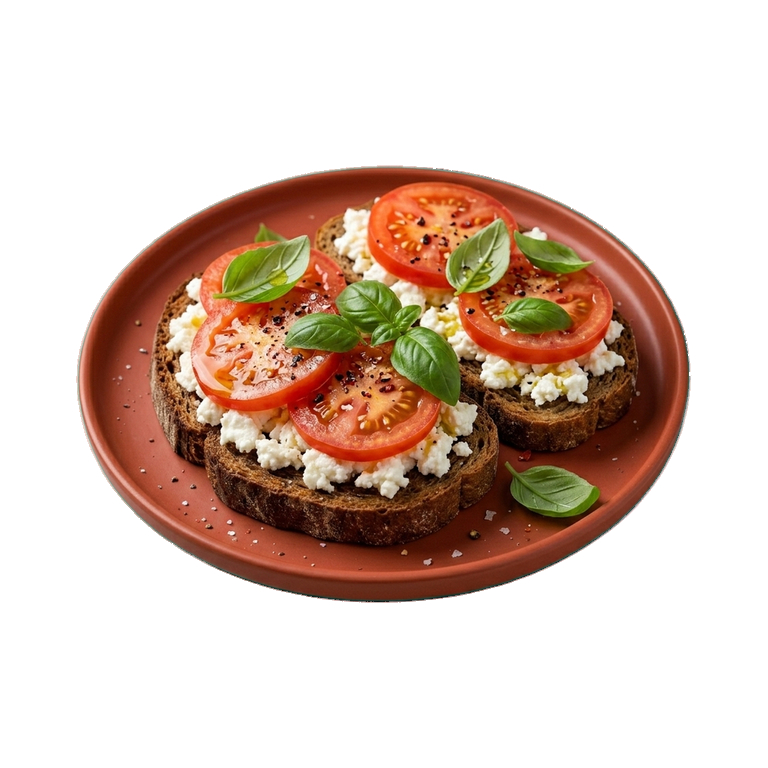
- Cold appetizers: smoked fish, herring, pâtés, cottage cheese spreads
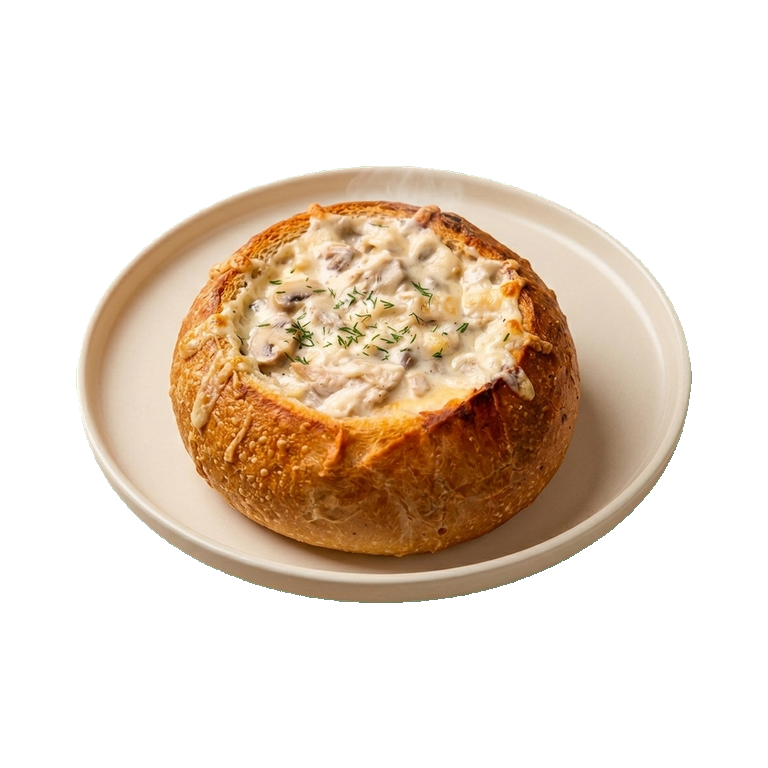
- Hot dishes: shchi, borscht, mushroom soup — black bread maintains its structure in liquid
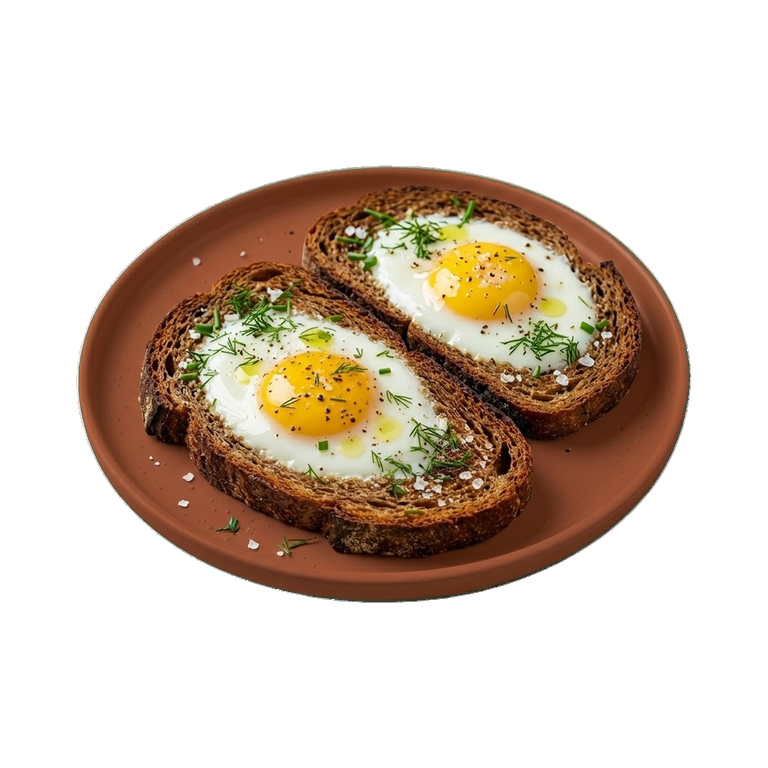
- Breakfasts: avocado toast, eggs, cottage cheese or honey
- Side dishes: croutons for salads, breading for meat and fish
- Beverages: base for homemade kvass and bread drink
Selection and Storage
When choosing black bread, pay attention to its weight and density — quality bread should not be light or overly dry. The crust should be dark, but not burnt. If the bread is soft and springs back when pressed, that's a good sign. Smell it — the aroma should be pleasant, bread-like, without any musty or sour notes.
Black bread lasts longer than white bread due to its dense structure. At room temperature in a breadbox or linen bag, it stays fresh for 3–4 days. In the refrigerator, the shelf life is extended, but bread may absorb odors. Freezing is an ideal option: slice the bread and place it in the freezer, taking out pieces as needed. A frozen slice easily turns into toast or a crouton straight from the freezer.
Black bread is a product that reveals itself through contrast: its slight bitterness emphasizes the sweetness of fillings, while its density creates an ideal balance with delicate pâtés and butters.
Nutrition
per 100 g
- Calories
- 250 kcal
- Protein
- 7.5 g
- Fat
- 2 g
- Carbs
- 48 g
Measures and weight
- 1 pcs
- 500 g
- 1 slice
- 25 g
Measure calculator
- Weight
- 100 g
- Calories
- 250 kcal