Usuba
Usuba
Brandy
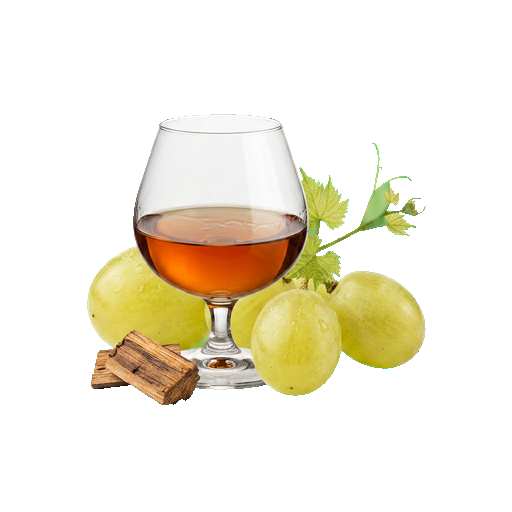
A strong distilled spirit obtained through the distillation of grape wine or fruit juices. It is characterized by a smooth, warming taste with fruity and oak notes, depending on aging and origin. In cooking, it is used for deglazing pans, preparing sauces, marinades, and desserts, adding depth and complexity of flavor to dishes.
About
Brandy is a strong spirit obtained by distilling wine or other fruit beverages. In cooking, it works not just as an alcohol, but as an aromatic component that adds depth, warmth, and complexity to dishes. When brandy enters a hot dish, the alcohol evaporates, leaving behind a rich, slightly sweet flavor with notes of vanilla, oak, and ripe fruits.
Aroma and Flavor Profile
Brandy smells like ripe pears, apples, and apricots, but with undertones of wood and light caramel. The taste is rounded, not sharp, with pleasant sweetness and a soft warming aftertaste. This makes it ideal for dishes where you need to add elegance without aggression — unlike more harsh spirits.
How to use in cooking
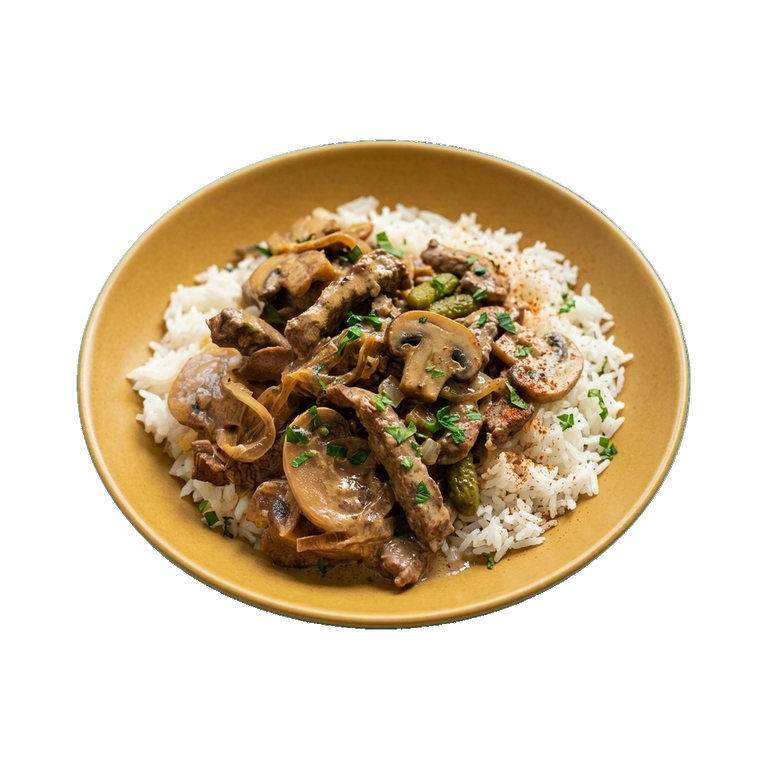
- Deglazing the pan — after searing meat or poultry, add brandy to dissolve the brown bits on the bottom. You'll get a base for a sauce with deep flavor
- Marinades — brandy softens meat fibers and gives it a noble taste. Especially good in marinades for beef and game
- Sauces and gravies — add at the end of cooking to cream or meat sauces to give them roundness and aroma
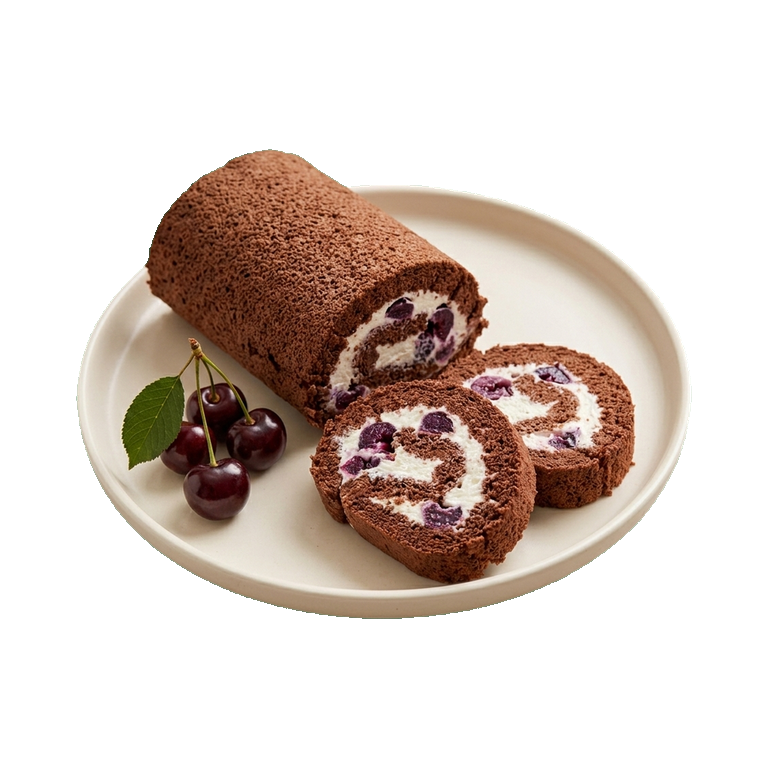
- Desserts and compotes — brandy enhances fruity notes in stewed fruits, puddings and creams
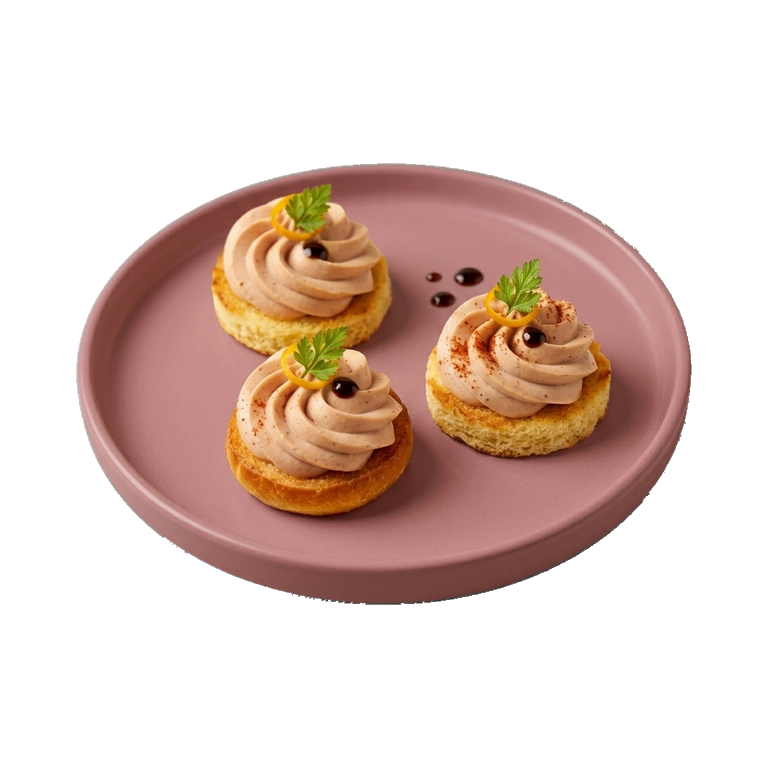
- Pâtés and terrines — a few spoonfuls of brandy preserves and enriches the flavor
Pairings and Harmonies
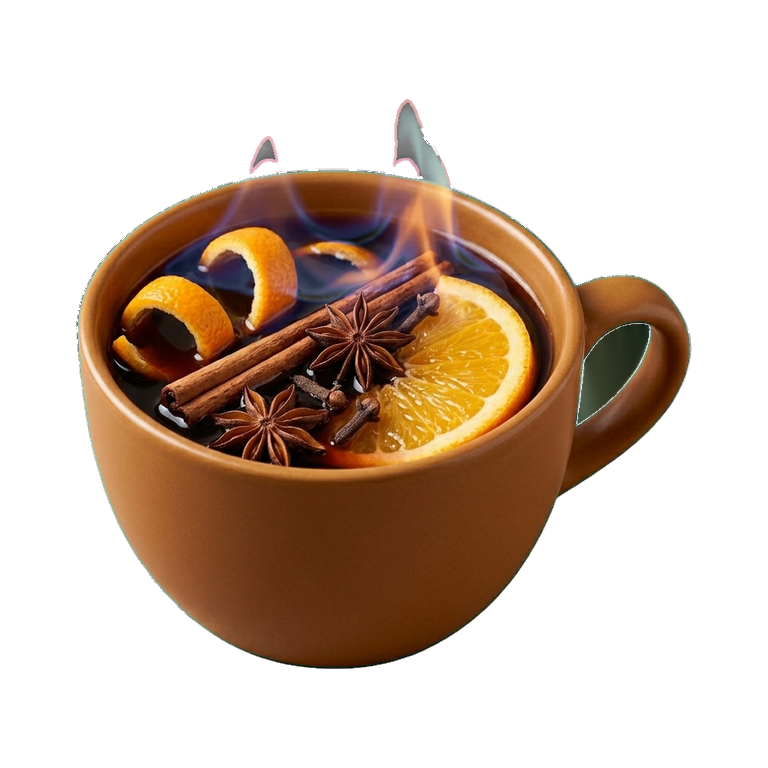
Brandy pairs well with classic spices: black pepper, nutmeg, clove, and cinnamon. It works great with meat (especially game and beef), mushrooms, shallots, and cream. If you're adding brandy to fruits, choose pears, apples, and plums — they'll enhance each other. With hot spices and fiery sauces, brandy is less successful: its delicate character will be lost against their backdrop.
Selection and Storage
For cooking, you don't need an expensive brandy — a mid-range option will work. What's more important is to make sure it's actually brandy, not flavored alcohol. The label should say «brandy» or «cognac» (if it's a French version). In cooking, they are interchangeable, although cognac is more expensive and can be saved for a drink.
Brandy keeps well for a long time — alcohol preserves it. Store in a dark, cool place, away from direct sunlight. An opened bottle can be used for several months without loss of quality. If you need just a small amount for one dish, you can find a mini bottle — it won't take up much space in the kitchen and won't sit open for long.
Practical tip
Always add brandy to a hot dish and let it simmer for 1–2 minutes. This will allow the alcohol to evaporate and the aroma to develop. If you simply pour cold brandy into a cold dish, it will remain harsh and unpleasant.
Nutrition
per 100 ml
- Calories
- 240 kcal
- Protein
- 0 g
- Fat
- 0 g
- Carbs
- 0.1 g
Measures and weight
- 1 tbsp
- 13.1 g
- 1 tsp
- 4.3 g
- 1 cup
- 217.5 g
Measure calculator
- Weight
- 100 g
- Calories
- 276 kcal