Usuba
Usuba

Chinese Five Spice Powder
An aromatic blend of star anise, cloves, cinnamon, Sichuan pepper, and fennel seeds that creates a deep, slightly sweet, and piquant flavor with notes of licorice. This seasoning is versatile for marinades, stewed dishes, duck, pork, and even desserts, imparting a characteristic Asian flair. When using, remember that the blend is quite aromatic, so add it gradually, starting with small amounts, to avoid overpowering the main flavor of the dish.
About
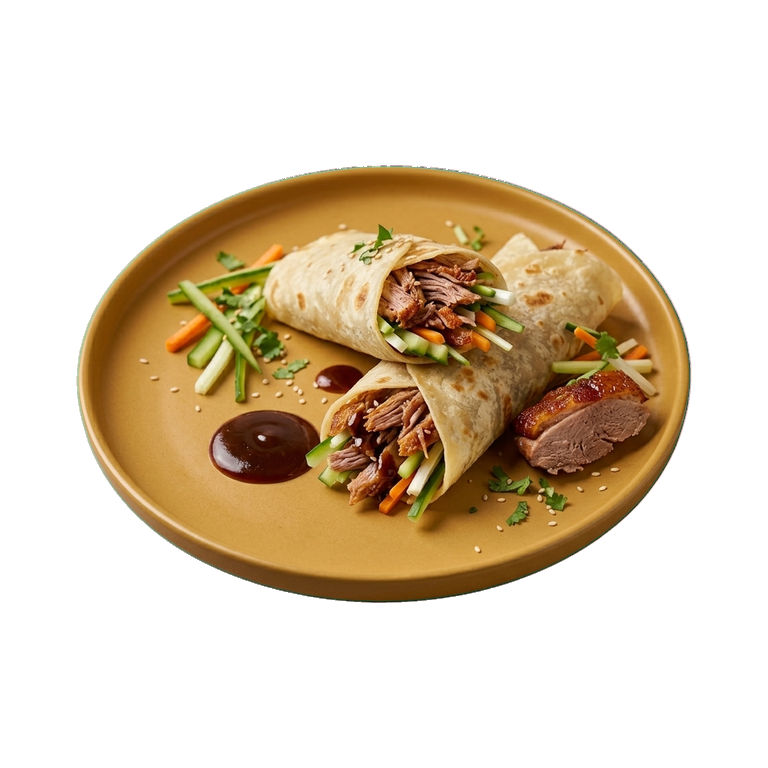
"Five spices" is a ready-made blend that appears in Asian cuisine more often than it might seem at first glance. It's added to marinades for meat, sprinkled on fried poultry, and mixed with salt for dipping. The blend works as a universal enhancer that doesn't overpower but rather emphasizes the natural flavor of the ingredient. If you've ever eaten Peking duck or Chinese pork with crispy skin — you're already familiar with this aroma.
What's inside and how does it smell
The composition varies, but the classic formula includes star anise, cloves, cinnamon, Sichuan pepper, and fennel seeds. Each component brings its own character: anise provides a sweet note with a licorice undertone, cloves contribute warmth and a subtle bitterness, cinnamon adds soft sweetness, Sichuan pepper brings a tingling sharpness and floral notes, and fennel imparts a delicate, almost herbal aroma.
On the palate, the blend is perceived as a complex, multi-layered taste — simultaneously sweet and spicy, warm and fresh. It is not a spicy seasoning in the classical sense, but rather an aromatic base that creates a recognizable Asian flavor profile for the dish. The intensity depends on the quality of the components and their proportions in the blend.
Where and how to use it
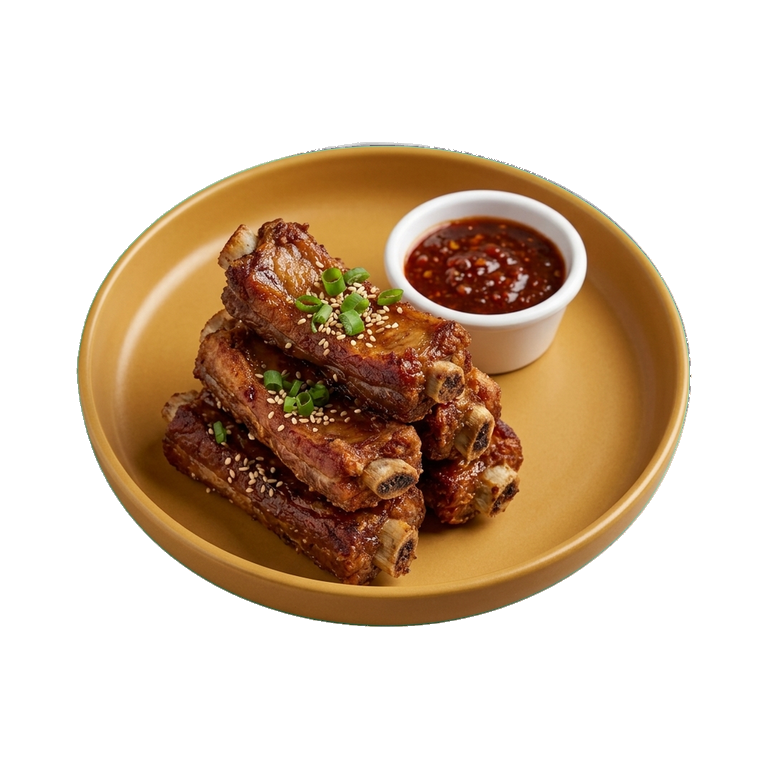
Classic use is with meat. Rub the mixture on duck before baking, add it to a marinade for pork or beef, sprinkle it on fried chicken before serving. But the possibilities don't end there.
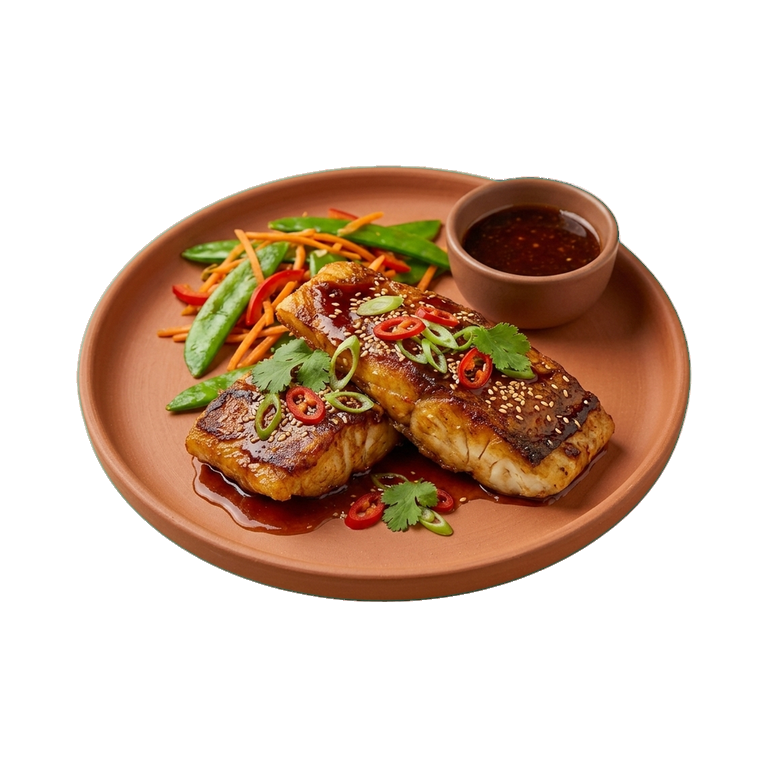
- Seafood: shrimp, squid, fish — the blend emphasizes their delicate flavor without overpowering it
- Vegetables: fried broccoli, carrots, mushrooms get an Asian accent with a pinch of spice
- Sauces: mix with butter for sandwiches, add to soy sauce or ketchup
- Baking and desserts: in small amounts works in cookies, gingerbread, even in hot chocolate
- Seasoning blends: mix with salt for dipping fried meat or fish
The main rule is to add sparingly. The mixture is concentrated, and even a quarter teaspoon can change the character of the dish. If you're cooking for the first time, start with a very small amount and build up to taste.
Pairings and neighbors
"Five spices" works well with soy sauce, ginger, garlic, and sesame oil — this is a classic Asian duo. But it doesn't conflict with European ingredients either: you can add it to beef stew, sprinkle it on fried potatoes, or mix it with olive oil for a marinade.
If the dish already contains other spices — for example, cardamom or black pepper — be cautious: the mixture may create an excess of flavors. It's better to choose just one or have a very good understanding of how they interact.
How to Choose and Store
Buy the mixture in a sealed package, checking the packaging date. Fresh mixture has a bright, rich aroma — if the smell is dull or musty, it's a sign that the spice has lost its volatile oils. The color should be brownish-red, without lumps or foreign inclusions.
Store in a tightly sealed glass jar in a dark, cool place — away from the stove and direct sunlight. With proper storage, the mixture remains fragrant for 6–8 months. If you cook often, you can buy a small quantity and replenish your supply regularly to always have a fresh mixture on hand.
An alternative to a ready-made mix is to prepare it yourself if you have whole spices and a coffee grinder. This way you control the proportions and are guaranteed to get a fresh product, but it requires more time and effort.
"Five Spices" is not exotic, but a practical tool that expands your culinary repertoire. One jar can transform dozens of dishes, from classic Asian recipes to unexpected experiments. Start small — and you'll quickly find your own way to use it.
Nutrition
per 100 g
- Calories
- 338 kcal
- Protein
- 10.5 g
- Fat
- 8.7 g
- Carbs
- 68.5 g
Measures and weight
- 1 tbsp
- 9.8 g
- 1 tsp
- 3.3 g
- 1 cup
- 162.5 g
Measure calculator
- Weight
- 100 g
- Calories
- 338 kcal