Usuba
Usuba
Cornichons
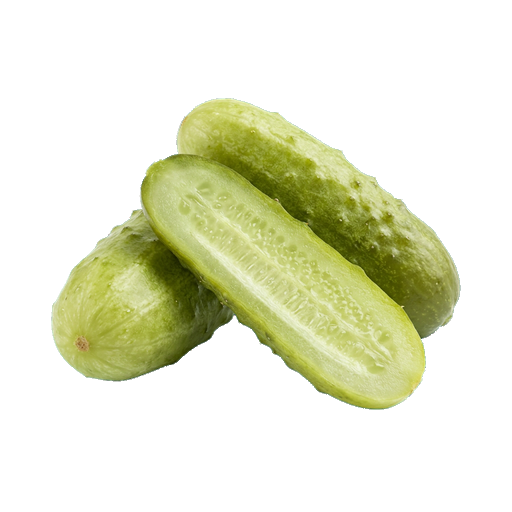
Cornichons are small cucumbers harvested at an early stage, typically 5–9 centimeters in length. They are characterized by crisp flesh, thin skin, and minimal seeds, making them ideal for pickling and preserving. When selecting, look for firm specimens without soft spots; in cooking, they are used as an appetizer, salad topping, or garnish for meat dishes, and thanks to their compact size, they quickly absorb marinade while maintaining their crunch.
About
Cornichons are small crispy cucumbers that are picked from the bush at the very beginning of ripening. Their size rarely exceeds 5–9 centimeters, and the skin remains tender and thin. It is this miniature size and delicate nature that makes cornichons so valuable for pickling: they absorb the brine evenly, retain their firmness, and look appetizing on the table.
Taste and texture
A fresh cornichon crunches between your teeth and has a light, clean cucumber flavor without bitterness. When you pickle it with dill, garlic, and spices, it absorbs these aromas but remains firm — it doesn't become soft like a regular canned cucumber. This is the key difference: cornichons hold their shape and crunch even after months of storage.
Where to use
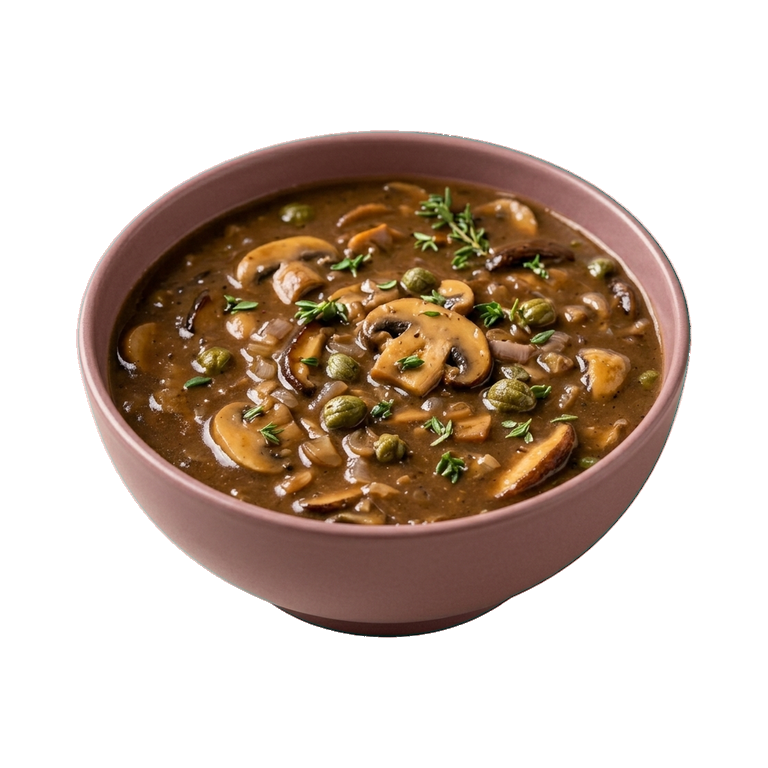
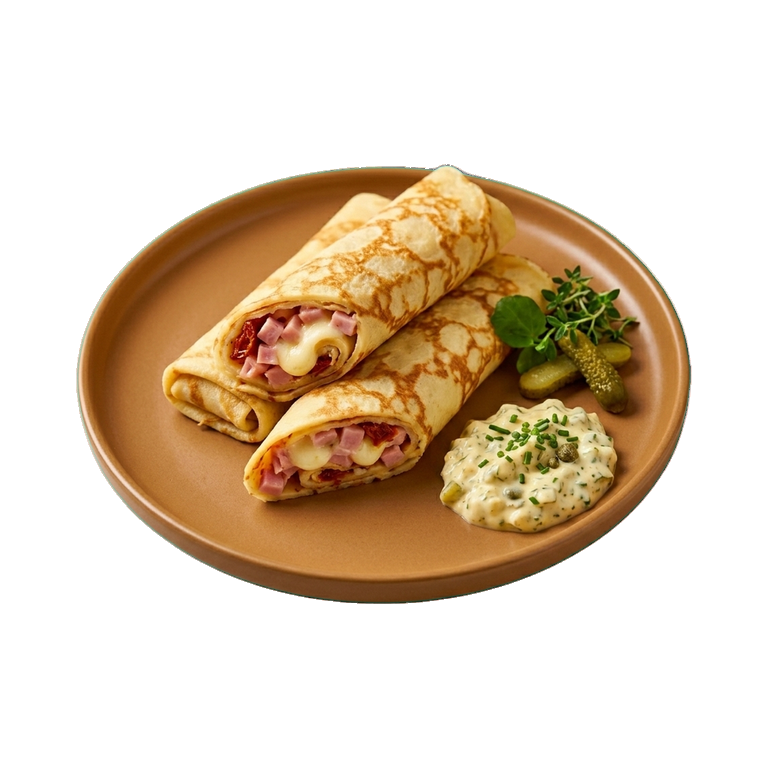
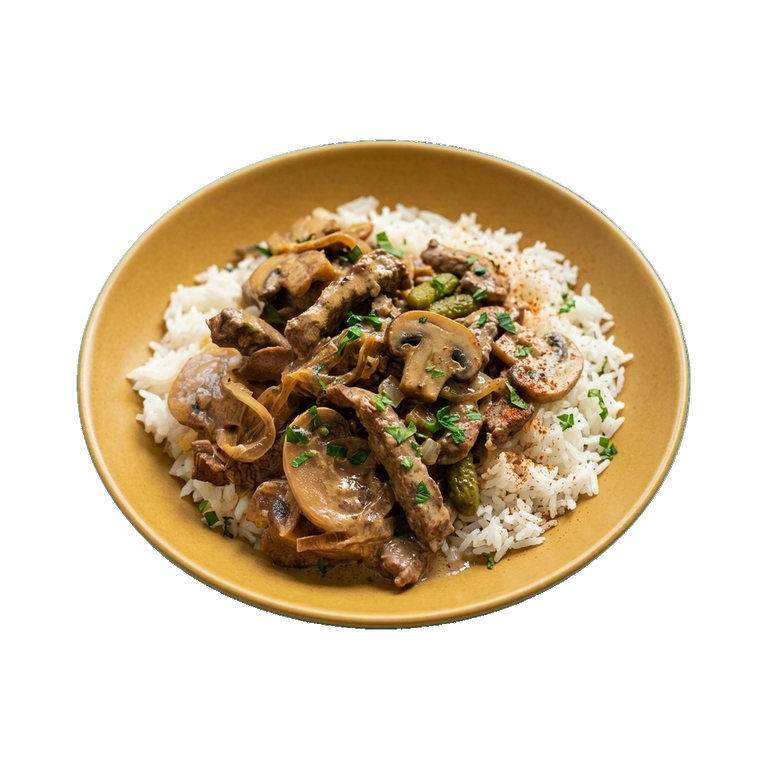
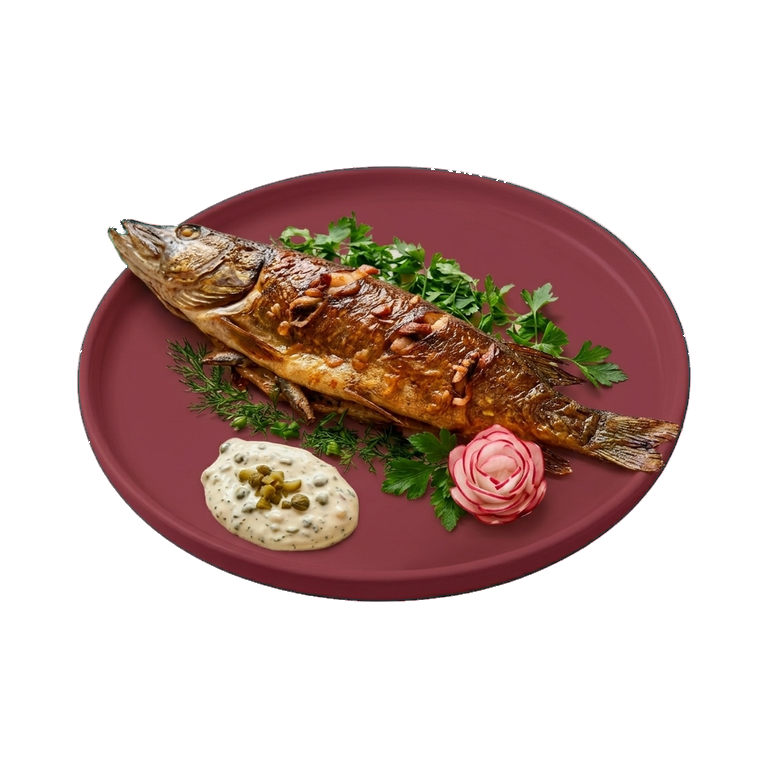
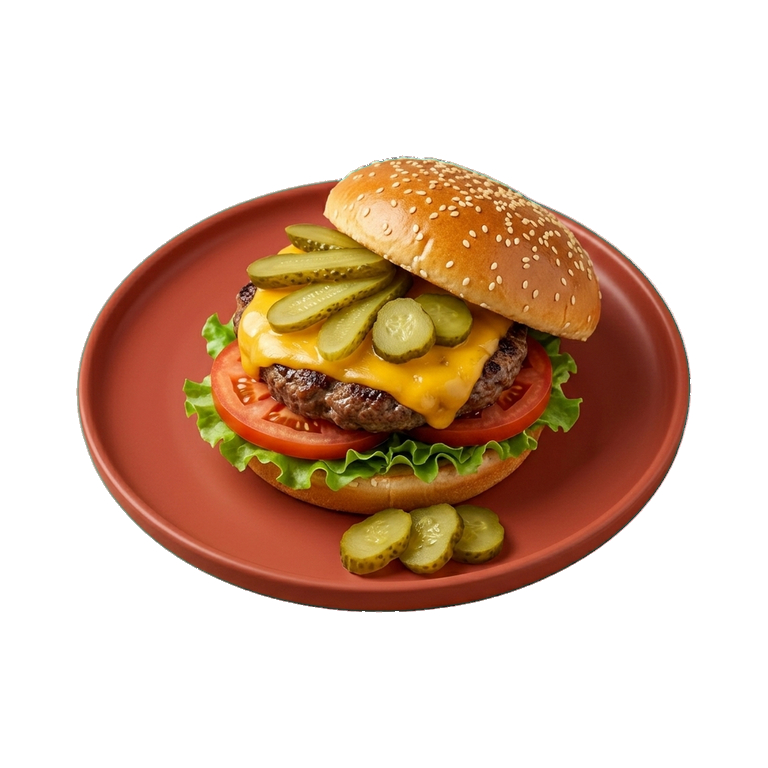
Marinated cornichons are a versatile appetizer. They go well with cold meat, sausages, and cheese on a charcuterie board. Add them to salads whole or slice them for vinaigrettes and olivier salad. Finely chopped, cornichons make an excellent sandwich filling and base for sauces like tartar sauce.
- Appetizer for meat and fish
- Component of cold salads
- Side dish for hot dishes
- Base for sauces and relishes
- Garnish on a cheese board
Selection and Storage
When buying canned cornichons, pay attention to the clarity of the brine — it should be clean, without cloudiness or flakes. The cucumbers themselves should be a uniform green color, without soft spots. If you are canning cornichons at home, choose the youngest, densest fruits with thin skin.
Store an open jar in the refrigerator — pickled cornichons keep for several weeks provided you use a clean fork to extract them. Closed jars should be kept in a cool dark place for a year or longer. If you prepare them yourself, sterilize the jars and follow the salt and vinegar proportions — this ensures safety and long-term storage.
Pairings
Cornichons work well with spicy and salty foods: they balance the richness of meat and sausages, complement the piquancy of mustard and horseradish. Next to delicate creamy sauces, they add the necessary tanginess and freshness. On the table, they go alongside cheese, ham, smoked meats, aspic — in short, with everything that requires contrast.
- Sliced meats and sausages
- Hard and semi-hard cheeses
- Mustard, horseradish, hot sauces
- Smoked meats and aspic
- Potato and meat salads
The small size of cornichons is their main advantage. They are convenient to use, look beautiful on a plate, pickle quickly, and keep well. If you haven't made them at home yet, try it: the process is simple, and the result is always pleasing.
Nutrition
per 100 g
- Calories
- 16 kcal
- Protein
- 1.1 g
- Fat
- 0.1 g
- Carbs
- 2.8 g
Measures and weight
- 1 pcs
- 55 g
- 1 can
- 350 g
Measure calculator
- Weight
- 100 g
- Calories
- 16 kcal