Usuba
Usuba
Cornmeal
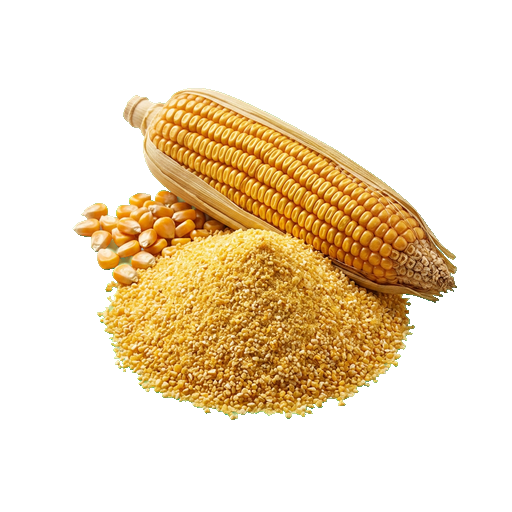
Cornmeal is a fine powder of dried corn kernels with a neutral, slightly sweet taste and soft consistency. It is gluten-free and commonly used in baking, porridge, polenta, and as a thickener for sauces, giving dishes a golden color and characteristic texture. When substituting wheat flour, keep in mind that cornmeal absorbs more liquid and does not form gluten, so baked goods become more crumbly and require adding a binding agent.
About
Cornmeal is one of the most versatile ingredients in the kitchen. It works everywhere: in bread and baking, in breading, in porridge and even in sauces. Its main advantage is that it doesn't require gluten and gives a completely different texture than wheat flour. If you're looking for a way to diversify your recipes or cooking for people with gluten intolerance, cornmeal will be your faithful helper.
Taste and Aroma
Cornmeal has a soft, slightly sweet taste with a barely perceptible grain note. The aroma is unobtrusive but recognizable — exactly the kind you feel when cooking fresh corn. This allows it to fit into sweet dishes without overpowering other ingredients, and at the same time work in non-sweet recipes, adding depth of flavor.
Cornmeal is coarser in texture than wheat flour — it has a grainier consistency. This affects the structure of the finished dish: baked goods become more crumbly and slightly more fragile, and breading becomes crispy. When mixing cornmeal with wheat flour, you get an ideal balance between crispiness and softness.
Where to use it
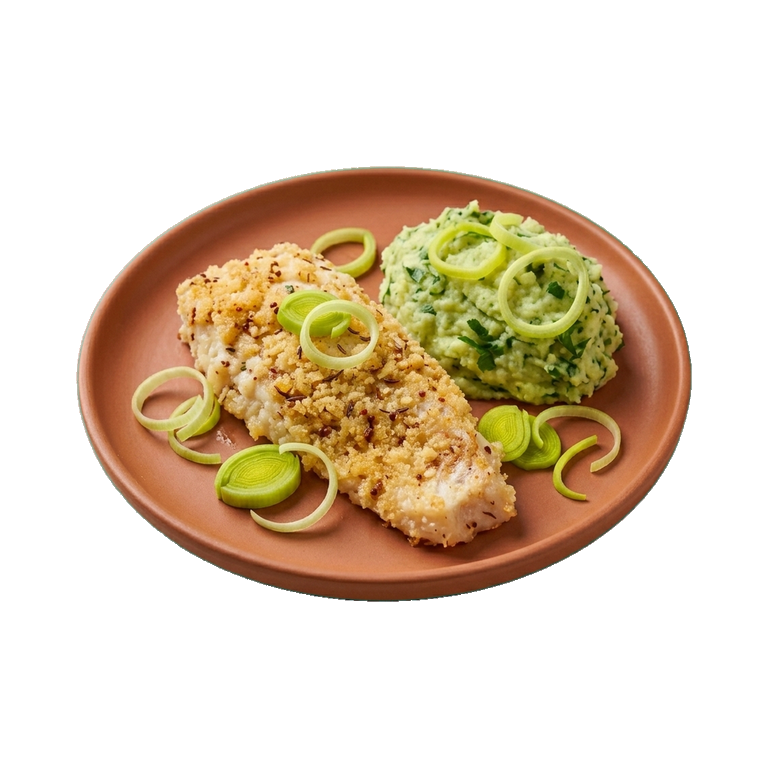
- In breading for fish, chicken and vegetables — gives a golden crust and pleasant crunch
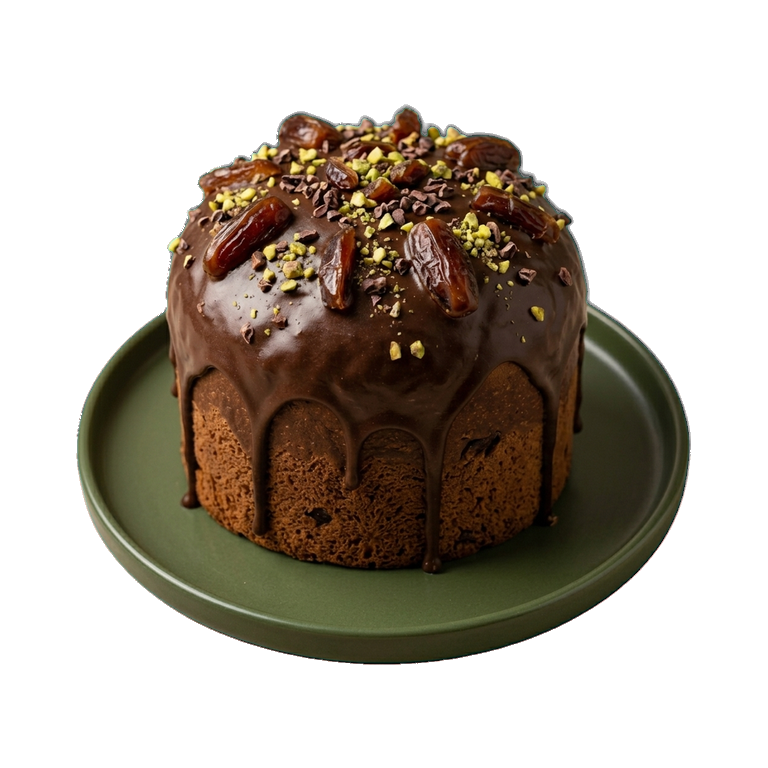
- In cornbread and muffins — adds fluffiness and tender crumbly crumb
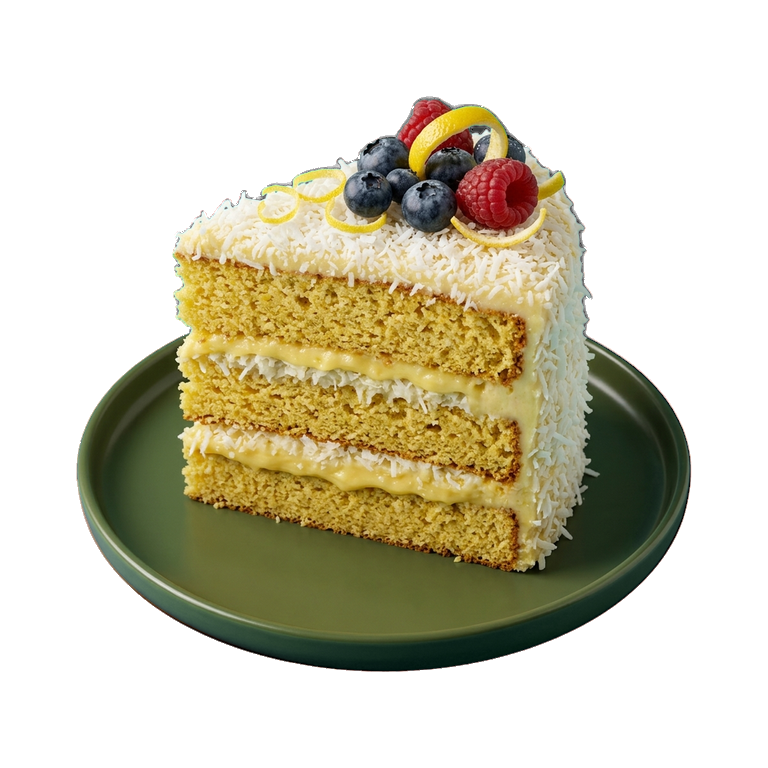
- In cookies and pies — when mixed with wheat flour, creates a more interesting texture
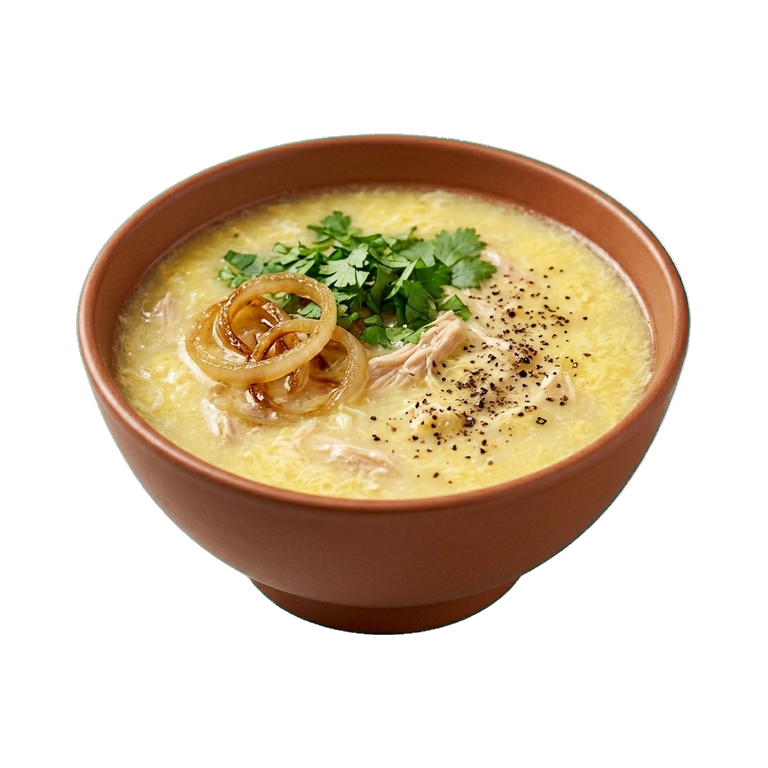
- In polenta and porridges — main ingredient that is cooked in broth or milk
- In sauces and gravies — as a thickener instead of starch
- In pancakes and fritters — adds sweetness and unusual texture
How to Choose and Store
When purchasing, pay attention to the color — good cornmeal should be bright yellow or cream-colored, without gray or brown spots. Check the packaging date: flour can become rancid over time, especially if it contains corn oil. The smell should be fresh, grainy, without any mustiness.
Store cornmeal in an airtight container in a cool, dark place — a cabinet away from the stove is ideal. Under these conditions, it will retain its quality for several months. If you live in a hot climate or don't plan to use the flour often, it's better to keep it in the refrigerator or freezer — this will extend its shelf life to a year.
Practical Tips
- If the recipe requires only wheat flour, replace a quarter of the volume with cornmeal — the baking will become more interesting, but won't fall apart
- For breading, mix cornmeal equally with wheat flour and add salt, pepper and your favorite spices
- When cooking polenta, stir constantly to prevent lumps from forming — add flour in a thin stream into boiling liquid
- Cornmeal absorbs liquid differently than wheat flour, so recipes may require slightly more liquid
Nutrition
per 100 g
- Calories
- 362 kcal
- Protein
- 8.6 g
- Fat
- 3.9 g
- Carbs
- 74.3 g
Measures and weight
- 1 tbsp
- 9.3 g
- 1 tsp
- 3.1 g
- 1 cup
- 155 g
Measure calculator
- Weight
- 100 g
- Calories
- 362 kcal