Usuba
Usuba
Dark chocolate
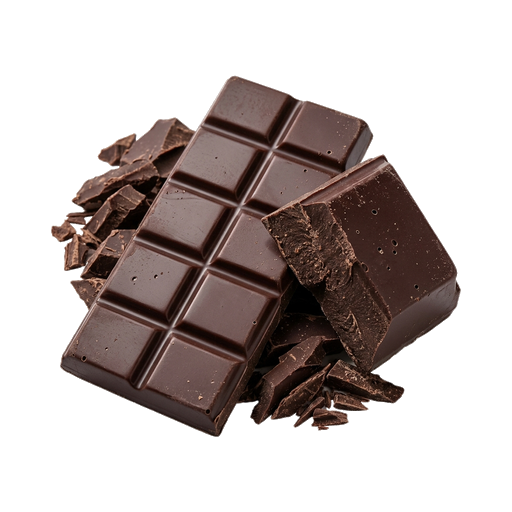
Dark chocolate is a cocoa product with high cocoa butter and cocoa solids content, without milk addition, featuring a slightly bitter taste and rich aroma. It is used both in confectionery and in main dishes — from meat sauces to dark glazes and mousses. When choosing, pay attention to the cocoa percentage: the higher it is, the more intense the bitterness; for baking, 50–70% is suitable, while for desserts and beverages you can choose a more bitter variant with 70% cocoa and above.
About
Dark chocolate is not just a sweet treat, but an ingredient with character. The higher the cocoa content, the more intense its flavor and the less sugar in the composition. This makes it a versatile helper both in desserts and in savory dishes where depth and bitterness are needed.
Aroma and Flavor
The flavor profile of dark chocolate depends on the cocoa percentage. At 50–60% it is milder, with noticeable sweetness and subtle bitterness. At 70–85% a pronounced bitterness emerges, along with fruity and nutty notes, sometimes even a smoky hint. Above 90% — this is almost pure cocoa paste with minimal sugar, for experienced enthusiasts.
- 50–60%: sweet, mild, suitable for beginners and baking
- 70–75%: balance of bitterness and sweetness, versatile for cooking
- 80–90%: intense, for sauces and hot chocolate
- 90%+: pure cocoa flavor, for garnishes and decoration
Role in Dishes
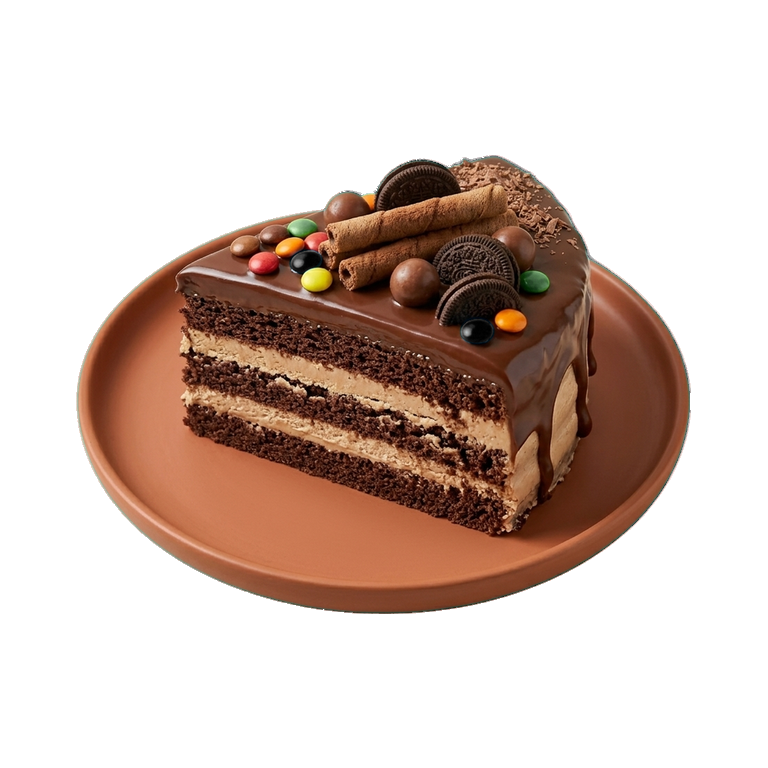
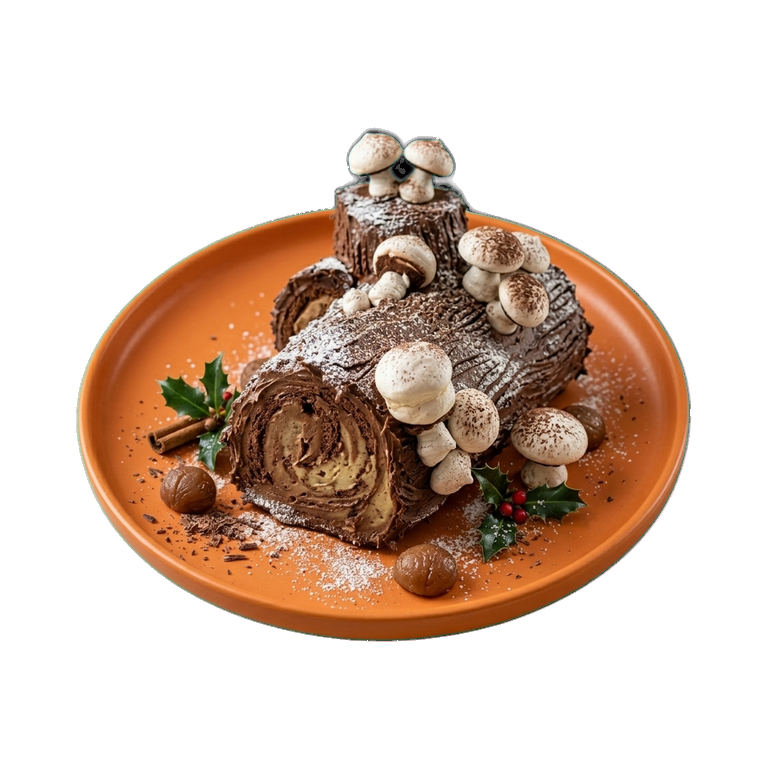
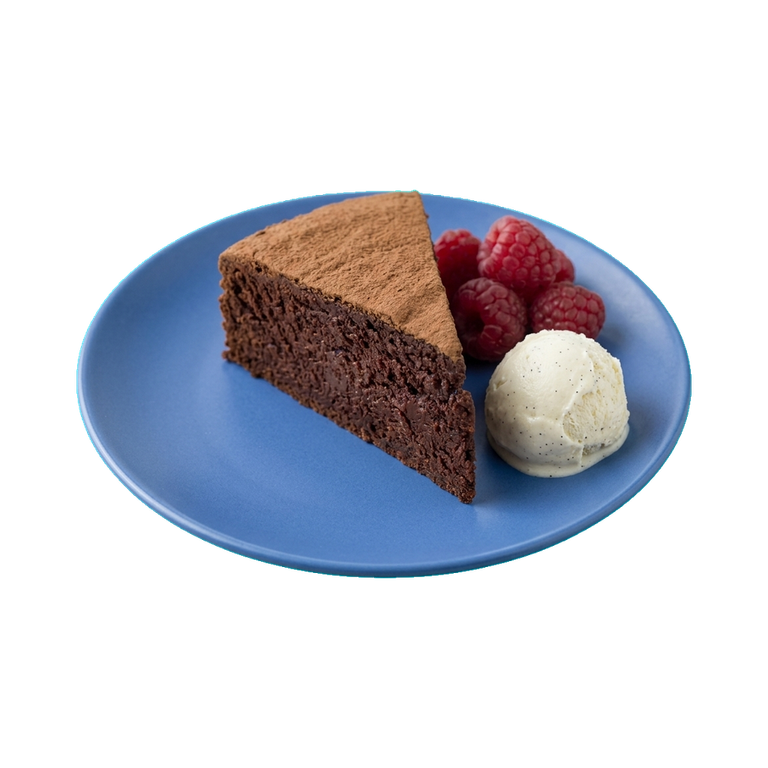
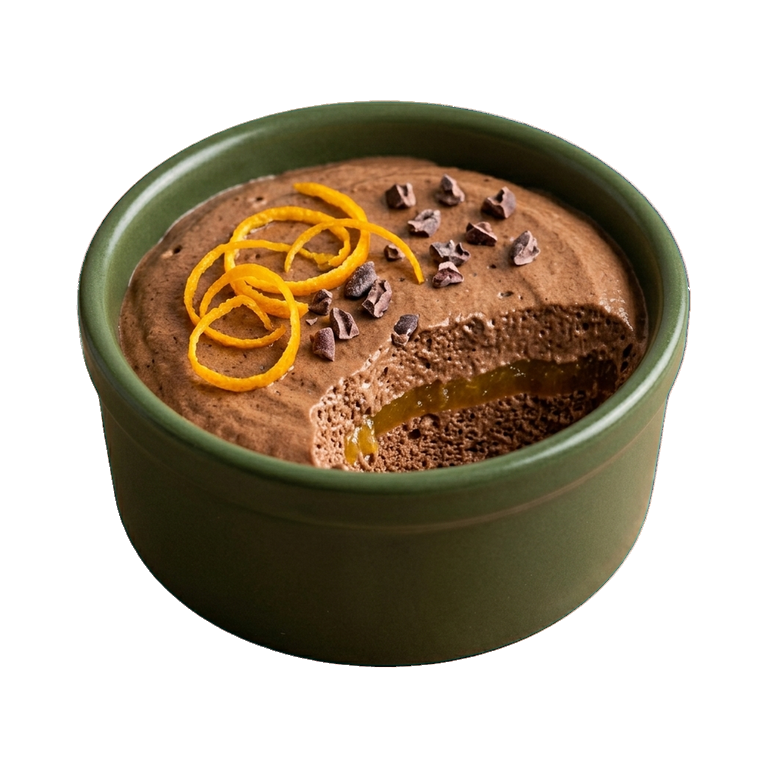
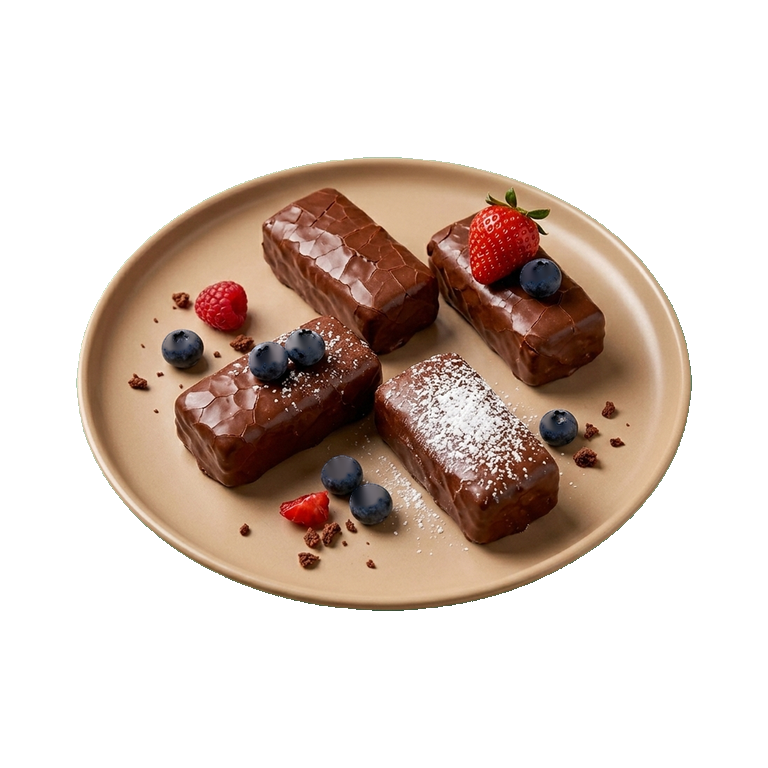
In baking, dark chocolate works as a flavor enhancer. It makes brownies more expressive, adds depth to cookies, enriches the dough. In sauces and glazes it serves as a base: its bitterness contrasts with sweetness and richness, creating balance.
Don't forget about savory applications. Dark chocolate works well in meat sauces for game or beef — the bitterness emphasizes umami, and cocoa adds roundness to the flavor. A pinch of grated dark chocolate in hot chili pepper or Mexican mole is a classic move.
Pairings
- With spices: cinnamon, cardamom, chili pepper, clove
- With fruits: orange, raspberry, cherry, pear
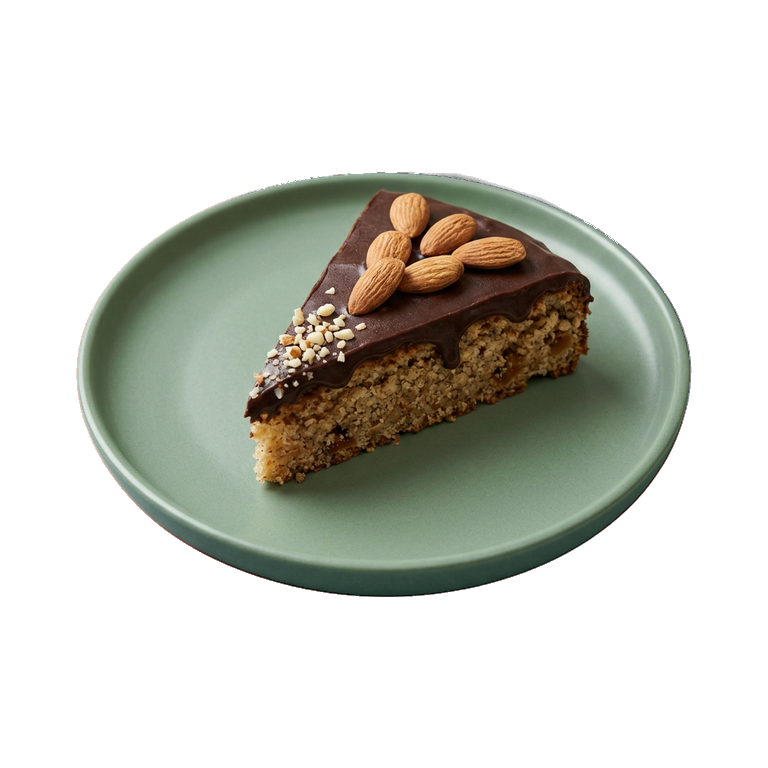
- With nut butters: peanut, almond, hazelnut
- With coffee: enhance each other, create a rich flavor
- With salt: sea salt emphasizes bitterness and sweetness
Selection and Storage
When choosing, pay attention to the composition: quality chocolate should contain cocoa butter, cocoa solids, and sugar, without vegetable fats. The surface should be matte or slightly glossy, without white streaks (this is fat bloom, it doesn't affect the taste, but indicates improper storage).
Store dark chocolate in a cool place at a temperature of 15–20°C, away from moisture and foreign odors. Airtight packaging or a container will protect it from absorbing aromas. With proper storage, a bar retains its quality for 6–12 months, longer in the refrigerator, but let it warm to room temperature before using.
For melting in a water bath, chop the chocolate into small pieces — it will melt evenly and won't overheat. If the chocolate still seizes, add a little butter or coconut oil to restore smoothness.
Nutrition
per 100 g
- Calories
- 540 kcal
- Protein
- 7.2 g
- Fat
- 46.3 g
- Carbs
- 38.1 g
Measures and weight
- 1 slice
- 10 g
Measure calculator
- Weight
- 100 g
- Calories
- 540 kcal