Usuba
Usuba
Fish fillet
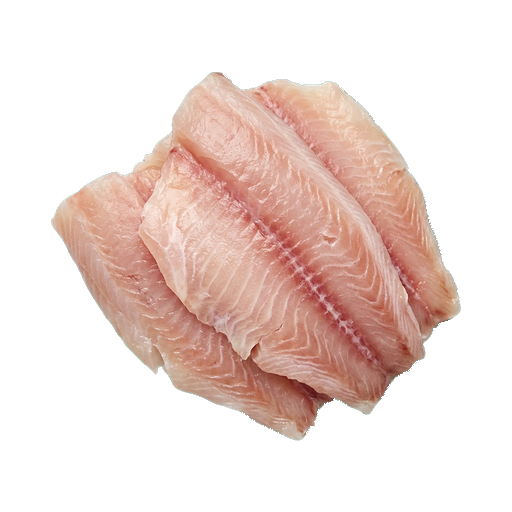
Fish fillet is boneless muscle tissue cut along the spine and separated from the skin. It is used in soups, main courses, appetizers, and pâtés due to its tender texture and quick cooking time. When selecting, pay attention to the smell — it should be fresh, with a sea-like aroma, without ammonia notes, and the meat should be firm and moist, without dark spots or slime.
About
Fish fillet is muscle tissue separated from bones and skin. This part is the basis for most fish dishes: from simple cutlets to restaurant compositions. Working with fillet is convenient and quick, and the result is almost always appetizing.
Taste and texture depending on the type of fish
White fish — cod, pollock, hake — provides tender, slightly sweet meat with a flaky texture. Such fillets easily fall apart during cooking, which is why they are often used for soups and pâtés. Red fish — salmon, trout, pink salmon — are denser, oilier, with a pronounced flavor. They hold their shape when frying and tolerate smoking well. Medium-fat fish like perch or carp occupy a middle ground: sufficiently juicy, but don't fall apart.
How to choose and check quality
- Fresh fillet has a light, moist appearance without spots or darkening. The surface should be firm and not slippery.
- Smell is the main indicator. Fresh fish smells like the sea and seaweed, not "fishy" as most people understand it. A sharp, ammonia-like smell is a reason to refuse the purchase.
- Check the cuts: they should be even, without ragged edges. The meat is dense and does not flake.
- Frozen fillet is often of higher quality than fresh fish on the counter: the fish is frozen right on the vessel, preserving freshness. The main thing is the absence of ice and crystals on the surface.
Cooking methods and combinations
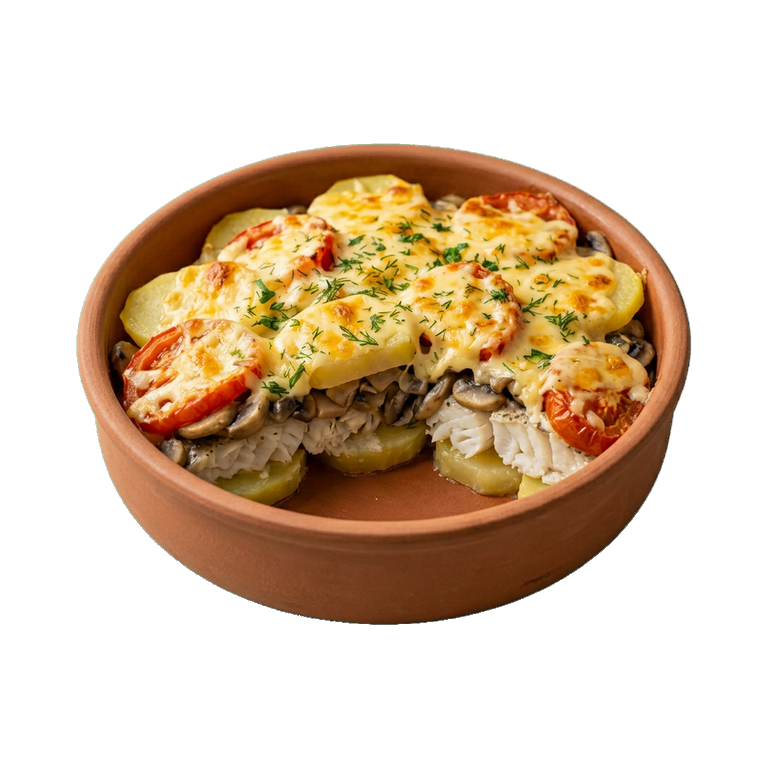
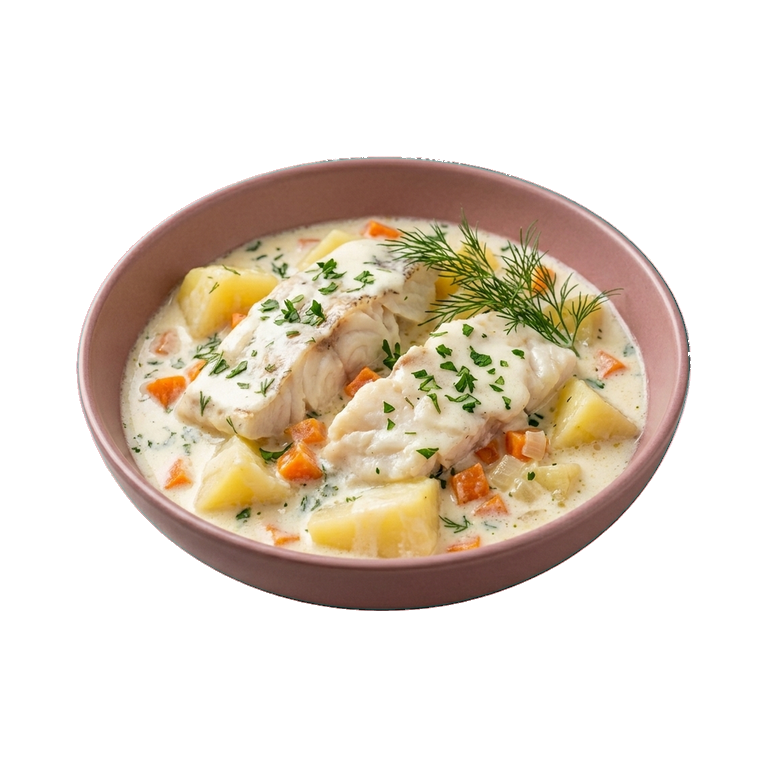
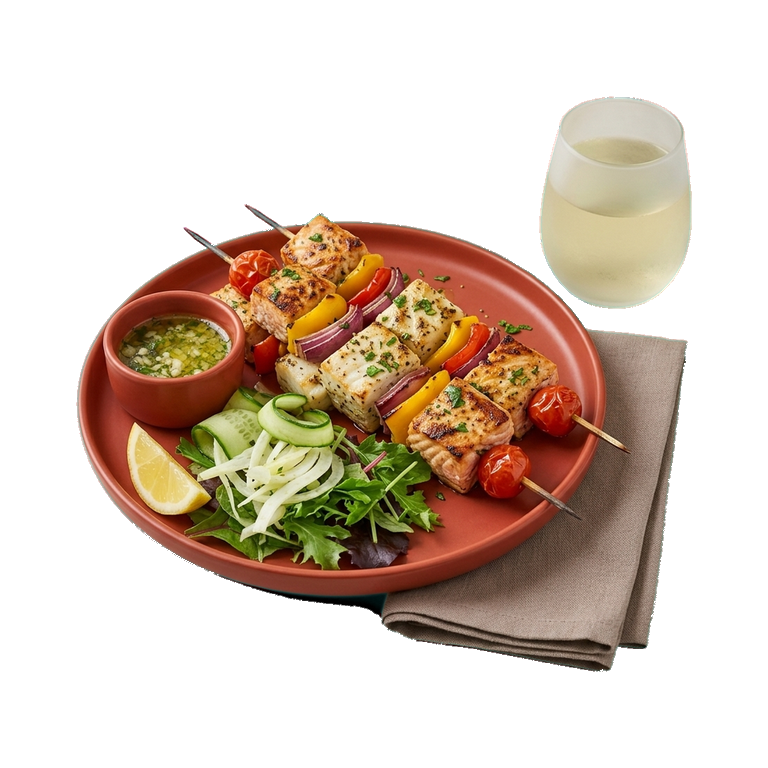
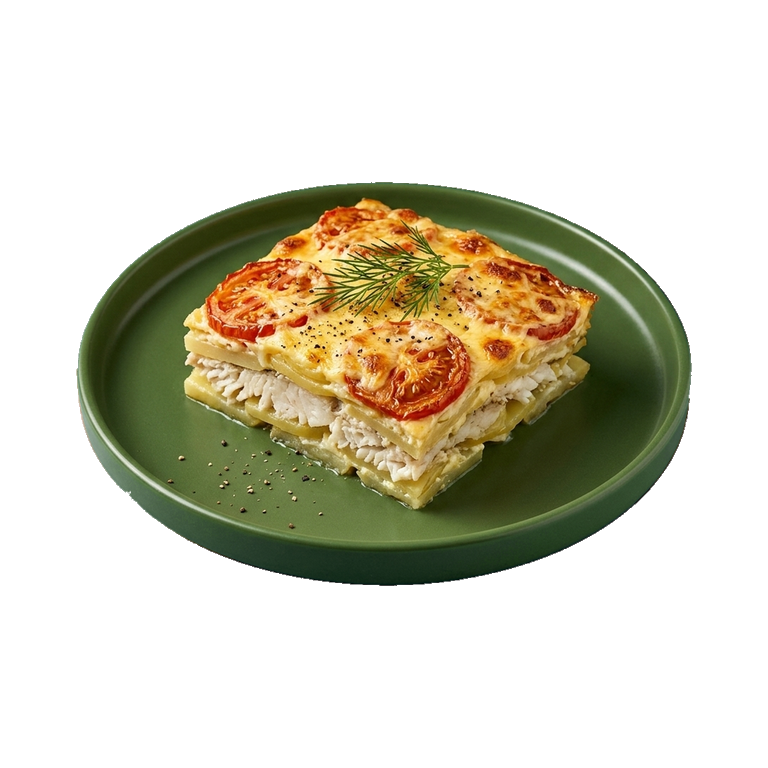
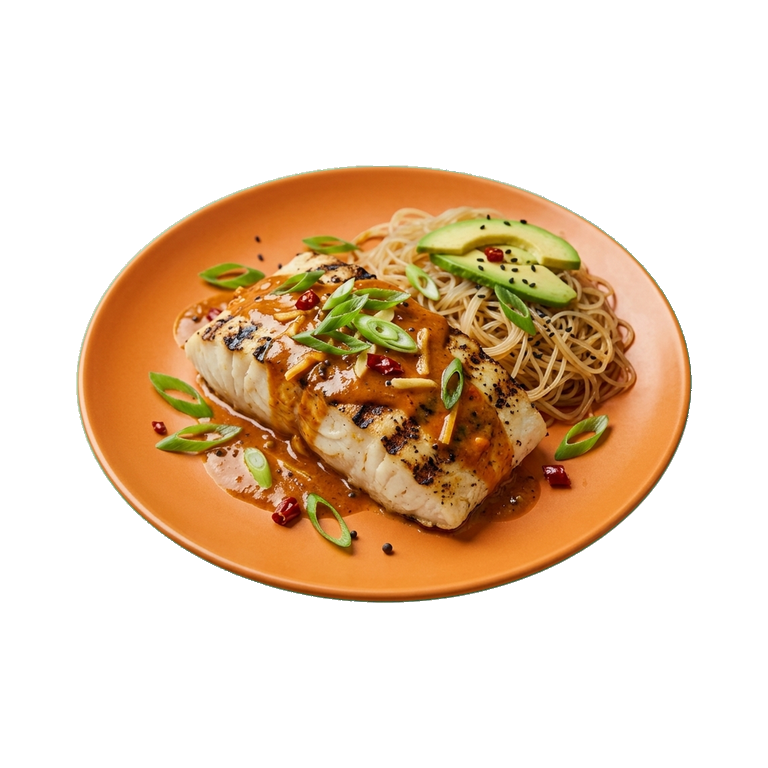
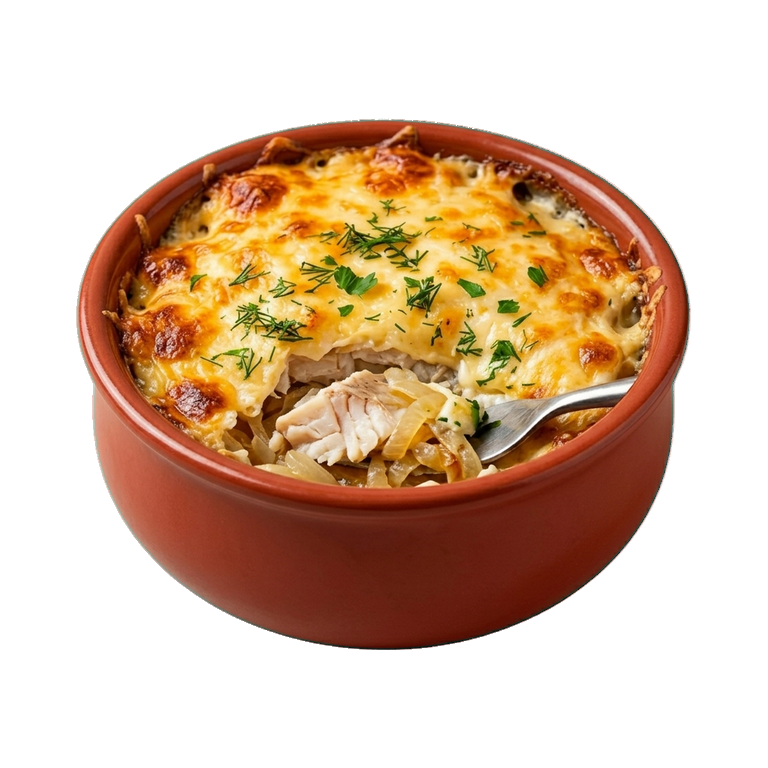
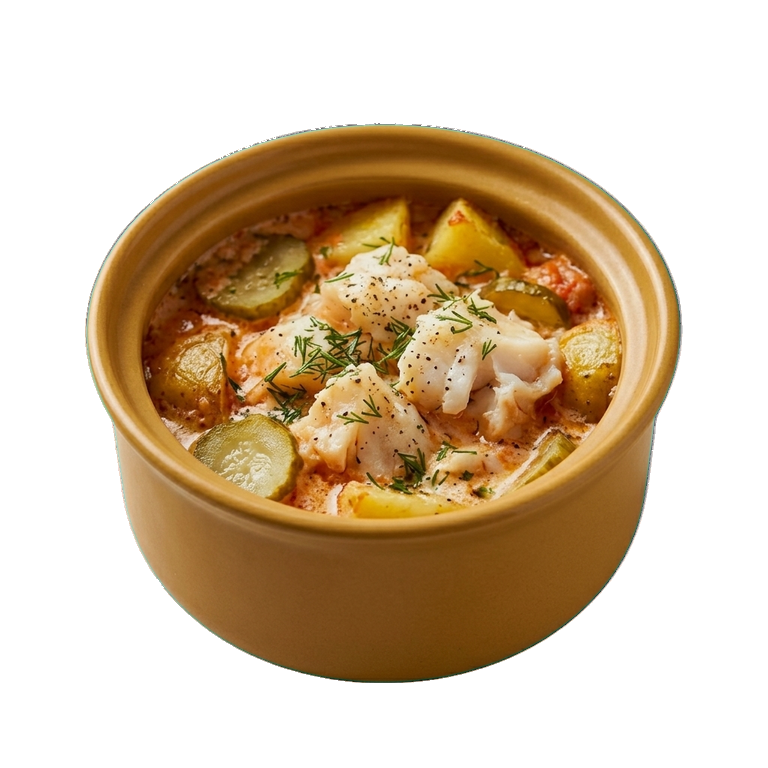
Fillet is versatile: it can be fried in a pan, baked in the oven, boiled, grilled, or steamed. White fish is great stewed in sauces — it will absorb any flavor. Red fish is better prepared simply: with lemon, salt, and olive oil, so as not to overpower its natural aroma.
Fillet works wonderfully with acidity — lemon, lime, white wine. Herbs like dill, parsley, and thyme highlight the fish flavor. Creamy sauces, capers, olives, tomatoes — all these components traditionally accompany fish. Choose light side dishes: grilled vegetables, rice, mashed potatoes.
Storage and Preparation
- Fresh fillet should be stored in the refrigerator for no more than two days. Place it on a plate and cover with plastic wrap.
- Frozen fillet can be kept in the freezer for several months. Thaw it in the refrigerator overnight — this way the meat will remain juicy.
- Before cooking, pat the fillet dry with a paper towel: moisture will prevent a good crust from forming when frying.
- If there are small bones left in the fillet, remove them with tweezers. Run your finger against the grain — the bones will stick out.
Fish fillet is a reliable ingredient for weekdays and holidays. It cooks quickly, is easily digestible, and provides plenty of room for experimentation. Even a beginner cook can handle fillet and get a delicious result.
Nutrition
per 100 g
- Calories
- 90 kcal
- Protein
- 19 g
- Fat
- 1.5 g
- Carbs
- 0 g
Measure calculator
- Weight
- 100 g
- Calories
- 90 kcal