Usuba
Usuba
Trout
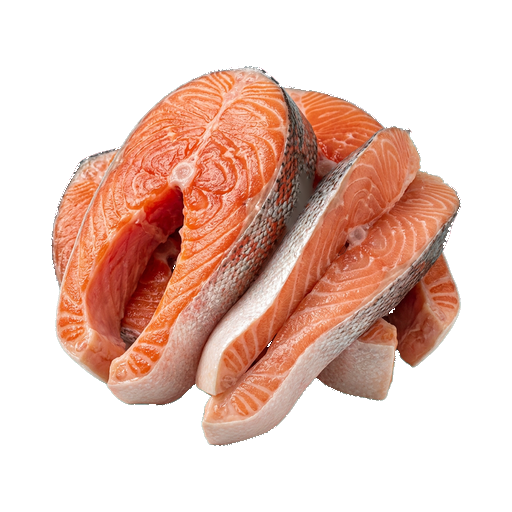
Trout is a noble fish with tender, pinkish flesh and a delicate flavor that becomes more pronounced when smoked or baked. Its meat is rich in beneficial fats and pairs beautifully with lemon, herbs, and butter. When selecting trout, pay attention to clear eyes and a fresh aroma, and remember during cooking that the tender meat cooks quickly and can dry out if overcooked.
About
Tender fish with character
Trout is one of the most rewarding fish for home cooking. Its meat is dense yet tender, with a pronounced fish flavor that doesn't overpower the dish but complements it. Trout is fattier than cod or pollock, so the fish remains juicy even with simple heat treatment. This quality makes it ideal for those just beginning to cook fish dishes and worried about ending up with dry meat.
A pink or orange tint in the meat is a natural sign of trout, not an indicator of artificial coloring. The color depends on what the fish was fed: carotenoids in the feed or natural diet give this characteristic tone. The meat should be firm, without gray or brown spots, with a barely noticeable sea smell.
Aroma and Taste
Trout smells of river and seaweed, but not sharply — rather it's a fresh, slightly herbaceous aroma. In taste, it's more delicate than pink salmon or chum salmon, but more expressive than freshwater fish like catfish. Fatty acids in the meat give it an oily richness and depth that reveal themselves beautifully with minimal processing.
How to Cook Trout
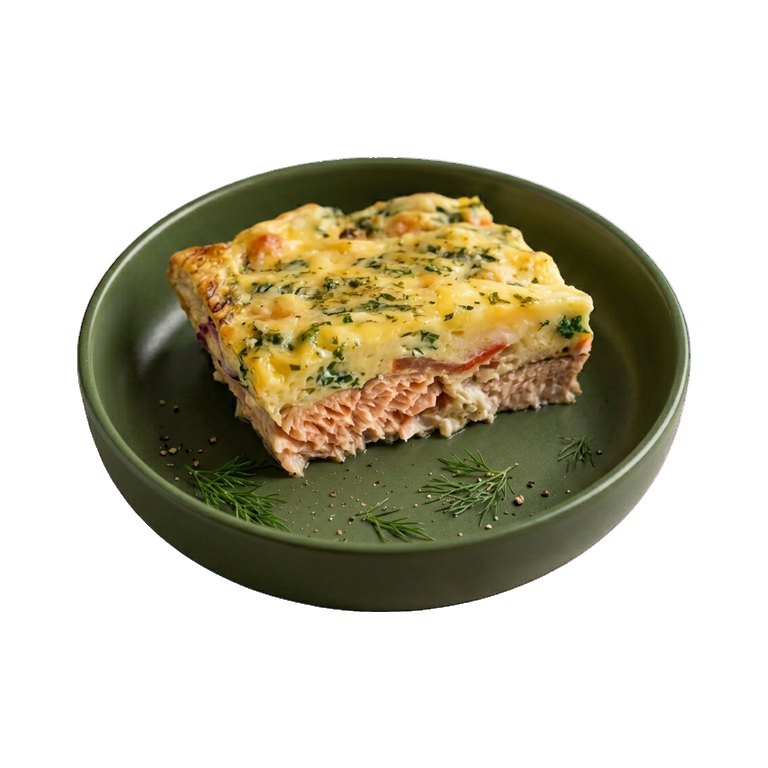
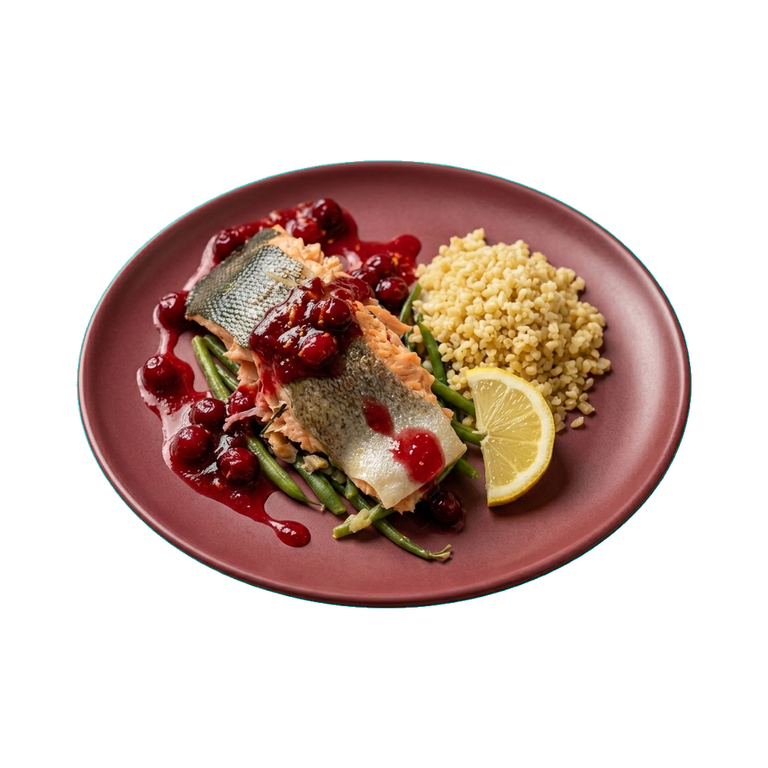
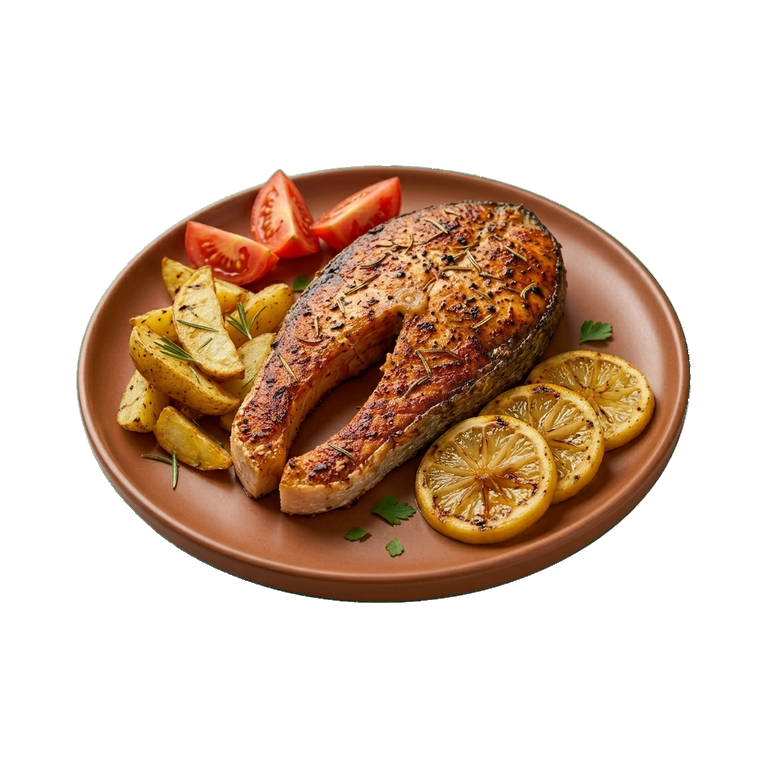
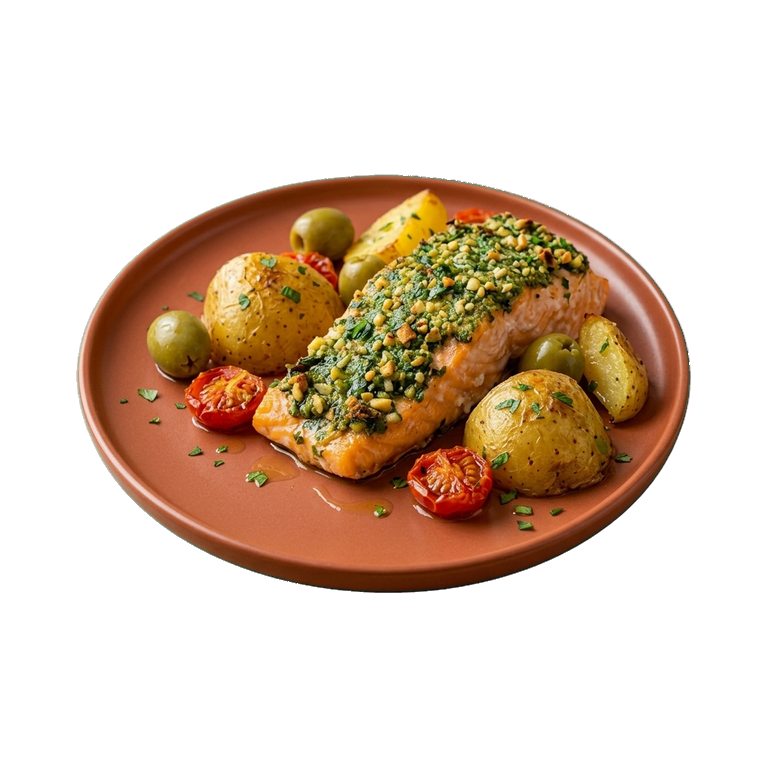
Trout is good in any form: it can be fried, baked, boiled, smoked, or eaten raw. The main thing is not to overcook it, otherwise the meat will become mushy. When frying in a pan, 3–4 minutes on each side over medium heat is enough. When baking in the oven — 12–15 minutes at 180 degrees, depending on the size of the fillet.
- Pan-fried: the skin will become crispy if you heat the oil well and don't touch the fish for the first two minutes
- In the oven: wrap the trout in foil with lemon and herbs to retain moisture
- On the grill: whole fish or thick steaks come out smoky with a light crust
- Steamed: fillet cooks very quickly and remains maximally tender
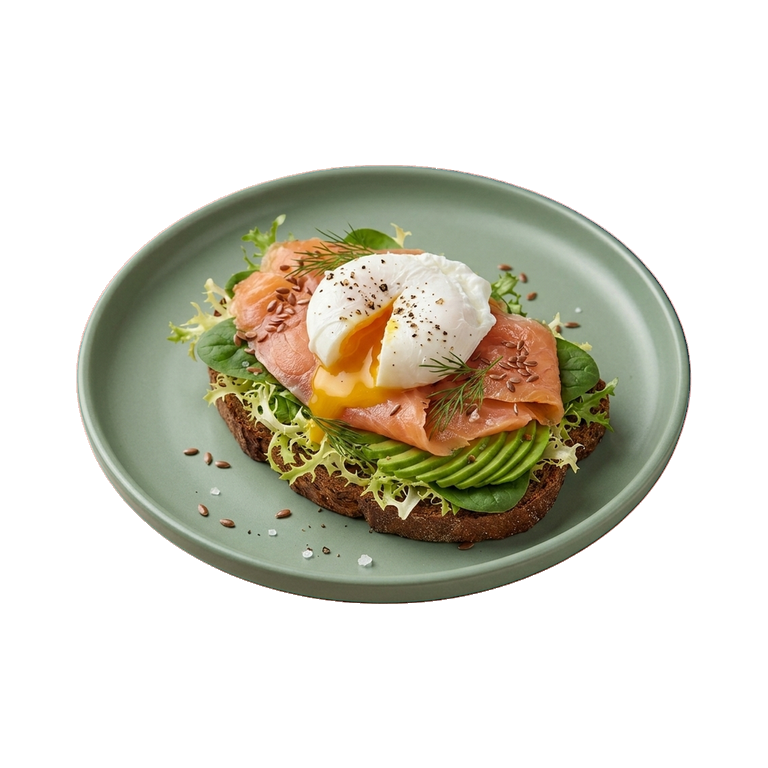
- Raw: thinly sliced trout as tartare or in sushi requires freshness and proper storage
Pairings and Seasonings
Trout accepts bright flavors well, but doesn't require them. Lemon and lime emphasize freshness, herbs like dill and parsley complement the fish flavor without overpowering it. Black pepper, sea salt, and olive oil are a minimal yet sufficient set. Spicy sauces based on ginger, garlic, or mustard create a contrast with the tenderness of the meat.
- Citrus fruits: lemon, lime, orange
- Herbs: dill, parsley, basil, tarragon
- Spices: black pepper, paprika, cumin
- Vegetables: tomatoes, cucumbers, beets, potatoes
- Sauces: butter, sour cream, horseradish or mustard-based
Selection and Storage
When choosing trout, pay attention to the eyes — they should be clear and bulging, not cloudy. The gills are bright red, without slime. The meat is firm, with no dents from fingers. The smell is fresh, oceanic, without sourness or ammonia. If you're buying fillets, make sure they are uniform in color, without dark edges.
Trout is stored in the refrigerator for 1–2 days on the coldest shelf, wrapped in parchment or in an airtight container. In the freezer — up to three months. Thaw in the refrigerator, not at room temperature: this way the meat will retain its structure and taste. Fresh frozen trout is often of higher quality than chilled trout, as freezing occurs immediately after catch.
Trout is a fish that works well in both simple and complex dishes. It forgives minor cooking mistakes thanks to the richness of its meat, but at the same time reveals its full beauty when you treat it with care. Try it in different preparations — and you'll understand why it holds such an honored place in the kitchen.
Nutrition
per 100 g
- Calories
- 105 kcal
- Protein
- 17.5 g
- Fat
- 3.5 g
- Carbs
- 0 g
Measures and weight
- 1 slice
- 20 g
Measure calculator
- Weight
- 100 g
- Calories
- 105 kcal