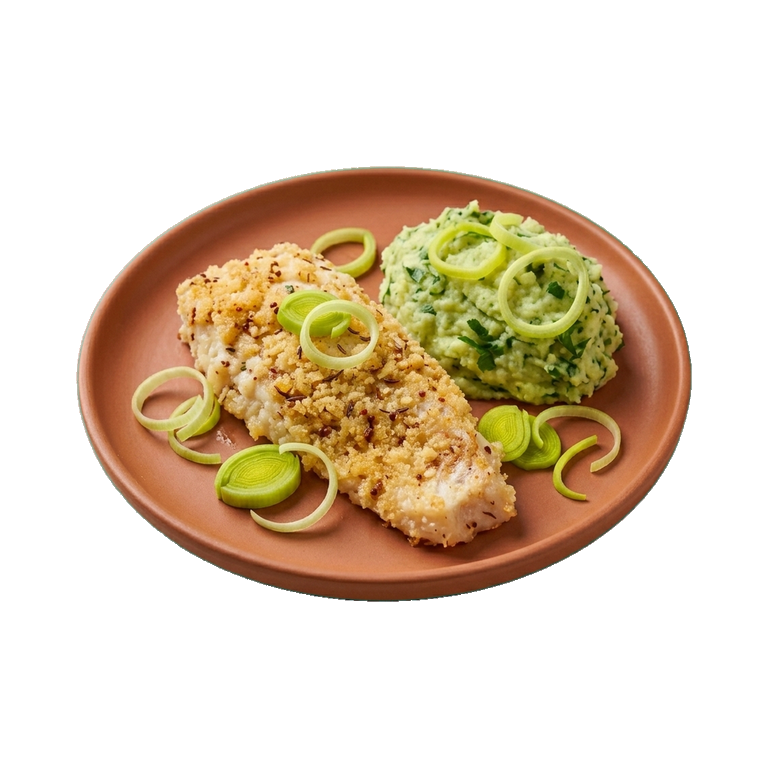
Usuba
Usuba
French mustard
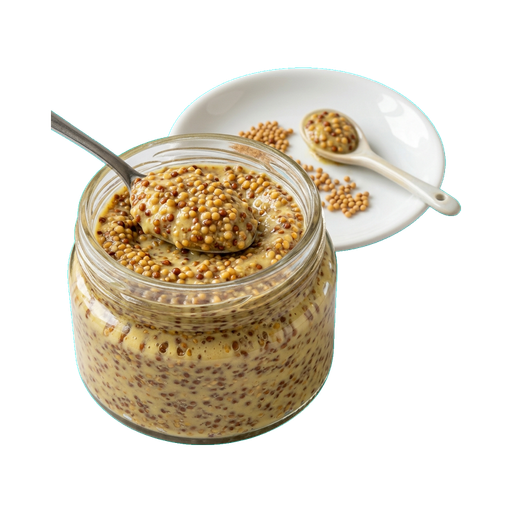
French mustard is a mild condiment with a grainy texture and slightly sweet taste, where whole mustard seeds are combined with vinegar and spices. It is less sharp than hot mustard and works well as a dressing for salads, marinades, and sauces, as well as a complement to sausages and cheese. When substituting other types of mustard, keep in mind that French mustard delivers a milder, slightly spicy flavor without sharp heat, so it can be used in larger quantities.
About
French mustard is not just a condiment, but an entire class of mustards united by a mild character and delicate flavor. Unlike sharp German or English versions, French mustard prefers subtlety to directness. It invites rather than attacks, which makes it a versatile kitchen companion.
Aroma and taste
French mustard is distinguished by a balanced profile: it has a piquant taste, but without the pungency that makes you wince. The composition often includes white wine, tarragon, or other herbs that add depth and roundness. The consistency is typically smooth and creamy, while the color varies from light yellow to brownish depending on the grain variety and additives.
Role in dishes and application
- Dijon mustard (the most famous) is perfect for vinaigrettes, sauces, and dressings — it doesn't overpower the taste of main ingredients
- Whole grain mustard (à l'ancienne) is great on meat dishes, in sausages, and as a separate sauce for steak
- Herbal versions are excellent in marinades for poultry and fish thanks to aromatic additives
- Used as a base for emulsion sauces along with oil and vinegar
Pairings and gastronomic partners
French mustard pairs easily with white wines, light vinegars, and olive oil. On the table, it feels at home alongside cold cuts, cheese, and fresh bread. In hot dishes, it works well with chicken, fresh fish, and grilled vegetables. Its mild flavor allows you to combine it with delicate ingredients that sharp mustard would simply overpower.
Selection and Storage
When choosing, pay attention to the consistency — it should be uniform, without lumps or layering. The transparency of the jar will help you assess the color and quality. Check the production date: fresh mustard has a more vibrant flavor. After opening, mustard is stored in the refrigerator for several months, but it is best to use it within two to three months while the aroma has not started to fade.
- Seal the jar tightly after each use
- Store at a temperature of 5–15 degrees in a place protected from light
- Avoid frequent temperature fluctuations — this accelerates oxidation
Practical tip
If you are making a sauce or dressing, add French mustard at the end to preserve its aromatic qualities. When heated, it loses its subtle nuances, so for hot dishes it is best to add it at the last moment or serve it separately at the table.
Nutrition
per 100 g
- Calories
- 160 kcal
- Protein
- 6 g
- Fat
- 11 g
- Carbs
- 7 g
Measures and weight
- 1 tbsp
- 15.8 g
- 1 tsp
- 5.3 g
- 1 cup
- 262.5 g
Measure calculator
- Weight
- 100 g
- Calories
- 160 kcal