Usuba
Usuba
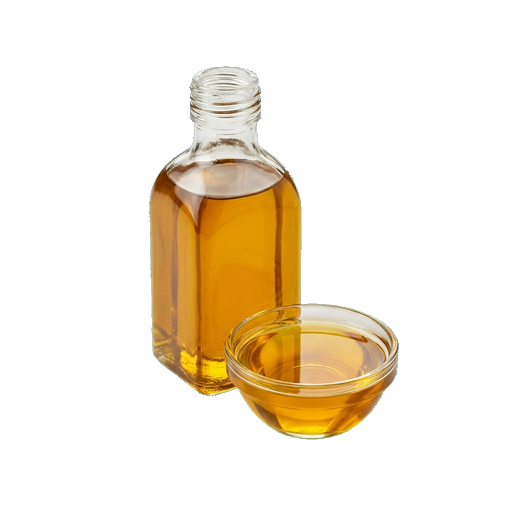
Mustard Oil
Mustard oil is an extract from mustard seeds with a sharp, spicy flavor characterized by pungency and a slightly bitter aftertaste. The oil has a high smoke point, making it well-suited for frying and deep-frying, and is also used in dressings, marinades, and sauces to add piquancy. When selecting, pay attention to the color — quality oil has a golden or brownish tint, and keep in mind that the level of pungency varies depending on the seed variety and production method.
About
Mustard oil is one of the sharpest and most pungent vegetable oils, easily recognized by its characteristic burning aroma. This oil is pressed from mustard seeds, and it stands apart in cooking: not so much for dressing salads, but for adding pungency and depth to dishes. If you're looking for an oil that will radically change the taste of your familiar recipes, mustard oil is exactly what you need.
Taste and Aroma
Mustard oil has a sharp, almost aggressive aroma — this is the first thing you'll notice when opening the bottle. To the taste, it is pungent, slightly bitter, with a piercing heat that spreads across the palate and throat. This intensity is not a drawback, but the main quality of the oil. Just a few drops can transform a dish, giving it energy and character.
How to use in cooking
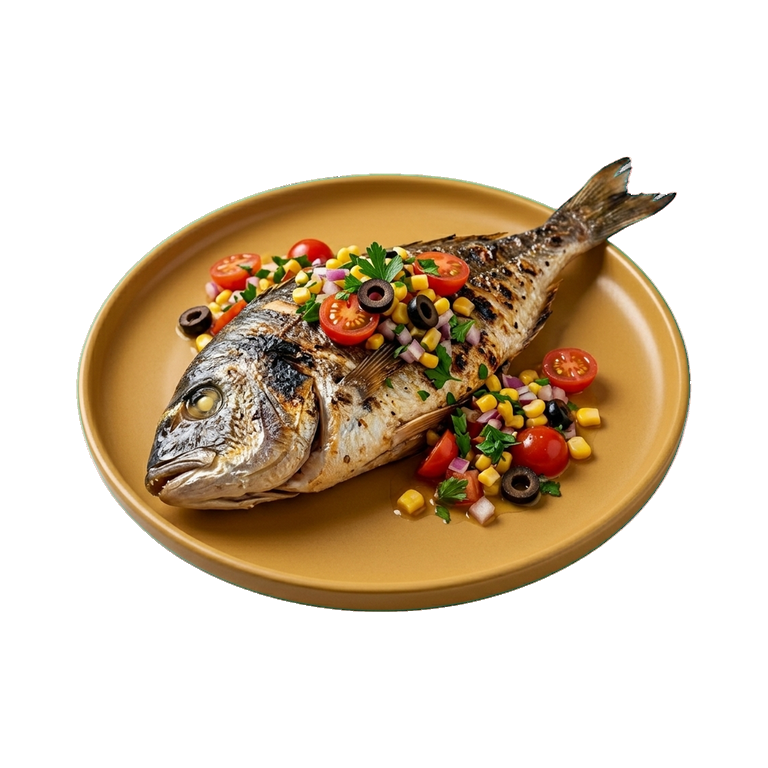
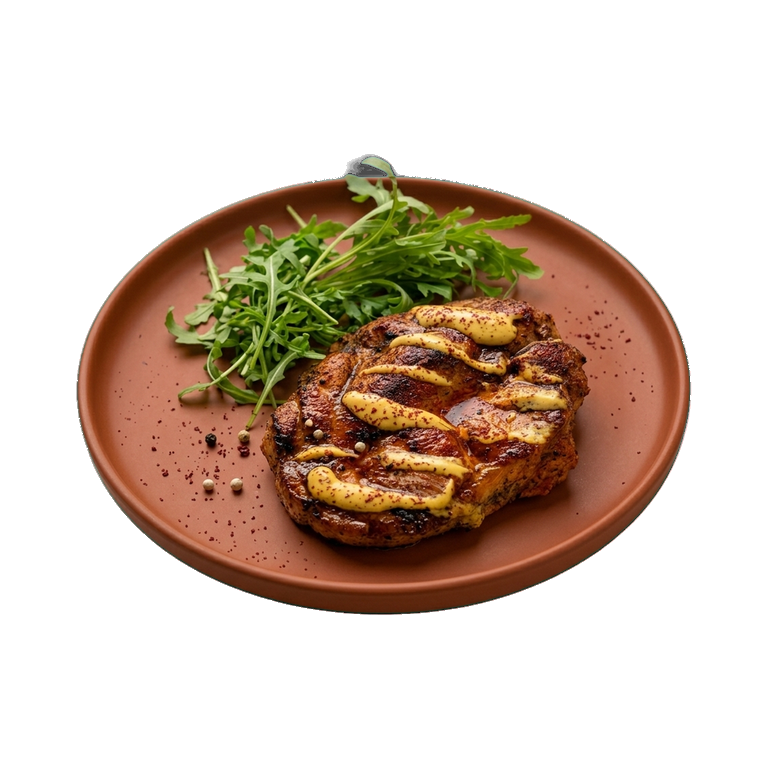
Mustard oil is not a primary oil for frying or dressing, but rather a pungent accent. It is added to marinades for meat and fish, a few drops are drizzled into vegetable sauces, and used when preparing pickled cucumbers and tomatoes. In Asian cuisine, the oil is often added to curries, dal, and vegetable dishes — it enhances spiciness and creates a complex flavor.
- Marinades for meat and poultry — oil softens fibers and adds spiciness
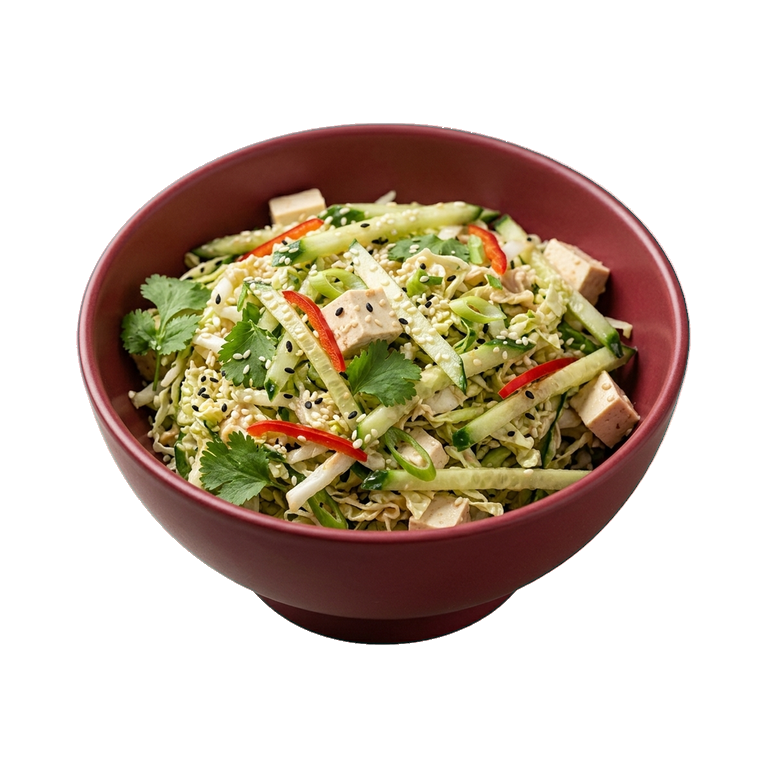
- Dressing for root vegetables and cabbage — especially good raw
- Addition to hot dishes at the end of cooking — a few drops for aroma
- Base for spicy sauces and vegetable dips
What ingredients pair with
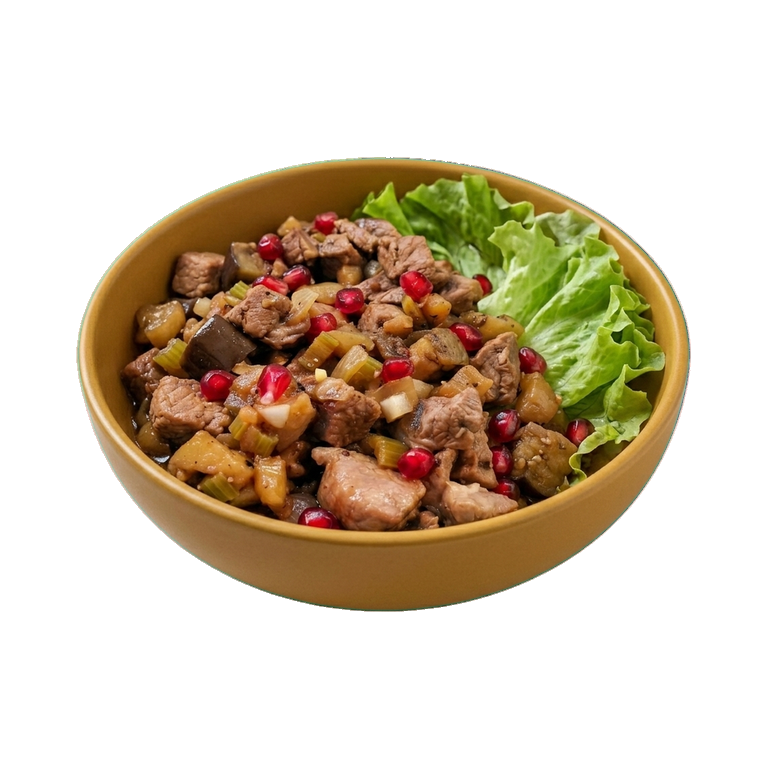
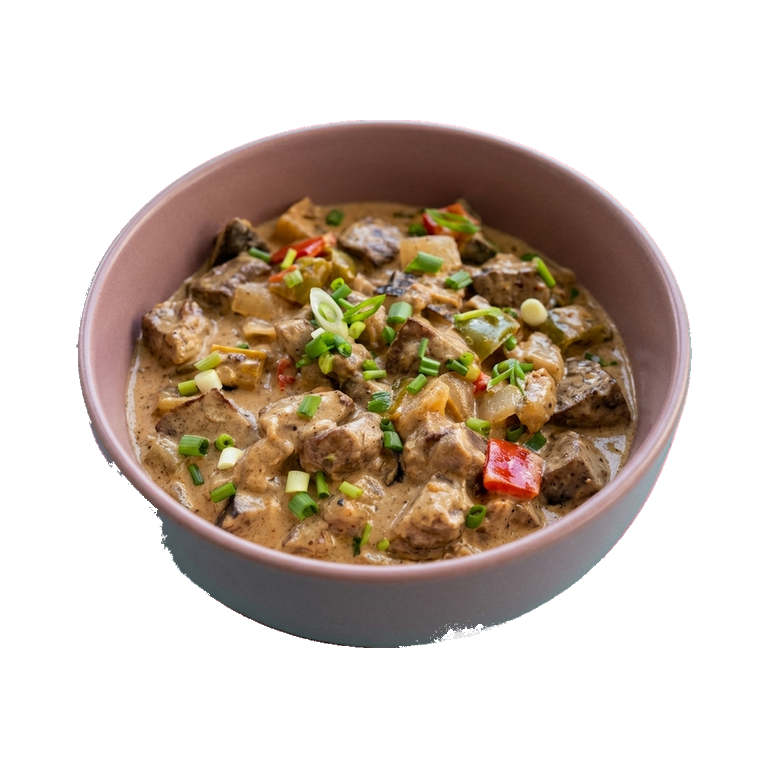
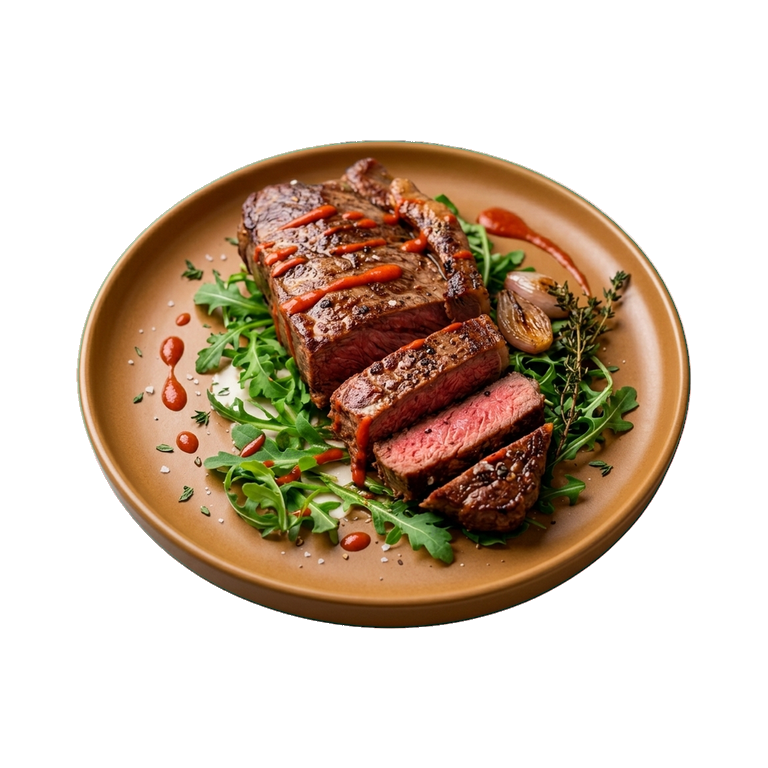
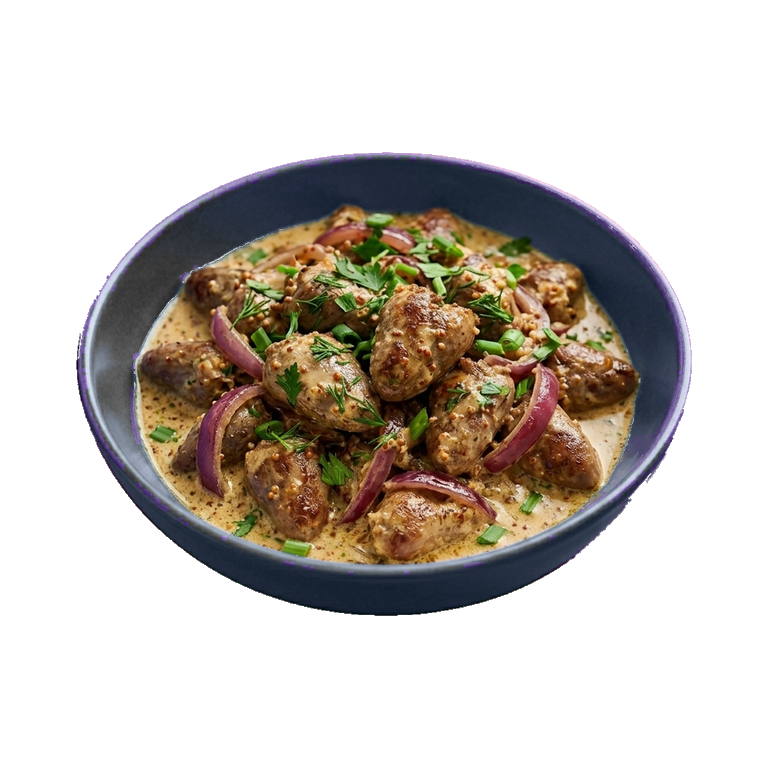
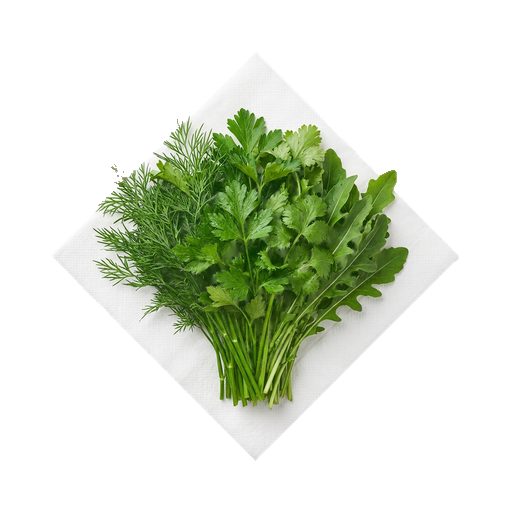
Mustard oil works well with dark leafy greens, radishes, daikon, and other sharp vegetables — the sharpness of the oil complements and enhances them. It pairs excellently with meat, especially beef and lamb. It is added to dishes with potatoes, cabbage, and carrots. Against the background of mustard oil, spices shine: black pepper, coriander, cumin, and turmeric.
Selection and Storage
When purchasing, pay attention to the color — quality mustard oil has a rich yellow or amber hue. Check that it is cold-pressed oil, not refined: cold pressing preserves all the character and pungency. The bottle should be dark so that the oil does not oxidize in light.
Store mustard oil in a cool place, away from direct sunlight — in a cabinet or refrigerator. With proper storage, the oil retains its properties for about a year. Don't leave an open bottle for long: the oil oxidizes quickly and loses its pungency. Use the oil sparingly — its sharpness means that only a small amount is needed for effect.
Mustard oil is not for everyday use, but for bold experiments. Start small: add a few drops to a marinade or sauce and feel how it transforms the dish.
Nutrition
per 100 ml
- Calories
- 899 kcal
- Protein
- 0 g
- Fat
- 99.9 g
- Carbs
- 0 g
Micronutrients
per 100 ml
Macronutrients
- Fiber
- 0 g
- Saturated fat
- 10.655 g
- Monounsaturated fat
- 54.452 g
- Polyunsaturated fat
- 19.532 g
- Water
- 0 g
Minerals
- Sodium
- 0 mg
- Potassium
- 0 mg
- Calcium
- 0 mg
- Magnesium
- 0 mg
- Phosphorus
- 0 mg
- Iron
- 0 mg
- Zinc
- 0 mg
- Copper
- 0 mg
- Manganese
- 0 mg
- Selenium
- 0 mcg
Vitamins
- Vitamin A (RAE)
- 0 mcg
- Vitamin C
- 0 mg
- Vitamin B1 (thiamin)
- 0 mg
- Vitamin B2 (riboflavin)
- 0 mg
- Vitamin B3 (niacin)
- 0 mg
- Vitamin B5 (pantothenic acid)
- 0 mg
- Vitamin B6
- 0 mg
- Vitamin B9 (folate, DFE)
- 0 mcg
- Vitamin B12
- 0 mcg
Measures and weight
- 1 tbsp
- 13.8 g
- 1 tsp
- 4.6 g
- 1 cup
- 230 g
Measure calculator
- Weight
- 100 g
- Calories
- 977 kcal