Usuba
Usuba
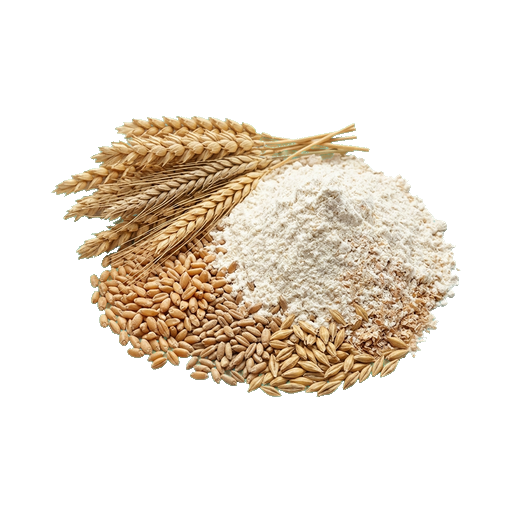
Grain flour
Flour made from various grains — wheat, rye, barley, or their blends — is the main ingredient for baking bread, rolls, and cookies. It contains gluten, which is responsible for the elasticity and structure of the dough, so it's important to choose flour with the appropriate protein percentage depending on the type of product. When substituting one type of flour for another, keep in mind that rye flour absorbs more liquid, while flour from other grains may produce a denser or crumbly result.
About
Grain flour is the foundation of bread baking and pastry making, obtained by grinding various grains. Each type of grain produces its own flour with its own character: wheat flour is versatile, rye flour is rich, barley flour is delicate. The choice of flour determines not only the taste of the finished dish, but also its structure, moisture content, and shelf life.
Taste and aroma depending on the type
Wheat flour is neutral and obedient — it doesn't impose its own flavor, allowing other ingredients to shine brighter. Rye flour brings density and a subtle bitterness that works well in dark bread and cookies. Spelt, emmer, and semi-rounded grain varieties add a nutty note and greater nutritional value.
Mixing different types of flour is a simple way to add complexity to flavor. Even a small amount of rye or poltava flour in a wheat base creates an interesting undertone without overloading the dough.
Role in dough and baking
The gluten content in flour directly affects the elasticity and rise of the dough. Premium wheat flour leads in gluten content, which is why bread made from it turns out airy with a good crust. Rye flour contains less gluten but more pentosans, which retain moisture, making the bread more moist and keeping it fresh longer.
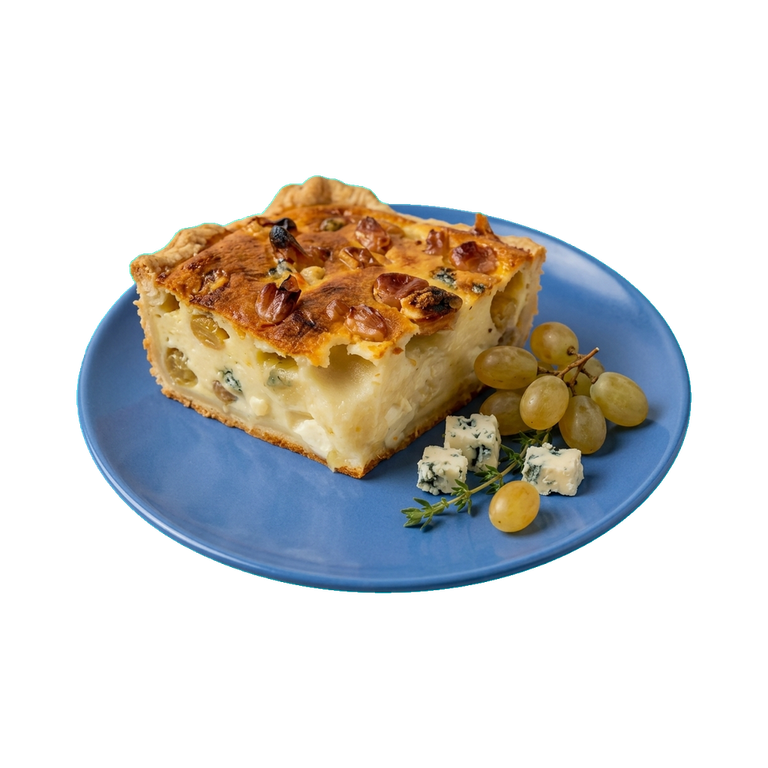
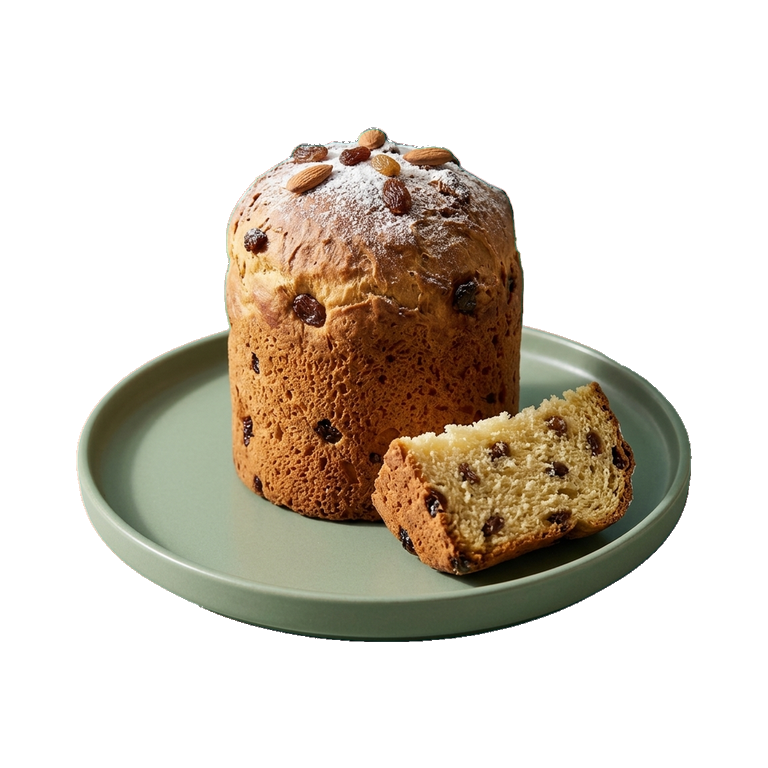
- Wheat flour — a versatile choice for bread, buns, cookies, pies and cakes
- Rye flour — bread, gingerbread, cookies with deep flavor
- Barley flour — cookies, porridges, additive for complex aroma
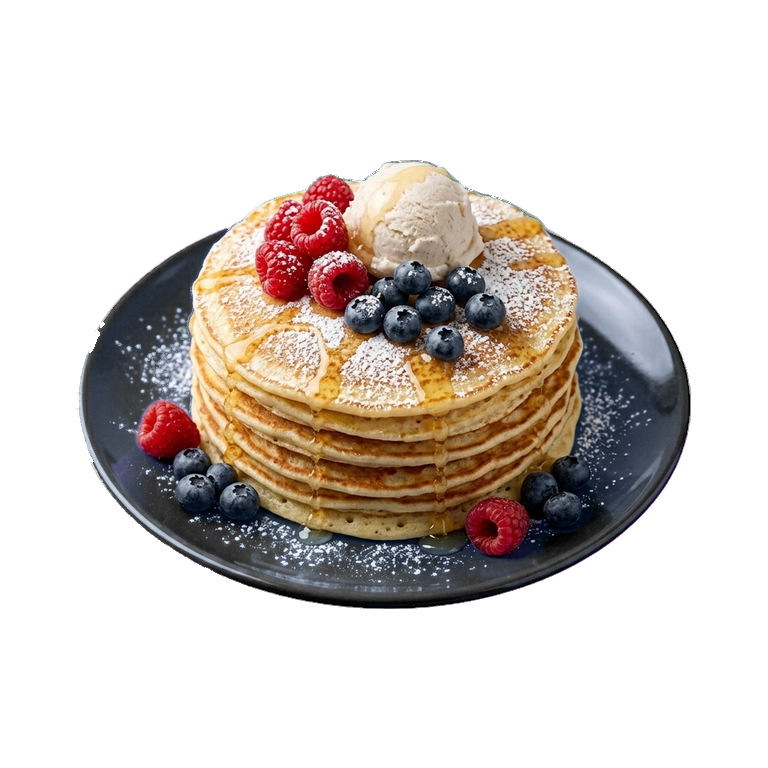
- Oat flour — cookies, pancakes, porridges, baking mixes
- Cornmeal — polenta, bread, cookies, gluten-free mixes
Selection and Storage
When purchasing, pay attention to the packaging date — flour oxidizes over time and loses its elasticity. Fresh flour has a pleasant grain aroma without mustiness. Fine grinding guarantees even distribution in the dough, while coarse grinding adds texture and a grain sensation.
Store flour best in an airtight container at room temperature, away from light and moisture. Rye and whole grain flour spoil faster due to fats in the grain germ — for them it's worth considering a refrigerator or freezer. Wheat flour of first and highest grade stores longer than bran or whole grain flour.
Pairings and Tips
Whole grain flour works well with acidic ingredients — kefir, yogurt, sourdough starter. They not only improve the taste but also help reveal the aroma of the grain. Spices — cinnamon, ginger, black pepper — emphasize the natural notes of flour, especially darker varieties.
If you are working with rye or whole grain flour for the first time, start by replacing 20–30 percent of the wheat flour in your usual recipe. Gradually increase the proportion to understand how the flour affects the consistency of the dough and the taste of the finished dish. Each type of flour requires minor adjustments to the amount of liquid and mixing time.
Nutrition
per 100 g
- Calories
- 364 kcal
- Protein
- 10.3 g
- Fat
- 1 g
- Carbs
- 76.3 g
Measures and weight
- 1 tbsp
- 8.3 g
- 1 tsp
- 2.8 g
- 1 cup
- 137.5 g
Measure calculator
- Weight
- 100 g
- Calories
- 364 kcal