Usuba
Usuba
Breadcrumbs
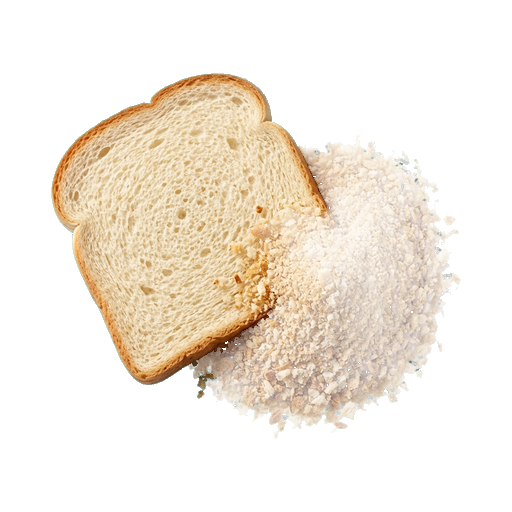
Finely ground bread used in cooking as a breading or thickening agent for dishes. Breadcrumbs absorb moisture, create a crispy crust when frying, and help bind ingredients in cutlets, meatballs, and casseroles. When choosing, keep in mind that white breadcrumbs provide a tender texture, while black bread crumbs deliver a more pronounced flavor and darker breading color.
About
Breadcrumbs are one of the most versatile ingredients in the kitchen, often overshadowed by more prominent products. Yet they are not just a way to use stale bread, but a full-fledged culinary tool. Breadcrumbs work everywhere: they create a crispy crust, bind fillings, thicken sauces, and add texture where it's lacking.
When and how to use
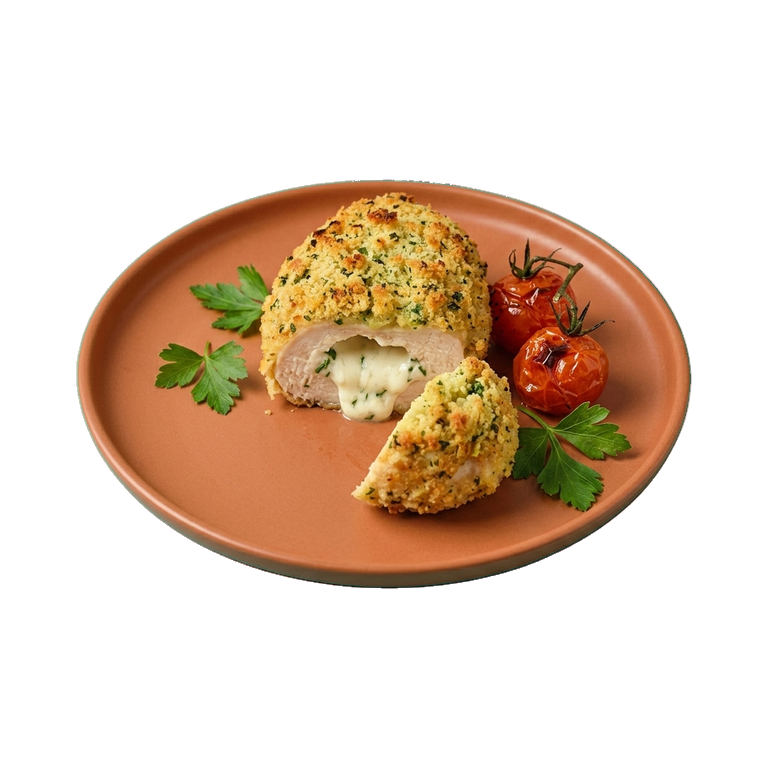
Breading is the most obvious application. Cutlets, schnitzel, fish, vegetables — all of these get an appetizing golden crust when fried in breadcrumbs. The key is: first coat the product in flour, then dip it in egg, and then in breadcrumbs. This three-step process ensures that the breading won't fall off and will be crispy.
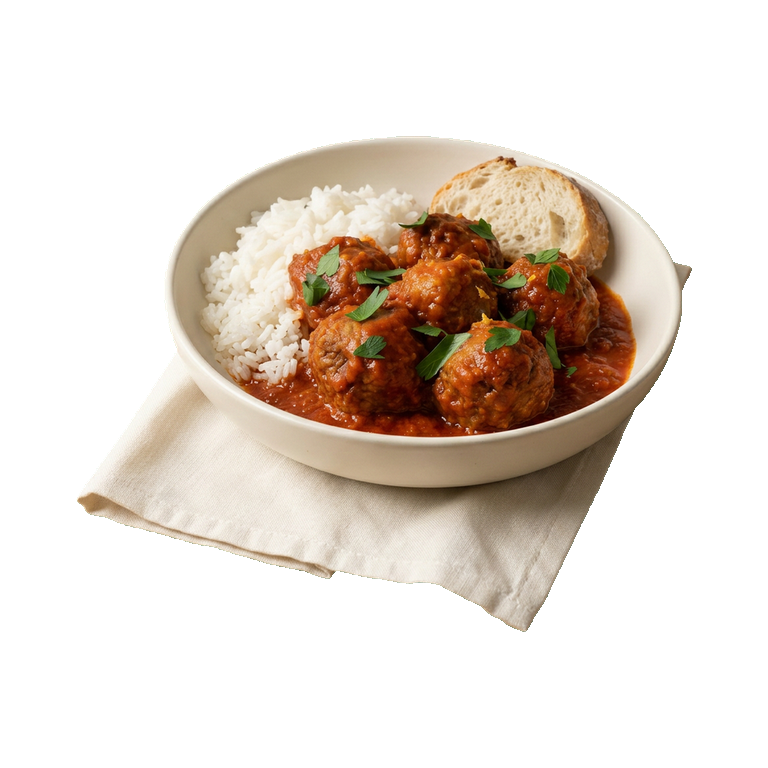
- Fillings and cutlets: crumbs retain moisture and make the structure more tender
- Casseroles and crumbles: the top layer of a mixture of crumbs, butter and spices creates a contrasting texture
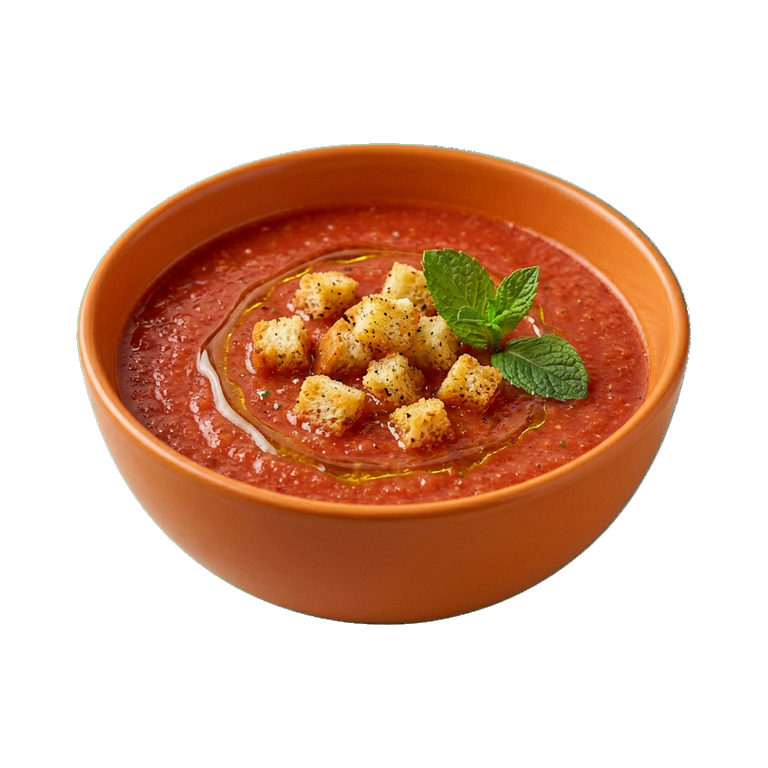
- Cream soups: a pinch of crumbs thickens the liquid naturally
- Poultry stuffing: a classic way to add volume and cohesion
Selection and Quality
Breadcrumbs come in two types: store-bought (ready-made, often with additives) and homemade (made from stale bread, grated on a grater or blended). For breading, ready-made ones are more convenient — they are uniform and always on hand. For fillings and casseroles, it's better to make crumbs yourself: this way you control the particle size and composition.
When choosing store-bought breadcrumbs, pay attention to the color: light ones are suitable for delicate dishes, dark ones (made from black bread) add depth of flavor and work well for meat cutlets. Check the ingredients — there should be no unnecessary preservatives or flavor enhancers if you're preparing home-cooked food.
Storage and Preparation
Ready-made breadcrumbs can be stored in an airtight container at room temperature for months. Homemade breadcrumbs are better dried before storage: spread them on a baking sheet and heat in the oven at 120 degrees for 10–15 minutes to evaporate the moisture. This way they won't get moldy and will remain crispy.
For breading, you can use the crumbs as is or mix them lightly with spices, dried herbs, and salt — this will add flavor and save time during cooking. If you need very fine crumbs, pass them through a sieve; for a coarser texture, leave them larger.
Breadcrumbs are not just leftovers, but an ingredient that makes dishes tastier and more interesting in texture. Keep them always at hand, and your kitchen will become more flexible and creative.
Nutrition
per 100 g
- Calories
- 330 kcal
- Protein
- 9 g
- Fat
- 2.5 g
- Carbs
- 65 g
Measures and weight
- 1 tbsp
- 5.3 g
- 1 tsp
- 1.8 g
- 1 cup
- 87.5 g
Measure calculator
- Weight
- 100 g
- Calories
- 330 kcal