Usuba
Usuba
Turkey
Turkey is a dietary meat with a tender texture and mild flavor that is easier for the body to digest than chicken or beef. Thanks to its low fat content, it is ideal for healthy dishes, but requires care during heat treatment to avoid drying out. Turkey is used in soups, baked dishes, for stuffing and smoking, and its versatility makes it easy to substitute for chicken in most recipes.
About
Turkey is a meat that is often underestimated in everyday cooking, although it deserves much more attention. It is tender, dietary, and versatile: suitable for holiday tables, weekday dinners, cold appetizers, and hot dishes. The main difference between turkey and chicken is its more pronounced flavor and dense meat structure, which holds its shape well during cooking.
Taste and Texture
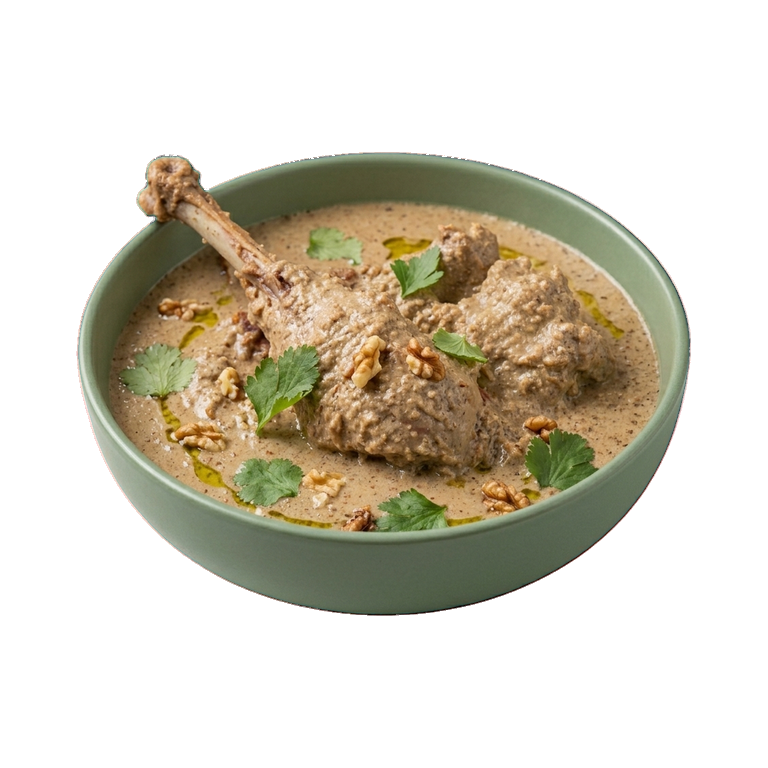
White turkey meat (breast) is an almost blank canvas for sauces and spices: tender, with minimal inherent flavor, but with a pleasant sweet note. Dark meat (thighs and legs) contains more fat, so it turns out juicier and has a more intense flavor with a subtle gamey note. For beginner cooks, breast is easier to handle, but requires attention to cooking time to avoid drying it out. Dark meat is more forgiving of mistakes.
How to cook and what to pair with
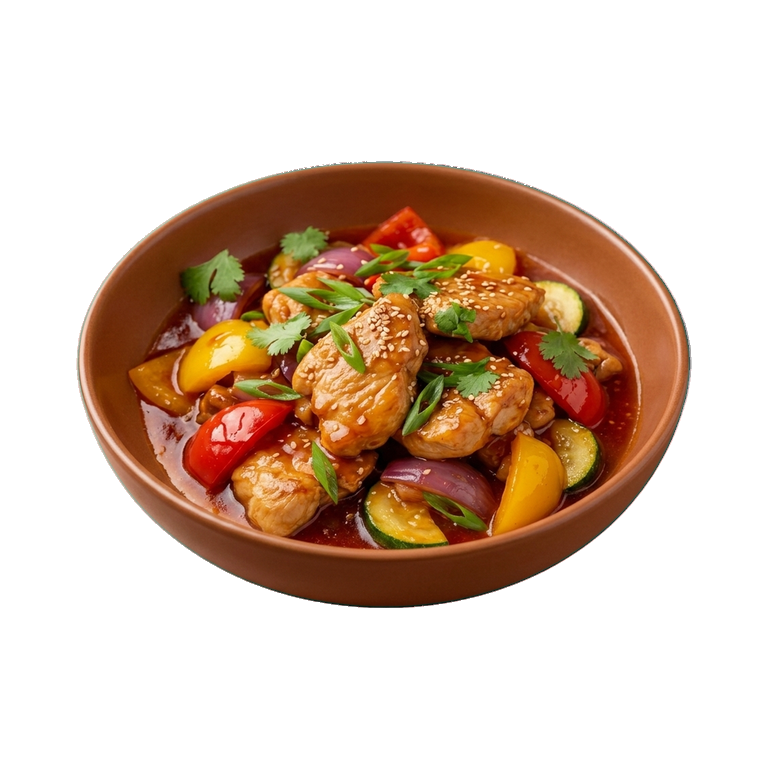
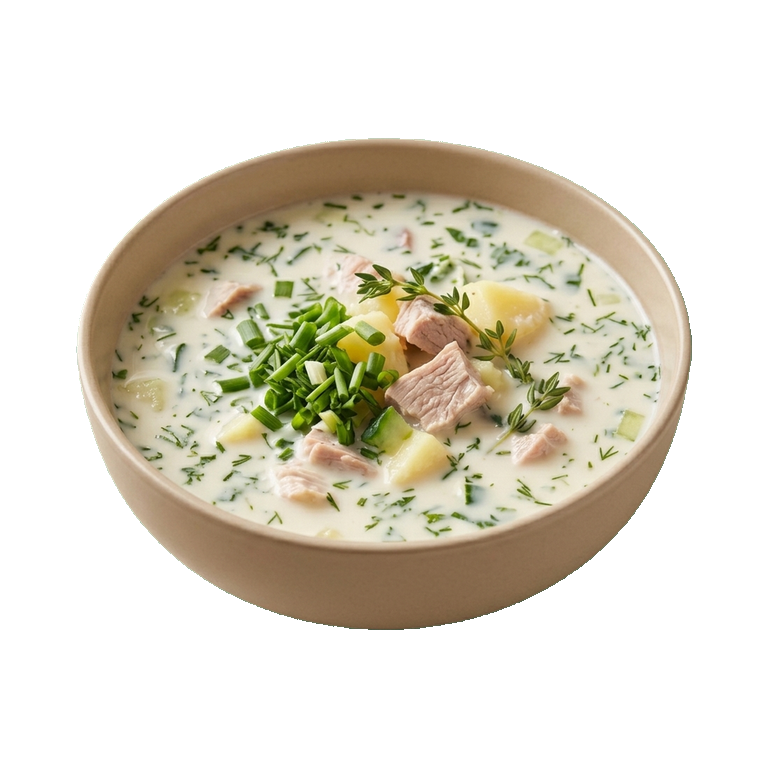
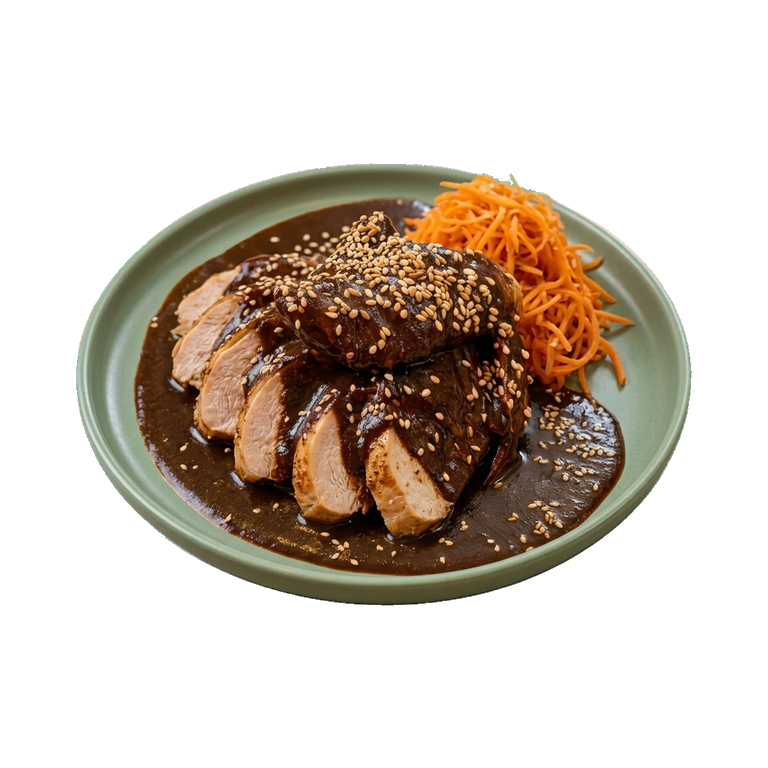
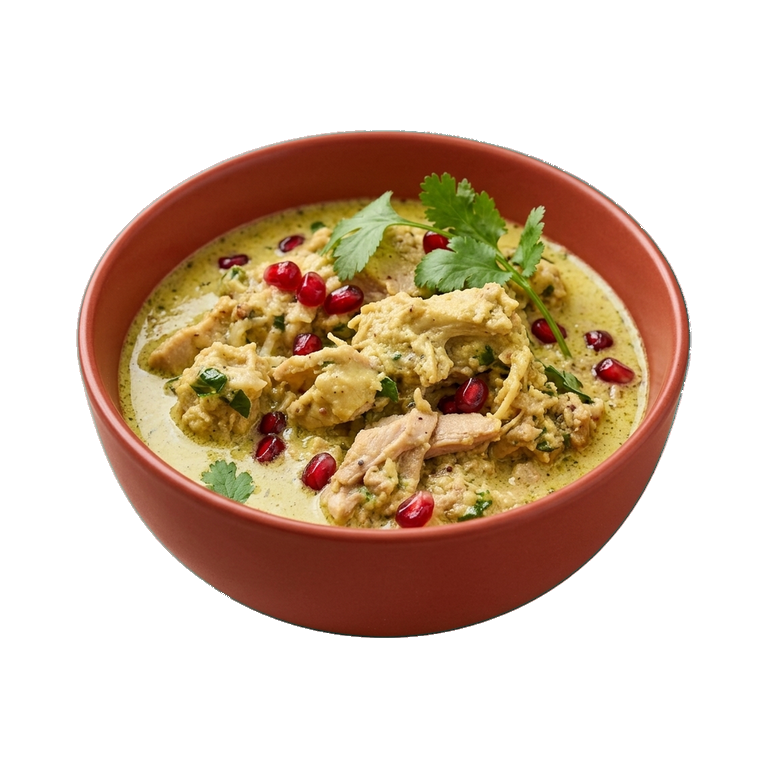
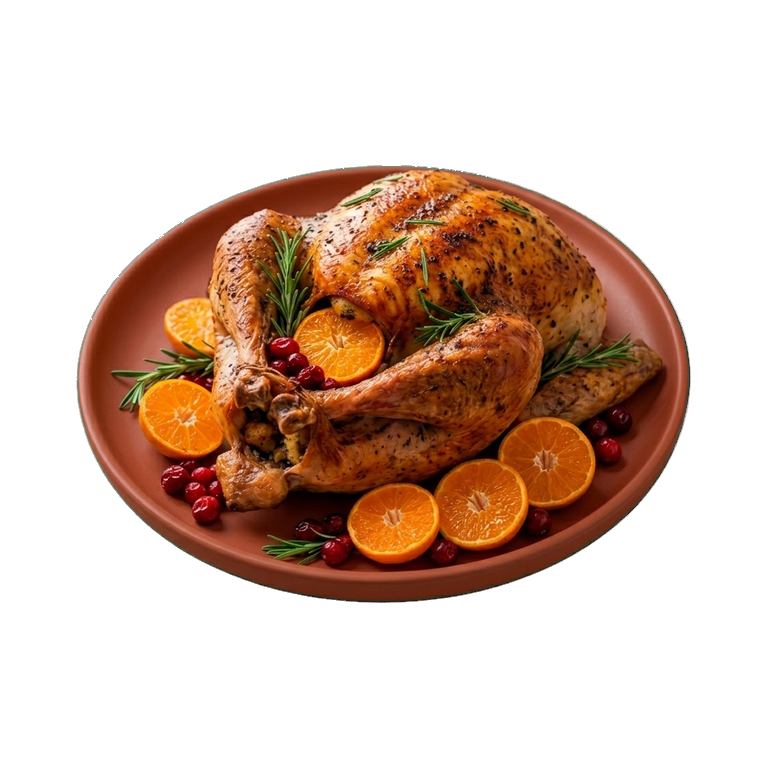
Turkey is excellent for rotisserie roasting, oven baking, braising, and even soups. It absorbs marinades better than chicken, so it's worth taking time for preparation. Breast fillets can be sliced thin for schnitzel or steaks, while whole birds or parts are ideal for slow roasting with herbs and vegetables.
- Herbs: rosemary, thyme, sage, oregano — they highlight delicate game
- Acidic components: lemon, orange, vinegar — enliven tender meat
- Spices: paprika, black pepper, garlic, ginger — add depth
- Vegetables: carrots, celery, onions, mushrooms — create an aromatic base when roasting
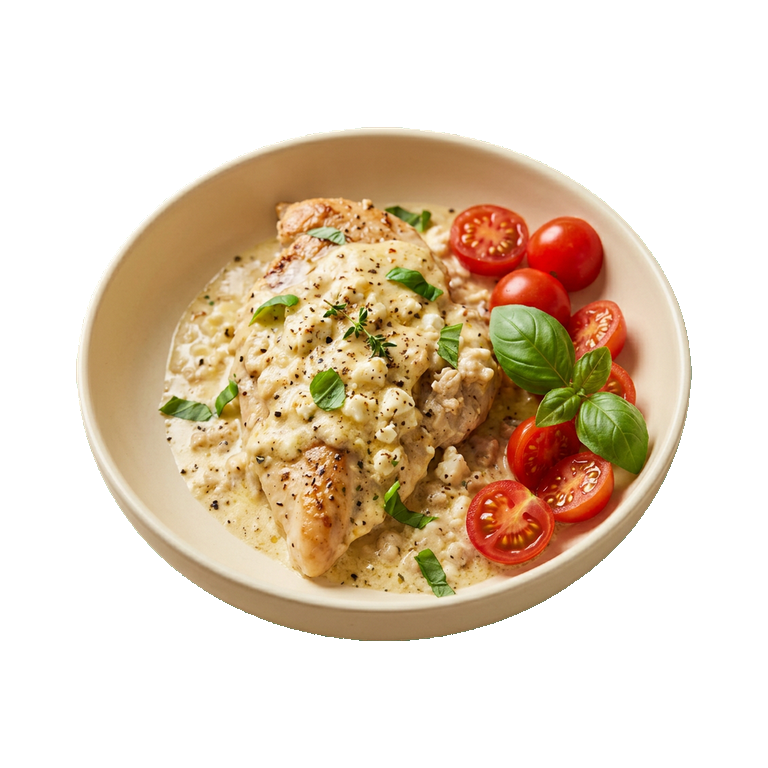
- Creamy sauces and sour cream — traditional pairing for turkey
Selection and Storage
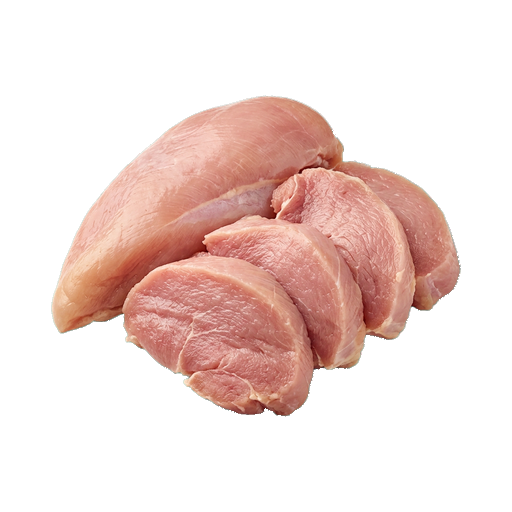
When buying, pay attention to the color of the meat: it should be pink or light pink, without gray spots or darkening. The smell should be neutral, meaty, without sour or unpleasant notes. The packaging should be intact, without leaks. Chilled meat is stored in the refrigerator for 3–4 days on the coldest shelf. Frozen meat can be kept for several months, but thaw it in the refrigerator, not at room temperature.
Turkey is economical: from one carcass you can make several dishes — bone broth, a main course from the breast, and an appetizer from the thighs. The meat is low-calorie and rich in protein, making it an excellent choice for those watching their diet but not wanting to compromise on taste.
Nutrition
per 100 g
- Calories
- 135 kcal
- Protein
- 29.9 g
- Fat
- 0.7 g
- Carbs
- 0 g
Measures and weight
- 1 pcs
- 1000 g
Measure calculator
- Weight
- 100 g
- Calories
- 135 kcal