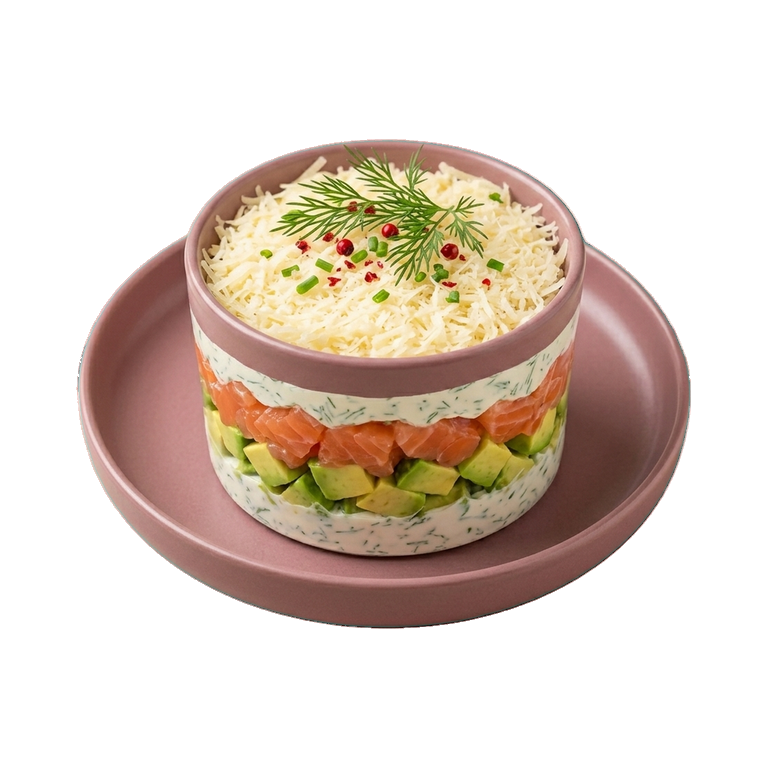
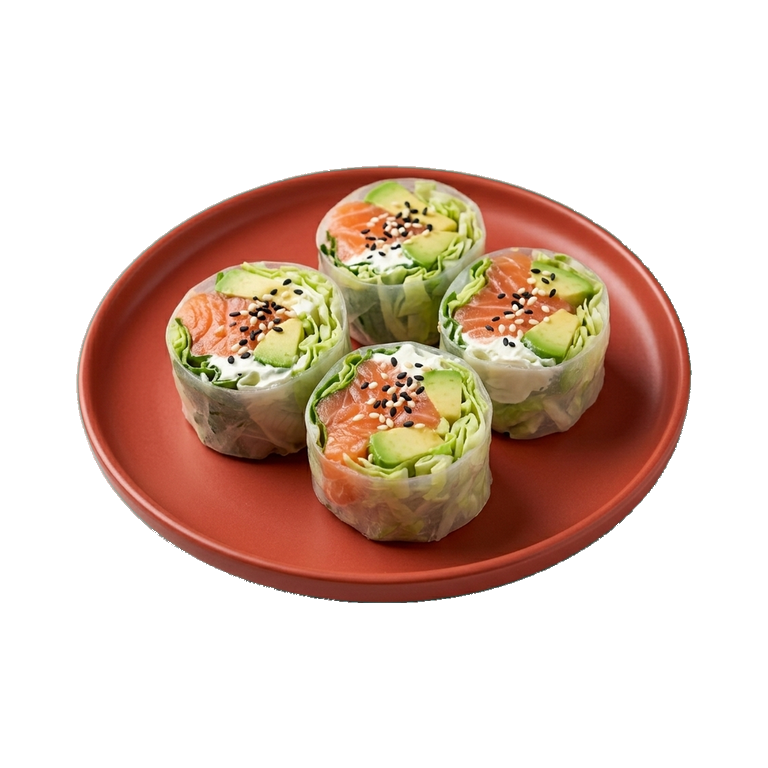
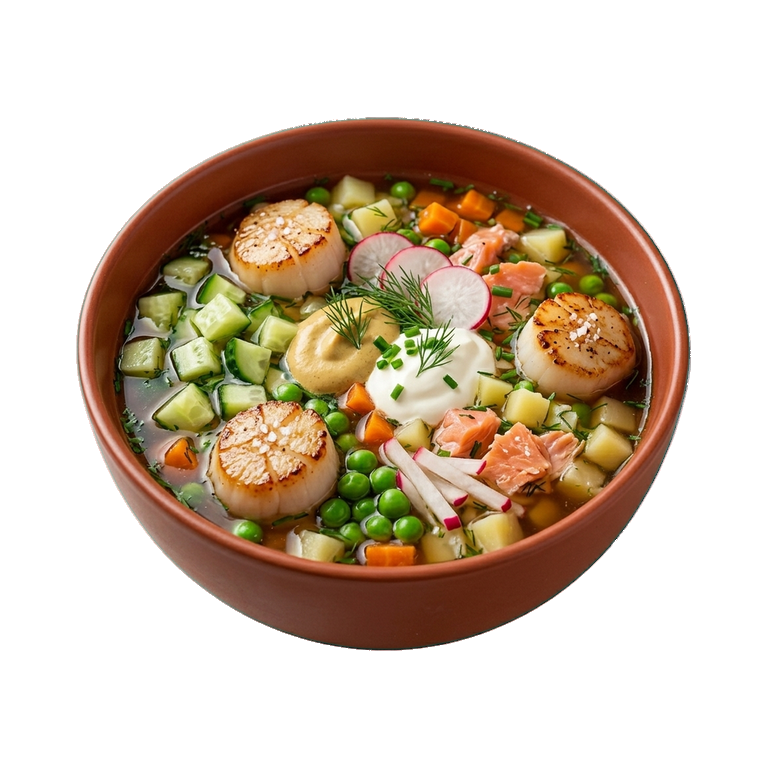
Usuba
Usuba
Lightly salted salmon
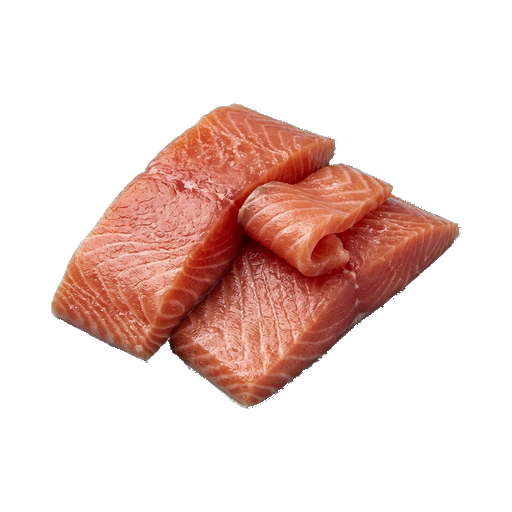
Lightly salted salmon is fish fillet processed with salt and spices using minimal curing, preserving a delicate texture and natural flavor. The fish has a delicate, slightly salty taste with a characteristic rich fishy aroma and buttery consistency. Used in appetizers, sandwiches, salads and sushi, requires refrigeration and quick use after opening the package, as a less salted product has a shorter shelf life than traditional caviar or heavily salted fish.
About
Lightly salted salmon is a delicacy that occupies a special place between fresh fish and classic smoked fish. Gentle salting reveals the natural flavor of the fish while preserving its tender texture and juiciness. Such salmon is ready to eat straight from the package, but it does require understanding how to best use it in the kitchen.
Taste and Aroma
Lightly salted salmon has a delicate, subtle flavor. Salt here does not dominate, but merely emphasizes the natural sweetness of the fish and its characteristic sea aroma. The flesh remains moist and tender, almost melting in your mouth. If the fish is of high quality, you will notice light nutty notes and a barely perceptible creamy undertone.
The intensity of salting can vary depending on the manufacturer. Some prefer a minimal amount of salt, while others add a bit more for better preservation. When choosing, pay attention to the appearance: the fish should be pink-orange, without white coating or spots.
Role in dishes
Lightly salted salmon is a versatile ingredient that works in both simple and complex compositions. Its main role is to be the star of sandwiches and canapés. Thin slices lie beautifully on bread with soft cream cheese, avocado, or fresh herbs.
- Salads with leafy greens, cucumber and lemon dressing
- Rice and sushi bowls with vegetables and soy-based sauce
- Pasta with creamy sauce, where salmon is added at the end of cooking
- Omelets and egg dishes for breakfast
- Appetizers for a festive table with cream cheese and capers
Pairings and Sauces
Lightly salted salmon works well with acidity — lemon, lime, or white vinegar enhance its flavor and make the dish fresher. Creamy sauces don't compete with the fish; instead, they create a harmonious backdrop. Mustard, especially Dijon, adds the necessary sharpness without overpowering the delicate taste.
Companion vegetables: fresh cucumber, tomatoes, red onion, avocado, radish. Herbs — dill, parsley, arugula, watercress. Unusual combinations work well too: pickled vegetables, ginger, and wasabi. Avoid overly heavy, fatty sauces — they overload the dish.
Selection and Storage
When purchasing, pay attention to the color — it should be uniform, bright pink or orange. Avoid matte, pale, or spotted pieces. The smell should be pleasant, oceanic, without any off-notes. The flesh should not be sticky or slimy.
- Store in the refrigerator at 0–4 °C in original packaging
- Shelf life is usually 7–10 days after opening the package
- If transferred to a container, use an airtight one to prevent the smell from being absorbed by other products
- Can be frozen, but best used within 2–3 months
- Before serving, let the fish rest at room temperature for 10–15 minutes — this will allow the flavor to open up more fully
Lightly salted salmon is not just an ingredient, but a way to quickly make a dish look and taste like it's from a good restaurant. The key is not to overcomplicate things: it's better to let the fish shine than to overwhelm it with an abundance of spices and sauces.
Nutrition
per 100 g
- Calories
- 190 kcal
- Protein
- 21 g
- Fat
- 12 g
- Carbs
- 0 g
Measures and weight
- 1 slice
- 20 g
Measure calculator
- Weight
- 100 g
- Calories
- 190 kcal