Usuba
Usuba
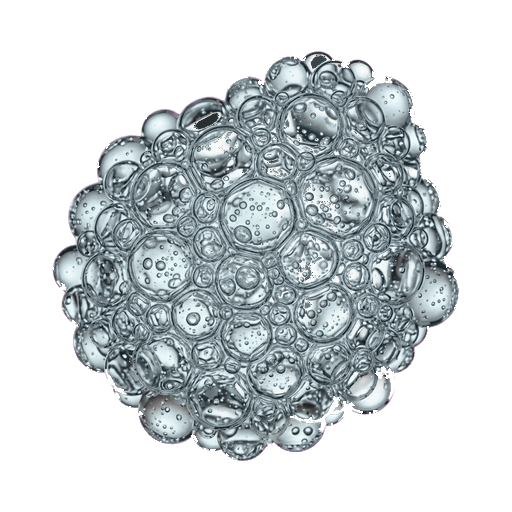
Mineral water
Mineral water contains dissolved mineral salts and trace elements that give it a distinctive taste and beneficial properties. In cooking, it is used for preparing dough, cooking grains and pasta, as well as a base for beverages and cocktails. When choosing mineral water, it is important to pay attention to the mineralization level — low-mineralized water is suitable for everyday use, while high-mineralized water can alter the taste of a dish and requires careful application.
About
Mineral water is not just a beverage, but a working ingredient in the kitchen. In cooking, it acts as a helper: makes dough airier, preserves the brightness of vegetables during boiling, helps dissolve oil in sauces. Carbonated or still — each option finds its place in recipes.
Taste and mineral composition
Mineral water can taste almost imperceptible or distinctly salty — it all depends on the salt concentration. Water with high mineralization (over 1000 mg/l) will give a dish a slight saltiness and bitter tint, which can spoil a delicate cream or light sauce. For cooking, it's better to choose water with low or medium mineralization — it won't compete with the main ingredients.
Carbonated water works through bubbles. They aerate the batter for pancakes, breading, and sponge cakes — so you don't need to whip eggs as much or add as much leavening agent. Carbon dioxide also helps cook hard vegetables faster by slightly softening their structure.
Where it works in dishes
- Batter for pancakes, breading, batter — carbonated water creates fluffiness and lightness
- Cooking vegetables and pasta — helps preserve color and speed up the process
- Cold drinks and cocktails — carbonated water dilutes concentrated juices and syrups
- Making ice — for transparent ice cubes, it is better to use boiled or distilled water
- Dissolving gelatin and making jelly — soft water better dissolves gelling agents
How to Choose for Cooking
Check the label: it shows mineralization (TDS or total dissolved solids). For cooking, water with mineralization up to 500 mg/l is suitable — it's neutral and won't affect the taste of your dish. Sparkling water is only needed when you specifically want to use the bubbles: for light dough, breading, or beverages. For regular boiling and sauce preparation, choose plain still water.
If the water is too hard (high in calcium and magnesium), it may become cloudy when heated and leave sediment. This is not critical for cooking, but it is unpleasant. Check if there is chlorine in the water by smell — its presence can transfer to the dish.
Storage and Practical Tips
Carbonated water loses its bubbles within a day of opening the bottle. If you plan to cook with it, use it within a few hours. A closed bottle can be stored in a cool place for months. Uncarbonated mineral water in an open container should be kept in the refrigerator for no more than a week.
It's most convenient to have two bottles on hand in the kitchen: one carbonated for dough and beverages, and one non-carbonated with low mineralization for cooking and sauces. This will save time and protect you from failed experiments with brackish broth.
Nutrition
per 100 ml
- Calories
- 0 kcal
- Protein
- 0 g
- Fat
- 0 g
- Carbs
- 0 g
Measures and weight
- 1 tbsp
- 15 g
- 1 tsp
- 5 g
- 1 cup
- 250 g
Measure calculator
- Weight
- 100 g
- Calories
- 0 kcal