Usuba
Usuba
Noodles
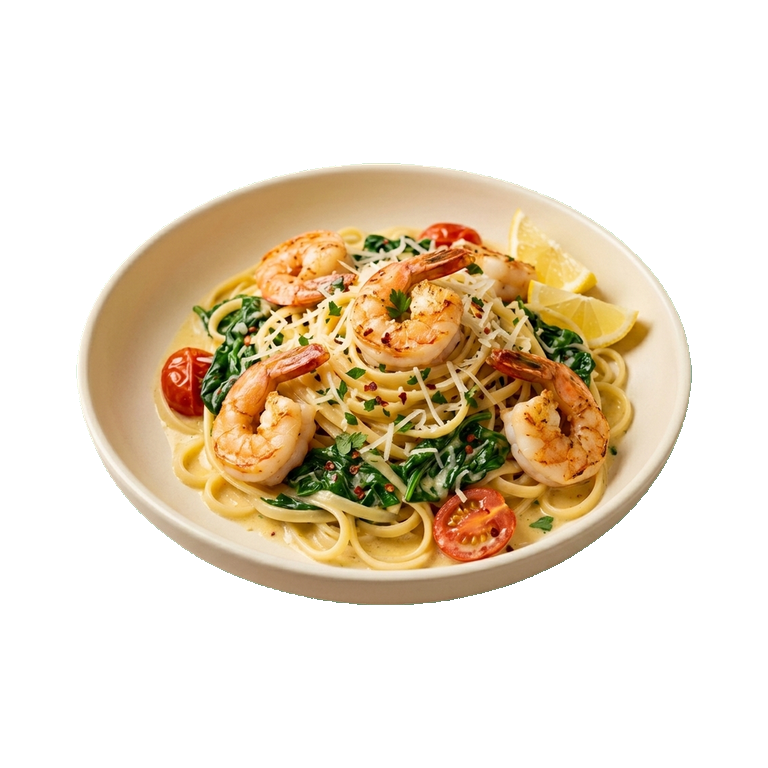
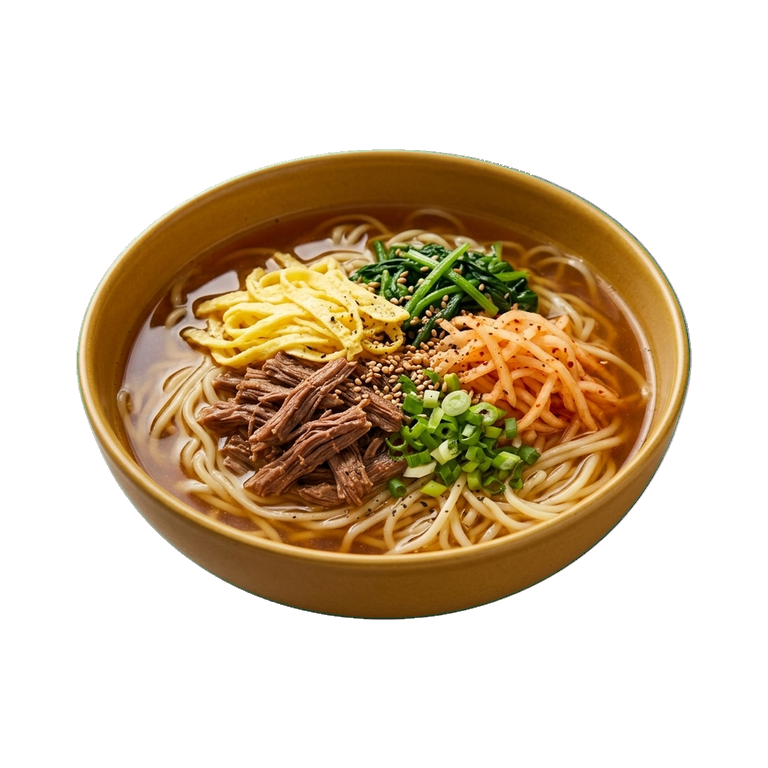
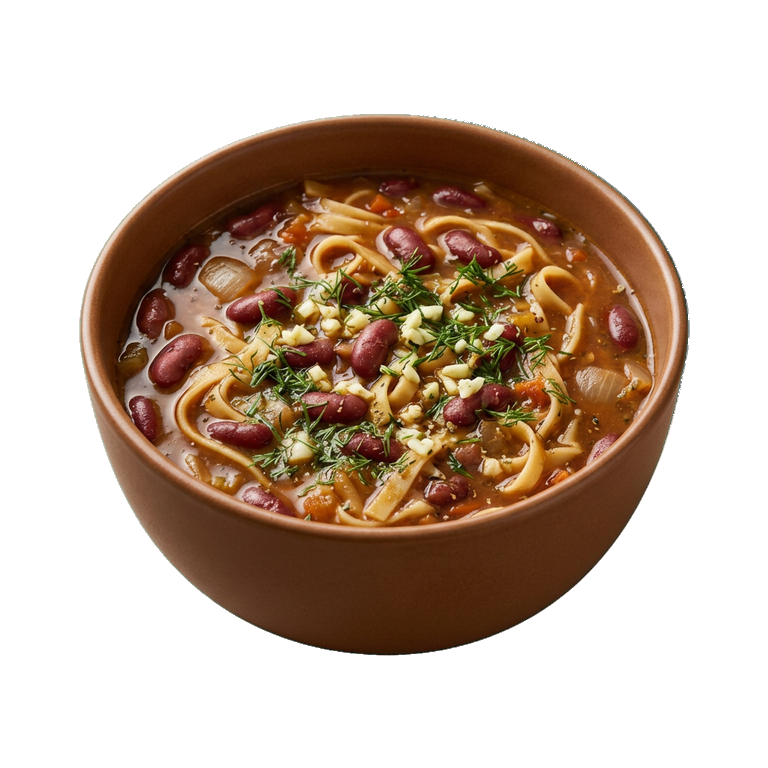
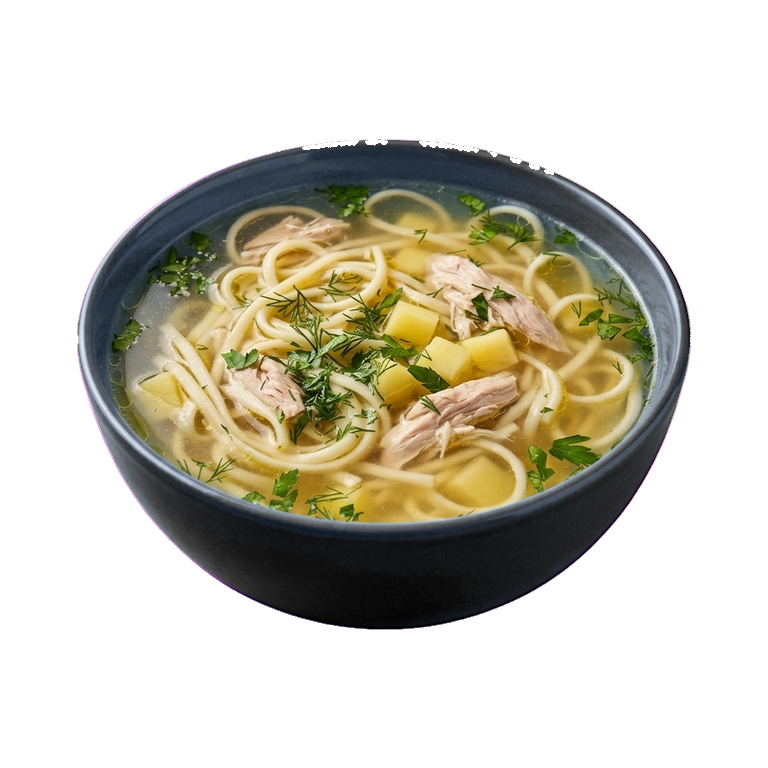
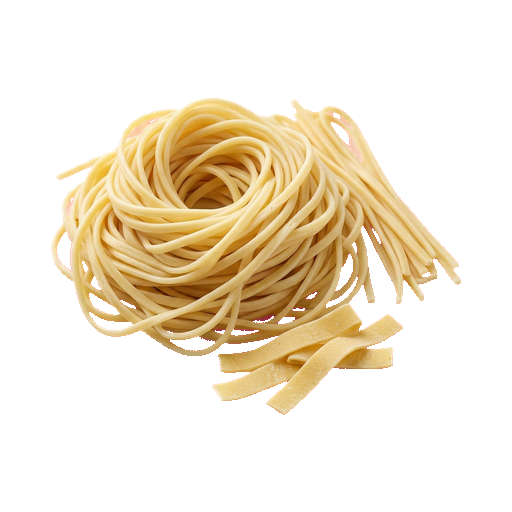
Noodles are long strips of dough made from flour and eggs, cooked until soft. Used as a main side dish in soups, hot dishes and salads, they absorb the flavors of sauces and broths. When choosing noodles, pay attention to the cooking time indicated on the package, and remember that fresh noodles cook faster than dried ones.
About
Noodles are one of the most versatile and rewarding ingredients in the kitchen. They are not just pasta, but an entire world of possibilities: from thin strands that cook in just two minutes, to thick wavy ribbons capable of withstanding long cooking in thick sauce or broth. Each type of noodle behaves differently, and understanding these differences is the key to a successful dish.
Variety of shapes and textures
- Thin noodles absorb sauces instantly and are great in light dishes — soups, salads, with delicate gravies
- Medium noodles are versatile: they hold their shape in hot dishes and pair well with meat and vegetable sauces
- Wavy noodles, thanks to their texture, better capture sauce and create an interesting texture in the finished dish
- Dense noodles made from durum wheat hold their elasticity longer and are suitable for dishes cooked over high heat
How to cook and when to add
The main rule is to follow the cooking time indicated on the package, but always check the taste a minute before the end. The noodles should be soft but with a slight resistance when bitten. If you are cooking noodles for soup, add them to boiling broth at the very end — this way they won't overcook and will remain springy. For frying or stewing, semi-raw noodles are often used, which finish cooking in the sauce and absorb its flavor.
Pairings and role in dishes
- With meat sauces — noodles become the foundation on which the rich flavor of long stewing unfolds
- In soups and broths — noodles absorb aromas and make the dish more satisfying without overloading it
- With vegetables and light gravies — thin noodles don't compete, but complement delicate flavors
- In Asian dishes — noodles are often fried with vegetables and proteins, absorbing soy sauce and spices
Selection and Storage
When purchasing, pay attention to the composition: pasta made from durum wheat takes longer to cook, but holds its shape better. Check for cracks and chips — these are signs of improper storage. Dry pasta is stored in an airtight container at room temperature, away from moisture and odors. Fresh pasta is kept in the refrigerator and prepared within a few days. Cooked pasta can be frozen, but it's better to use it fresh or add it directly to a finished dish.
Noodles are not just a side dish. They are a tool that allows you to control the texture and absorbency of a dish. Try different types in one recipe and feel how the result changes. Over time, you will learn to choose noodles intuitively, for each dish.
Nutrition
per 100 g
- Calories
- 371 kcal
- Protein
- 12.3 g
- Fat
- 1.1 g
- Carbs
- 74.2 g
Measure calculator
- Weight
- 100 g
- Calories
- 371 kcal