Usuba
Usuba
Buttermilk
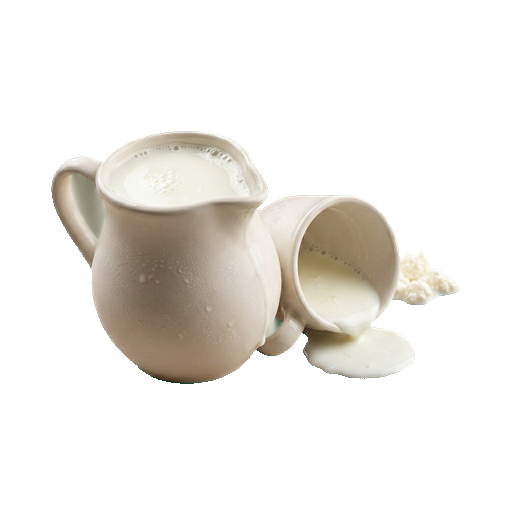
Buttermilk is a liquid byproduct that remains after churning cream into butter. It has a slightly tangy flavor and liquid consistency, making it indispensable in baking, where it helps dough rise through interaction with baking soda. In cooking, buttermilk is used to prepare pancakes, cupcakes, cookies, and marinades, giving baked goods tenderness and fluffiness, while imparting softness and juiciness to meat dishes. When selecting buttermilk, pay attention to the expiration date and acidity, as it becomes more sour over time, which can affect the outcome of your dish.
About
Buttermilk is the liquid that remains after churning butter from cream. Many people think it's just a byproduct, but in fact it's a valuable ingredient with its own character. Its acidity, light texture, and delicate buttery flavor make it indispensable in baking, beverages, and sauces. Cooking with buttermilk means getting a softer crumb, more tender dough, and more vibrant flavors.
Taste and Aroma
Buttermilk has a slightly tangy, refreshing taste — not sharp, but mild and pleasant. This acidity comes from lactic acid bacteria that naturally develop in the product. At the same time, you can feel a delicate buttery background that reminds you of its origin. The aroma is calm, milky, without harsh notes.
Role in dishes
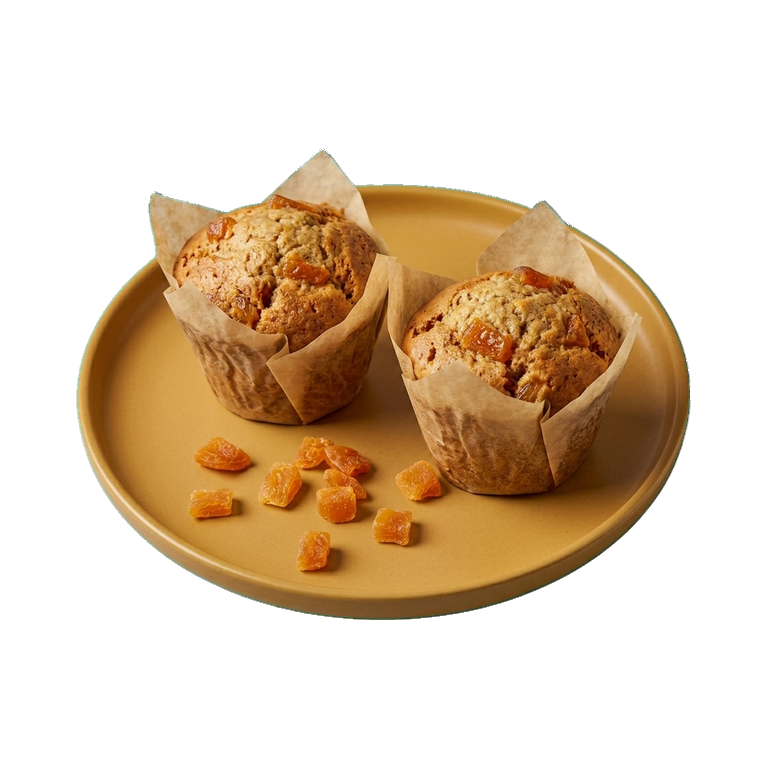
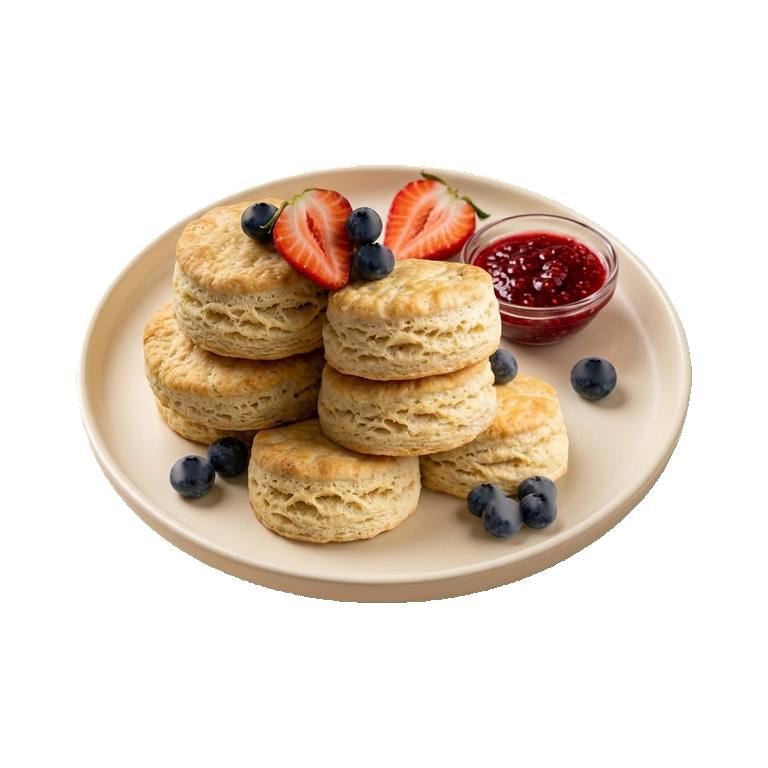
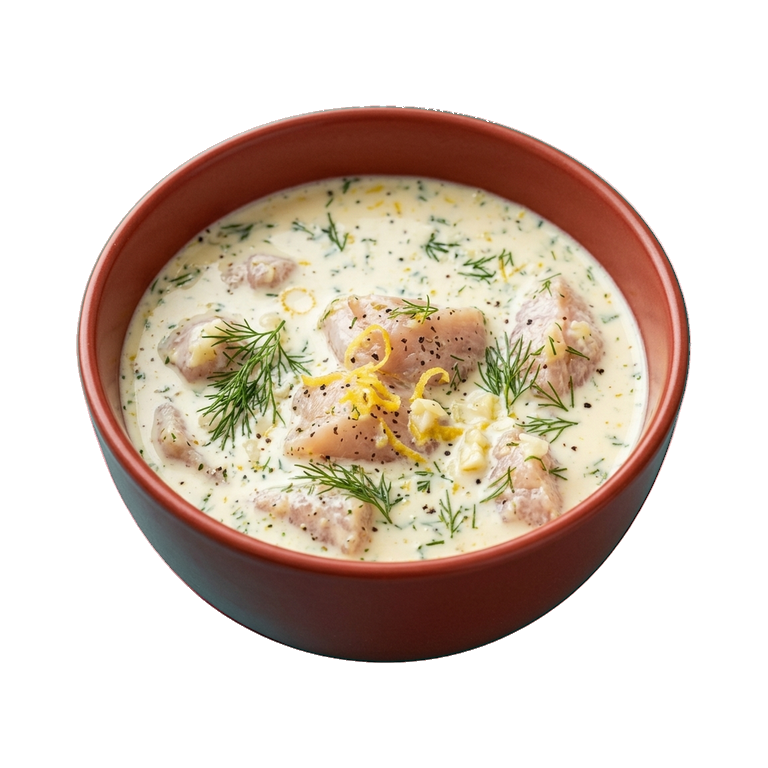
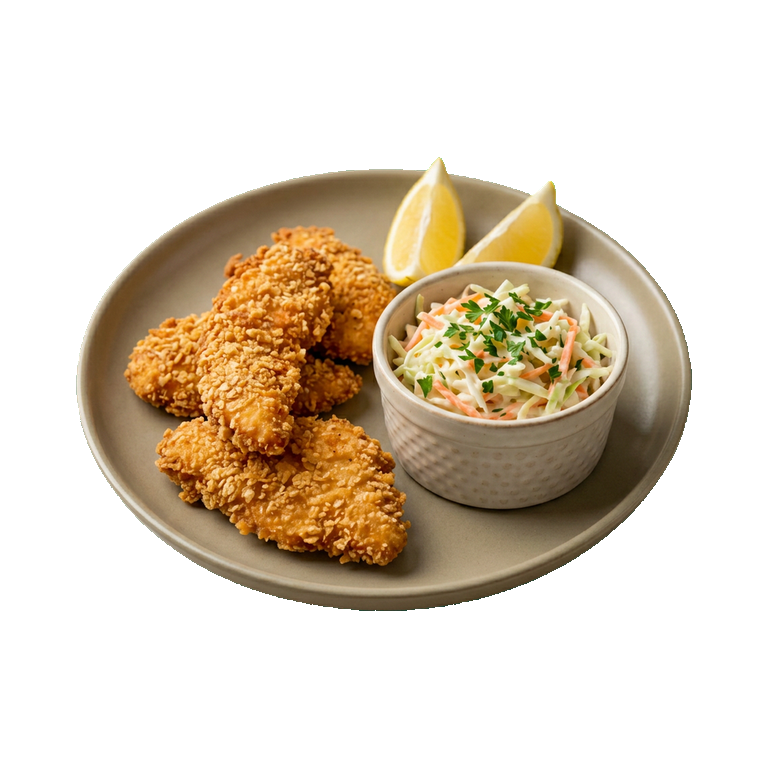
In baking, buttermilk works as a leavening agent and tenderizer. Its acidity reacts with baking soda, creating gas bubbles that make pancakes, muffins, and cookies airy and fluffy. At the same time, it adds moisture, so baked goods turn out more tender and stay fresh longer. In beverages, buttermilk becomes the base for lassi, cocktails, and smoothies — its acidity balances sweetness and provides a refreshing effect. In sauces and marinades, it tenderizes meat and adds depth of flavor.
Successful Pairings
- Buttermilk + baking soda — a classic pair for fluffy baked goods
- Buttermilk + honey or sugar — the base for drinks and dessert sauces
- Buttermilk + spices (turmeric, cumin, coriander) — the base for Indian drinks and marinades
- Buttermilk + garlic and herbs — the base for spicy sauces for vegetables and meat
- Buttermilk + vanilla and cinnamon — for sweet baked goods and porridges
Selection and Storage
When selecting buttermilk, pay attention to the production date — the fresher, the better. A good product has a uniform consistency without lumps or separation. The smell should be milky, without any off-notes. Store buttermilk in the refrigerator at a temperature of 2–4 degrees in a closed container. The shelf life is usually 1–2 weeks, but it is better to use it within a few days after opening the package. If the buttermilk has separated or an unpleasant odor has appeared, it is no longer suitable for use.
If you don't have buttermilk on hand, you can make a substitute: mix regular milk with lemon juice or vinegar in a 1:1 ratio of one tablespoon of acid per cup of milk. Let the mixture sit for 5–10 minutes, and it will thicken and acquire the desired acidity.
Buttermilk is not just a fermented milk product, but an active player in the kitchen. It makes baking better, drinks refreshing, and dishes tastier. It's worth trying to add it to your favorite recipes and see the difference.
Nutrition
per 100 ml
- Calories
- 40 kcal
- Protein
- 3.3 g
- Fat
- 0.9 g
- Carbs
- 4.8 g
Measures and weight
- 1 tbsp
- 15.5 g
- 1 tsp
- 5.2 g
- 1 cup
- 257.5 g
Measure calculator
- Weight
- 100 g
- Calories
- 39 kcal