Usuba
Usuba
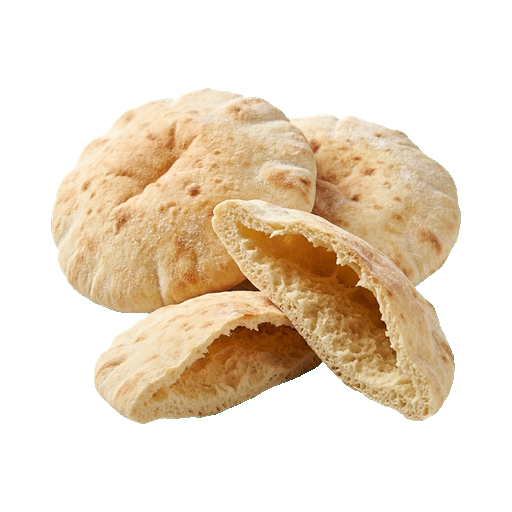
Pita
Pita is a thin flatbread made from leavened dough that forms an airy pocket inside during baking. Thanks to this pocket, it's convenient to use as a wrapper for fillings in shawarma, kebab, or other Middle Eastern dishes, as well as to serve with soups and appetizers. When choosing pita, pay attention to its softness and the absence of cracks — it's better to buy fresh pita, as stale flatbread loses its elasticity and doesn't open well.
About
Pita is a thin, soft bread with an airy structure that easily opens in half, creating a convenient pocket for fillings. Thanks to this feature, it has become an indispensable helper in the kitchen: ideal for sandwiches, wrapping meat and vegetables, and serving with sauces and dips. The bread cooks quickly, absorbs moisture and flavors well, but remains structured and doesn't fall apart in your hands.
Texture and taste
Fresh pita has a soft, slightly chewy crumb with a delicate buttery flavor. The crust is thin and flexible, barely crispy. As the bread cools, it becomes denser, but still easily crumbles. A characteristic sign of quality pita is the presence of an air pocket inside, which forms during baking thanks to rapid heating in the oven.
Where to use pita
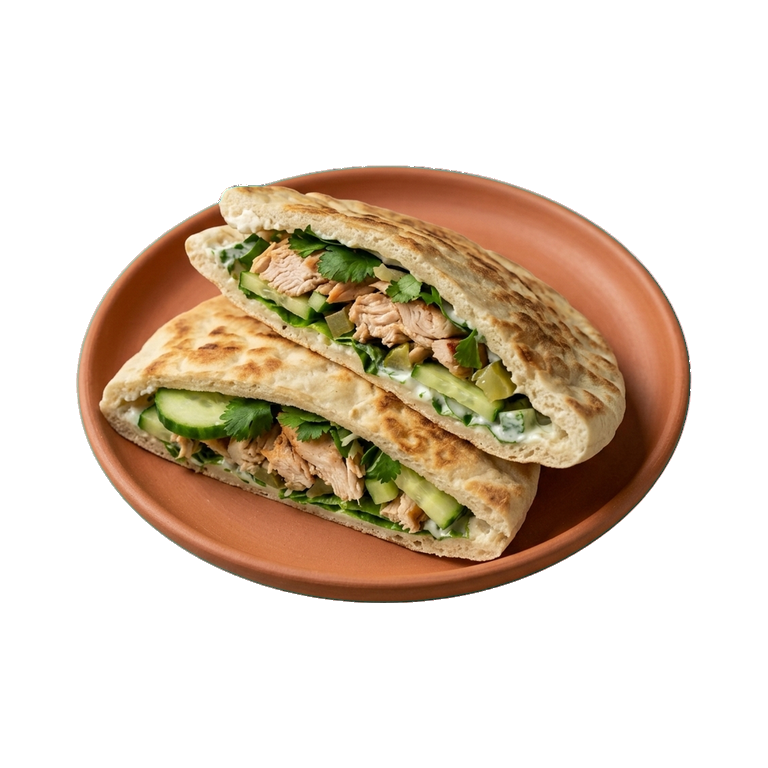
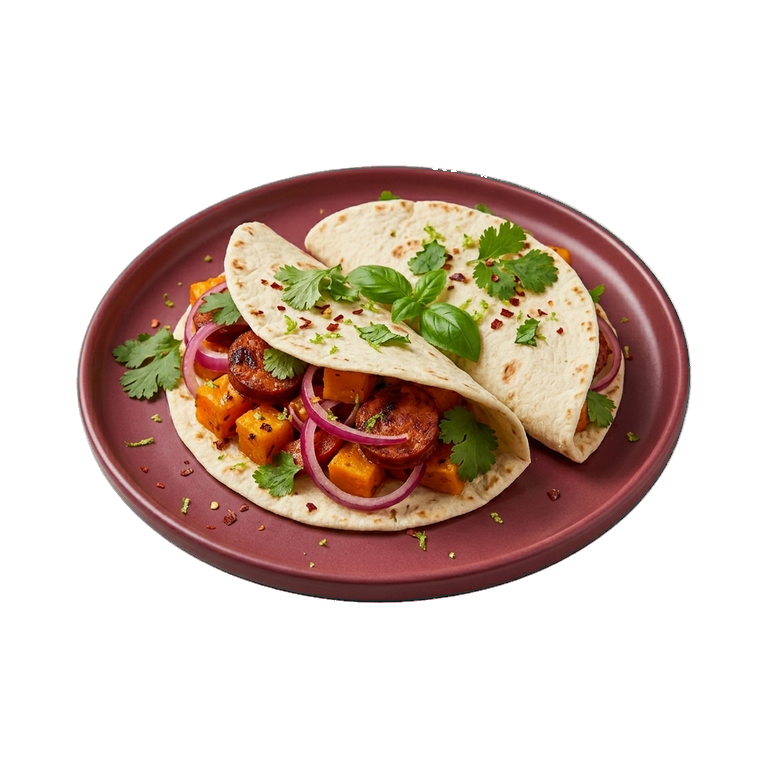
- Sandwiches and shawarma — a classic use when the filling is packed right into the pocket
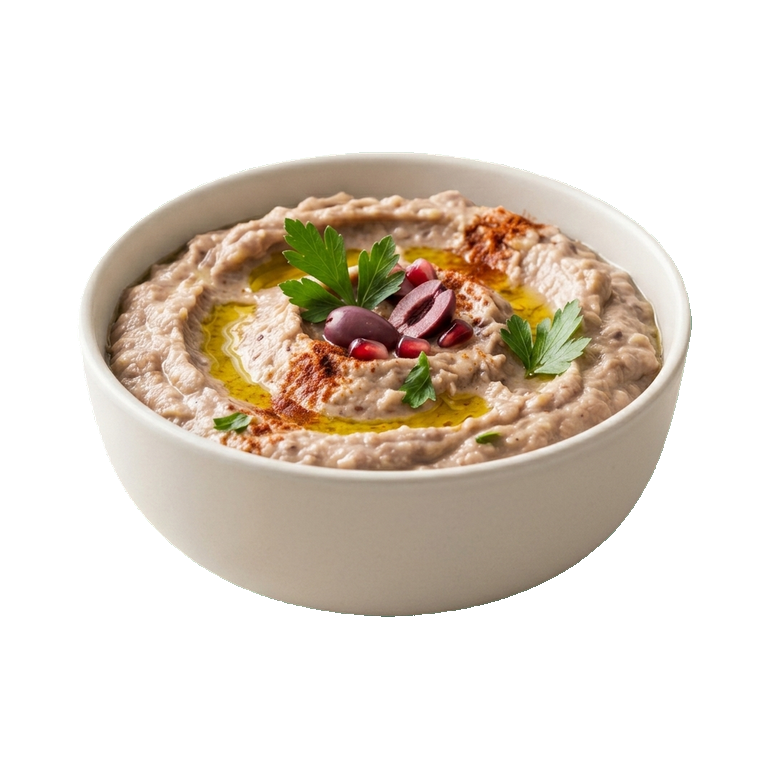
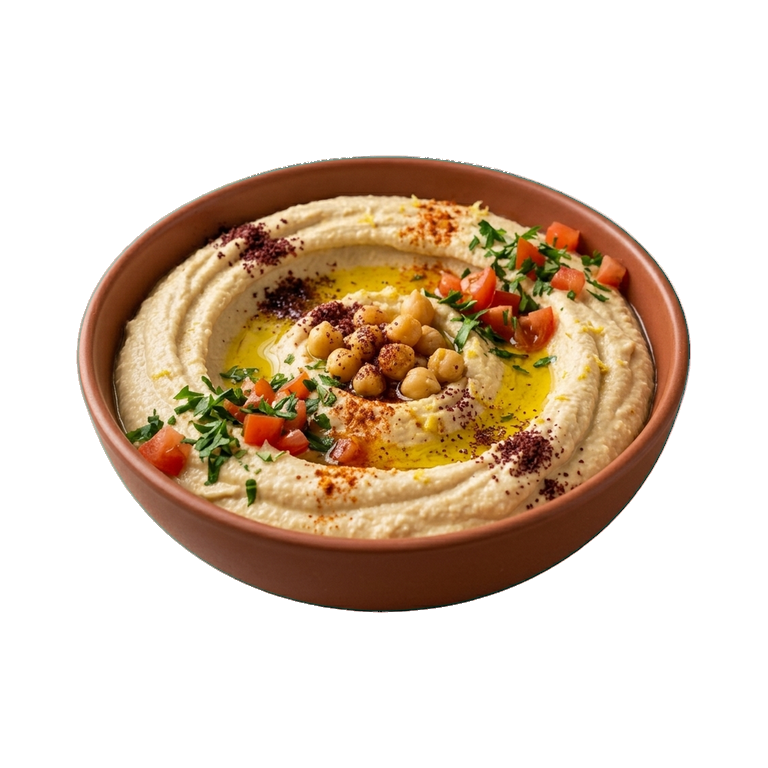
- Appetizers and mezze — pita cut into triangles is perfect for hummus, eggplant paste, yogurt sauces
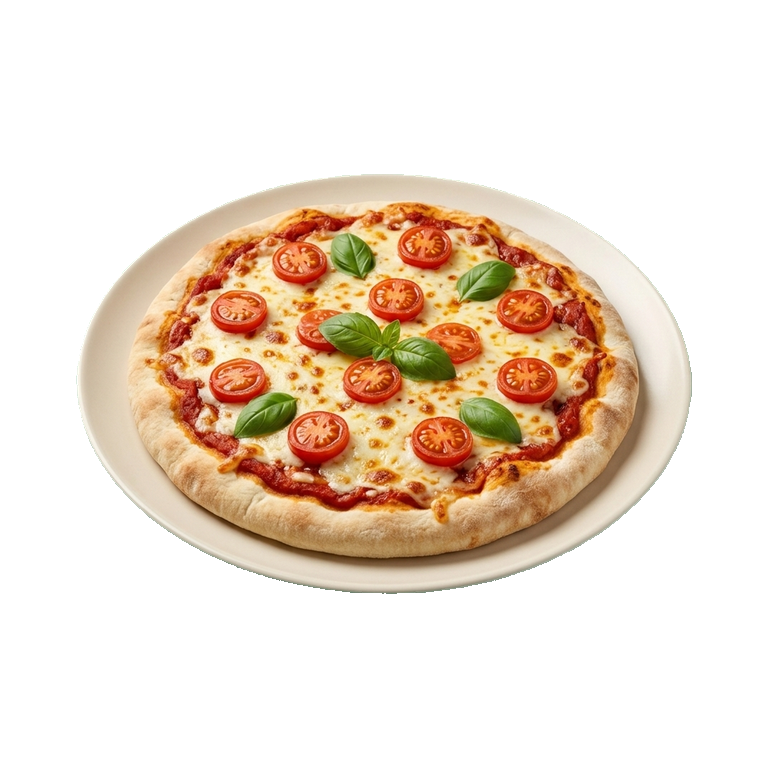
- Pizza on pita — a quick option when bread serves as the base for tomato sauce and fillings
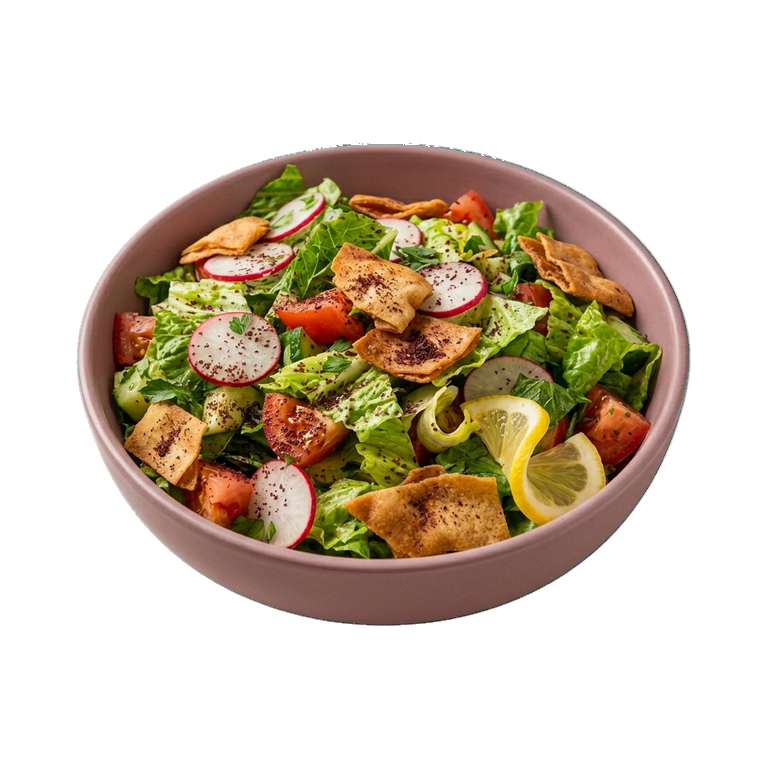
- Salads — crumbled pita pieces add substance to the salad and absorb the dressing
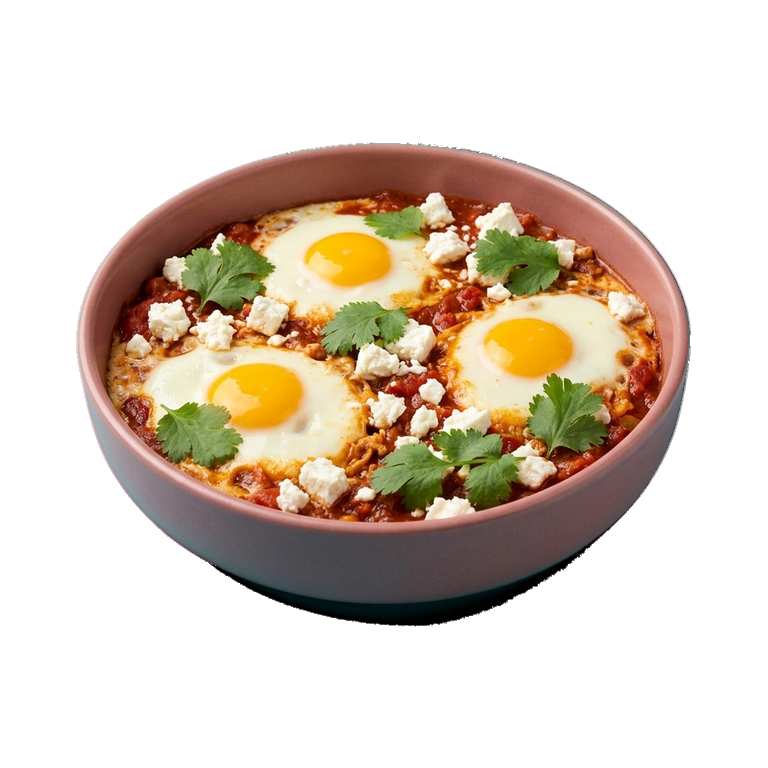
- Breakfasts — with cheese, bacon, eggs or jam
Combinations and pairings
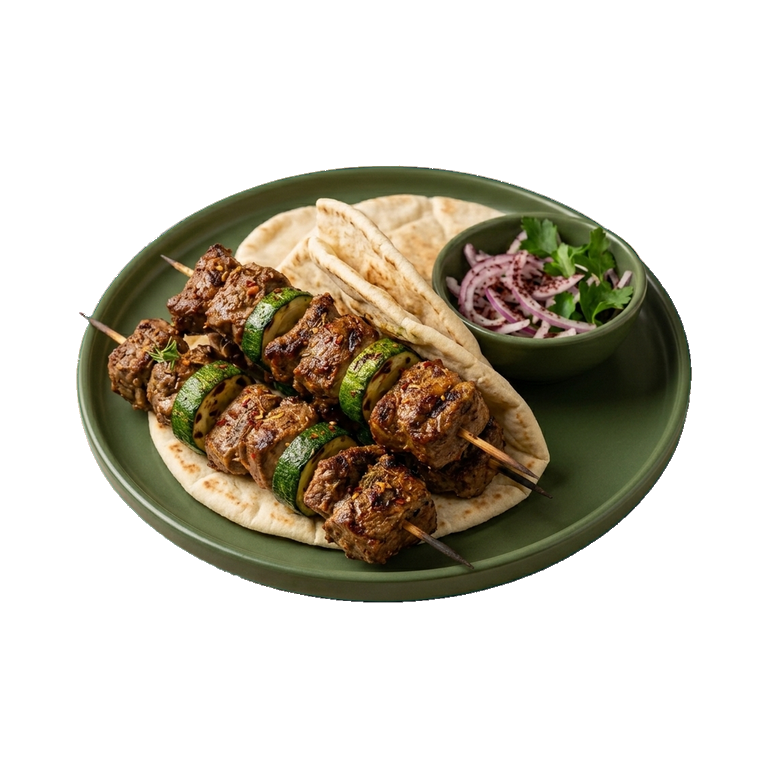
Pita works well with spicy and savory fillings: chicken with garlic and lemon, beef with spices, lamb with herbs. Vegetable combinations — tomatoes, cucumbers, red onion, lettuce — become more vibrant thanks to the softness of the bread. Dairy sauces, sour cream and yogurt balance out the heat. Pita absorbs oily sauces without losing its shape, making it versatile for Mediterranean, Middle Eastern, and Indian cuisine.
Selection and Storage
- When buying, pay attention to the softness of the bread — it should not be hard or brittle
- Check for a pocket inside — this is a sign of proper baking
- The smell should be neutral, wheaty, without sour or musty notes
- It is best to store pita in a paper bag or cotton cloth at room temperature — in plastic it softens quickly and may become moldy
- In the refrigerator, bread lasts longer but stales faster; in the freezer, pita can be kept for a month, reheating before use
- Slightly dried pita is easy to revive — just sprinkle with water and heat in the oven or on a skillet
Pita is most convenient to cook at home: the dough comes together quickly, and baking takes just a few minutes. Fresh bread from the oven — soft, warm, and with a perfect pocket — is a completely different product than what you find packaged in stores.
Nutrition
per 100 g
- Calories
- 275 kcal
- Protein
- 9 g
- Fat
- 1.5 g
- Carbs
- 55 g
Measures and weight
- 1 pcs
- 65 g
Measure calculator
- Weight
- 100 g
- Calories
- 275 kcal