Usuba
Usuba
Poppy
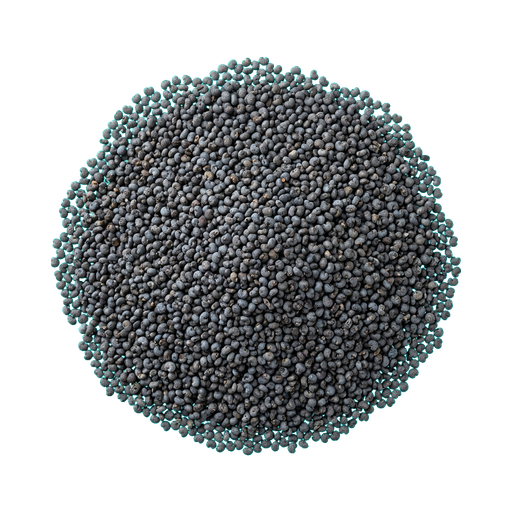
Poppy seeds are tiny black seeds with a nutty, slightly sweet flavor and earthy aroma. Used in baking, desserts, and as a topping for buns, they add a characteristic crunch and depth of flavor to dishes. When purchasing, choose fresh poppy seeds without a musty smell, as the oil in the seeds oxidizes over time, and store in the refrigerator or freezer to preserve the aroma.
About
Aroma and taste
Poppy seeds are small black seeds with a barely perceptible nutty aroma and a slightly sweet taste. When you rub them between your fingers, a more pronounced smell emerges, reminiscent of roasted almonds. Fresh poppy has a cleaner and brighter scent, but stale poppy can develop a musty tone, so it's always worth checking the smell before use.
When heated, the aroma of poppy seeds becomes more intense and deeper. If you lightly roast the seeds in a dry pan before adding them to the dish, they will reveal their full potential — warmth, a subtle bitterness, and a more pronounced nuttiness will emerge.
Role in dishes and pairings
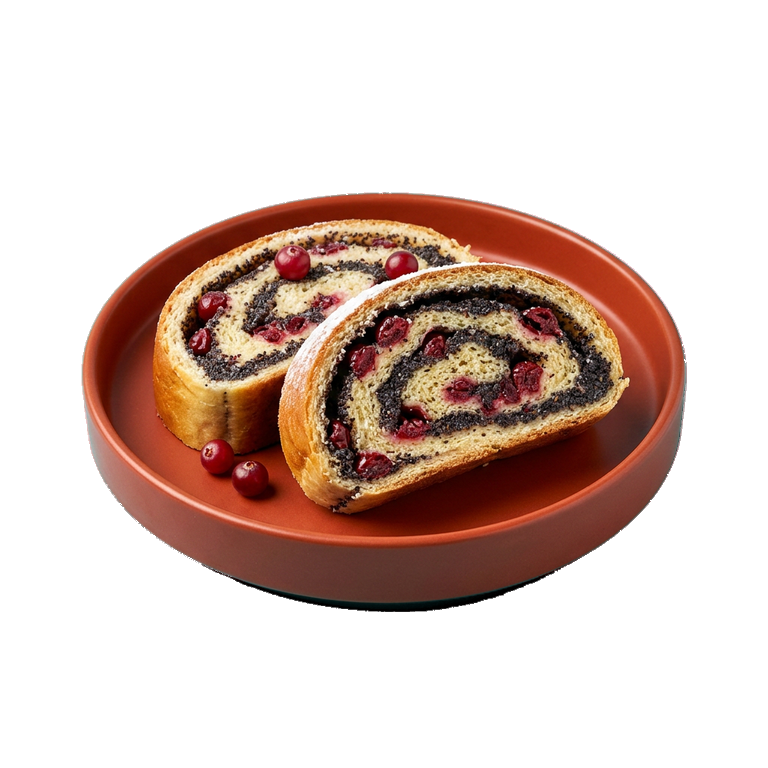
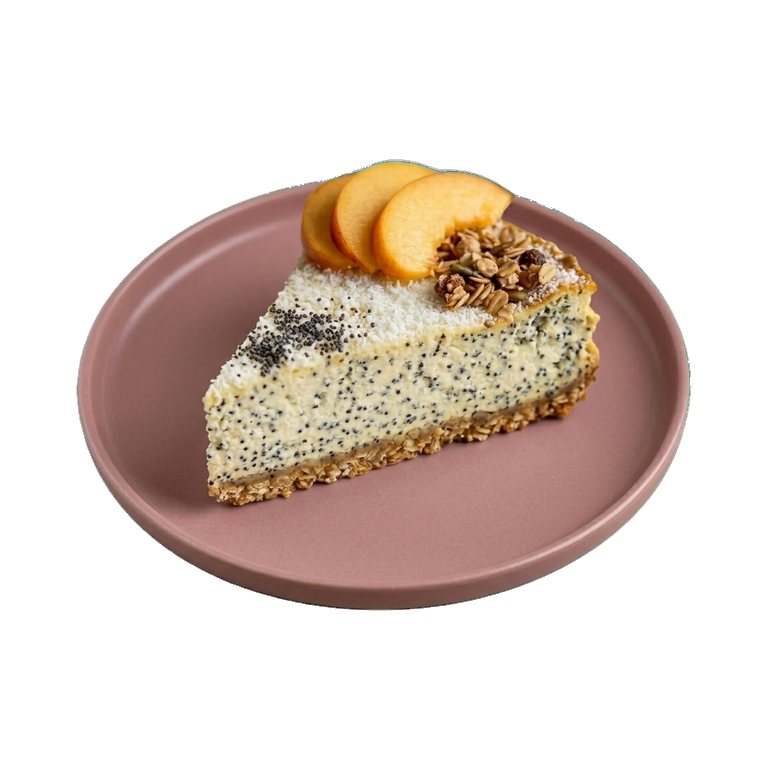
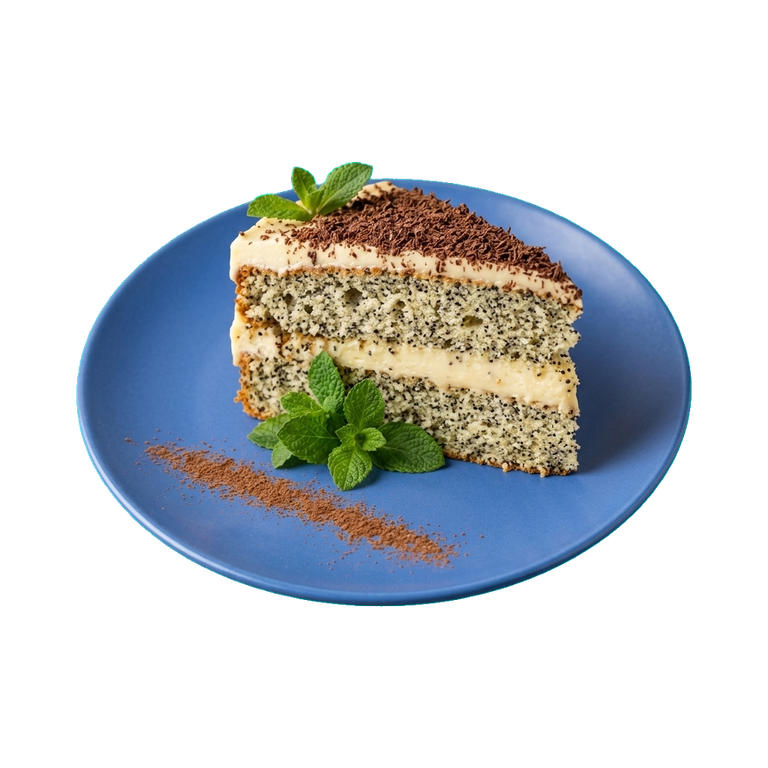
Poppy seeds are a versatile ingredient that works equally well in both sweet and savory dishes. In baking, they add texture and a subtle nutty undertone without overpowering the main flavors. In a filling paste, poppy seeds become softer, absorb sugar and milk, creating a delicate mass with a pleasant grainy texture.
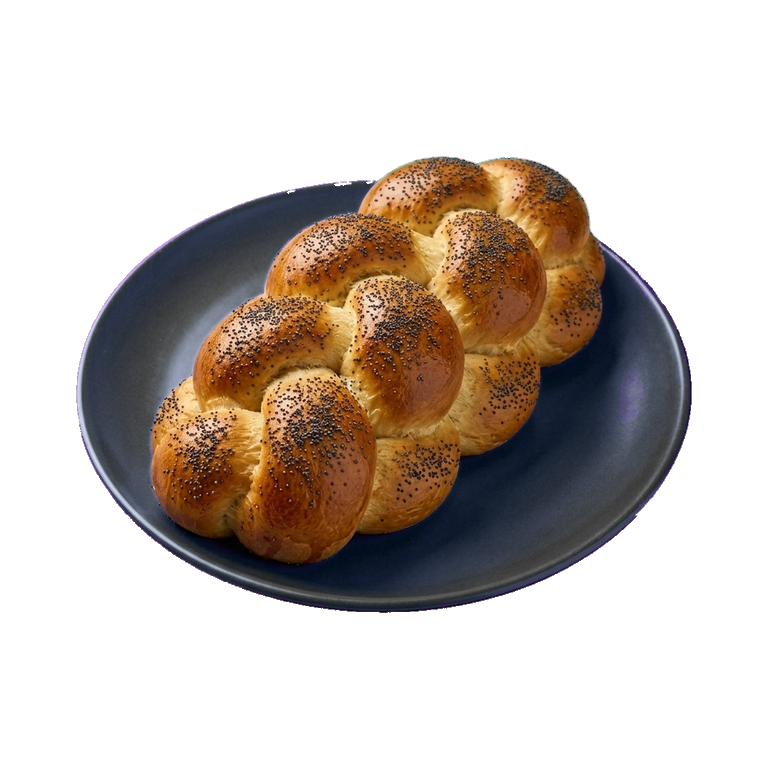
In savory dishes, poppy seeds are often used as a topping for bread, rolls, and pretzels. They hold well on the surface thanks to their size and slightly oily structure. Poppy seed paste becomes an interesting ingredient for pasta sauces, especially if mixed with cottage cheese, sour cream, or nut butter.
Poppy seeds pair well with dairy products — cottage cheese, sour cream, yogurt. Their nutty character is enhanced alongside honey, vanilla, lemon, and cinnamon. In savory dishes, poppy seeds combine well with cheese, herbs, and spices like cumin or coriander seeds.
Selection and Storage
When buying poppy seeds, pay attention to the color — the grains should be black or dark gray, uniform, without light spots or lumps. Smell the poppy seeds if possible: the aroma should be clean, slightly sweet, without any signs of mustiness or burning. Poppy seeds that have clumped together have likely absorbed moisture and begun to spoil.
Store poppy seeds best in an airtight glass jar in a cool, dry place or in the refrigerator. Poppy seeds contain oils that oxidize over time, so the shelf life is not infinite — approximately 6–8 months at room temperature and up to a year in the refrigerator. If you've bought a large quantity of poppy seeds, you can freeze part of it in the freezer.
Before using poppy seeds, they are often soaked in hot water, milk, or cream for 20–30 minutes. This makes the grains softer and helps them better absorb the flavors of other ingredients. If you need poppy seed paste, soaked poppy seeds are easier to grind in a blender or coffee grinder.
Nutrition
per 100 g
- Calories
- 533 kcal
- Protein
- 18 g
- Fat
- 42.2 g
- Carbs
- 28.1 g
Measures and weight
- 1 tbsp
- 9 g
- 1 tsp
- 3 g
- 1 cup
- 150 g
Measure calculator
- Weight
- 100 g
- Calories
- 533 kcal