Usuba
Usuba
Prosciutto di Parma
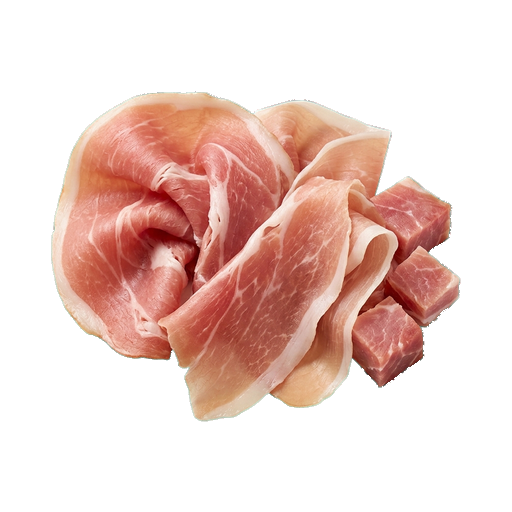
Parma ham is a dry cured ham from northern Italy, known for its tender texture and sweet-salty flavor with subtle nutty notes. It is thinly sliced and served as an appetizer or used in pastas, risottos, and salads, where it adds depth of flavor without overpowering. When selecting, pay attention to the pink color of the meat with white fat streaks — this is a sign of proper aging and quality.
About
Parma ham is not just a meat product, but the result of centuries-old mastery in salting and aging. It is recognized by its characteristic marbled fat pattern, tender texture, and complex taste with honey notes. It is a delicacy that works in the kitchen as a universal tool: from a simple appetizer to the main component in exquisite dishes.
Taste and Aroma
The first thing that strikes you during tasting is the depth of flavor. The ham is not simply salty, but multi-layered: sweet notes sit alongside a subtle bitterness, with a barely noticeable nutty undertone. The aroma is intense, but not sharp — rather piquant and inviting.
Texture is another key factor. The meat melts in your mouth thanks to prolonged aging, and the fat is distributed evenly without leaving a greasy coating on the tongue. This makes ham delicate, despite its density.
How to cook and pair
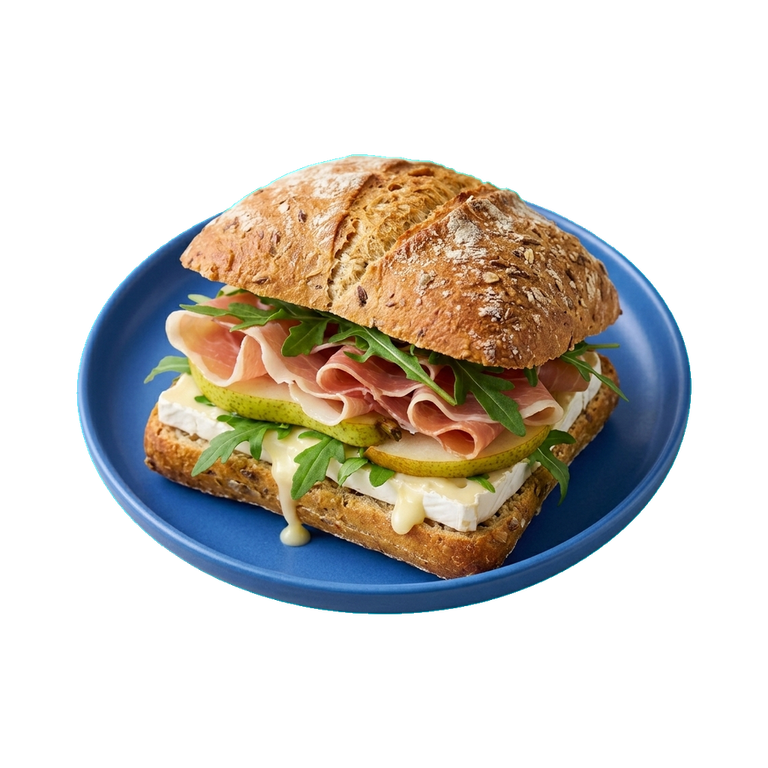
Parma ham is best enjoyed first and foremost thinly sliced and served as is — with bread, mozzarella, or pear. But its role is not limited to an appetizer. It is added to salads, wrapped around vegetables and fruits, and used as a wrapper for soft cheeses.
In the kitchen, ham works well with acidity: balsamic vinegar, white wine, lemon juice emphasize its sweetness and make the taste brighter. Fruits — pears, melon, figs — are its natural partners. Cheeses, especially soft and creamy ones, create a harmonious duet with it.
- On a board with cheese and bread
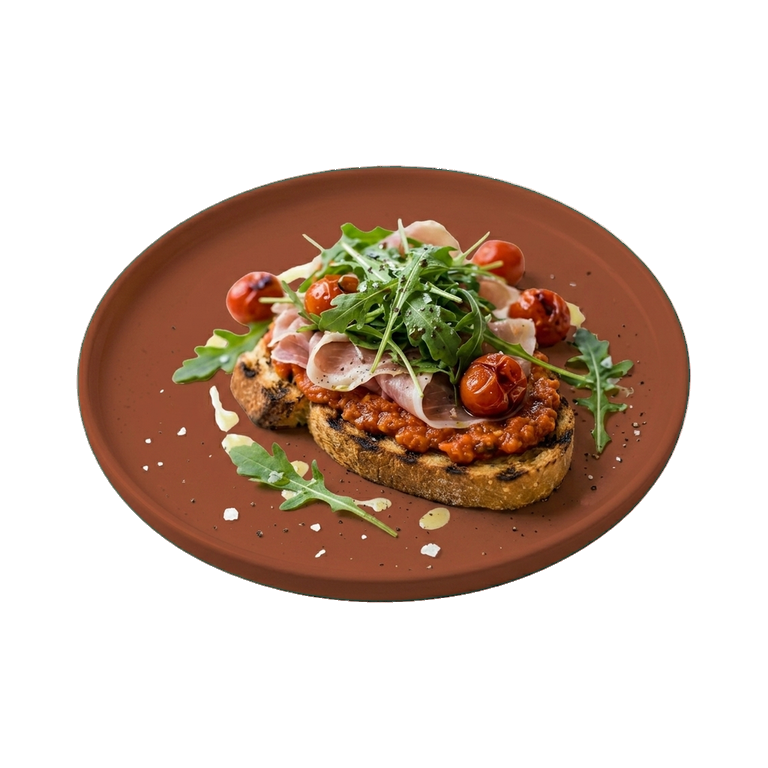
- In salads with arugula and parmesan
- Wrapped around melon or figs
- In pastas and risotto — add at the end of cooking
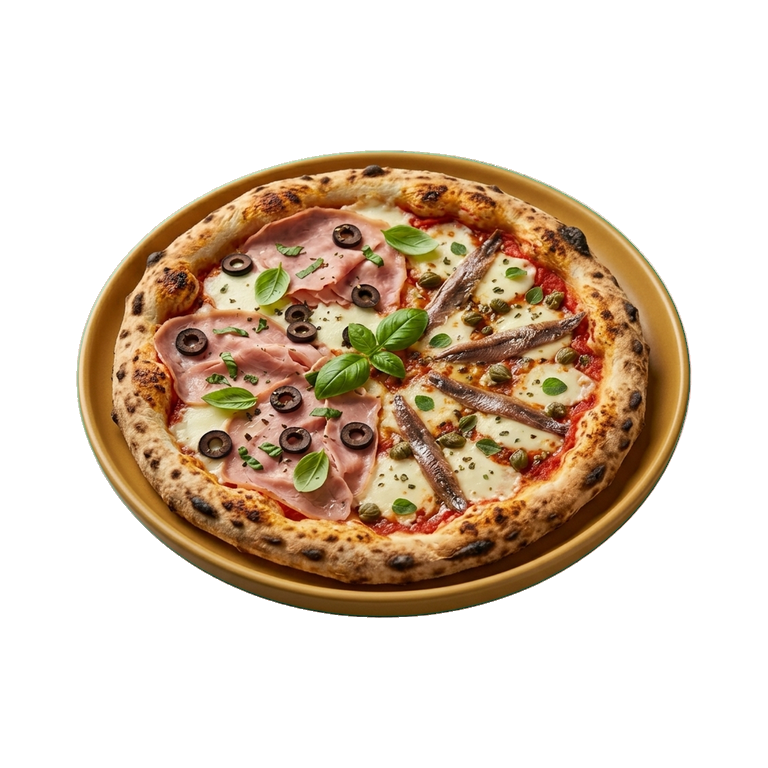
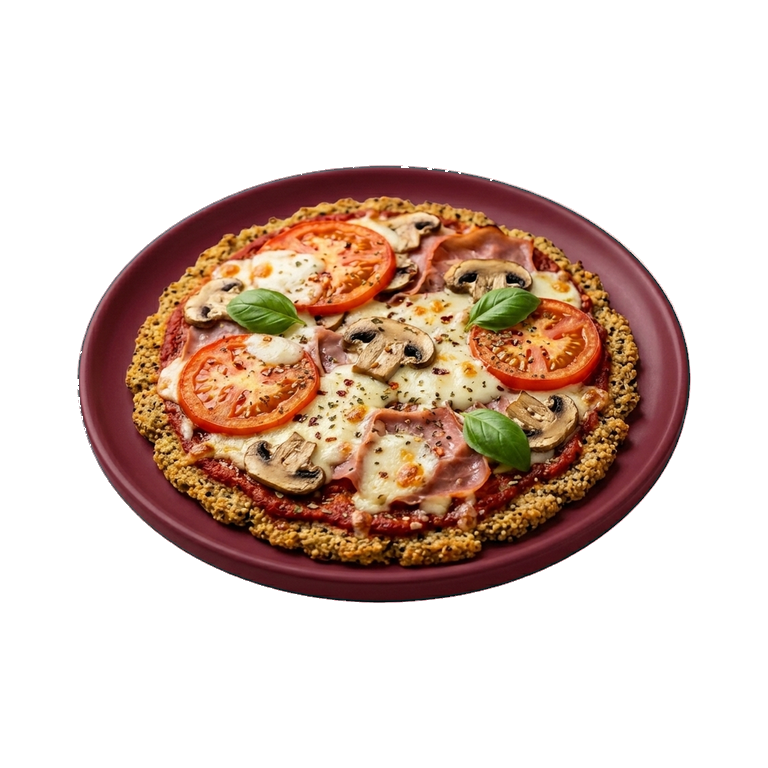
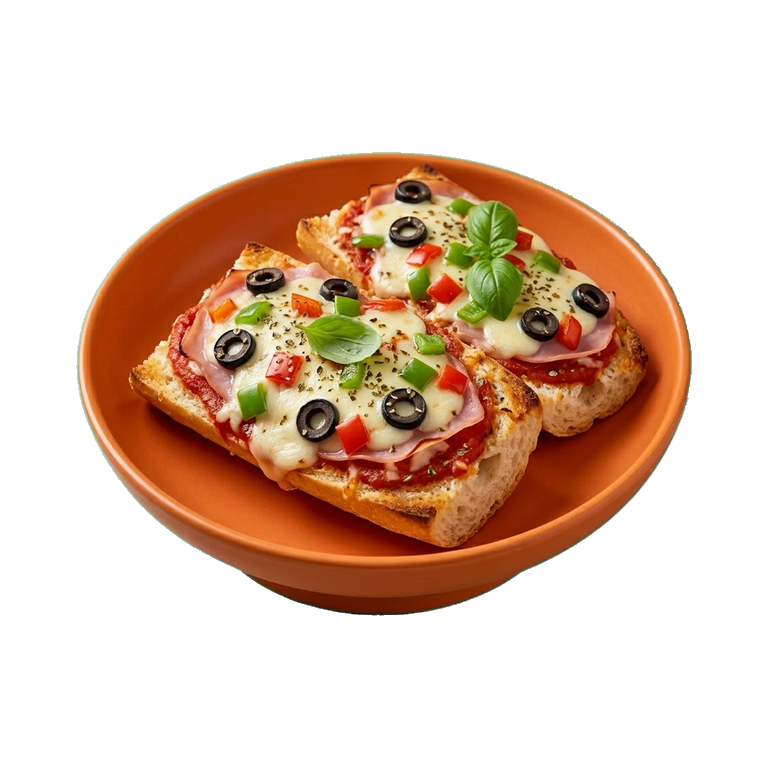
- On pizza — place after baking
Selection and Storage
When purchasing, pay attention to the color — it should be a rich pink without gray spots. The fat looks creamy, almost white, with a marbled pattern. The aroma should be pleasant, without mustiness. If the ham is sliced, the edges should not be overdried.
Store ham in the refrigerator in an airtight package or wrapped in parchment paper. Sliced ham keeps for 3–4 days, while a whole piece lasts longer. Before serving, take it out of the refrigerator 15–20 minutes in advance: at room temperature, the flavor opens up more fully and the aroma becomes more pronounced.
- Storage temperature: 2–8°C
- Sliced: up to 4 days
- Whole piece: up to 2 weeks
- Freezing is possible, but the taste is slightly lost
Parma ham is an investment in quality. It doesn't need to be cooked, enhanced, or disguised. Simply slice it, place it on a plate, and allow yourself to enjoy it. It's one of those things that reminds you: sometimes simplicity is the pinnacle of craftsmanship.
Nutrition
per 100 g
- Calories
- 250 kcal
- Protein
- 26 g
- Fat
- 16 g
- Carbs
- 0 g
Measures and weight
- 1 slice
- 15 g
Measure calculator
- Weight
- 100 g
- Calories
- 250 kcal