Usuba
Usuba
Refined olive oil
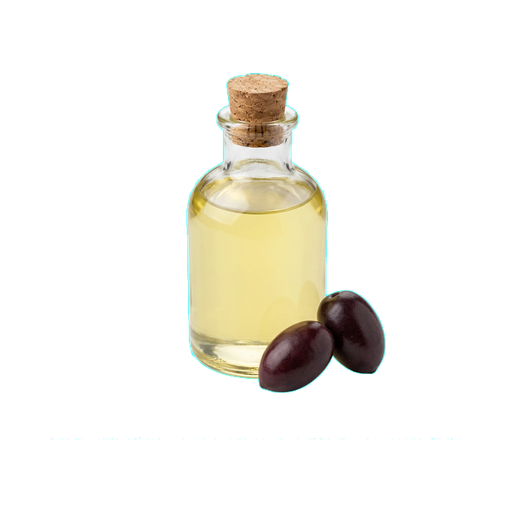
Refined olive oil is produced by processing olives followed by purification, which causes it to lose the characteristic aroma and taste of extra virgin oil, but makes it more neutral and stable when heated. This oil is suitable for frying, stewing, and baking due to its high smoke point, unlike its unrefined counterpart. When choosing, pay attention to the production date and storage conditions in a dark bottle, since even refined oil can oxidize over time and lose its beneficial properties.
About
Refined olive oil is a product of deep processing of olives, stripped of bright aromatic and flavor characteristics, but gaining practicality for everyday cooking. After pressing, the oil undergoes purification, which removes impurities, sediment, and most phenolic compounds. The result is a neutral, stable product with a high smoke point, ready for frying and intensive heat treatment.
Taste and Aroma
The main difference between refined oil and unrefined oil is the almost complete absence of the characteristic olive aroma and taste. The oil remains practically unnoticeable in the dish, does not introduce herbal or peppery notes. This allows it not to compete with the main ingredients and not to overload delicate sauces or baked goods. The color is usually light, almost transparent, sometimes with a slight yellow tint.
Where to use in the kitchen
Refined oil is indispensable where versatility and heat resistance are needed. The smoke point reaches 210 degrees and higher, making it suitable for frying, sautéing vegetables, grilling, and even shallow frying.
- Frying meat, fish and vegetables in a pan
- Baking pastries — bread, cookies, cakes, where olive flavor is undesirable
- Base for mayonnaise and emulsified sauces
- Preparing baking pans and trays before baking
- Preserving vegetables and preparations, where oil serves as a preservative
How to Choose and Store
When purchasing, pay attention to the production date — oil can oxidize over time, losing stability. Look for the designation «refined» or «refined» on the label as opposed to «extra virgin» or «cold-pressed». Store the oil in a cool place, protected from direct sunlight, in a tightly sealed bottle. Refined oil is less prone to rancidity than unrefined oil, but still requires proper storage conditions. After opening, use within one year.
Pairing with other ingredients
Thanks to its neutrality, refined oil works with everything you cook. It doesn't conflict with hot spices, delicate herbs, or dairy products. If you need a pronounced olive flavor in the final dish, add a few drops of unrefined oil to the finished dish — the contrast will be more vivid. For frying at high temperatures, refined oil is preferable to unrefined oil, as it better withstands heating without degradation.
Refined olive oil is a working tool, not a delicacy. Its task is to provide stability and neutrality, allowing other components of the dish to shine fully.
Nutrition
per 100 ml
- Calories
- 884 kcal
- Protein
- 0 g
- Fat
- 100 g
- Carbs
- 0 g
Measures and weight
- 1 tbsp
- 13.8 g
- 1 tsp
- 4.6 g
- 1 cup
- 230 g
Measure calculator
- Weight
- 100 g
- Calories
- 961 kcal