Usuba
Usuba
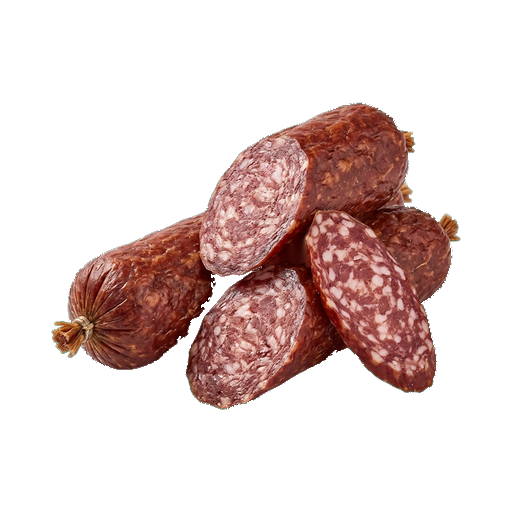
Sausage
Sausage is a meat product obtained by grinding and mixing meat with salt, spices, and other ingredients, then placed in a casing and subjected to heat treatment or smoking. The taste and texture of sausage vary depending on the type: boiled sausages are tender and juicy, smoked ones are denser with a pronounced smoky aroma, semi-smoked sausages occupy an intermediate position. In cooking, sausage is used as a standalone dish, added to soups, stews, pasta dishes, and appetizers, so when choosing it is important to consider its fat content and flavor intensity to ensure it does not overpower other components of the dish.
About
Sausage is one of the most versatile meat products in the kitchen. It's not just a ready-made dish, but an ingredient that works everywhere: for breakfast, lunch, dinner, and even as snacks. Its main advantage is that it has already gone through all processing stages, so all you need to do is slice it, fry it, or add it to a dish.
Variety of types and their application
- Smoked sausage — dense, with a pronounced smoky aroma, great sliced with beer or on a board with cheese
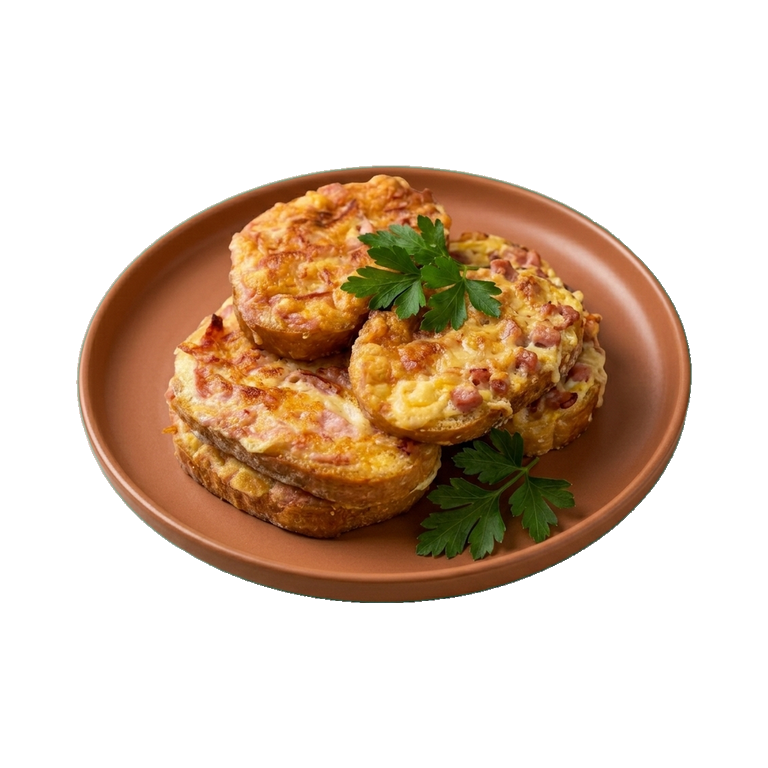
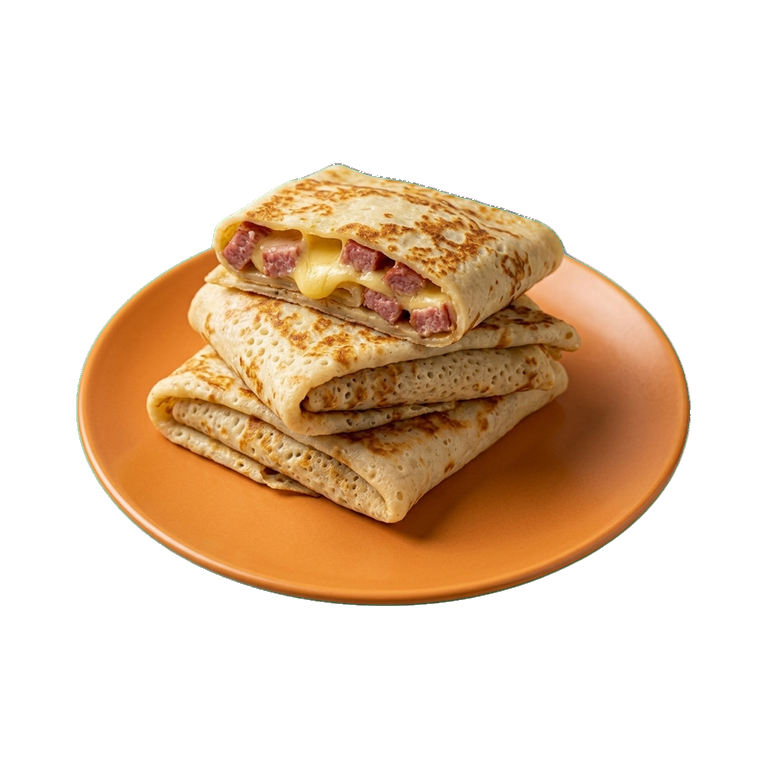
- Boiled sausage — softer, more tender, ideal for sandwiches, omelets, and adding to pasta dishes
- Semi-smoked — a golden middle ground between the two previous types, holds its shape well when sliced and fried
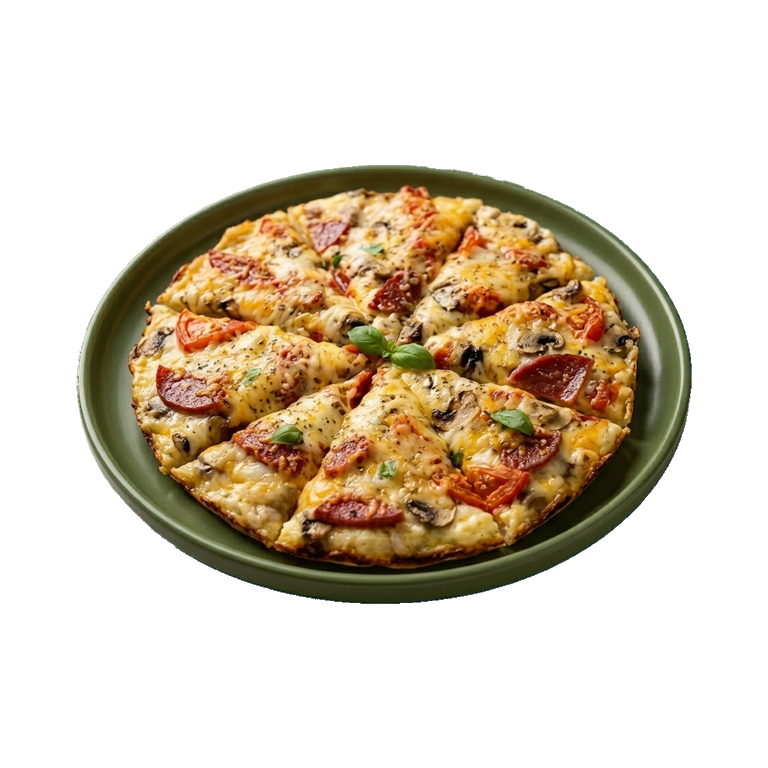
- Cold-smoked sausage — the densest and longest-lasting, sliced thin, suitable for appetizers and pizza
The choice of sausage type depends on what you are cooking. For breakfast with eggs, boiled sausage is perfect — it heats up quickly and won't be tough. For a salad or appetizer, it's better to choose smoked sausage, which holds its shape and doesn't fall apart. You can add semi-smoked sausage to soup or borscht, and thinly sliced dry-cured sausage to pizza.
Aroma and flavor in the dish
Sausage brings several layers of flavor to a dish at once: saltiness, meaty depth, and often a smoky or spicy undertone. This means it can take on the role of the main flavor accent — for example, in a sausage omelet, salt and spices are already present, so they should be added more cautiously. When fried in a pan, sausage releases fat and aromatic substances that enrich the taste of other ingredients.
What pairs well
- Eggs and dairy products — a classic breakfast combination
- Potatoes — fried, boiled or in soup, sausage enhances their flavor
- Tomatoes and bell peppers — for salads and hot dishes
- Pasta — sausage is added sliced to the finished dish
- Onions and garlic — emphasize and balance the smoky flavor
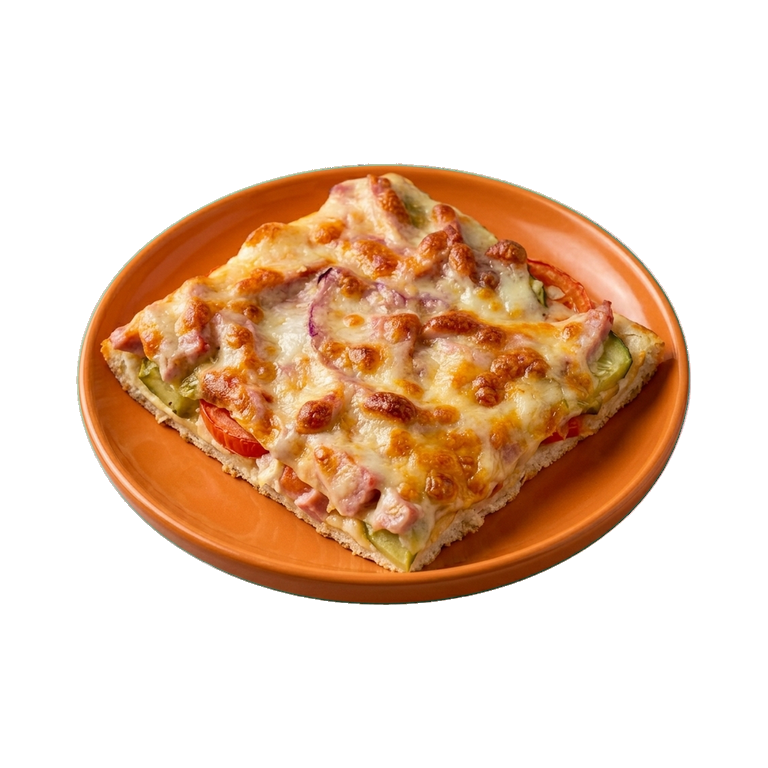
- Bread and baked goods — in sandwiches, pizza, pies
Selection and Storage
When purchasing, pay attention to the color — it should be uniform, without gray spots or darkening. The casing should not be sticky or covered with mold (white coating on dry-cured sausage is normal, but green or black spots are not). Check the expiration date: boiled sausage has a short shelf life, smoked sausage lasts longer.
In the refrigerator, cooked sausage is best kept in an airtight container or wrapped in parchment paper — this way it won't absorb foreign odors and will stay fresh longer. Smoked sausage can be stored longer, but also preferably in a cool place. If you have sliced the sausage, use it within a couple of days, otherwise it will start to dry out and darken.
Sausage is an ingredient you can rely on when you need to quickly prepare a dish. It requires no pre-processing (except slicing), stores well, and combines easily with other products. The key is to choose the right type for your dish and not overdo the quantity, so it complements rather than overpowers other flavors.
Nutrition
per 100 g
- Calories
- 250 kcal
- Protein
- 12 g
- Fat
- 20 g
- Carbs
- 2 g
Measures and weight
- 1 slice
- 20 g
Measure calculator
- Weight
- 100 g
- Calories
- 250 kcal