Usuba
Usuba
Italian Herb Mix
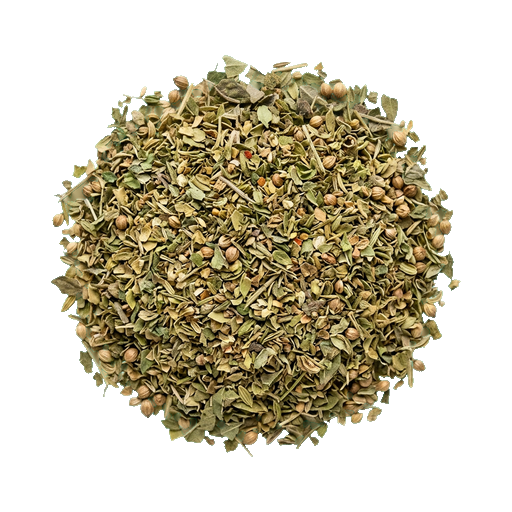
An aromatic blend of dried herbs dominated by oregano, basil, and thyme, which imparts a characteristic Mediterranean flavor to dishes. Used in Italian and Mediterranean cuisine for seasoning pasta, pizza, vegetable side dishes, marinades, and sauces. When purchasing, pay attention to the intensity of aroma and uniformity of the blend — a quality seasoning should have a bright scent with no signs of dampness or clumping.
About
Italian herb blend is a ready-made set of dried plants that saves time on preparation and guarantees a balanced flavor. Such a blend typically brings together oregano, basil, thyme, and marjoram, sometimes with the addition of rosemary or sage. It's not just a seasoning, but a gateway to Mediterranean style right into your pot.
Aroma and Taste
The aroma of the blend is warm, slightly floral, with herbal notes. On the palate, there is a sense of dryness and a mild bitterness that doesn't bite, but gently envelops. The taste is not aggressive, rather delicate, allowing the ingredients of the main dish to remain in the center of attention. The intensity depends on the age of the blend: freshly ground will be brighter, long-stored will be softer.
Where and how to use
- Tomatoes in any form: sauces, soups, baked tomatoes — the blend opens up in tomato acidity
- Grilled or oven-baked meat: chicken, beef, pork acquire a characteristic Mediterranean profile
- Vegetable stews and casseroles: eggplants, zucchini, peppers are grateful for such support
- Pasta and risotto: a pinch directly into the dish or into oil before serving
- Marinades and dressings: the blend dissolves well in oil and vinegar
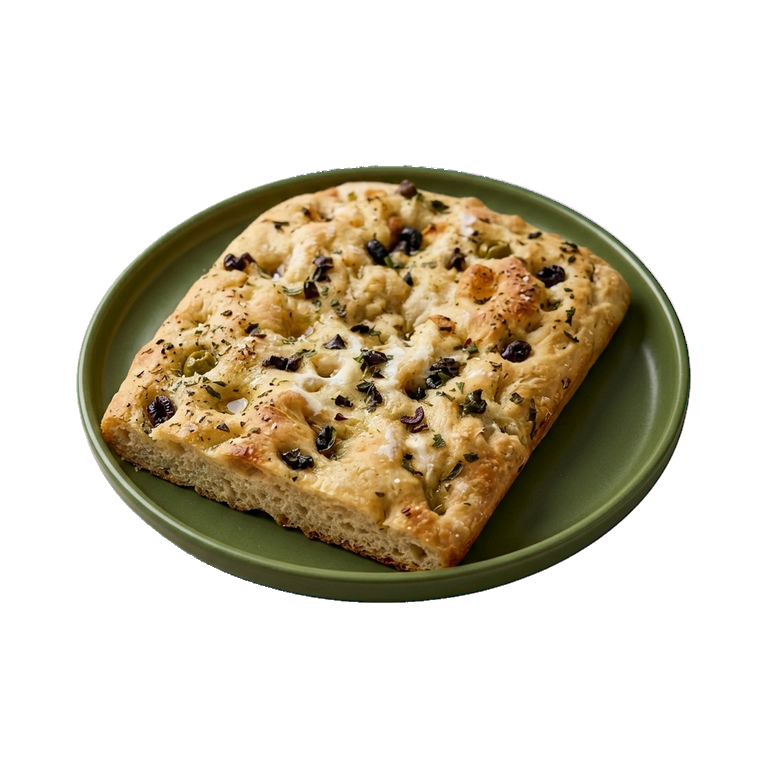
- Bread and focaccia: sprinkle on top before baking together with salt
Start with half a teaspoon per serving and add to taste. Dried herbs are more concentrated than fresh ones, so it's easy to overdo it. Add the mixture at the beginning of cooking to let the aromas develop and blend with the dish, or at the end if you want to preserve freshness and brightness.
Selection and Storage
When purchasing, pay attention to the color: herbs should be bright green, without brown spots and dust. Smell them — the aroma should be distinct, not musty. Avoid mixtures with lumps and stuck-together particles, as this is a sign of improper storage.
Store in an airtight glass jar in a dark, cool place, away from the stove and direct sunlight. Moisture is the enemy of dried herbs, so make sure the lid closes tightly. With proper storage, the mixture maintains its aroma and flavor for 6–8 months. If the aroma becomes barely noticeable, it's time to open a new jar.
Pairings
- With garlic and olive oil — a classic trio for any dish
- With lemon and white wine — ideal for fish and seafood
- With red pepper and paprika — will enhance the depth of flavor in meat dishes
- With parmesan — an excellent duo for baked dishes and bread
Italian herb blend works as a universal translator between your kitchen and Mediterranean cuisine. It requires no knowledge of individual component proportions and guarantees that the flavor will be recognizable and harmonious.
Nutrition
per 100 g
- Calories
- 270 kcal
- Protein
- 9 g
- Fat
- 7 g
- Carbs
- 49 g
Measures and weight
- 1 tbsp
- 7.5 g
- 1 tsp
- 2.5 g
- 1 cup
- 125 g
Measure calculator
- Weight
- 100 g
- Calories
- 270 kcal