Usuba
Usuba
Veal
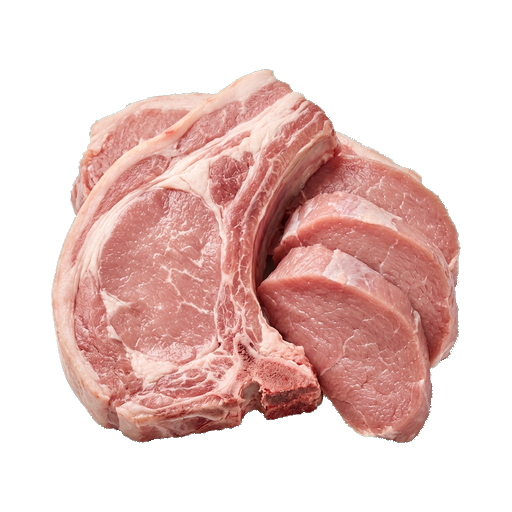
Meat of young cattle, distinguished by its tender texture and soft, delicate flavor. Veal contains less fat than beef and cooks faster, therefore requiring care during heat treatment to avoid drying out. It is a versatile ingredient for classic dishes — from cutlets and stews to steaks and soup bases, readily absorbs the aromas of spices and sauces.
About
Veal is the meat of young cattle, prized for its tenderness, delicate flavor, and light color. Unlike beef, veal contains less myoglobin, so it has a pale pink hue and requires more careful handling during cooking. This meat cooks quickly and absorbs flavors from spices and sauces well, making it an ideal choice for both classic and modern recipes.
Taste and Texture
Veal has a mild, slightly sweet flavor with barely perceptible milky notes. The meat is very tender thanks to its fine fibers, so it practically melts in your mouth when cooked properly. This delicacy requires caution: if you overcook veal, it becomes dry and loses its appeal. It's best to cook it to medium-rare or medium, when there's still a faint pink juice inside.
How to use in dishes
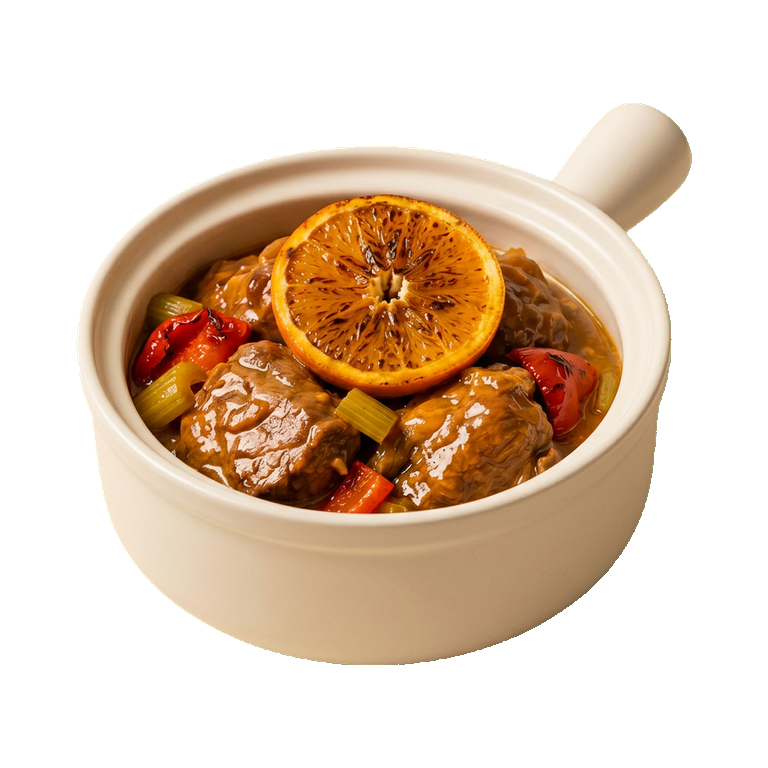
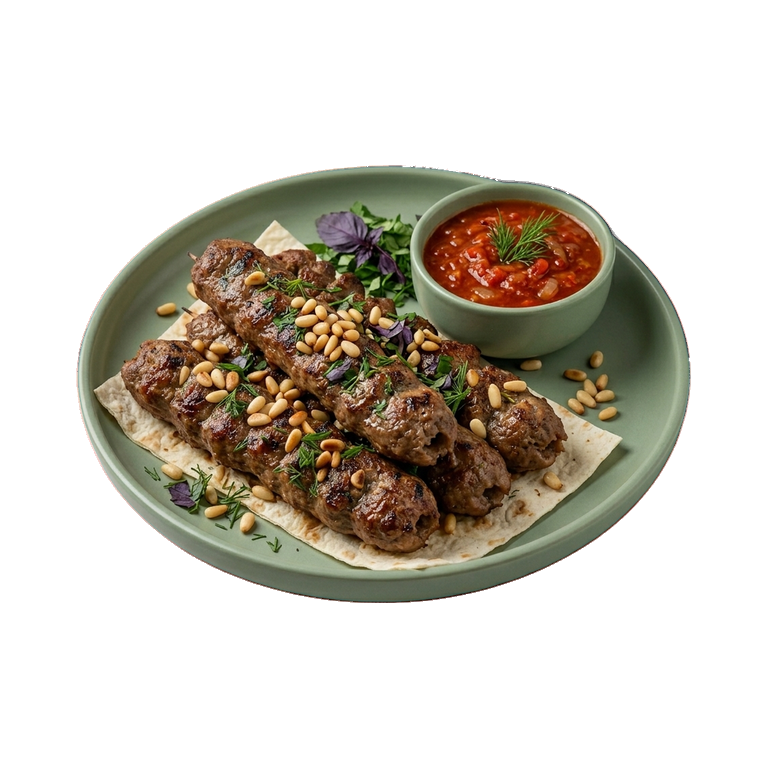
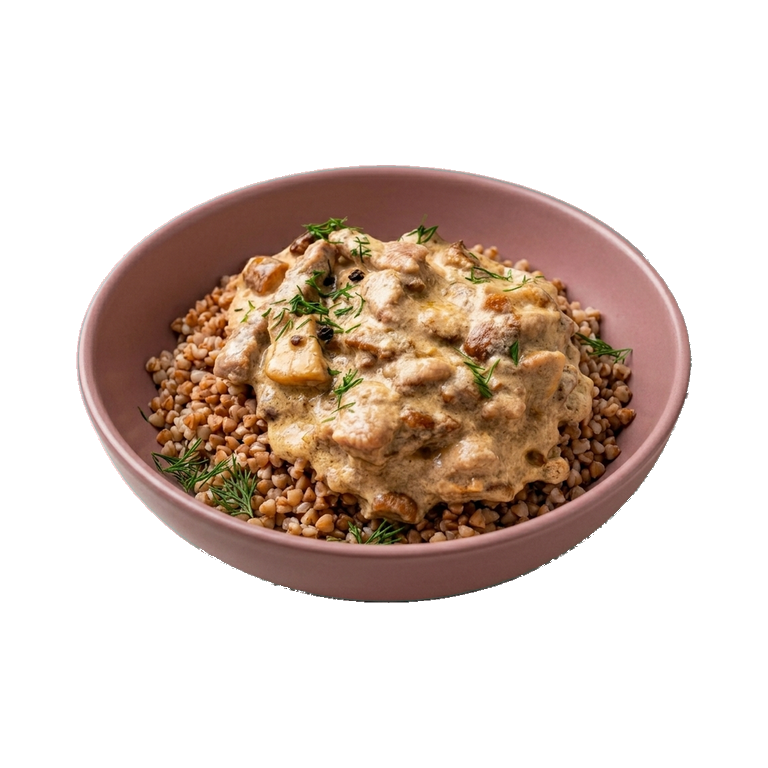
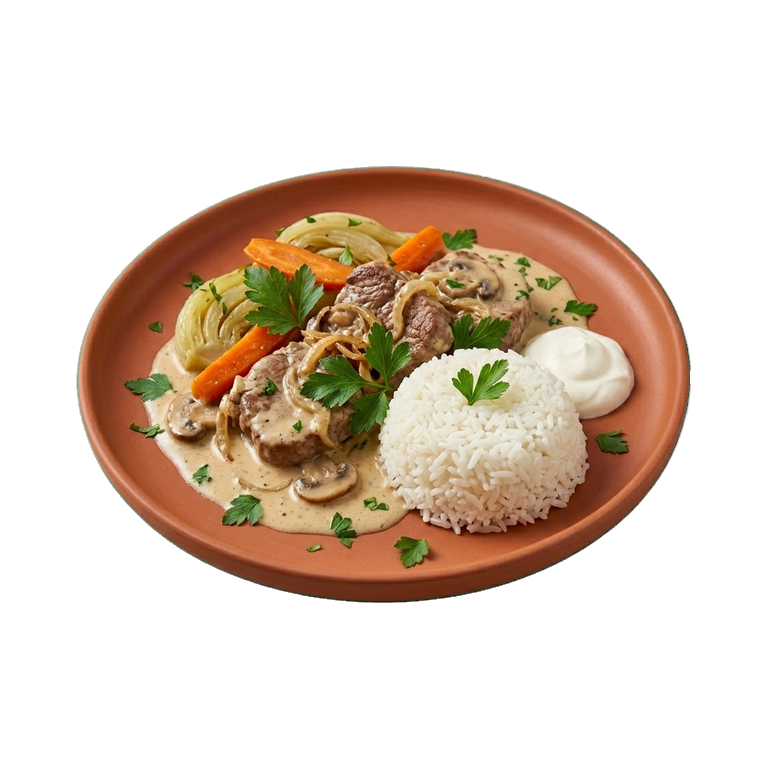
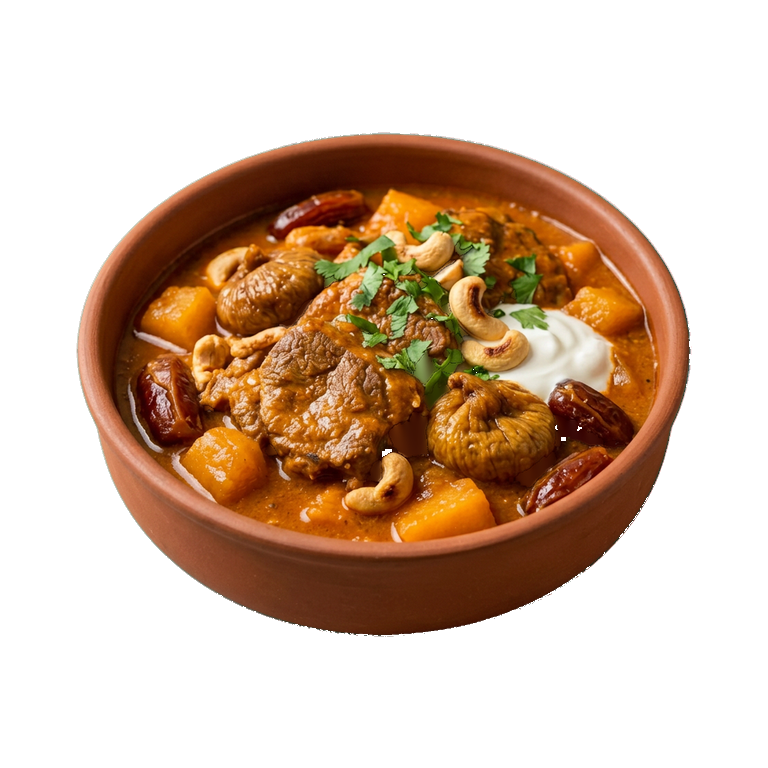
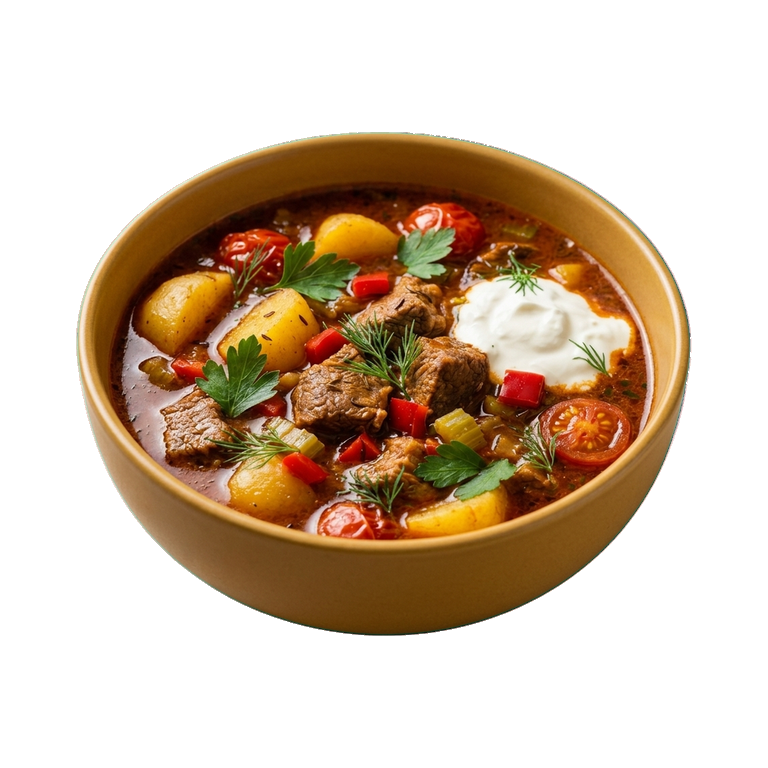
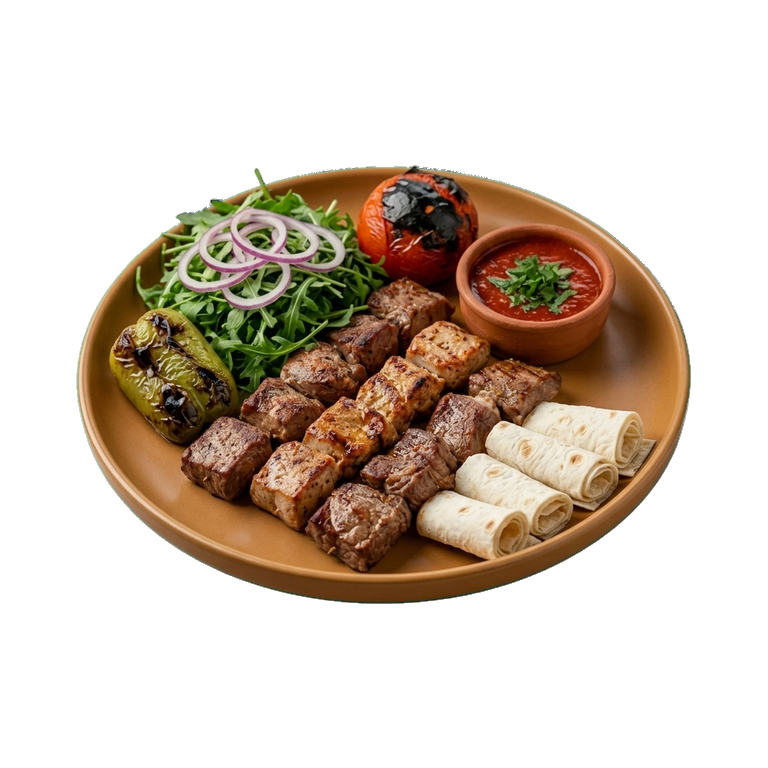
Veal is versatile and works well with various cooking techniques. Thin cutlets are quickly seared in a pan, while thick pieces are perfect for roasting in the oven with vegetables and herbs. Veal makes tender meatballs and rissoles, and it is also ideal for stewing in white sauces — creamy, sour cream-based, or made with white wine.
- Cutlets with lemon and butter — a classic option, prepared in just a few minutes
- Veal in cream sauce or with mushrooms — a delicate dish for a festive table
- Fricassee — stewed meat with vegetables in a tender sauce
- Rolls and stuffed dishes — veal holds its shape well and absorbs the flavors of fillings
- Broth and soups — veal broth turns out light and aromatic
What pairs well
Veal's delicate flavor requires careful selection of accompaniments. Lemon and white wine highlight its tenderness, butter and cream create a harmonious contrast. Rosemary, thyme, sage, and nutmeg work well among the spices. Mushrooms, especially porcini and button mushrooms, become the perfect complement. Vegetables — carrots, celery, shallots — create an aromatic base for sauces.
Selection and Storage
When choosing veal, pay attention to the color: the meat should be light pink, without dark spots. The surface should be moist, but not wet, and the smell should be fresh, without any off-odors. Marbling (thin streaks of fat) is rare, but its presence indicates good quality. The fat should be white or creamy, not yellow.
Fresh veal is best used within two days of purchase and should be stored in the coldest part of the refrigerator. If you need to store it longer, freeze the meat — it will keep well for several months. Thaw in the refrigerator rather than at room temperature to preserve quality and prevent bacterial growth.
Before cooking, remove the veal from the refrigerator for 15–20 minutes to let it reach room temperature — this will ensure even cooking. Don't salt the meat in advance; it's better to do it right before frying. Use a sharp knife for slicing and don't forget about the resting time for the finished dish — it allows the juices to redistribute and keeps the meat juicy.
Nutrition
per 100 g
- Calories
- 106 kcal
- Protein
- 19.3 g
- Fat
- 3.1 g
- Carbs
- 0 g
Measure calculator
- Weight
- 100 g
- Calories
- 106 kcal