Usuba
Usuba
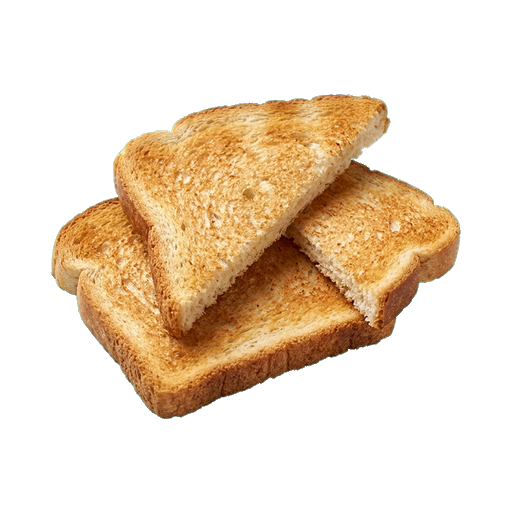
Toasts
Crispy bread slices dried in an oven or toaster until golden brown and brittle in texture. Used as a base for appetizers, salads, pâtés, and soups, as well as a standalone side dish. When choosing, it's important to pay attention to the quality of the original bread and the degree of drying — good toast should be crispy, but not hard or burnt.
About
What are toasts and why do you need them in the kitchen
Toast is crispy bread sliced and dried to a golden color. It works as a universal base: it holds its shape under heavy toppings, absorbs sauces just enough so it doesn't fall apart, and provides a pleasant contrast of textures with every bite. In the kitchen, toast saves time — there's no need to wait for bread to dry out, and no need to watch the toaster to avoid over-toasting.
Texture and taste
The crunch of toast comes from the moisture that evaporated during drying. The crumb becomes porous and light, while the crust acquires a pleasant firmness. The taste depends on the type of bread: white toast is neutral and soft, rye is dense with a slight bitterness, and whole grain is more pronounced and nutritious. Some manufacturers add seeds or spices directly to the dough, creating ready-made flavor combinations.
Where to use toasts
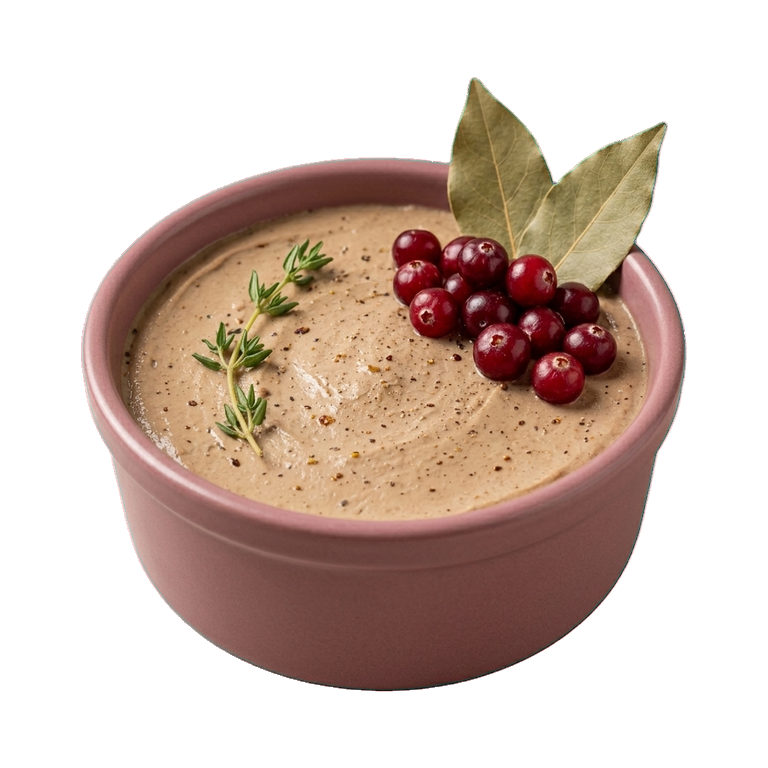
- Sandwiches — a classic use. Butter, pâté, cheese, and sausage hold better on a crispy surface than on soft bread.
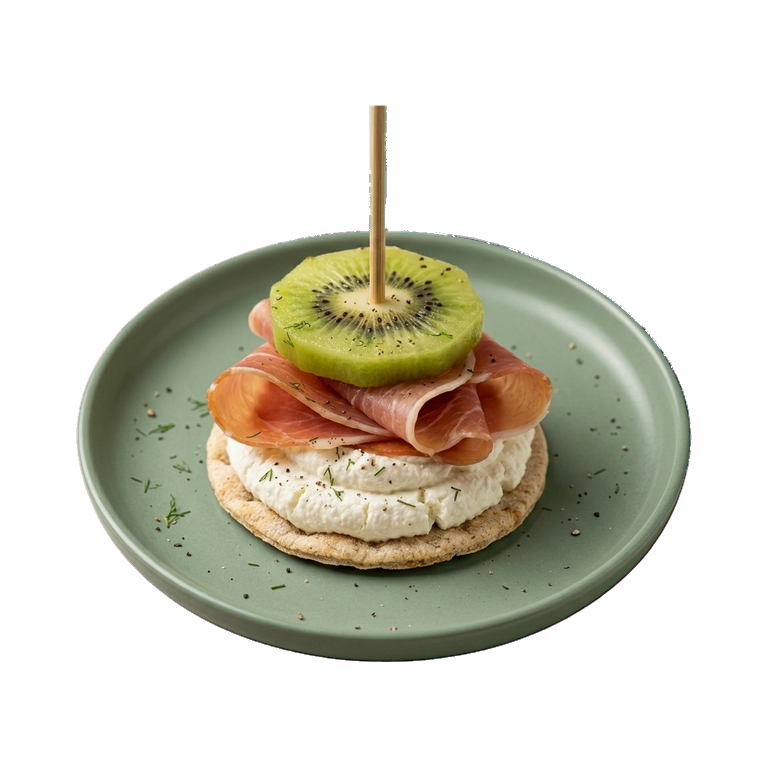
- Appetizers and canapés — toast is cut into cubes or triangles, topped with cream cheese, caviar, seafood, or vegetables.
- Salads — toast cut into cubes becomes crispy croutons, which are added to Caesar or Greek salad.
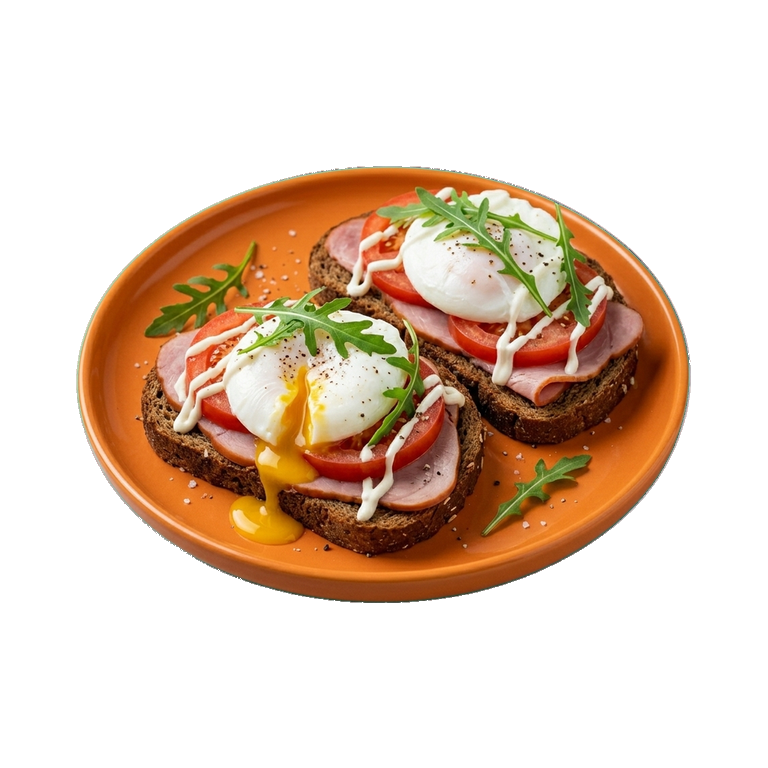
- Base for hot dishes — toast holds creamy sauce, stew, mushrooms, or seafood without becoming soggy right away.
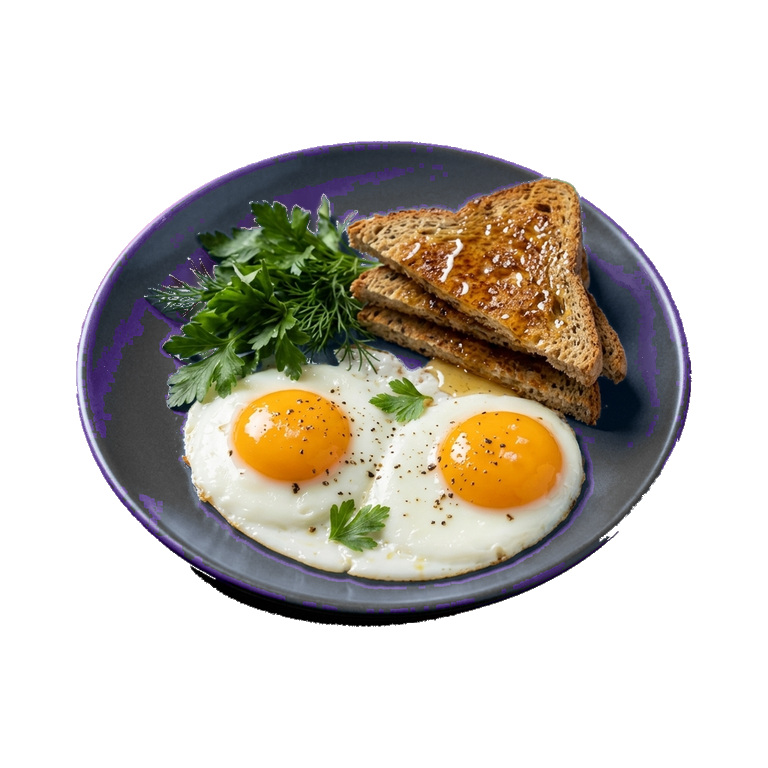
- Breakfast — with avocado, egg, jam, or peanut butter.
What pairs well with toast
White toast is versatile — it pairs well with sweet toppings (honey, jam, condensed milk) and savory ones (cheese, fish, vegetables). Rye toast works better with smoked products, butter, meat, and spicy seasonings. Toast with bran or grains combines well with avocado, cottage cheese, vegetables, and light proteins. The main rule: the richer the topping, the thicker the slice of toast should be so it doesn't fall apart.
How to choose and store
- Look at the color — uniform golden shade without dark burnt spots.
- Check the packaging — toasts should be whole, with no crumbs at the bottom of the bag.
- Pay attention to the ingredients — the fewer additives, the better. Bread, salt, and maybe oil — that's enough.
- Store in a closed container or bag at room temperature — moisture is the enemy of toast. They can last several weeks, but become softer over time.
- If the toasts have softened, dry them in the oven at 150 degrees for 5–7 minutes.
Toasts work quickly: even if you have nothing in your refrigerator, two slices of toast, butter and salt are already a full breakfast. And if you add jam or avocado, you get a dish that you can serve to guests.
Nutrition
per 100 g
- Calories
- 290 kcal
- Protein
- 10 g
- Fat
- 5 g
- Carbs
- 50 g
Measures and weight
- 1 pcs
- 20 g
- 1 slice
- 25 g
Measure calculator
- Weight
- 100 g
- Calories
- 290 kcal