Usuba
Usuba
Ham
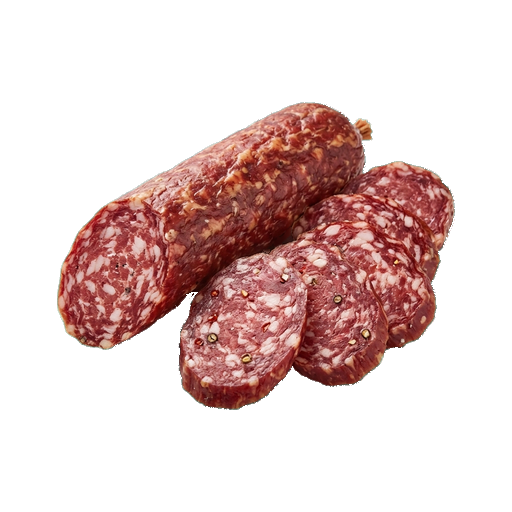
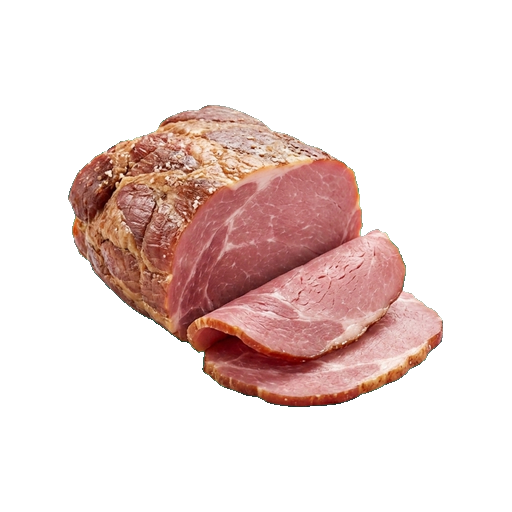
Ham is a meat product obtained from the hind leg of pork through salting, smoking, and curing. It has a dense structure, a salty taste with a subtle smoky note, and a characteristic aroma. In cooking, it is used as an appetizer sliced into thin slices, and is added to soups, salads, sandwiches, and hot dishes to add depth of flavor and meaty aroma.
About
Ham is a meat product obtained through salting and smoking of a ham hock or other parts of the carcass. Its main advantage is that it's ready to eat: slice it, put it on the table — and you're done. Due to the processing, ham acquires a characteristic salty taste, a dense texture, and a long shelf life.
Aroma and Flavor
The aroma of ham is a blend of smokiness, salty notes, and meaty fragrance. The taste is rich but not overpowering: the saltiness is balanced by the natural sweetness of the meat. If the ham is hot-smoked, it is more aromatic and softer in texture. Cold smoking produces a denser product with a pronounced smoky flavor.
Role in dishes
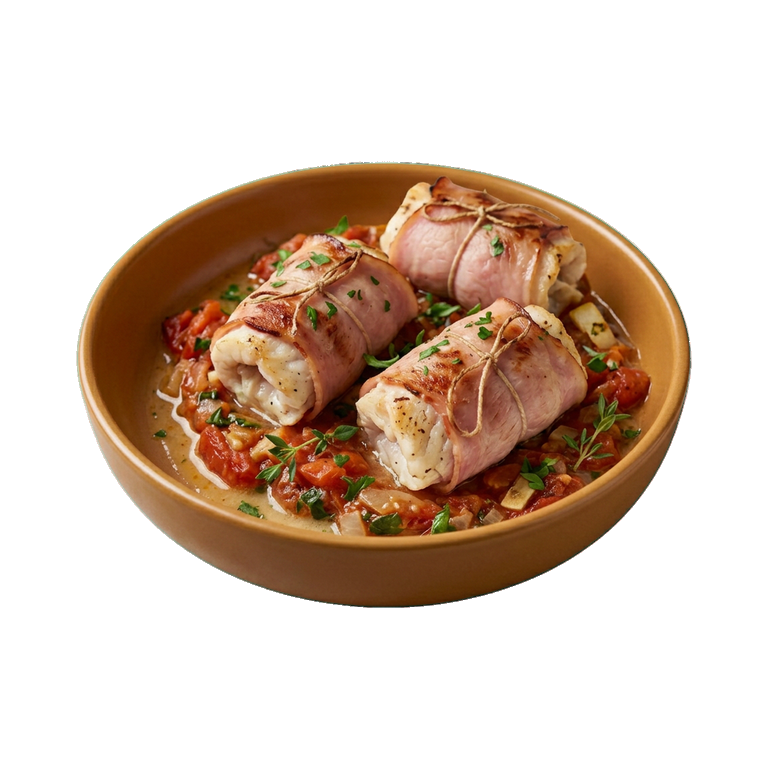
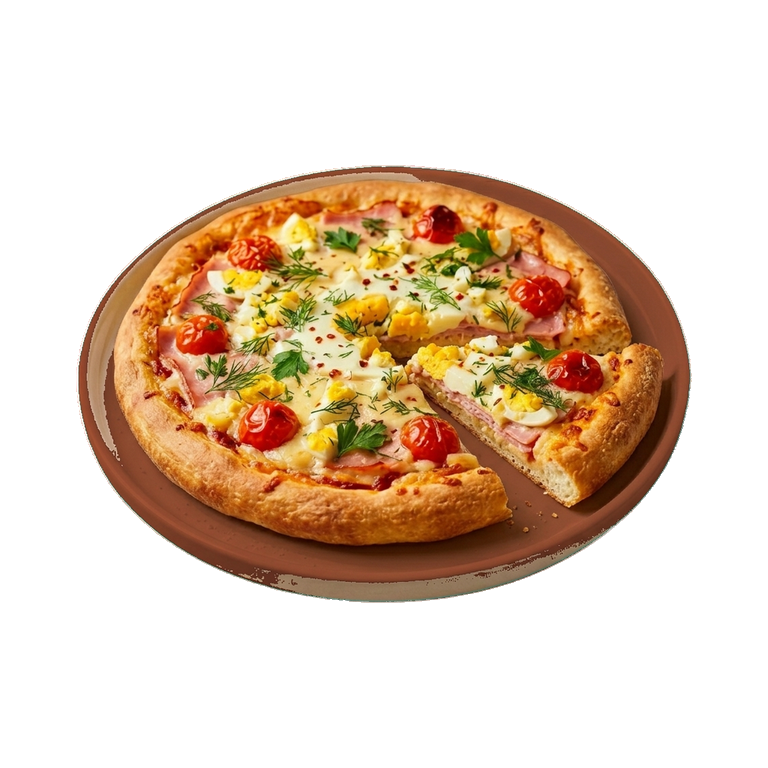
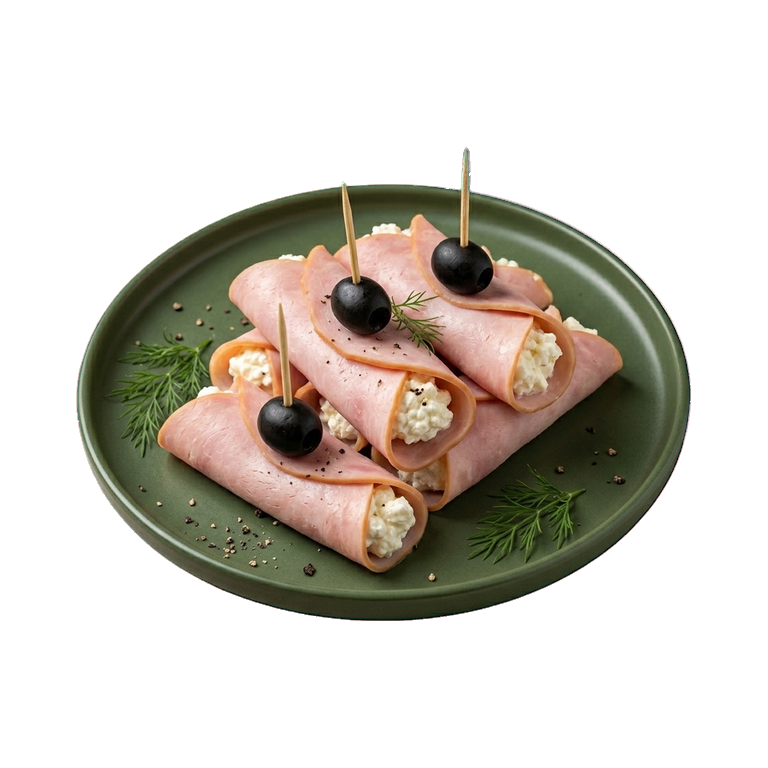
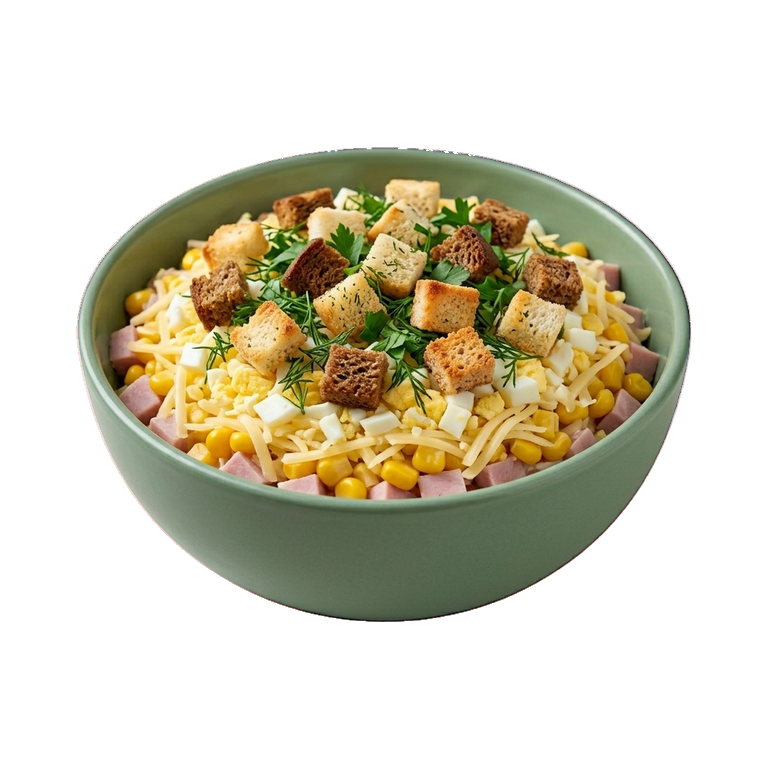
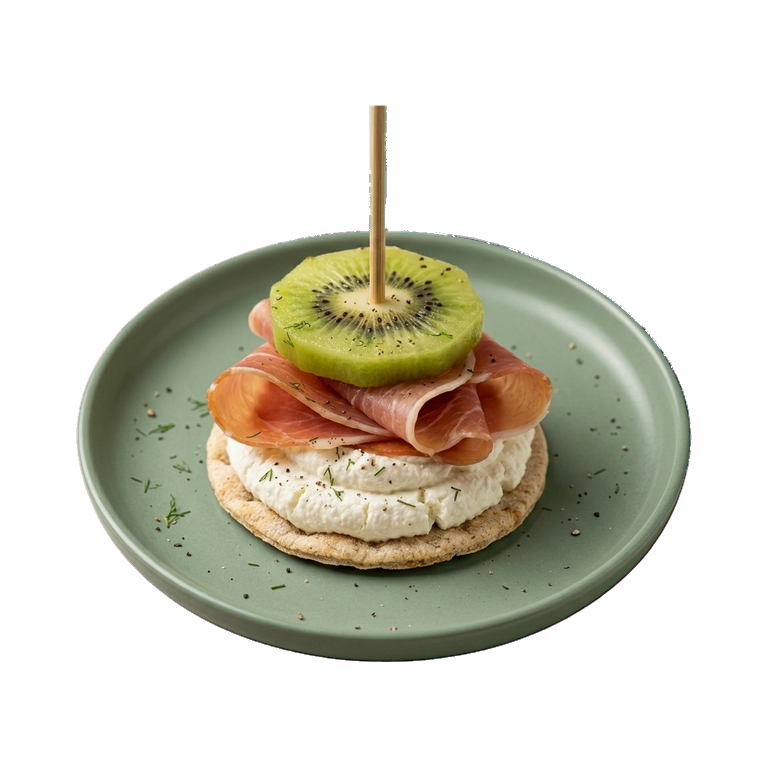
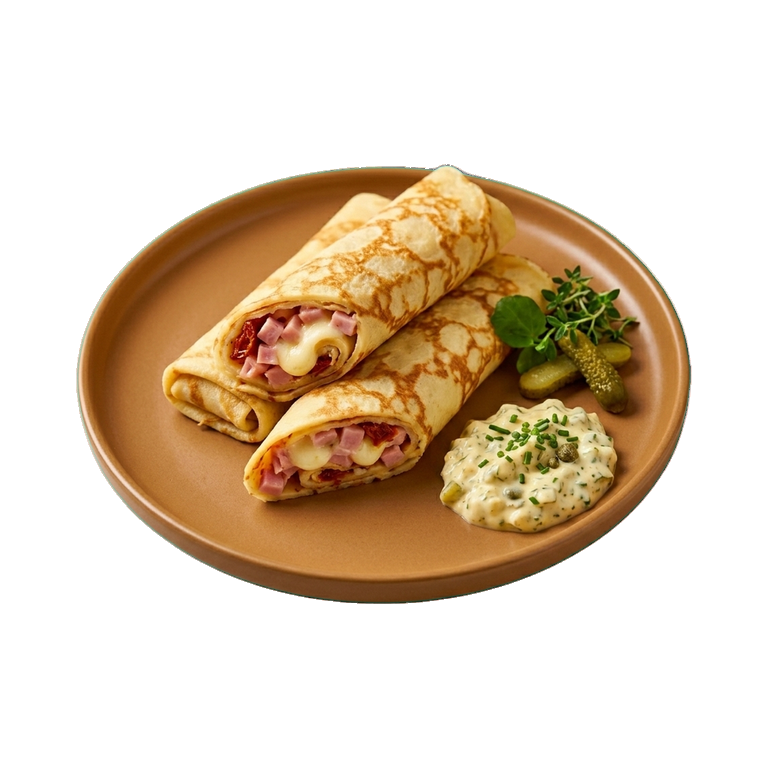
Ham works on several fronts. Thinly sliced, it makes an excellent appetizer with bread, cheese, and vegetables. In sandwiches, it adds meaty depth and saltiness. In hot dishes, diced ham is added to soups, pasta, omelets, and risotto — it requires no additional heat treatment and immediately releases its flavor.
Successful Pairings
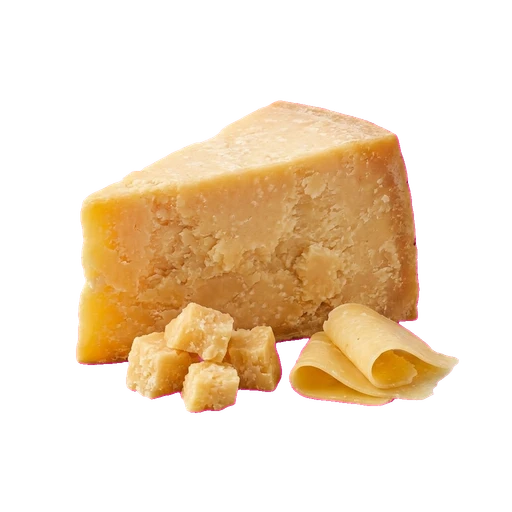
- With cheese: works especially well with soft varieties and aged hard cheeses
- With vegetables: tomatoes, cucumbers, radishes, salad greens
- With bread: rye, white, with bran — any type works
- With eggs: in omelets, for breakfast, in salads
- With legumes: lentils, chickpeas, beans are well complemented by the saltiness of ham
Selection and Storage
When buying, pay attention to the color: good ham has a pink or reddish tint. The surface should be smooth, without slime and foreign odors. Meat fibers are visible on the cut — this is a sign of a quality product. Avoid ham that is too light with a uniform color: this may indicate an excess of additives.
Sliced ham is best stored in the refrigerator in an airtight container or wrapped in parchment paper — this way it won't absorb odors and will stay fresh longer. A whole piece can be kept in the refrigerator for 2–3 weeks, sliced ham for 5–7 days. If you want to extend the shelf life, freeze the ham in portioned pieces: in the freezer it will keep for several months.
Ham is one of the few meat products that doesn't require cooking before serving. This makes it an ideal solution for quick breakfasts, light lunches, and festive appetizers.
Nutrition
per 100 g
- Calories
- 215 kcal
- Protein
- 22.6 g
- Fat
- 13 g
- Carbs
- 0 g
Measures and weight
- 1 pcs
- 15 g
- 1 slice
- 25 g
Measure calculator
- Weight
- 100 g
- Calories
- 215 kcal