Usuba
Usuba
Olives
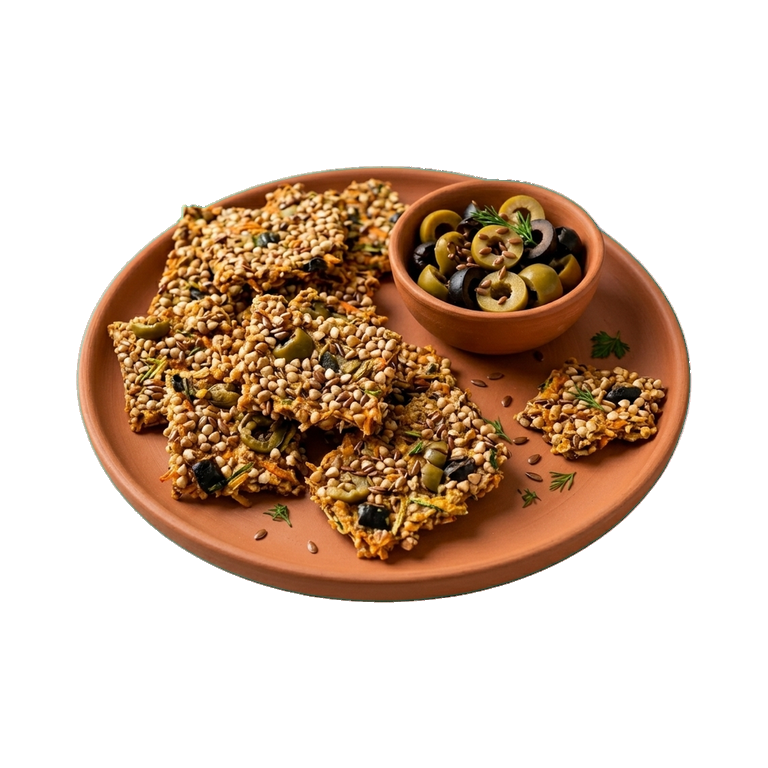
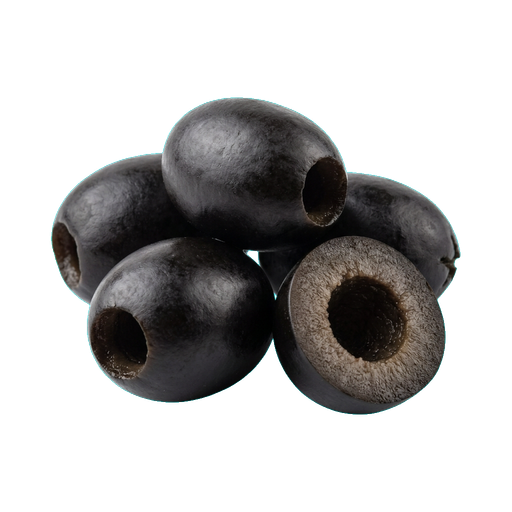
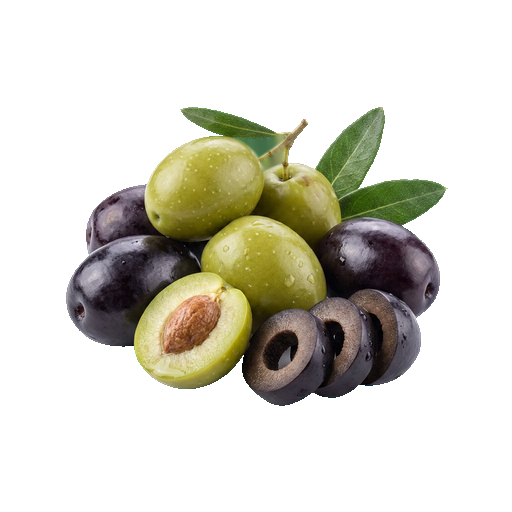
Olives are fruits of the olive tree, harvested at varying degrees of ripeness and processed using special methods. Green olives have firm flesh, a slightly bitter taste, and a more pronounced aroma, while black olives are softer, sweeter, and more delicate. In cooking, they are used as an appetizer, added to salads, pastas, pizzas, and Mediterranean dishes, as well as pressed into oil. When choosing, pay attention to the texture of the fruit and the presence of a pit, which affects the convenience of use in different recipes.
About
Taste and Aroma
Olives are fruits that change dramatically depending on their ripeness and processing method. Green olives, harvested early, provide a firm texture and sharp, herbaceous flavor with a subtle bitterness. Black ripe olives are softer, sweeter, with a deep earthy aroma and notes of wood. Between them lies an entire spectrum of transitional shades, each with its own character.
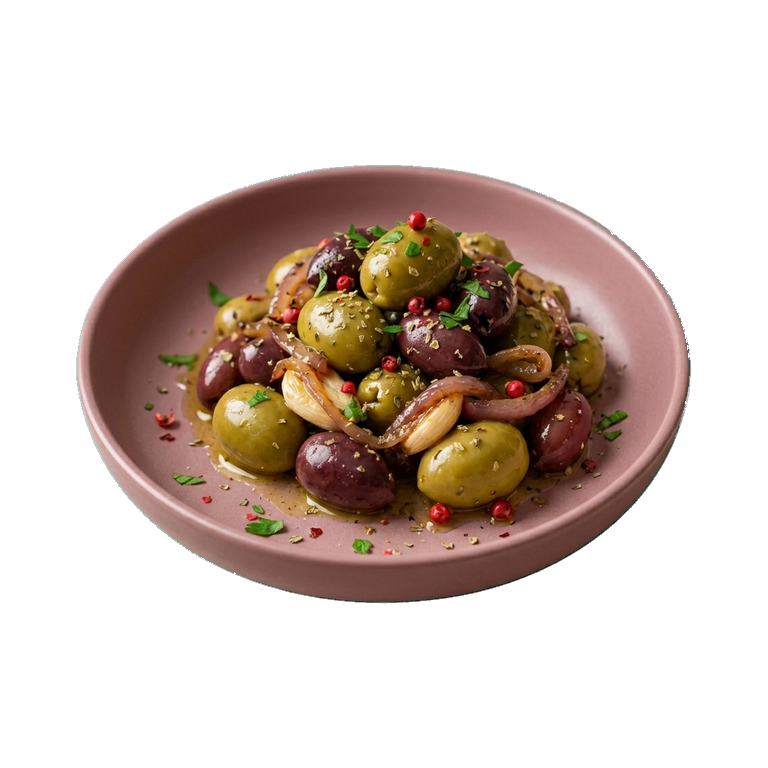
The preservation method also plays a role: olives treated with alkali become softer and lose their bitterness; naturally fermented ones develop a complex, slightly tangy profile. In brine with herbs, garlic, or lemon, the fruits absorb these aromas, becoming a dish in their own right.
Where and how to use
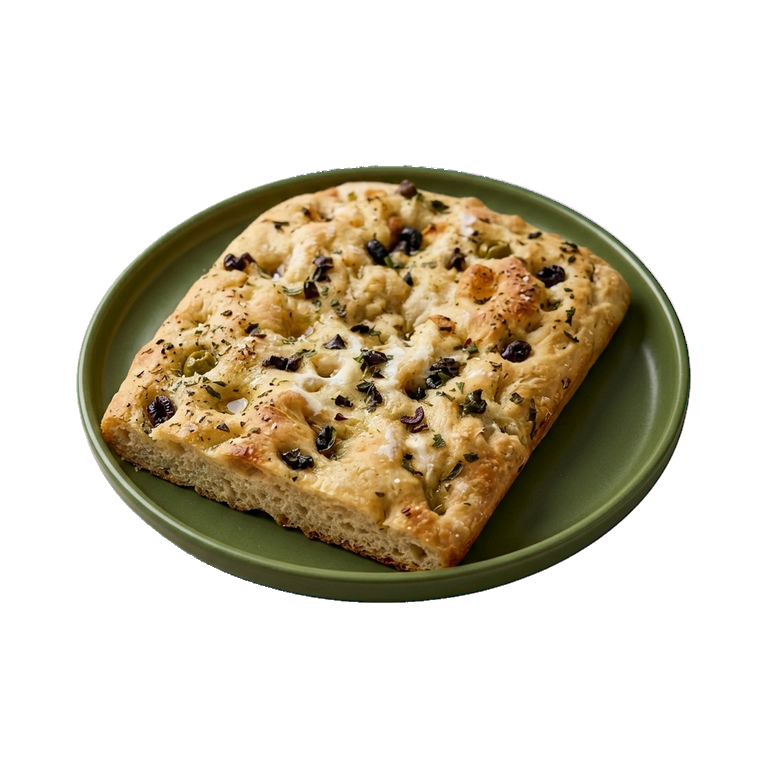
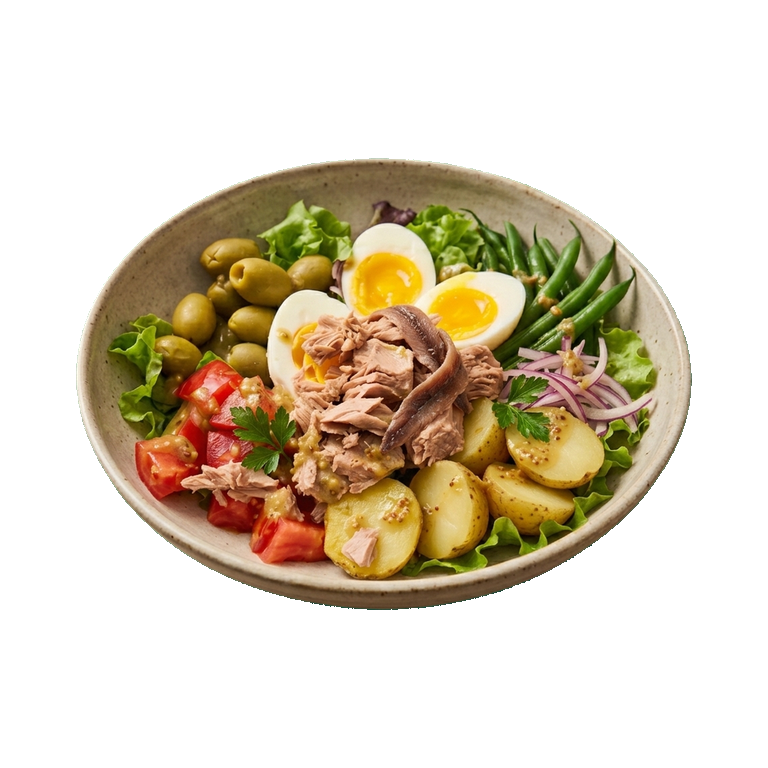
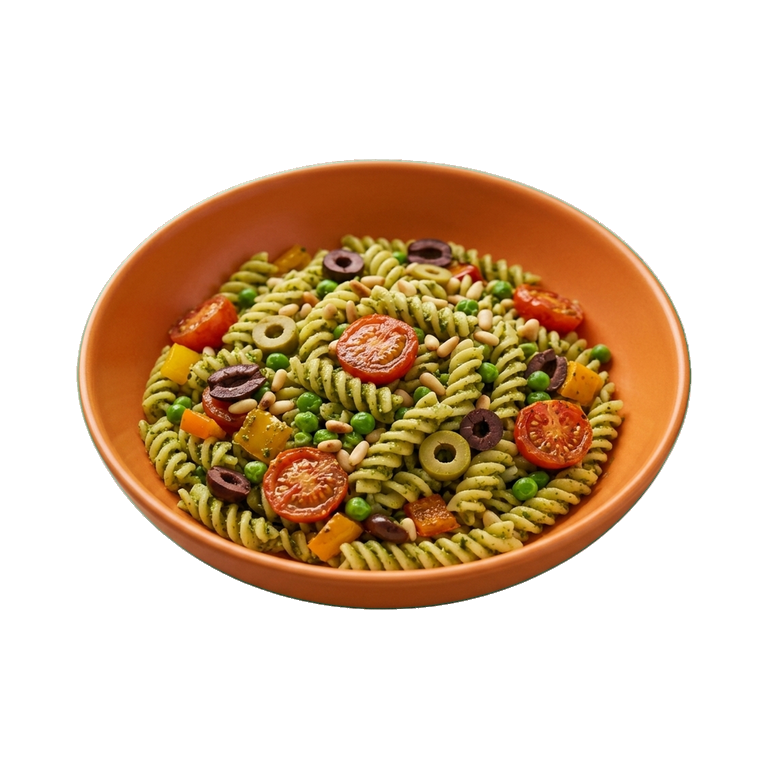
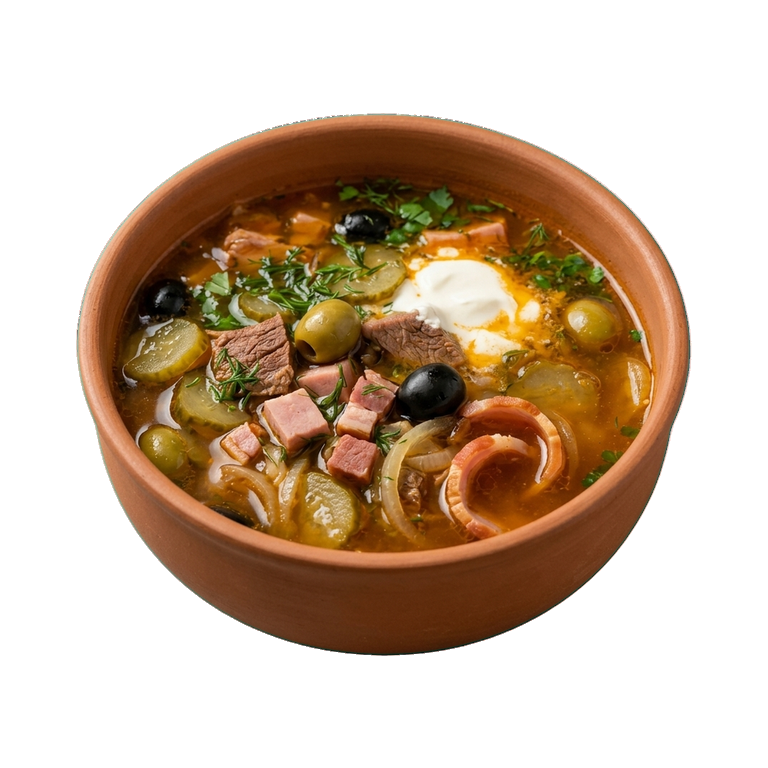
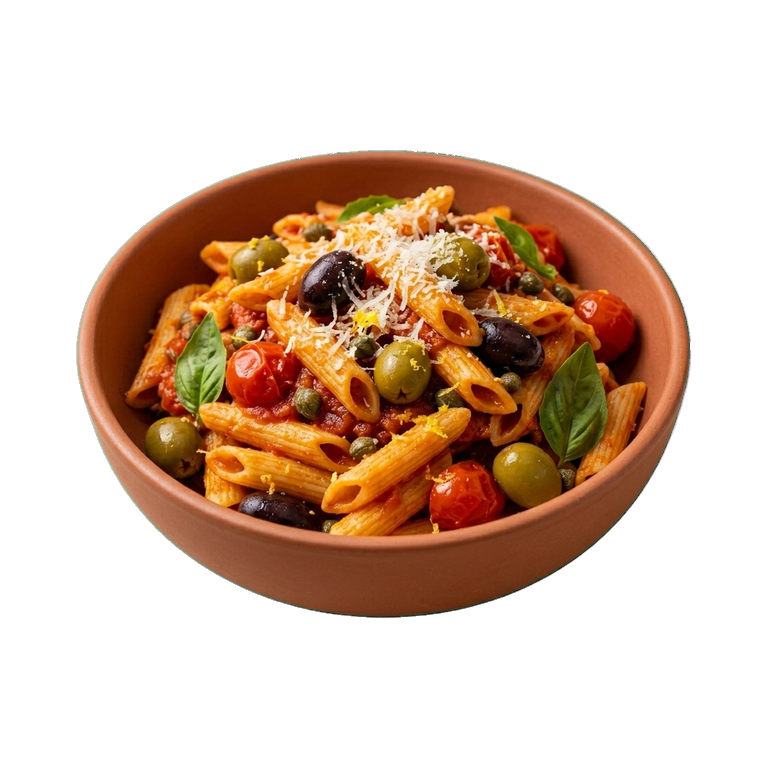
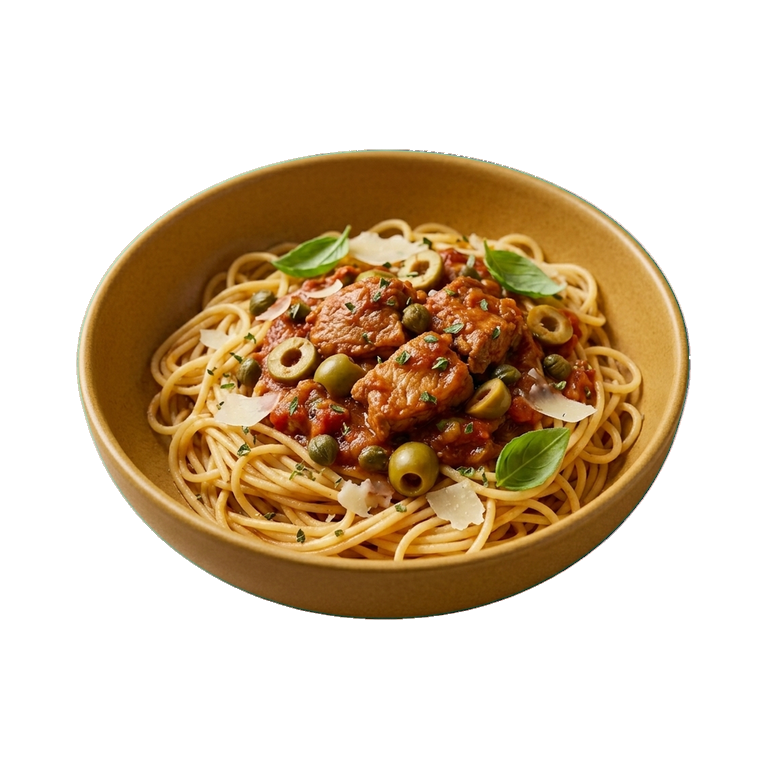
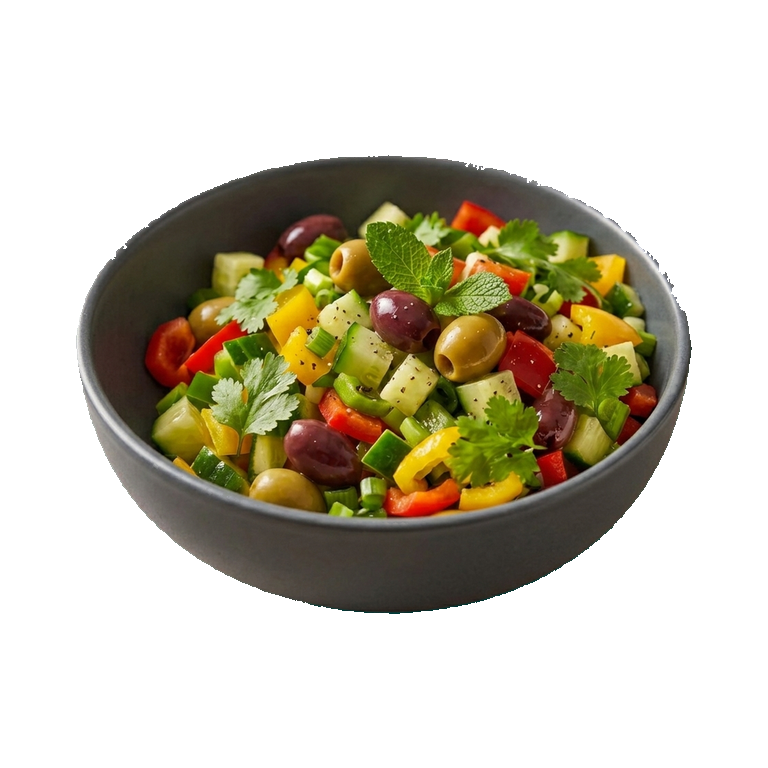
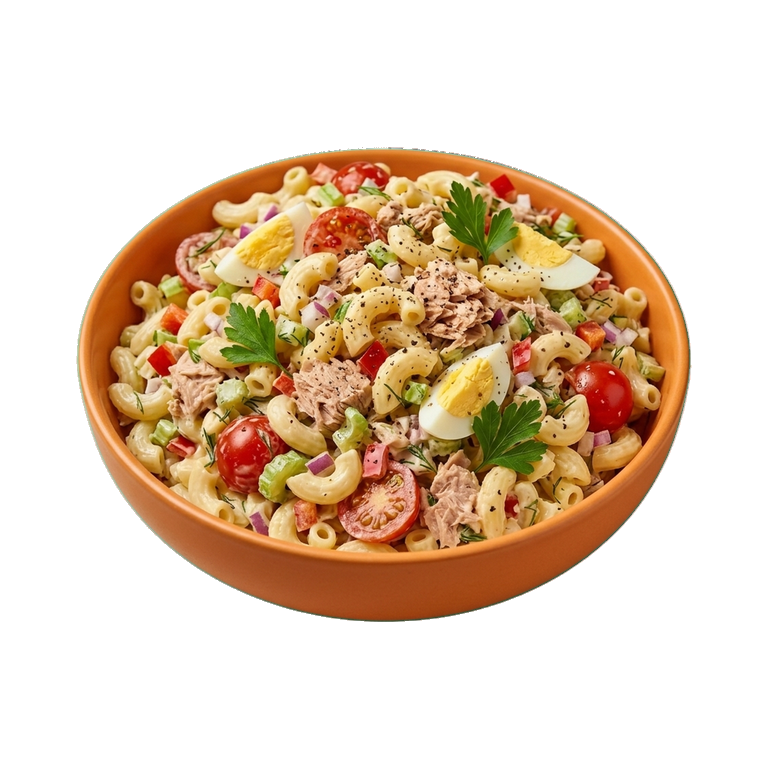
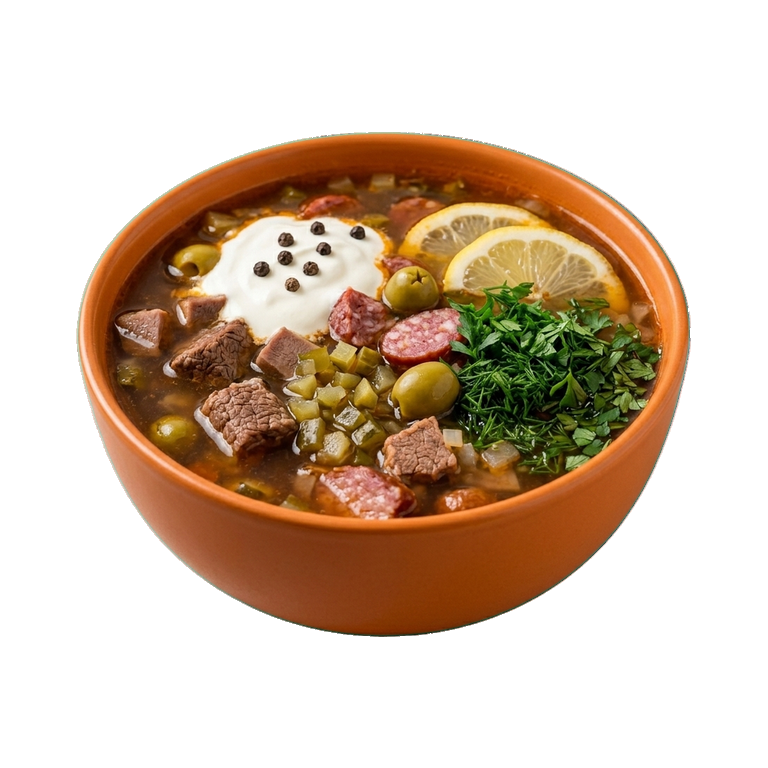
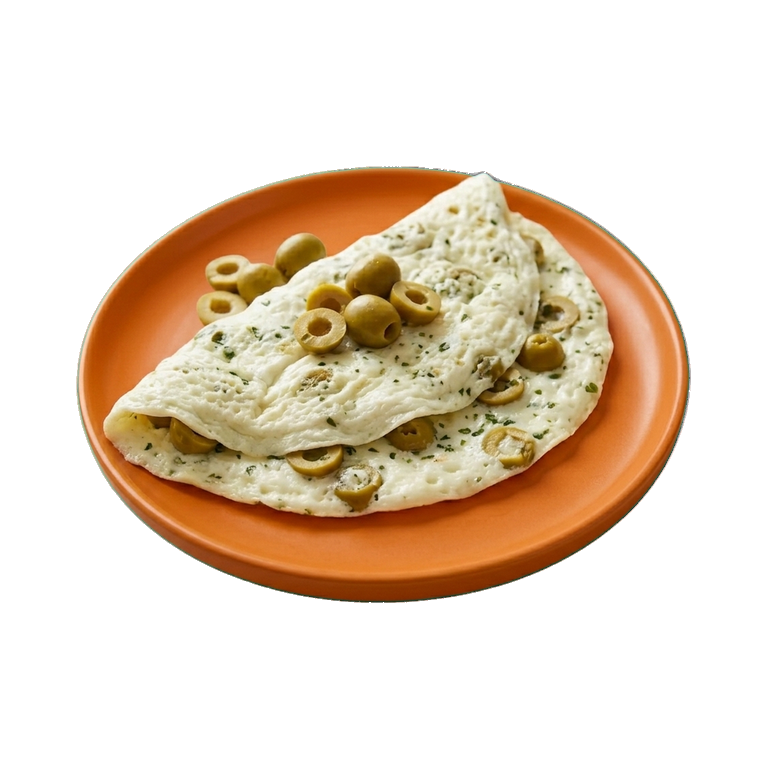
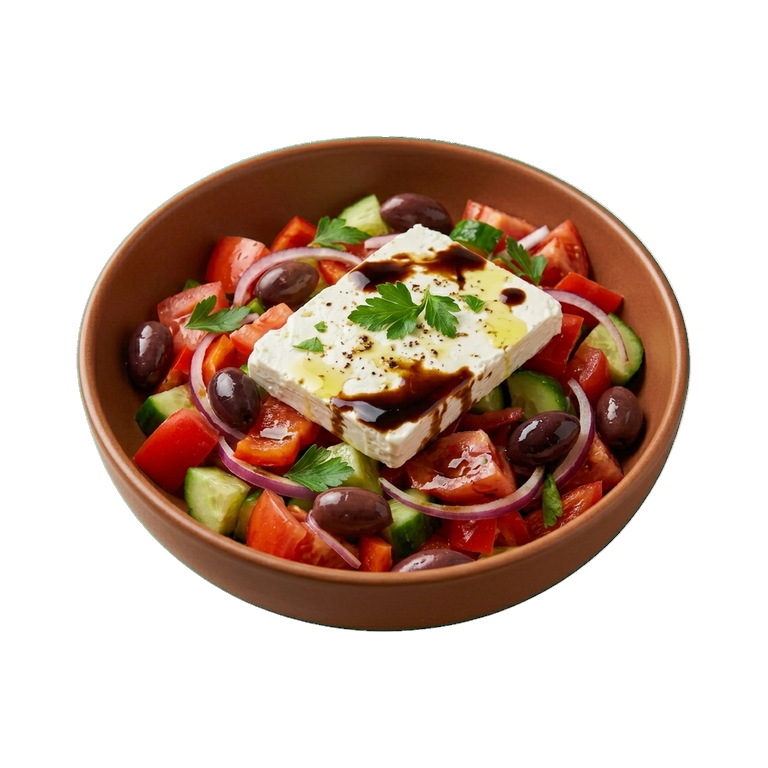
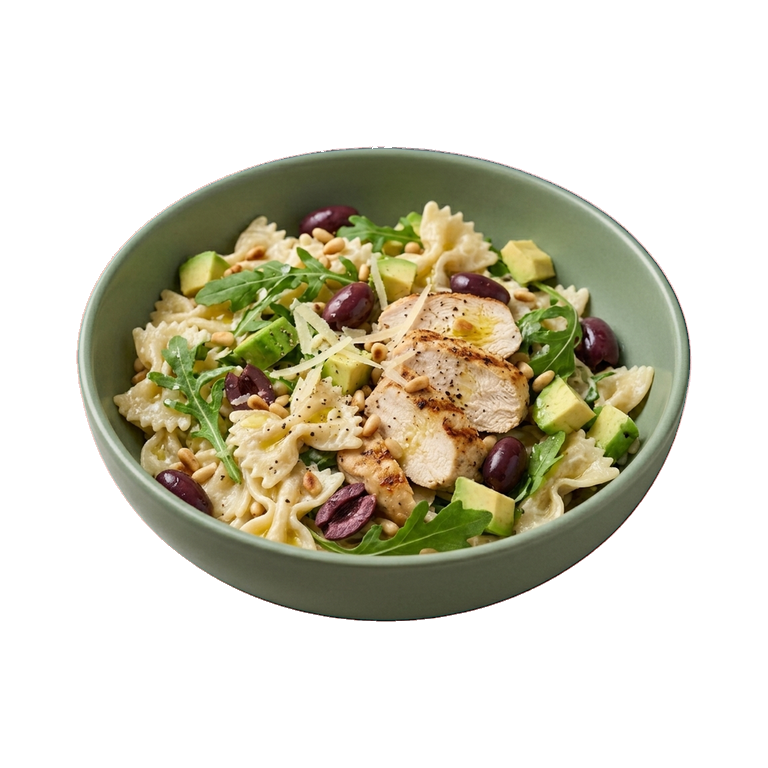
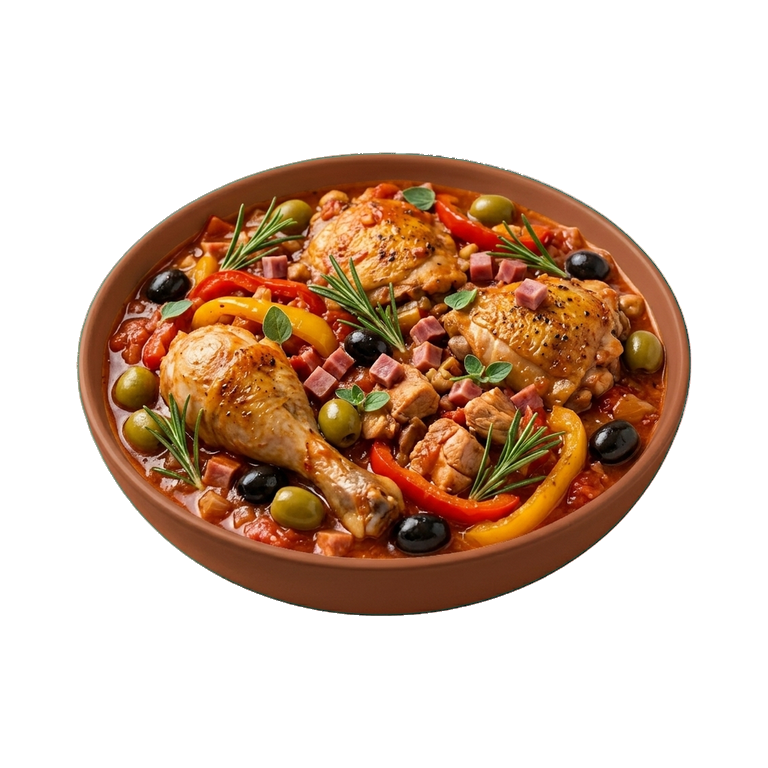
In the kitchen, olives are a universal tool. They are good on their own, with bread and cheese, as an appetizer with wine. In salads, especially Mediterranean ones, they add saltiness and textural contrast. In pasta, risotto, and stews, olives work as a background, enhancing the depth of the dish without overpowering it with their flavor.
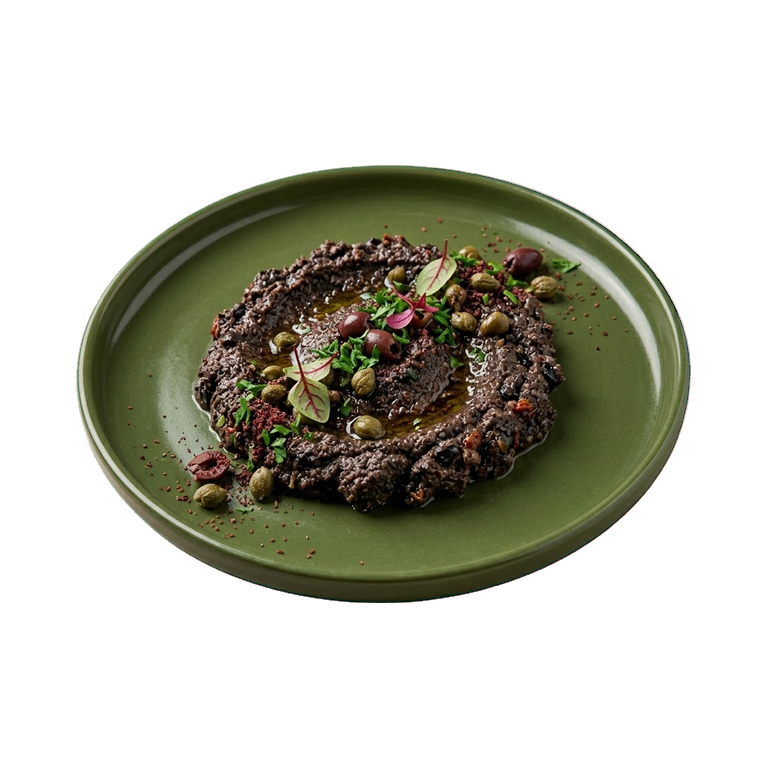
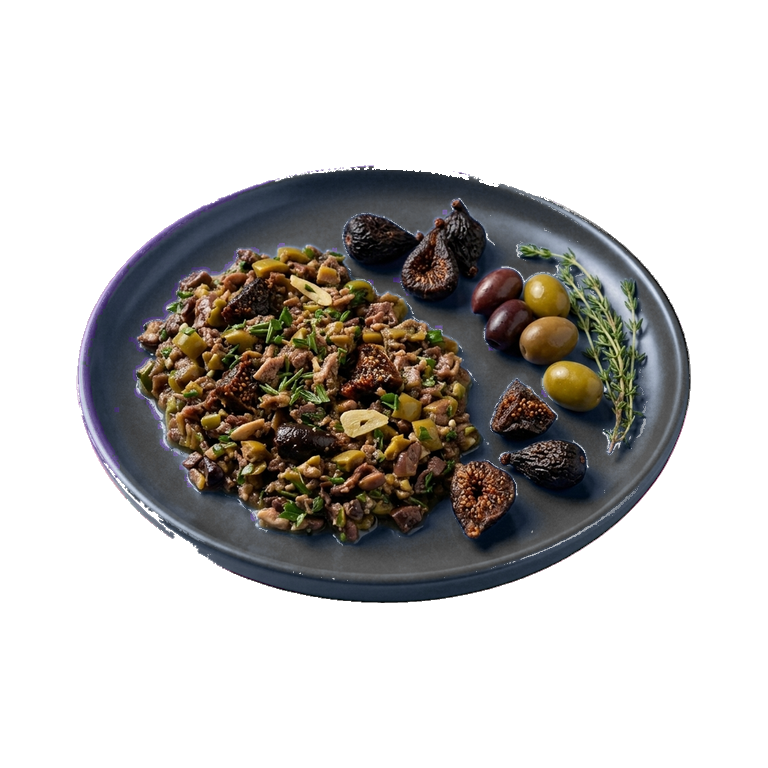
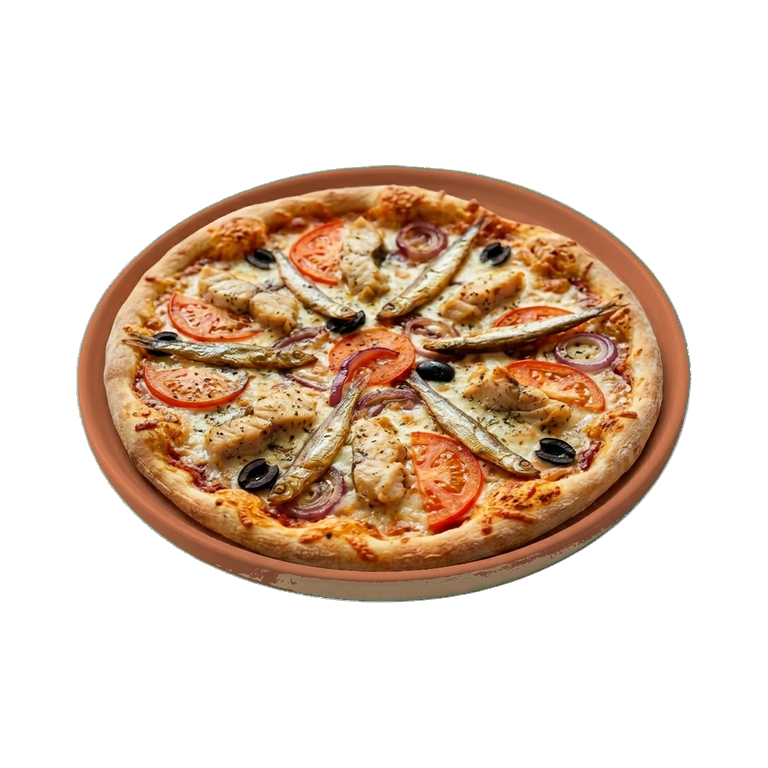
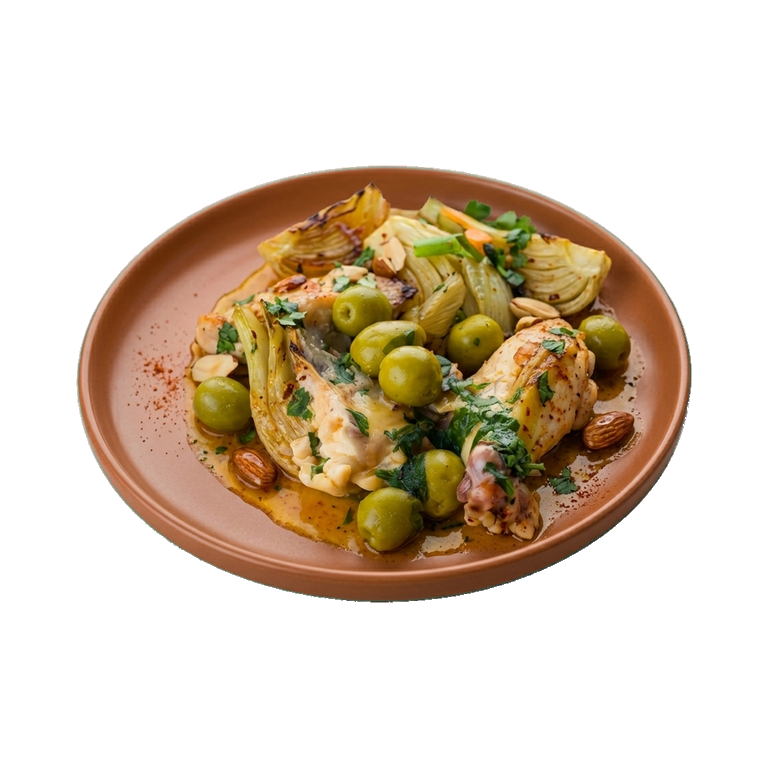
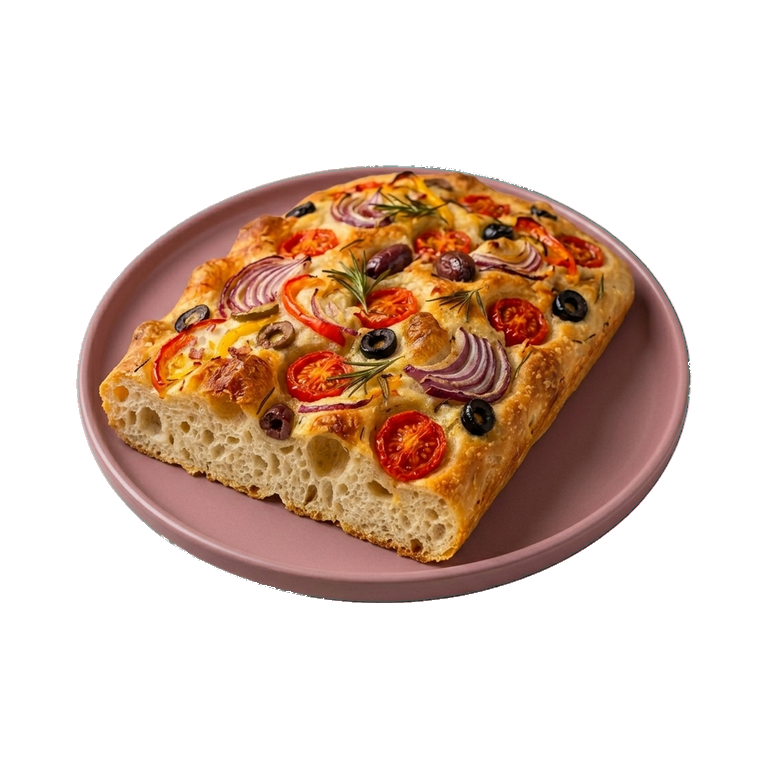
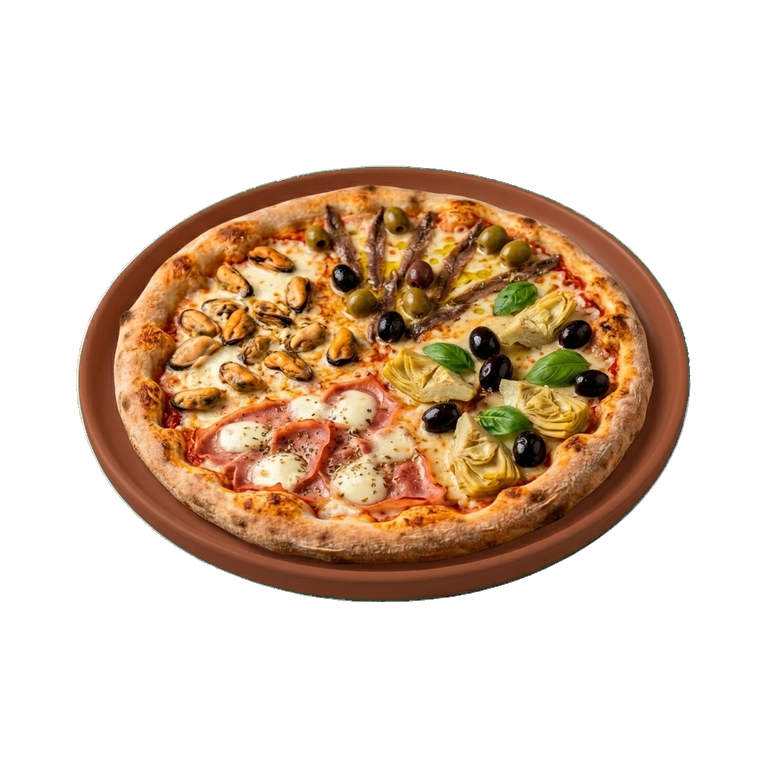
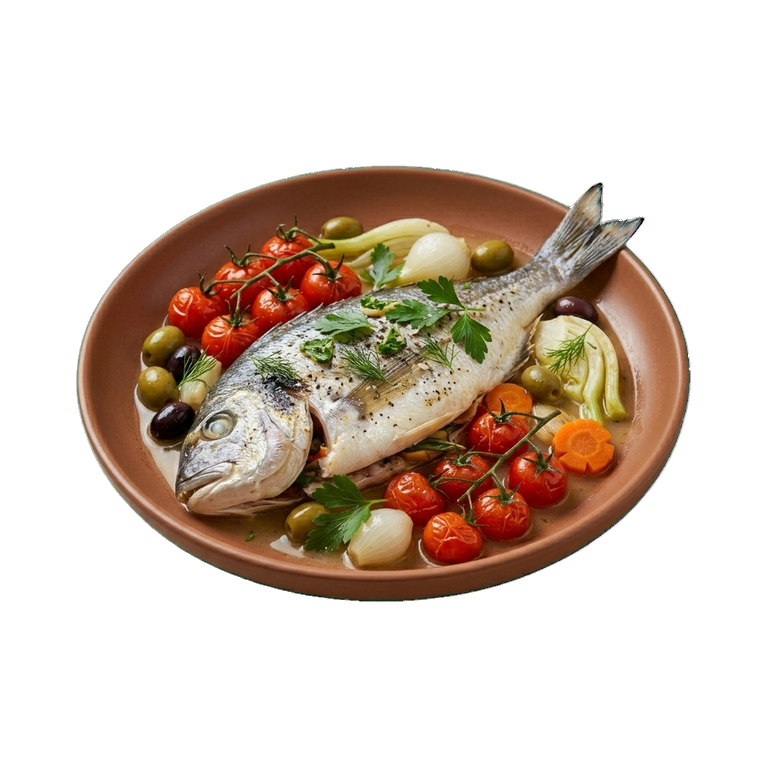
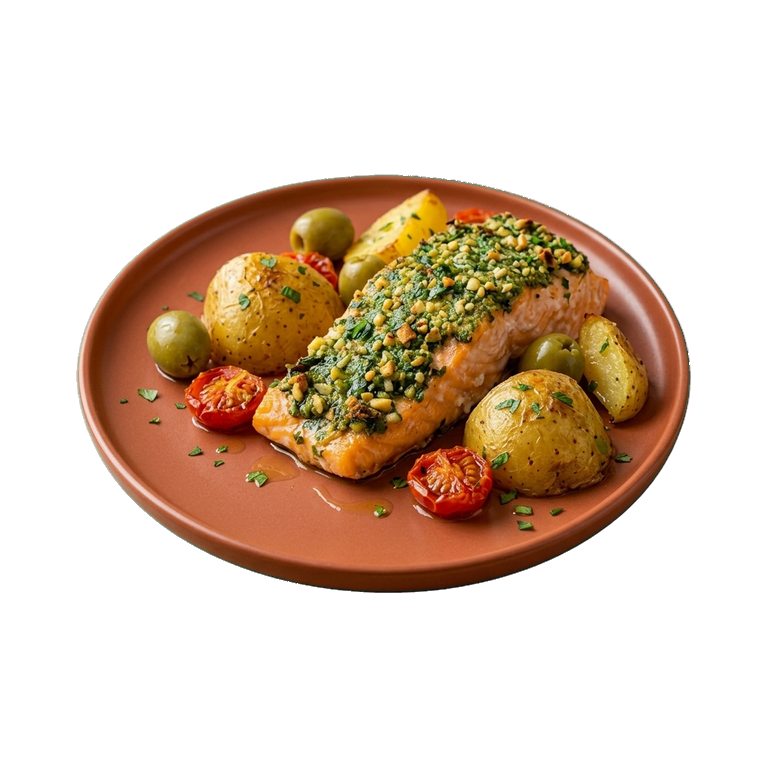
On pizza, in tapenade, in pickled vegetables, and in fish and meat dishes, olives reveal themselves differently. Green olives hold their shape and are great in hot dishes; black olives are softer and better suited for purees and sauces. If the pit is bothersome — choose already pitted ones, but keep in mind that they lose some texture and aroma.
Selection and Storage
When buying, pay attention to the appearance: the fruits should be whole, without cracks or dark spots. The brine should be clear, without cloudiness or sediment. Try before buying if possible — this way you'll understand how salty the olives are and whether you like their bitterness or smoothness.
Keep an open jar or a jar with olives in the refrigerator. If the olives start to mold or smell strange — throw them away. If the brine has spoiled but the fruits look fine, you can transfer the olives to fresh brine made from salt and water. A sealed jar keeps for a long time, but after opening it's best to use it within a month.
Combinations with other ingredients
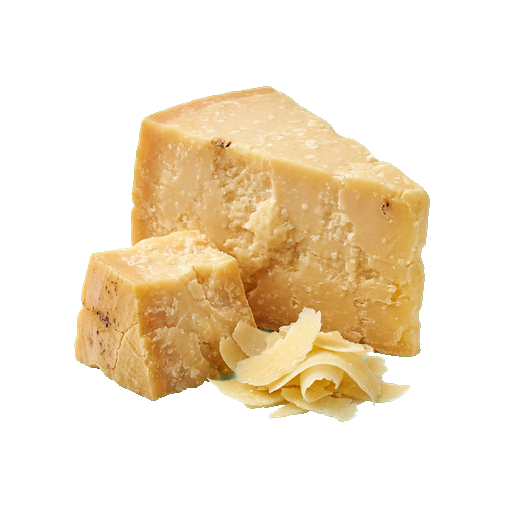
- Feta, mozzarella, parmesan — a classic duo with olives in salads and appetizers
- Lemon and lime — acidity balances saltiness and bitterness
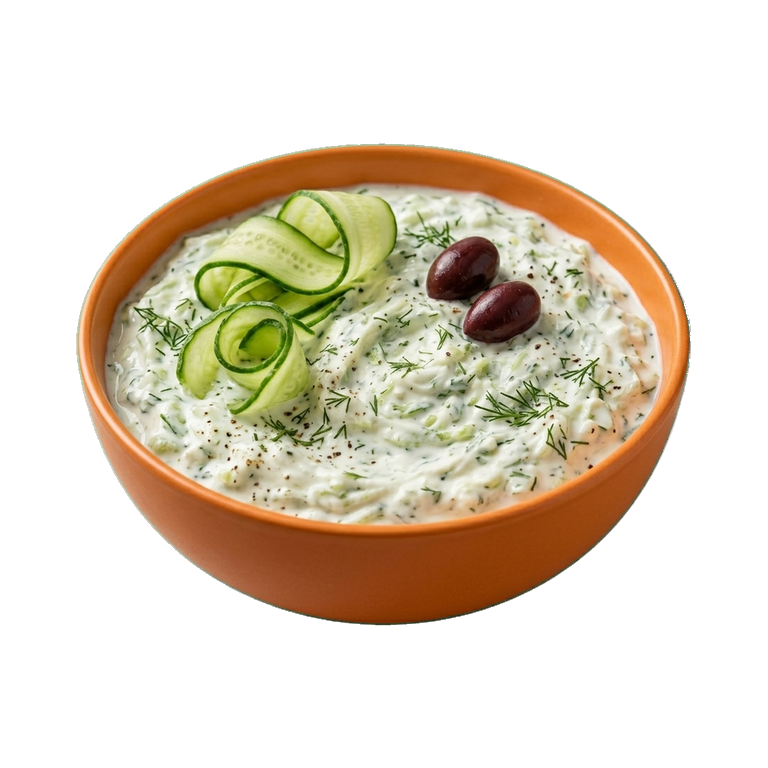
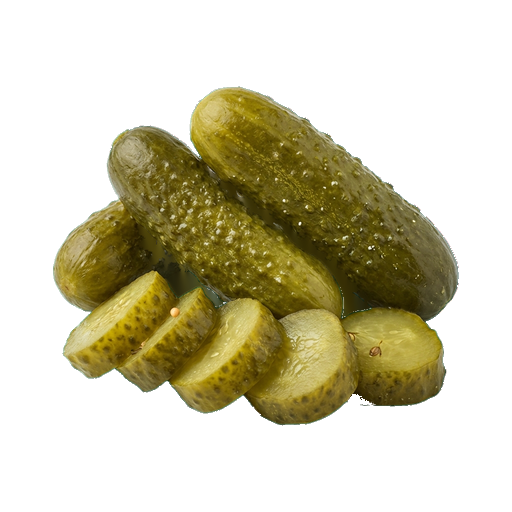
- Tomatoes, cucumbers, bell peppers — vegetables soften the intensity of olives
- Anchovies, capers — salty ingredients work in the same direction, enhancing each other
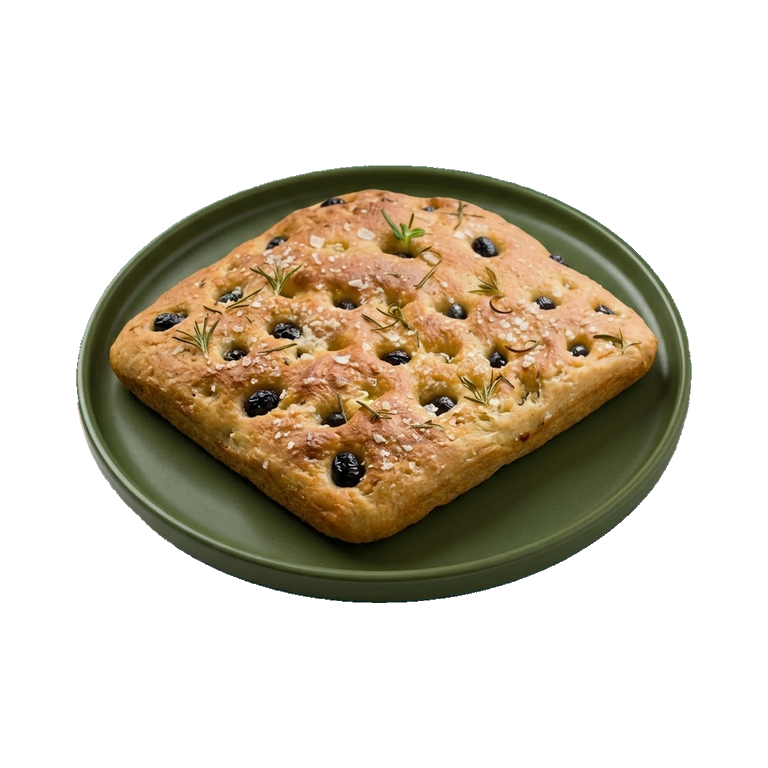
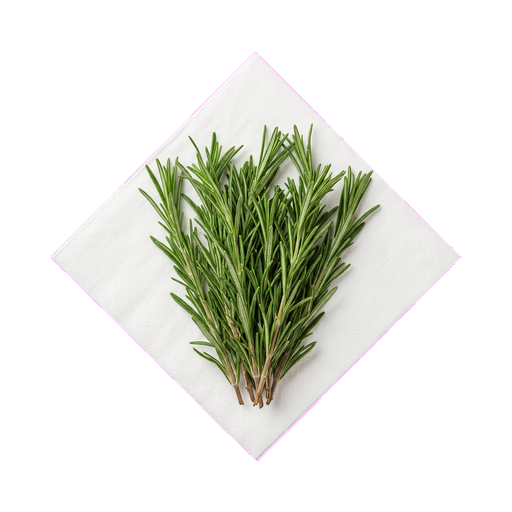
- Oregano, thyme, rosemary — herbs emphasize the Mediterranean character
- Olive oil — a natural pairing, together they create the foundation of many dishes
Olives are not just an ingredient, but a way to add saltiness, depth, and Mediterranean spirit to a dish. Experiment with different varieties and degrees of ripeness to find your perfect option for each recipe.
Nutrition
per 100 g
- Calories
- 115 kcal
- Protein
- 0.8 g
- Fat
- 10.7 g
- Carbs
- 6.3 g
Measures and weight
- 1 tbsp
- 13.5 g
- 1 tsp
- 4.5 g
- 1 cup
- 225 g
- 1 pcs
- 4 g
- 1 can
- 300 g
Measure calculator
- Weight
- 100 g
- Calories
- 115 kcal