Usuba
Usuba
Fennel
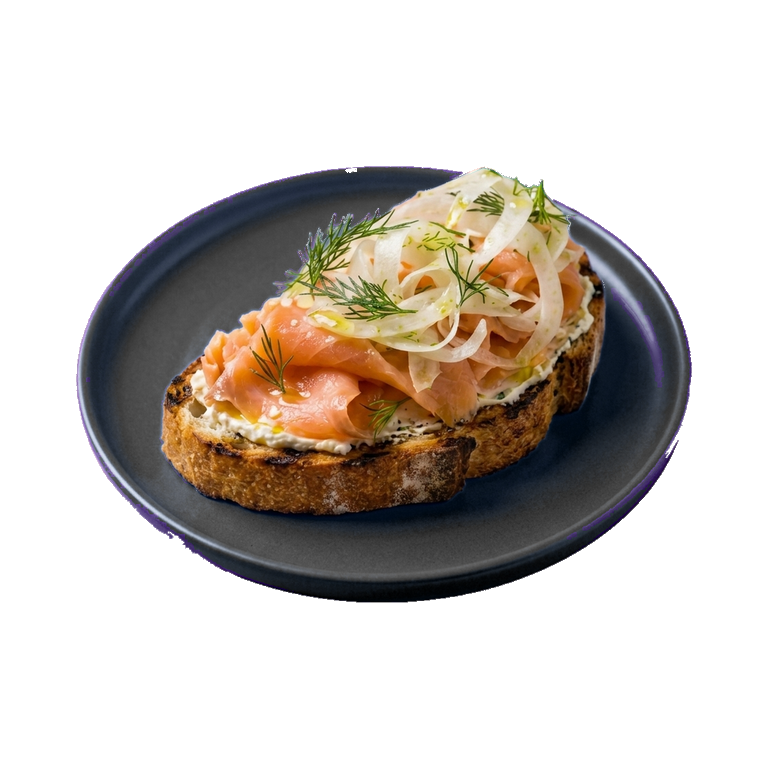
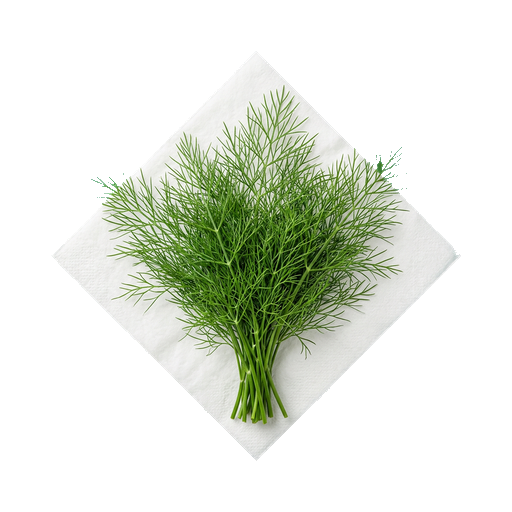
Fennel is a plant with delicate feathery leaves and a slightly sweet anise flavor with a light bitterness. In cooking, both the intensely aromatic seeds and the white bulbous part are used, which becomes tender during cooking and acquires a delicate caramel note. Fennel pairs well with fish and seafood, adds depth to sauces and marinades, and the seeds are often added to bread, sausages, and pickled vegetables.
Micronutrients
per 100 g
About
Fennel is a spice with a double life. Its seeds, resembling tiny dill grains, give dishes a slightly sweet anise aroma, while the leaves and bulb are used as a vegetable. In the kitchen, it works universally: adding depth to fish dishes, transforming marinades and sauces, warming tea and baked goods. If you haven't cooked with fennel yet, it's time to start — it will become your faithful helper in expanding your flavor palette.
Aroma and Taste
Fennel seeds reveal themselves only when heated or crushed. Raw, they provide a subtle, barely noticeable anise hint, but when toasted in a dry pan they become an aromatic powerhouse: sweet, with a light spiciness and a barely perceptible bitterness. It's not a sharp spice — rather a delicate and warming one.
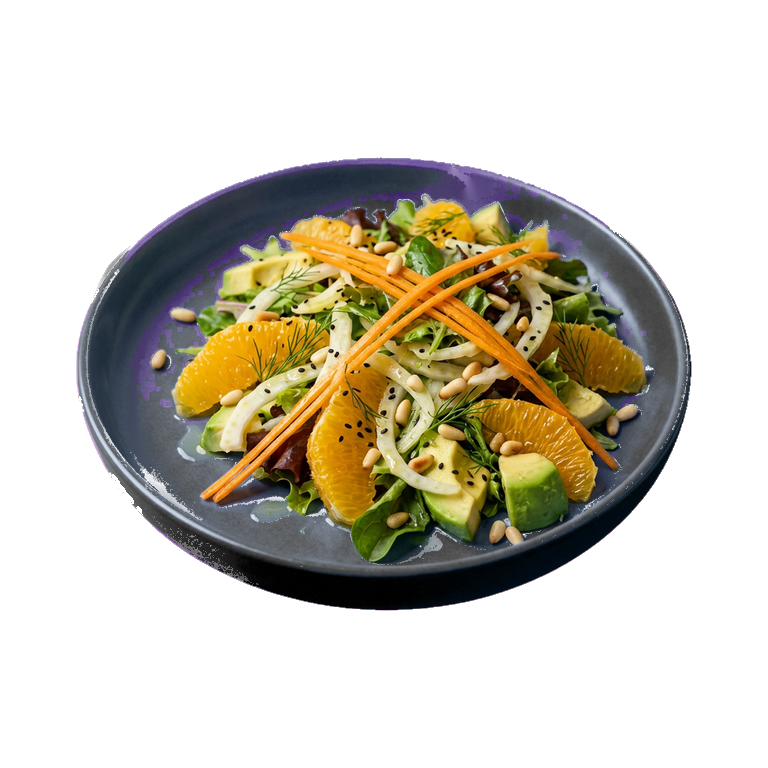
Fennel bulb is a completely different story. It's tender, slightly sweet, with a barely noticeable anise undertone. When cooked, it becomes soft and almost sweet, losing its sharpness. The leaves smell fresh and herbaceous — they're best added at the end of cooking or used as a garnish.
Role in Dishes
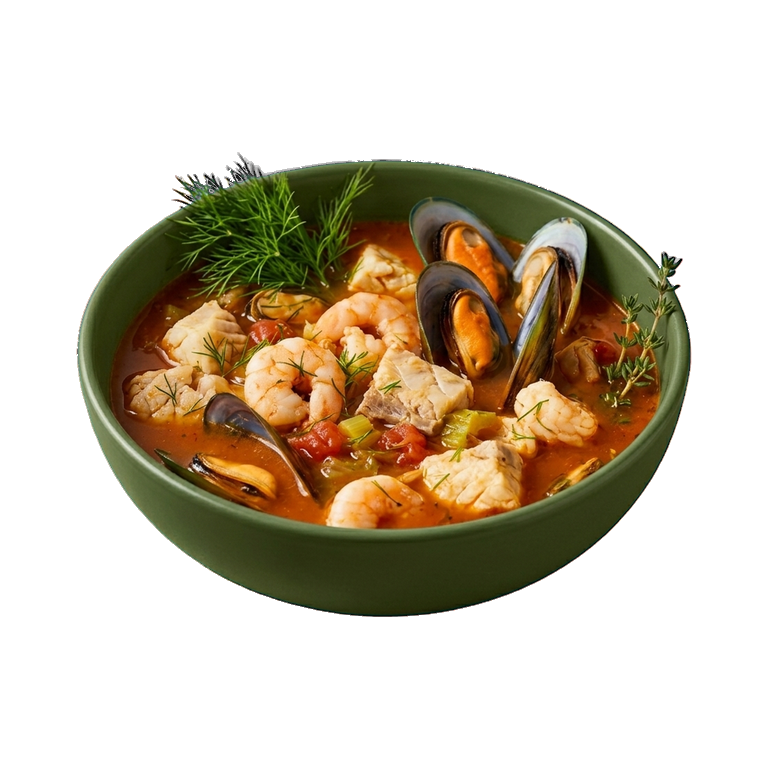
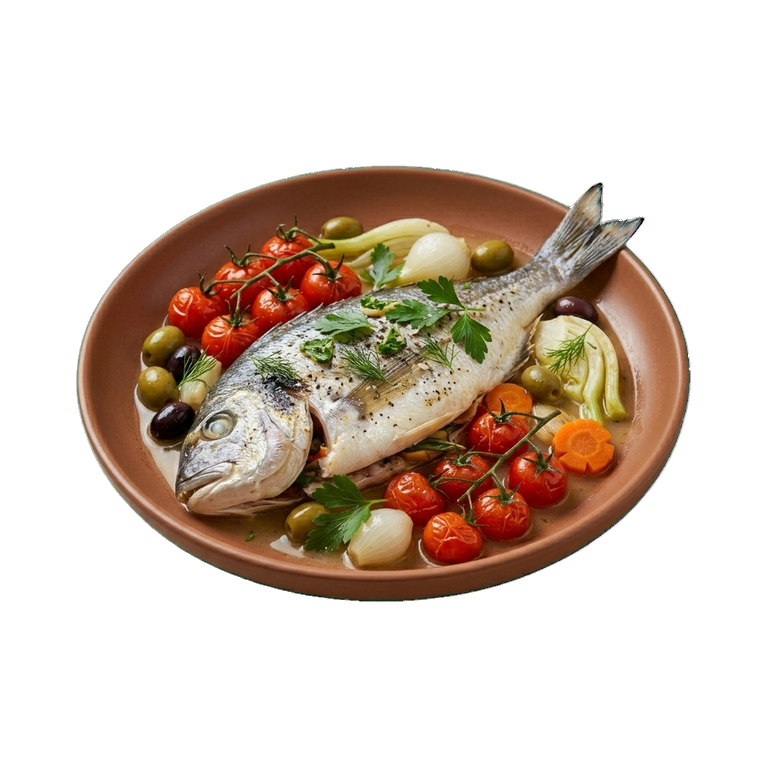
Fennel seeds are a classic choice for fish dishes. A pinch in the breading for sea bass or in a marinade for trout makes the meat more tender and aromatic. In marinades and brines, fennel works as both a preservative and a flavoring agent. It is added when pickling vegetables, in a marinade for cucumbers or tomatoes.
- In baking and sweets — cookies, buns, and gingerbreads acquire a light spicy charm
- In tea and beverages — seeds are brewed separately or mixed with other spices for a warming effect
- In sausages and meat fillings — a classic spice for homemade sausages and cutlets
- In sauces — fennel is added to sauces for fish and seafood
Combinations and Proportions
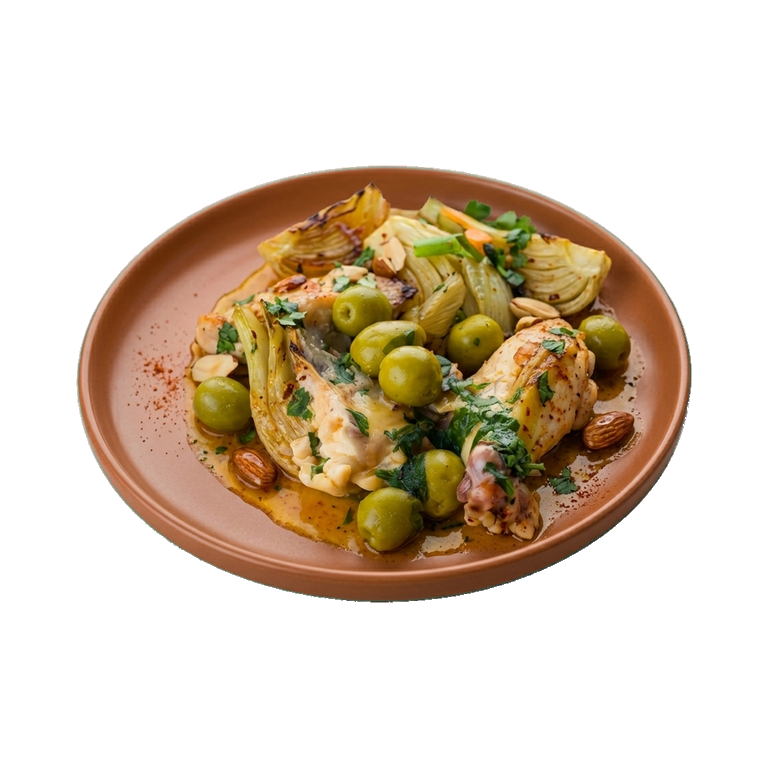
Fennel pairs well with other spices. It doesn't conflict with cinnamon, ginger, coriander, and black pepper. In fish dishes, it is often steamed with lemon, white wine, and herbs. Fennel bulb pairs excellently with tomatoes, olive oil, and garlic — this is already a ready-made side dish recipe.
For most dishes serving four people, one teaspoon of seeds is enough. If you're cooking a bulb, take one medium one for two people. Remember: fennel doesn't like excess. Its task is to complement, not to dominate.
Selection and Storage
Choose seeds that are whole, without dust or lumps. They should be light green or yellowish-brown with a bright aroma. If there is no smell, the seeds are old and will be of little use. Look for a bulb that is firm, without dark spots or soft areas, with crispy leaves.
Seeds are stored in an airtight jar in a dark place for up to a year. Fennel bulb keeps in the refrigerator for one to two weeks in a bag or container. Leaves wilt quickly, so use them immediately or freeze in ice cubes with oil.
Fennel is not exotic, but a proven kitchen helper. Start with seeds in a fish dish or try roasted bulb with olive oil. Once you include it in your rotation, you won't be able to cook without this versatile spice.
Nutrition
per 100 g
- Calories
- 31 kcal
- Protein
- 1.2 g
- Fat
- 0.2 g
- Carbs
- 7.3 g
Micronutrients
per 100 g
Macronutrients
- Fiber
- 2.046 g
- Water
- 92.59 g
Minerals
- Sodium
- 49.03 mg
- Potassium
- 332.4 mg
- Calcium
- 41.3 mg
- Magnesium
- 14.98 mg
- Phosphorus
- 33.38 mg
- Iron
- 0 mg
- Zinc
- 0.14 mg
- Copper
- 0.07 mg
- Manganese
- 0.12 mg
Vitamins
- Vitamin C
- 14.7 mg
Measures and weight
- 1 pcs
- 250 g
- 1 head
- 250 g
Measure calculator
- Weight
- 100 g
- Calories
- 31 kcal