Usuba
Usuba

Lime zest
Lime zest is a thin aromatic layer of skin with a sharp, fresh citrus aroma and a slightly bitter taste with acidic notes. Used in cooking to flavor beverages, desserts, sauces, and seafood dishes, adding brightness and depth without excess moisture. When selecting, prefer firm fruits with smooth skin, and when zesting, remove only the green layer, avoiding the white bitter part beneath it.
About
Lime zest is the thin upper layer of peel where all the aromatic power of the fruit is concentrated. When you scrape off the yellow-green skin, beneath it lies a white bitter part that should be avoided. It is the zest that gives that piercing, fresh aroma that is instantly recognized in cocktails, desserts, and spicy dishes.
Aroma and Taste
Lime zest smells brighter than the juice. It has a sharp, almost spicy aroma with floral notes that is unforgettable. To the taste, it is both bitter and acidic at the same time, but the bitterness is noble, not harsh. When you zest fresh lime, essential oils are released and fill the air — this is a sign that you are working with a quality product.
Where and how to use it
- In cocktails and drinks — zest adds aroma and decorates the glass, often twisted into a spiral over the drink
- In baking and desserts — added to the dough, cream or topping for freshness and a subtle bitterness
- In Asian cuisine — grated over spicy dishes, soups and salads for a bright finishing touch
- In marinades and sauces — mixed with oil and spices for piquancy
- In tea and hot drinks — added at the moment of serving so the aroma unfolds to its full potential
The main secret is to use the zest of fresh citrus, freshly grated. Dried zest loses some of its aroma, but if you don't have it on hand, it's better than nothing. Grate only the green layer, avoiding the white pith: it will spoil the dish with bitterness. A microplane or a grater with fine holes are your helpers.
Selection and Storage
Choose limes with smooth, firm skin without dents or soft spots. The brighter the color, the riper the fruit and the more aromatic the zest. Squeeze the lime gently in your hand: it should give slightly but not be completely soft. Limes can be stored in the refrigerator for two to three weeks, but it's best to zest them fresh for maximum aroma.
If you want to stock up on zest for later, grate it thinly onto parchment paper and dry it in the oven at the lowest temperature (30–40 degrees Celsius) for several hours until it becomes brittle. Store in an airtight jar in a dark place — this way it will retain its aroma for several months. Freezing also works: place the grated zest in ice or a bag and take it out as needed.
Successful Pairings
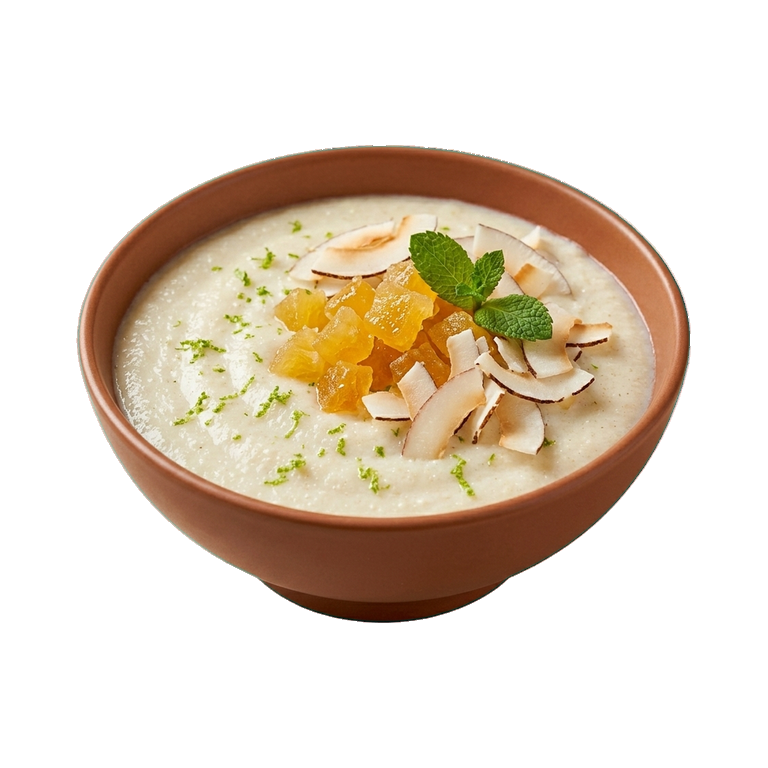
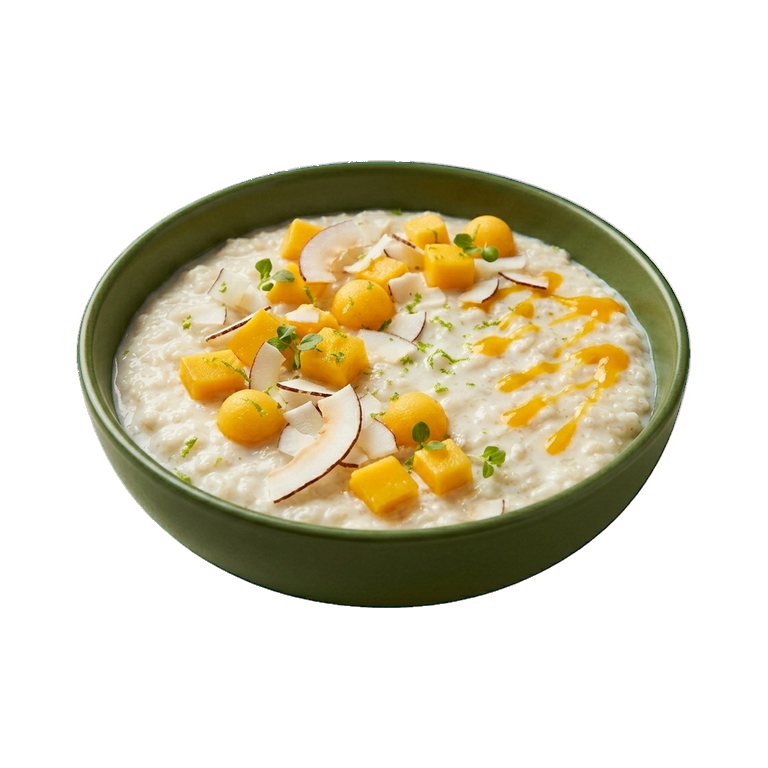
- With coconut and milk — a classic of Asian desserts and beverages
- With chili and garlic — creates a spicy, invigorating contrast in salads and appetizers
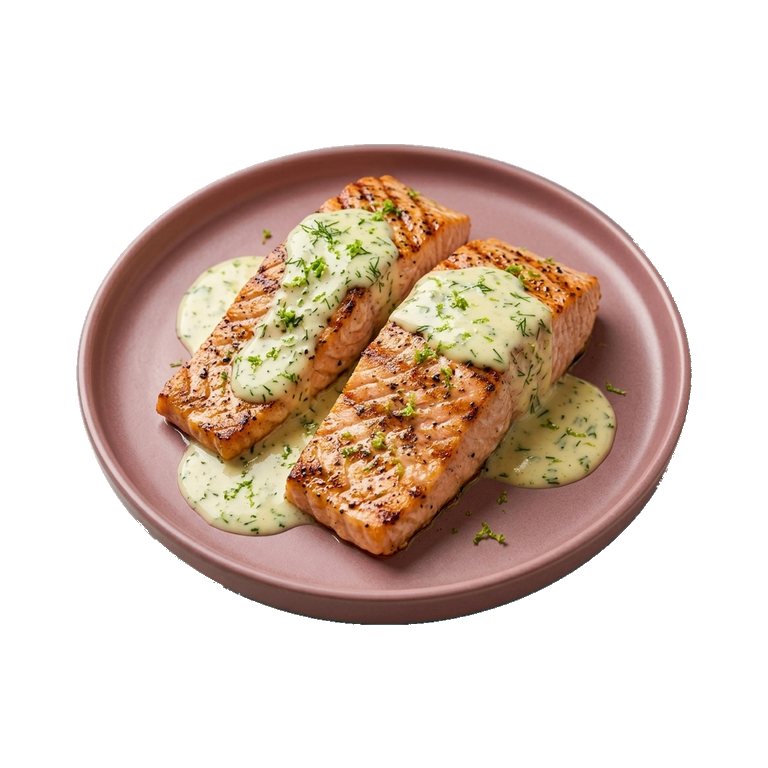
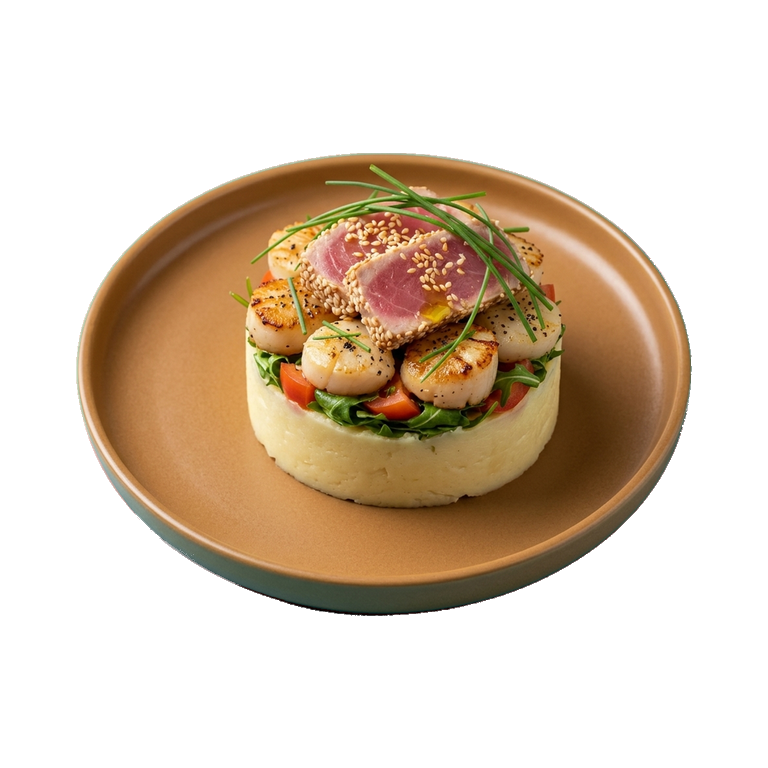
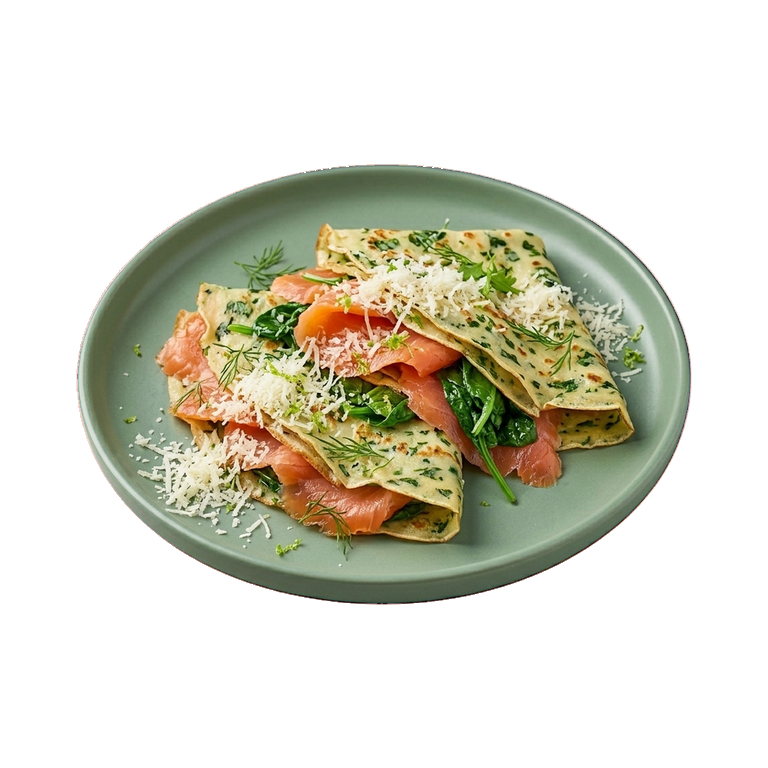
- With fish and seafood — zest highlights freshness and lightness
- With vanilla and caramel — an unexpected but harmonious combination in baked goods
- With ginger and turmeric — enhances Eastern notes in a dish
- With mint and basil — a fresh herbal composition for summer beverages
Lime zest is a tool for the final touch. It doesn't feed, but inspires: it adds character, freshness, and that very spark that turns a good dish into a memorable one.
Nutrition
per 100 g
- Calories
- 52 kcal
- Protein
- 0.8 g
- Fat
- 0.2 g
- Carbs
- 14 g
Measures and weight
- 1 tbsp
- 6 g
- 1 tsp
- 2 g
- 1 cup
- 100 g
Measure calculator
- Weight
- 100 g
- Calories
- 52 kcal