Usuba
Usuba
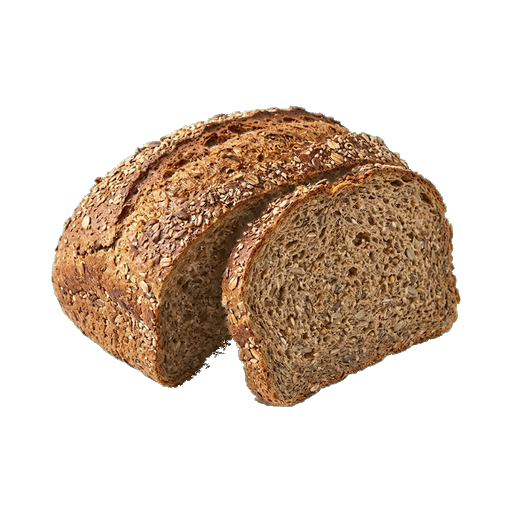
Whole grain bread
Bread made from whole grain flour that retains all parts of the grain — the bran, germ, and endosperm. It has a dense structure, a rich nutty flavor, and a more pronounced aroma than white bread due to the presence of bran. When choosing, pay attention to the ingredients — quality whole grain bread contains minimal additives. When substituting it for white bread in recipes, keep in mind that it absorbs more moisture and gives dishes a coarser texture.
About
Whole grain bread is not just an alternative to white bread. It's bread where the entire grain works as a whole: the bran, the germ, the endosperm. Nothing is sifted out, nothing is lost. That's why it's denser, darker, with character. In the kitchen, such bread behaves differently than the usual kind: it demands respect for its texture and taste, but it gives back much more.
Taste and Aroma
Whole grain bread will never be airy and neutral. The taste here is earthy, slightly nutty, with a light bitterness from the bran. The aroma is more pronounced than in white bread — you can feel the grain, with a slightly sweet undertone. Fresh bread, still warm, smells more vibrant, and the smell becomes calmer with storage. The crumb is dense, doesn't crumble, slightly moist even to the eye.
Where to use it
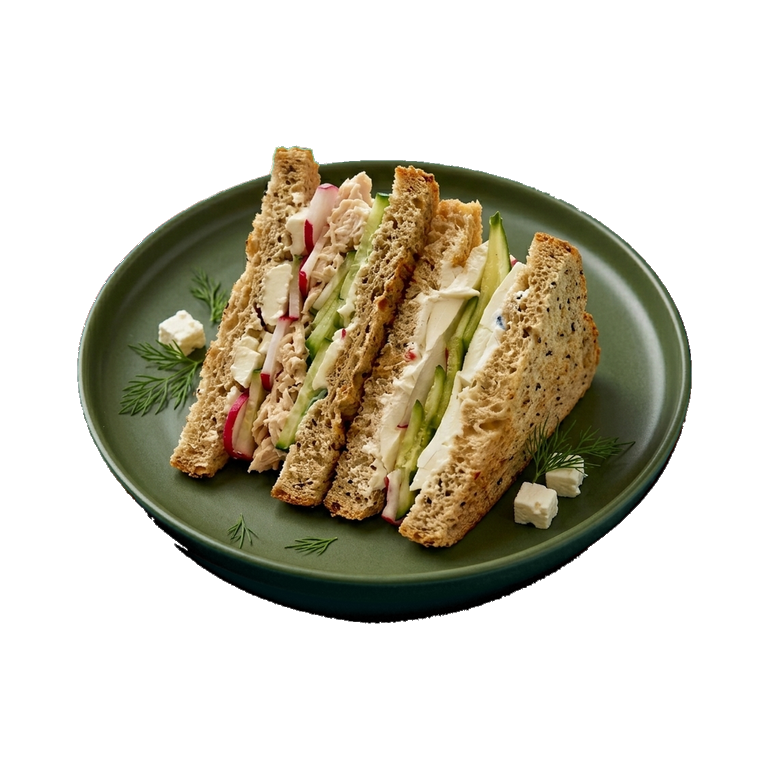
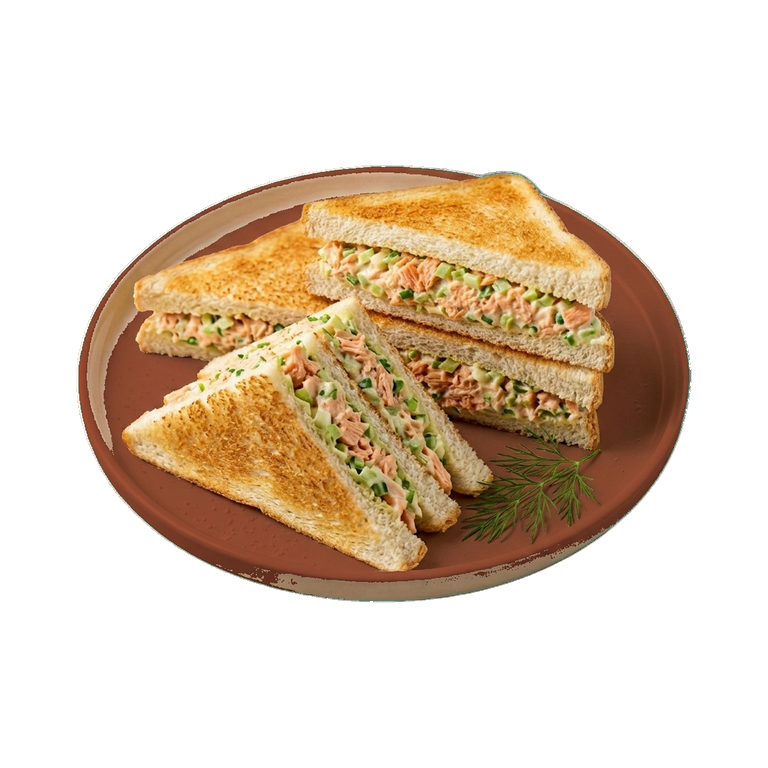
- Toasts and sandwiches — dense bread structure holds the filling well, doesn't get soggy if you add a moist ingredient
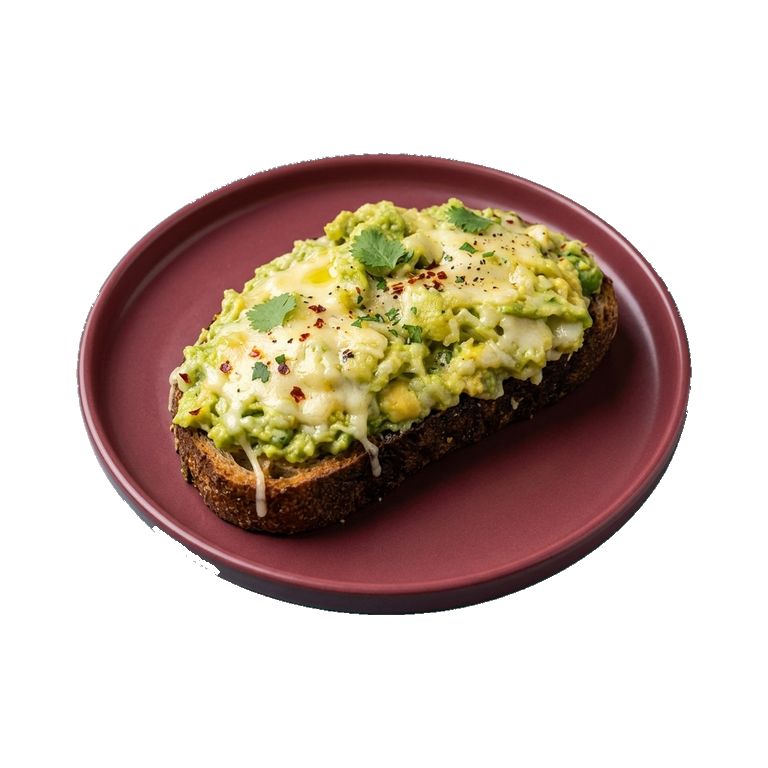
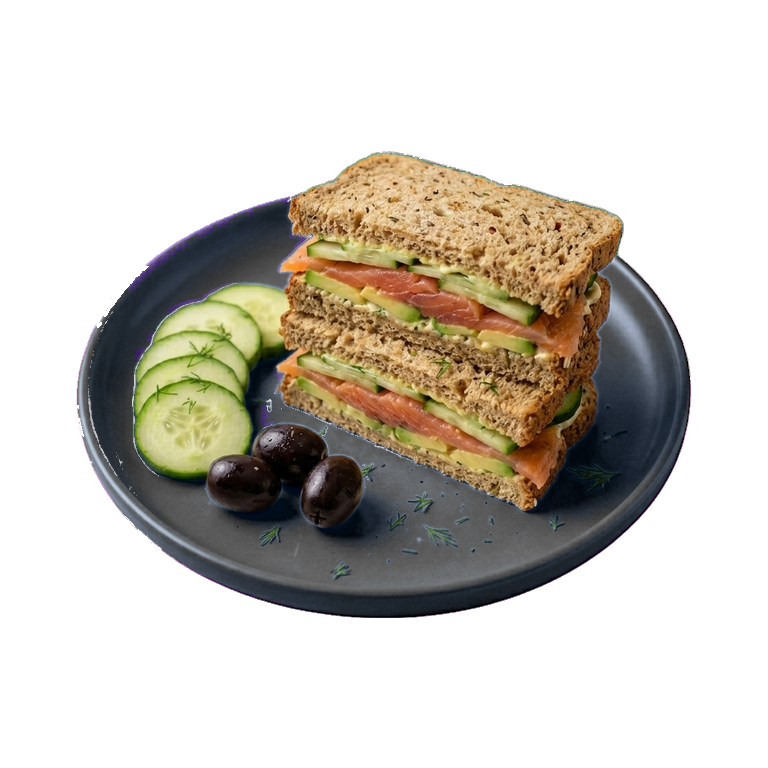
- Base for open sandwiches with avocado, salmon, soft cheese — bread doesn't disappear under them
- Bread with soups and side dishes — dense crumb won't fall apart in broth
- On its own with butter and salt — if the bread is good, nothing else is needed
- Breading for cutlets or fish — gives a more pronounced flavor and interesting crust
Pairings
Whole grain bread works well with strong flavors: smoked meat, sharp cheeses, pickled vegetables, robust pâtés. Subtle flavors don't get lost with it — on the contrary, they are enhanced. So if you spread it with good butter, the taste of the butter will become more pronounced. With light salads or delicate pâtés, such bread can be too aggressive — white bread or rye with less bran content is a better choice.
How to Choose and Store
- Check the ingredients — there should be whole grain flour, water, salt, sourdough starter or yeast. Everything else — preservatives, emulsifiers, improvers — is a sign of industrial bread
- Good bread is heavy for its size, the crust is not shiny, the crumb is evenly dark
- Fresh bread keeps for 2–3 days in a paper bag at room temperature
- Sliced bread goes stale faster — slice as needed
- The freezer is a friend of whole grain bread. Sliced and packed in a bag, it keeps for a month without losing flavor. Thaw at room temperature or toast directly in the toaster
Practical Tips
If you're used to white bread, whole grain may seem heavy. Start with bread where whole grain makes up 50–70%, and the rest is white flour. Gradually transition to 100%. The density of bread is not a drawback, but its nature. It's digested more slowly and provides a longer feeling of fullness. For toast, cut thicker than usual — thin slices will be hard. If the bread has dried out a bit, dampen it slightly with water, wrap it in foil, and heat it in the oven for 10 minutes — it will restore its softness.
Nutrition
per 100 g
- Calories
- 250 kcal
- Protein
- 10 g
- Fat
- 3 g
- Carbs
- 45 g
Measures and weight
- 1 pcs
- 400 g
- 1 slice
- 30 g
Measure calculator
- Weight
- 100 g
- Calories
- 250 kcal