Usuba
Usuba
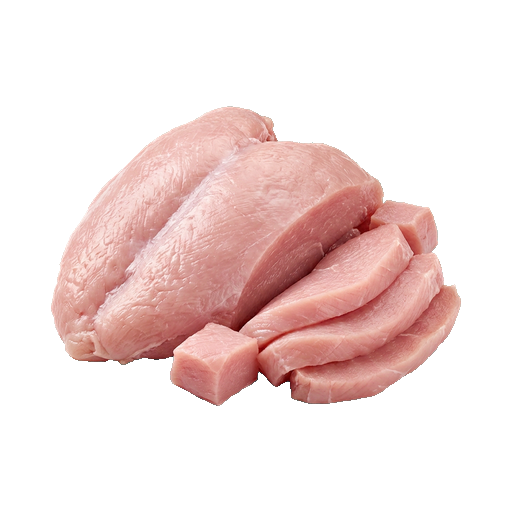
Turkey breast
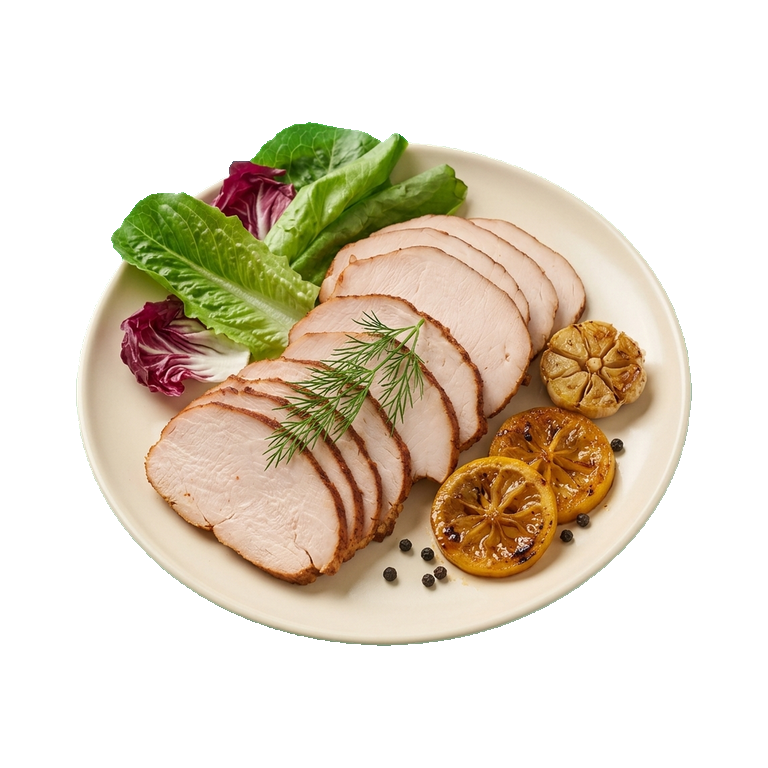
Turkey breast is a lean meat with a tender texture and mild flavor that cooks faster than chicken. With its low fat content, it's ideal for healthy eating, but requires careful handling during cooking to prevent it from becoming dry. It's used in baked dishes, on the grill, in salads and soups, and when cooking it's best not to exceed 75–80 degrees inside the meat.
About
Turkey breast is one of the most versatile white meats in the kitchen. It is lighter than chicken, denser in texture, and when cooked properly, remains juicy and tender. This meat became the foundation of healthy eating for a reason: it is low-calorie, rich in protein, and contains practically no fat. At the same time, turkey has its own, slightly sweet flavor that doesn't require masking and reveals itself well in a wide variety of dishes.
Taste and texture
Turkey breast is much more tender than it might seem at first glance. The key is not to dry it out on the stovetop or in the oven. The meat has a delicate, almost neutral flavor with barely noticeable nutty notes. This quality makes it an ideal canvas for spices, marinades, and sauces. The texture is dense and fibrous, but when cooked over moderate heat, it becomes soft and cuts easily.
How to cook without ruining it
The main enemy of turkey breast is high temperature and long cooking time. The meat quickly loses moisture, becomes tough and tasteless. Low temperature works best: cook in the oven at 160–180 degrees or in a pan over medium heat. Before cooking, it makes sense to marinate the breast for at least an hour — this is insurance against drying out.
- In a pan: fry on both sides until golden, then finish cooking over low heat covered
- In the oven: bake whole breast or cut into steaks at 170 degrees for 20–30 minutes
- In a slow cooker: this is the ideal method — the meat will be juicy thanks to the moist environment
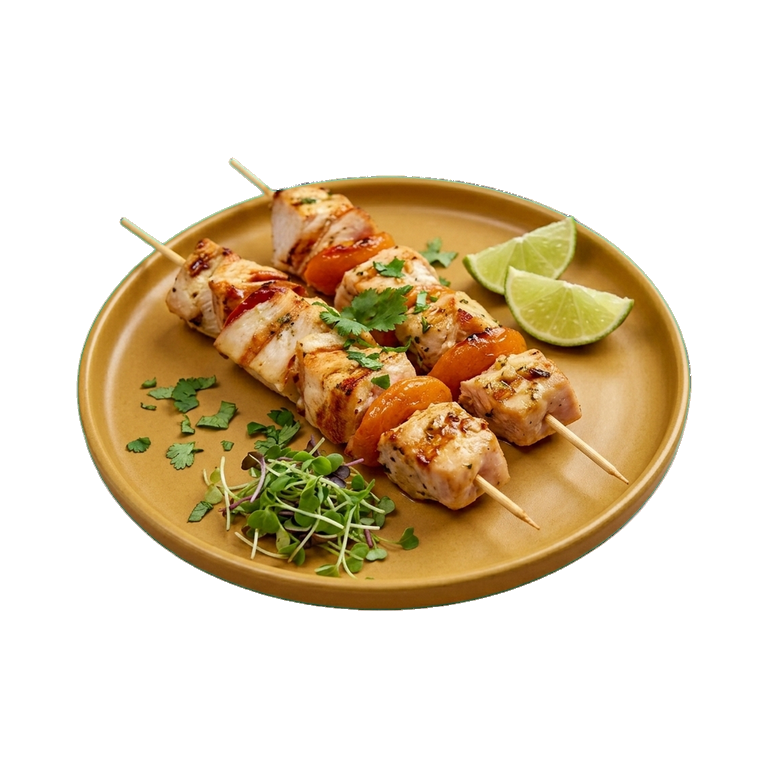
- On the grill: thin slices cook for 3–4 minutes on each side
What pairs with
The neutral flavor of chicken breast allows it to pair well with any aromas. It absorbs spices excellently: turmeric, cumin, paprika, black pepper. It works well with acidic components — lemon juice, vinegar, tomato. Creamy sauces highlight the tenderness of the meat, while spicy ones give it character.
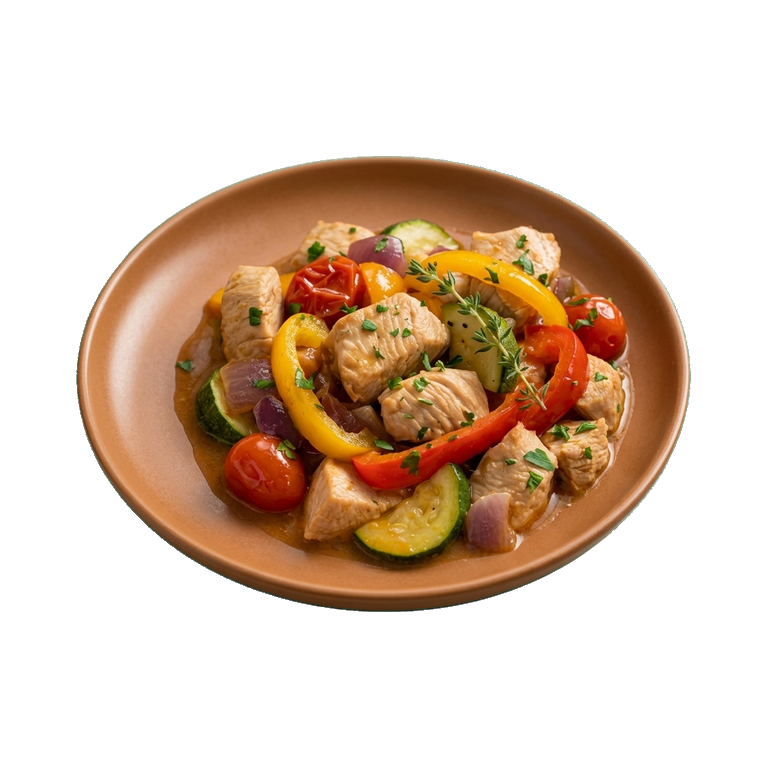
- Vegetables: bell pepper, zucchini, eggplant, tomatoes, mushrooms
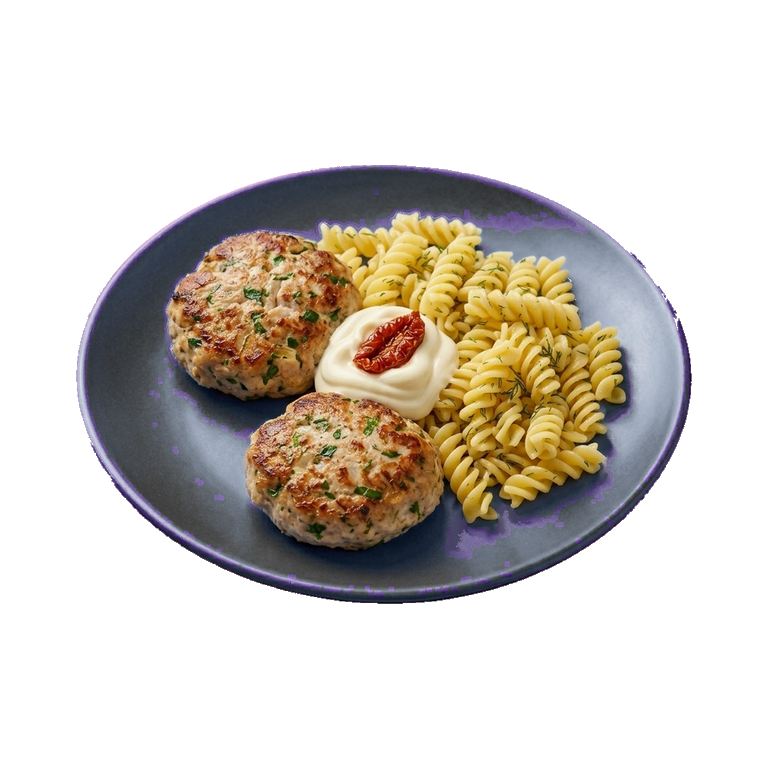
- Grains and pasta: rice, quinoa, pasta, polenta
- Sauces: butter, tomato, honey-mustard, teriyaki
- Herbs: rosemary, thyme, basil, coriander
Where to use
Turkey breast is versatile: it makes light salads, hearty soups, dinner steaks, ground meat for cutlets, and even kebabs. It can be sliced thin for sandwiches, cubed for stir-fry, cut into strips for skewers, or left whole for roasting. The meat works well in homemade semi-finished products — cutlets, meatballs, ground meat.
Selection and Storage
Choose breast with a pink color rather than gray — this is a sign of freshness. The meat should not be sticky or have an unpleasant odor. A small amount of liquid on the surface is acceptable, but not puddles. Chilled meat keeps in the refrigerator for 3–4 days, frozen — up to 3 months. Before cooking, let it thaw in the refrigerator, not at room temperature.
Turkey breast is an excellent choice for those who monitor calorie intake and protein quality, but don't want to sacrifice taste. The key is to cook it with respect for its delicate nature.
Nutrition
per 100 g
- Calories
- 135 kcal
- Protein
- 29.9 g
- Fat
- 0.7 g
- Carbs
- 0 g
Measures and weight
- 1 pcs
- 500 g
Measure calculator
- Weight
- 100 g
- Calories
- 135 kcal