Usuba
Usuba
Duck breast
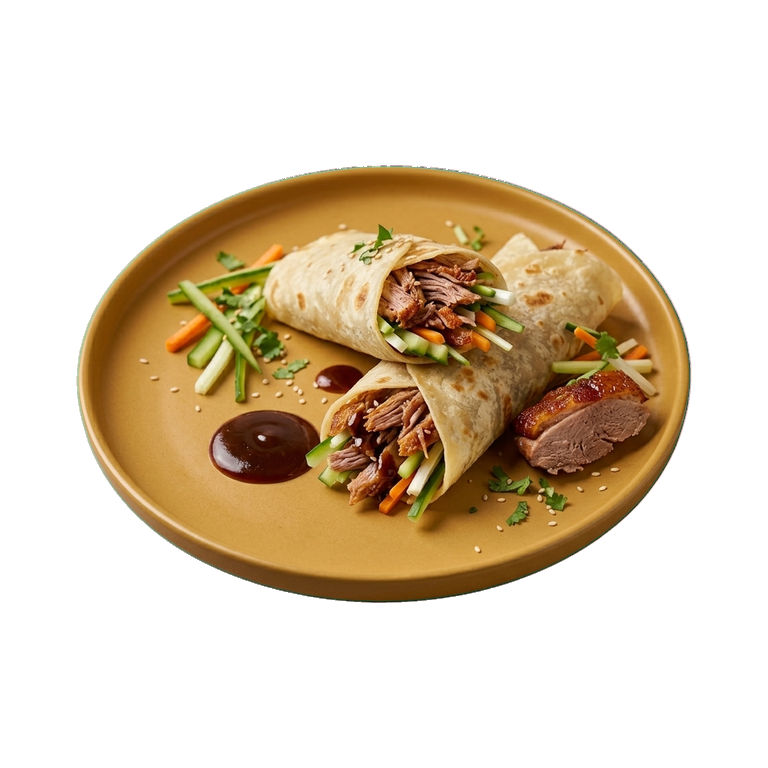
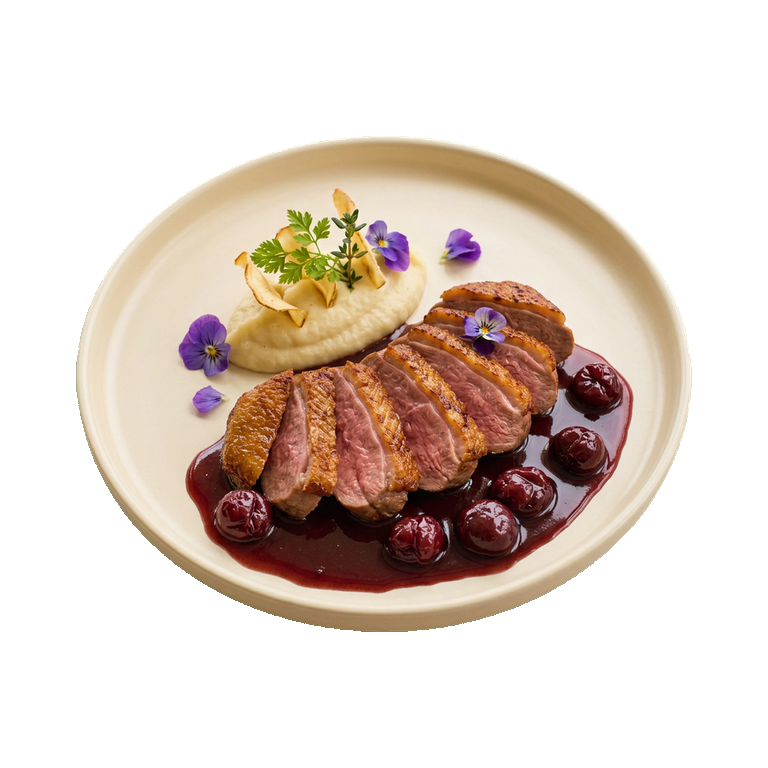
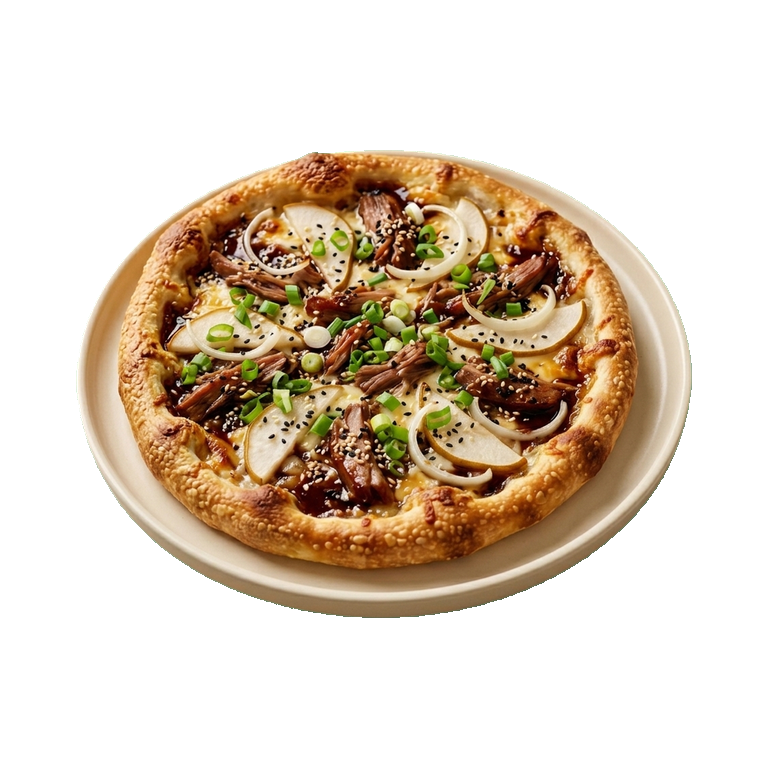
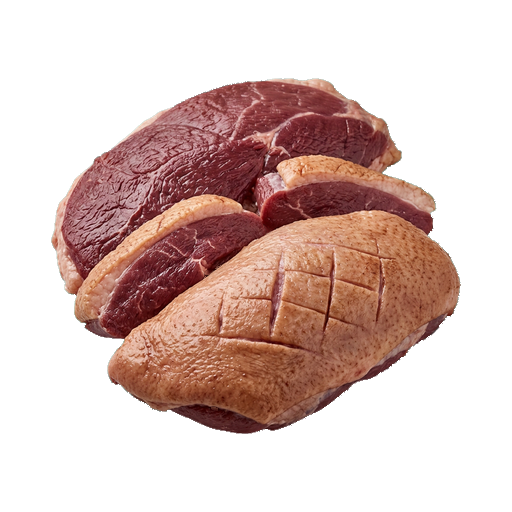
Duck breast is a high-fat meat with an intense, rich flavor that is cooked separately from the rest of the bird due to its distinctive characteristics. The meat has a dark color and dense texture, and requires proper heat treatment: the skin is usually scored and cooked skin-side down until crispy, while the meat itself should not be overcooked to keep it juicy inside. Duck breast is used in classic French dishes, Asian cuisine, and modern gastronomy, and can be pan-fried, braised, or grilled.
About
Duck breast is a meat that differs dramatically from chicken. It is denser, darker, and much more expressive in flavor. If you are used to cooking only poultry from the supermarket, duck breast will open up a completely new dimension of home cooking for you. Its main advantage is a thick layer of fat under the skin, which becomes crispy with proper heat treatment, while the meat remains pink and juicy inside.
Aroma and Taste
Duck meat has a rich, almost meaty flavor with a slight bitterness and mineral notes. It's not a neutral canvas like chicken fillet — it's a standalone ingredient with its own character. The aroma is intense, especially when the meat is fried over high heat. Duck fat doesn't smell rancid like poor-quality fat might, but instead gives the dish depth and roundness.
How to Cook Duck Breast
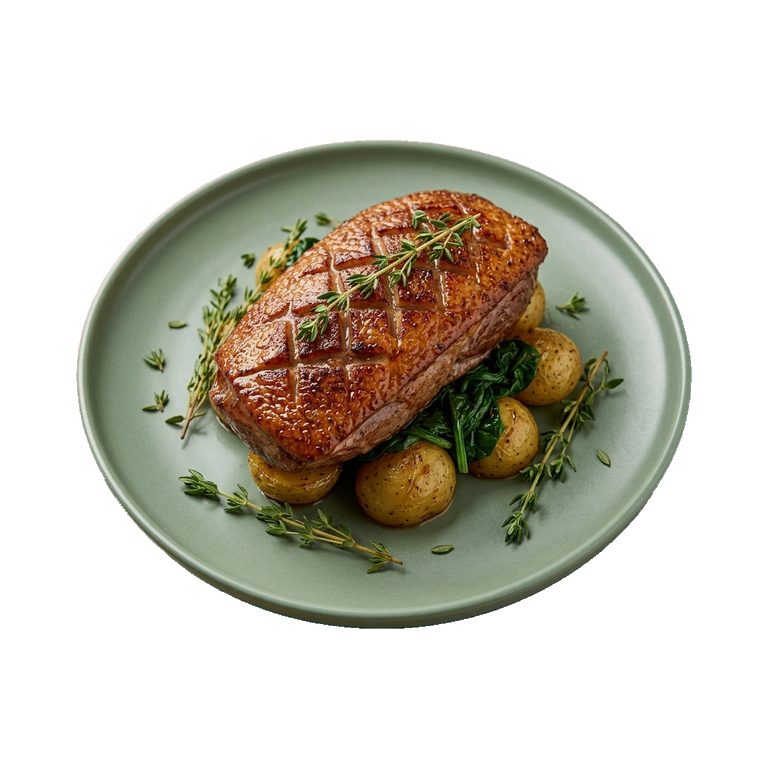
The main secret is not to be afraid of fat. Before frying, score the skin in a crosshatch pattern, but don't cut into the meat. Place the breast skin-side down on a cold pan without oil and turn on medium heat. The fat will render slowly, and the skin will become golden and crispy. This process takes 8–12 minutes. Then flip the breast and fry the meat for 3–5 minutes depending on thickness. Cooked meat should be pink inside — this is not raw, but properly cooked.
- Remove the breast from the refrigerator 20–30 minutes before frying to let it warm up
- Don't salt the skin in advance — it will prevent it from crisping. Salt at the end or 40 minutes before cooking
- After frying, let the meat rest for 5–10 minutes before slicing
- Don't pour out the rendered duck fat — it's liquid gold for frying potatoes or vegetables
What pairs well with duck breast
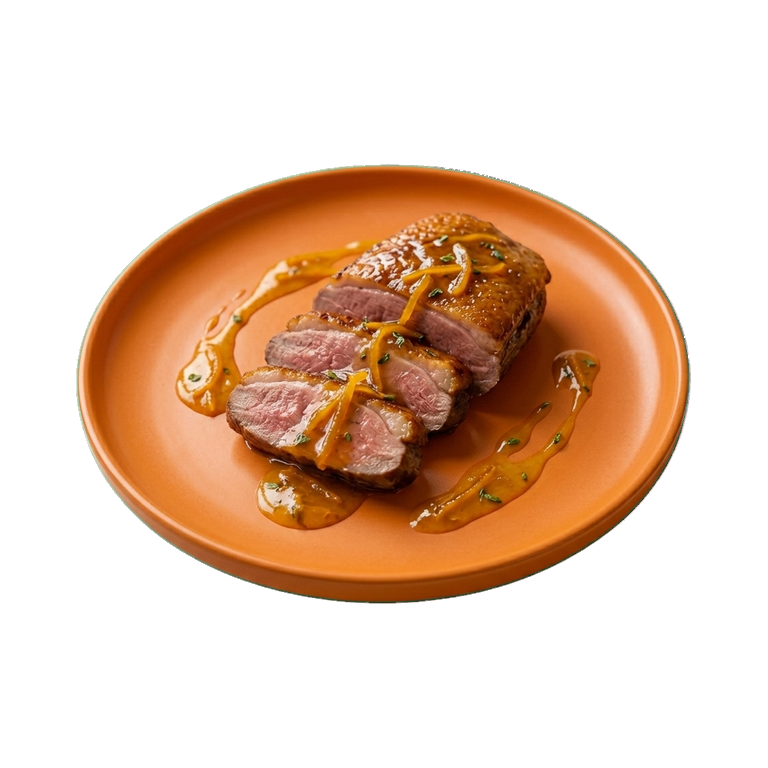
Thanks to its intense flavor, duck meat works well with sour and slightly bitter components. Orange, cherry, pomegranate, radish — they balance the richness and add freshness. Herbs like thyme, rosemary, and sage emphasize the meat's character. Spicy sauces, mustard, soy sauce — all of this enhances the flavor rather than overpowering it.
- Fruits: orange, pear, apple, cherry, fig
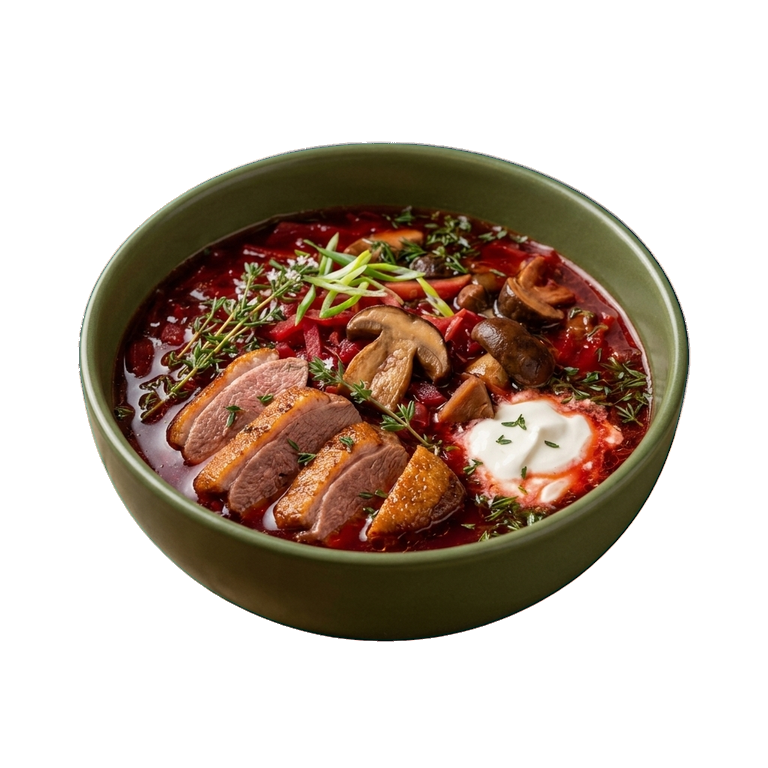
- Vegetables: asparagus, mushrooms, beet, carrot, cabbage
- Sauces: honey, orange, teriyaki, red wine
- Grains and side dishes: rice, quinoa, lentils, potato
Selection and Storage
When selecting, pay attention to the color — the meat should be dark red, almost burgundy. The skin should be intact, without damage. The smell should be fresh, meaty, without any off-odors. If the breast is in vacuum packaging, check the date and make sure the packaging is not damaged.
Duck breast can be stored in the refrigerator for 3–4 days on the lower shelf. In the freezer — up to three months. Thaw slowly in the refrigerator, not at room temperature. If you have thawed the breast, do not freeze it again — cook immediately or use within a day.
Duck breast demands respect for the ingredient and minimal manipulation. There's no need for complex marinades and long cooking times — just a good pan, attention to temperature, and understanding that pink meat inside is not undercooking, but the perfect degree of doneness. Once you try a properly cooked duck breast, you'll understand why it's so highly valued in restaurant cuisine.
Nutrition
per 100 g
- Calories
- 337 kcal
- Protein
- 19.3 g
- Fat
- 28.6 g
- Carbs
- 0 g
Measures and weight
- 1 pcs
- 180 g
Measure calculator
- Weight
- 100 g
- Calories
- 337 kcal