Usuba
Usuba

Wine
Wine is a fermented beverage made from grapes, containing between 8 and 15% alcohol depending on the variety and production method. In cooking, it is used for preparing sauces, marinades, and first courses, as well as for drinking with meals, adding depth of flavor and acidity to dishes. When choosing wine for cooking, it is important to remember that cheap wine with a harsh taste will ruin a dish, so it is worth using a beverage you would drink yourself — red wine for dark sauces and meat, white wine for fish and light gravies.
About
Wine in Cooking: More Than a Beverage
Wine in the kitchen works like magic: it doesn't just add flavor, it transforms a dish. When you pour wine into a hot pan, the alcohol evaporates in seconds, leaving behind concentrated aroma and depth. The acidity of wine helps unlock the flavors of other ingredients, and the tannins in red wine create structure and richness in sauces and stews.
The golden rule: cook with wine that you would drink. This doesn't mean expensive — it means quality and fresh. Oxidized or spoiled wine will ruin the dish, but good wine, even simple and inexpensive, will elevate the taste to the next level.
Red wine: for meat and stews
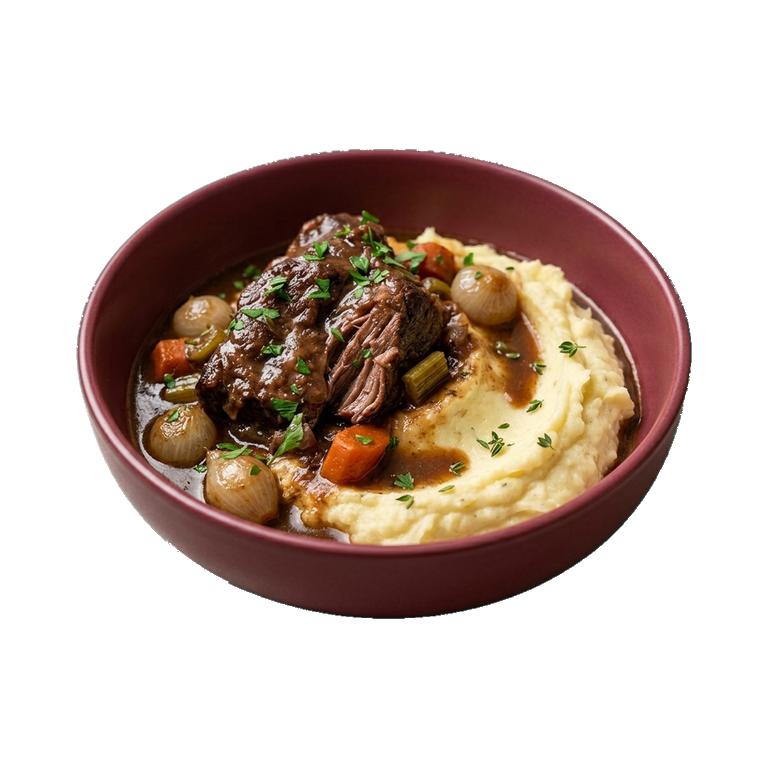
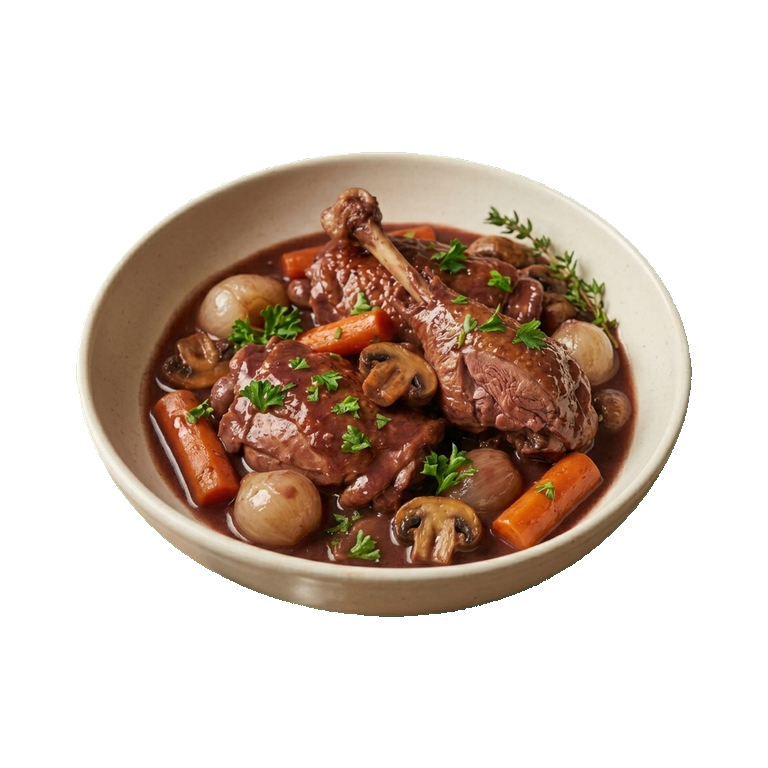
Red wine goes well with beef stew, beef cheeks, duck, and game. Its tannins bind with meat proteins, creating a rich sauce. Choose medium-bodied wines — not too light, not too heavy. Sauvignon, merlot, or cabernet work well in classic dishes. Wine is added at the beginning of braising so it has time to reveal its flavor and blend with the other components.
White wine: for fish, seafood and delicate sauces
White wine is lighter and fresher, it doesn't overpower the delicate flavors of fish and shrimp. Add it to seafood sauces, risotto, and mushroom dishes. White wine evaporates quickly, so it is often added at the end of cooking or used for deglazing the pan. Sauvignon Blanc, Chardonnay, or Pinot Grigio are universal kitchen helpers.
Practical Tips
- Let the wine evaporate completely — the alcohol should disappear, leaving only the taste and aroma. This takes 2–3 minutes over medium heat.
- Don't overcomplicate it: one bottle of wine per four servings of stew or sauce is a good guideline.
- For deglazing (when you pour wine into a hot pan with burnt bits), any wine you have on hand will work.
- Wine in marinades works as both an acid and preservative at the same time, making meat more tender.
- Sweet wine (muscat, riesling) is added to desserts, sauces for poultry, and some marinades for balance.
Storage of an open bottle
Open wine oxidizes. For culinary purposes, this is not critical, but it is better to use it within a week. Store in the refrigerator with the cork closed. If the wine starts to smell like vinegar, it is a sign that it is no longer suitable for cooking. You can freeze wine in ice cubes and use as needed.
Wine in the kitchen is not a luxury or complexity. It is a simple way to add depth and professionalism to a home dinner.
Nutrition
per 100 ml
- Calories
- 68 kcal
- Protein
- 0.1 g
- Fat
- 0 g
- Carbs
- 2.6 g
Measures and weight
- 1 tbsp
- 14.8 g
- 1 tsp
- 5 g
- 1 cup
- 247.5 g
Measure calculator
- Weight
- 100 g
- Calories
- 69 kcal