 Usuba
Usuba
Pescatarian
Pescatarianism is a dietary approach that excludes meat and poultry but retains fish and seafood. Fish should be present in the menu at least twice a week. This approach combines the principles of vegetarianism with the benefits of marine products rich in omega-3 fatty acids and protein.
- Protein15–25%
- Fat25–35%
- Carbs45–55%
The diet in numbers
Macros
Most calories come from carbs: 45–55%.
Percentages show the share of daily calories from each macronutrient. A range is a corridor, so there is no exact number to hit.
- Protein15–25%
- Fat25–35%
- Carbs45–55%
Calories by meal
The biggest meal is lunch: 40% of daily calories.
This is how daily calories split across breakfast, lunch, and dinner.
- Breakfast25%
- Lunch40%
- Dinner35%
How it works
- 1
Complete elimination of beef, pork, lamb, poultry and their derivatives
- 2
Regular inclusion of fish and seafood at least twice a week
- 3
The basis of the diet consists of vegetables, fruits, grains, legumes and dairy products
- 4
Emphasis on variety of marine fish: salmon, mackerel, herring, cod
- 5
Attention to the quality and source of products
- 6
Balance of proteins, fats and carbohydrates for complete nutrition
What to eat and what to avoid
Foods to eat
Fish and seafood
- salmon
- mackerel
- herring
- cod
- tuna
- trout
- shrimp
- squid
- mussels
- oysters
Dairy products
- milk
- yogurt
- cottage cheese
- cheese
- kefir
- sour cream
Eggs
- chicken eggs
- quail eggs
Vegetables
- tomatoes
- cucumbers
- carrots
- broccoli
- spinach
- cabbage
- bell pepper
- eggplant
Fruits
- apples
- bananas
- oranges
- pears
- berries
- kiwi
- avocado
Grains and cereals
- rice
- buckwheat
- oatmeal
- wheat cereal
- pasta
- bread
Legumes
- lentils
- chickpeas
- beans
- peas
Nuts and seeds
- walnuts
- almonds
- sunflower seeds
- pumpkin seeds
- flax seeds
Limit
Oils and fats
- butter
- vegetable oil
- margarine
Sweets and baked goods
- cakes
- cookies
- candy
- white bread
- pastries
Canned products
- canned fish in oil
- pickled vegetables with high salt content
Beverages
- sweet carbonated drinks
- packaged juices
- alcohol in large quantities
Avoid
Meat
- beef
- pork
- lamb
- horse meat
- sausages
- hot dogs
- ham
Poultry
- chicken
- turkey
- duck
- goose
- quail
Meat products
- meat broth
- meat pâté
- meat canned goods
Pros and cons
Pros
- Fish contains omega-3 fatty acids beneficial for heart and blood vessels
- Seafood is rich in iodine, selenium and other microelements
- Less stress on the digestive system compared to full meat consumption
- Ability to get a complete spectrum of proteins from different sources
- A more accessible option than strict vegetarianism thanks to fish
- Reduced carbon footprint compared to meat production
Cons
- Requires attention to the quality and source of fish due to possible contamination
- Fish can be expensive in some regions
- Need to monitor fish consumption frequency to avoid excess mercury
- Limits food choices in restaurants and when eating out
- Requires menu planning to ensure all necessary nutrients
Who it is for
Who it suits
- People seeking to reduce meat consumption for ethical reasons
- Those who want the benefits of vegetarianism but are not ready to completely give up animal protein
- People with high cholesterol who may benefit from fish
- Those interested in sustainable eating and ecology
- People looking for an alternative to meat without complete rejection of animal products
Who should skip it
- People with fish and seafood allergies
- Those following strict vegetarianism or veganism
- People with seafood intolerance
- Those living in regions with limited access to quality fish
Recipes for this diet
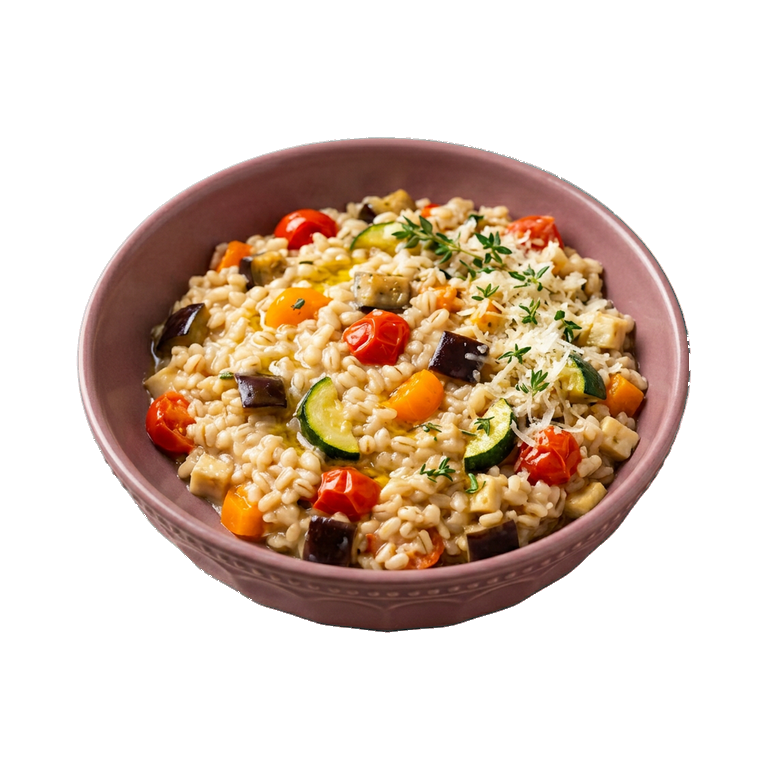
Barley Risotto with Vegetables
A hearty dish made from pearl barley with tomatoes, eggplant, zucchini, and celery root. Prepared like classic risotto — the grain gradually absorbs the broth, becoming soft and creamy. Served hot or cold.
- 10.5g
- Protein
- 12.6g
- Fat
- 54.8g
- Carbs
369 kcal / for 1 serving (564.1 g)
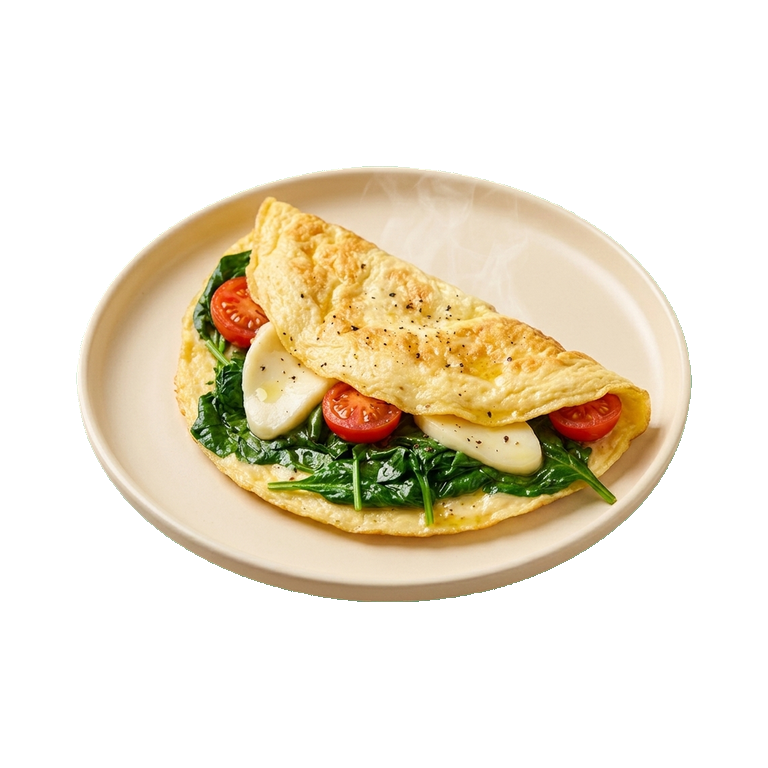
Omelette with Suluguni Cheese and Spinach
Quick omelet with tender spinach, melted cheese, and fresh tomatoes. The dish is prepared in a pan in just a few minutes and is perfect for breakfast or a light lunch.
- 29g
- Protein
- 20.5g
- Fat
- 9.4g
- Carbs
328 kcal / for 1 serving (370 g)
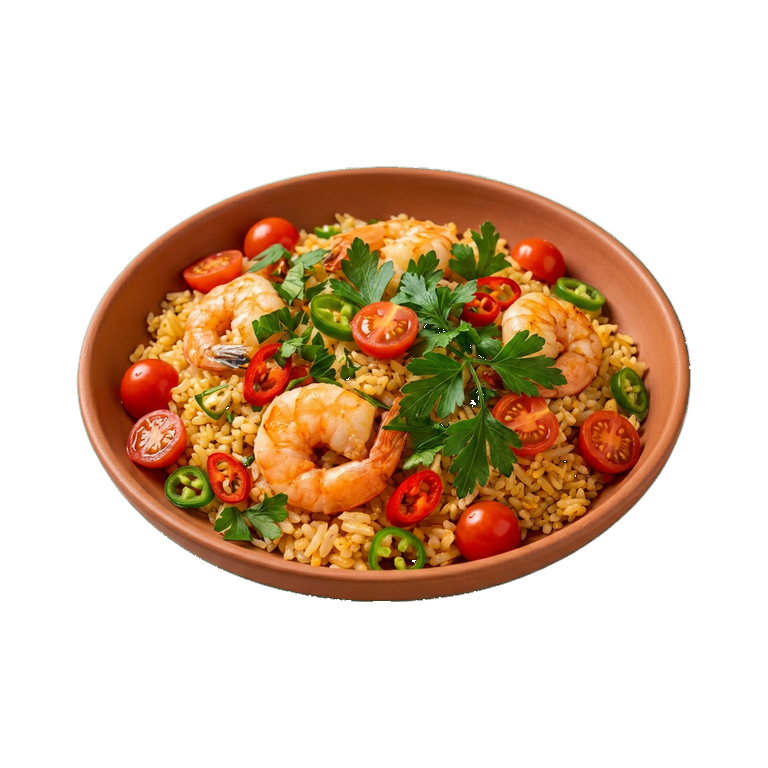
Rice with Shrimp, Tomatoes and Parsley
A quick dish with crispy rice, tender shrimp, and fresh herbs. The rice is fried until golden brown with hot pepper, then garnished with cherry tomatoes and parsley. Perfect for a light dinner or lunch.
- 24.3g
- Protein
- 0.9g
- Fat
- 32.5g
- Carbs
251 kcal / for 1 serving (290 g)
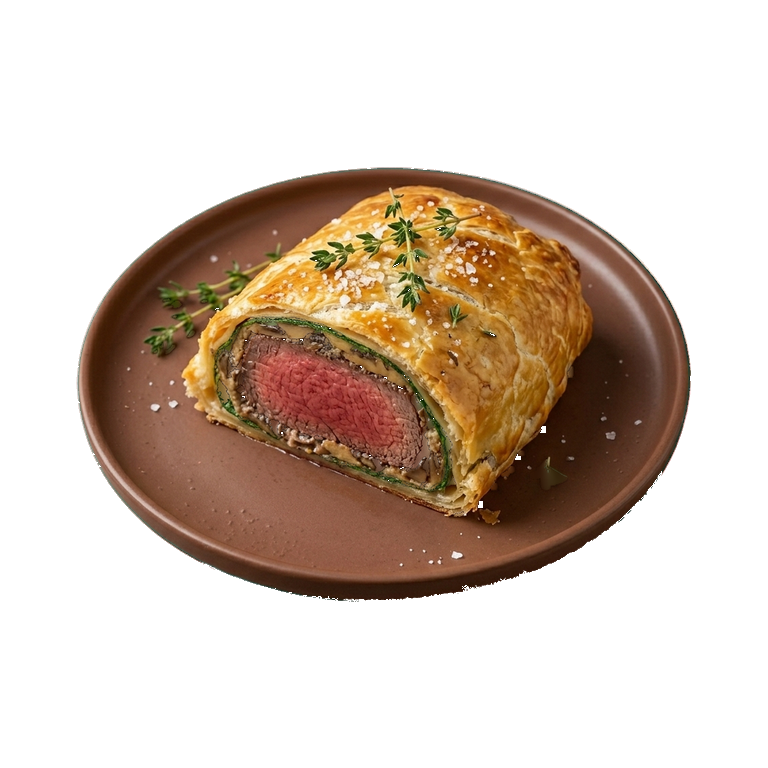
Beef Wellington with Liver Pâté
Festive meat dish in puff pastry with liver pâté, foie gras, and spinach. Tender beef tenderloin wrapped in a crispy crust, perfect for a formal table.
- 44.4g
- Protein
- 35.3g
- Fat
- 34.4g
- Carbs
644 kcal / for 1 serving (370.4 g)
Croutons with Cheese and Fresh Dill
Crispy croutons with a tender center, sprinkled with grated cheese and garnished with fresh dill. A simple and hearty dish that takes just a few minutes to prepare.
- 39.1g
- Protein
- 33.8g
- Fat
- 53.2g
- Carbs
678 kcal / for 1 serving (443 g)
Tartlets with cod liver and egg
Appetizer with canned cod liver, egg and herbs in crispy tartlets. A simple recipe for a festive table or everyday treat.
- 11.2g
- Protein
- 51.9g
- Fat
- 15.4g
- Carbs
579 kcal / for 1 serving (182 g)
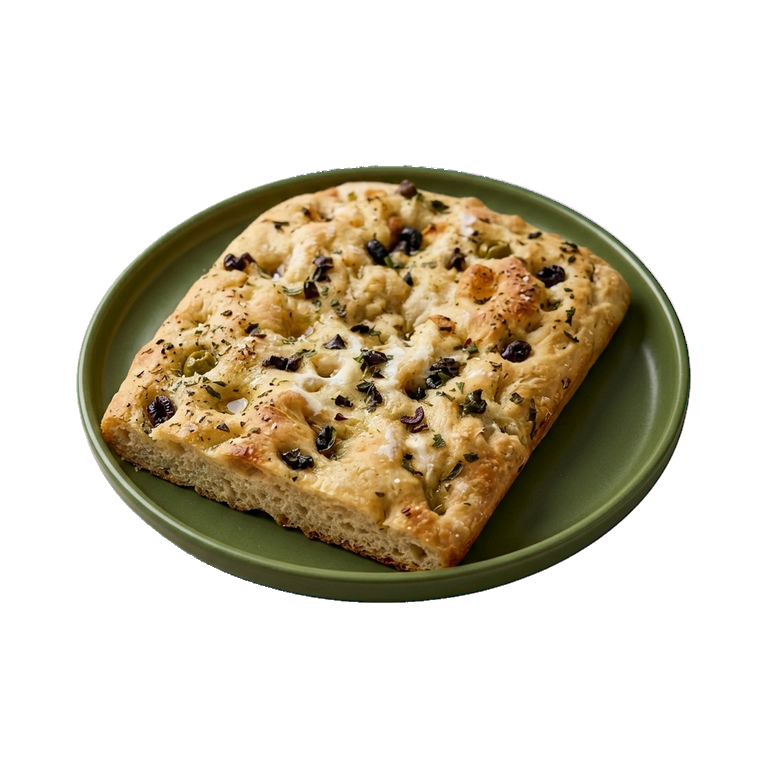
Italian Focaccia with Olives
Fragrant flatbread with a crispy crust, generously brushed with olive oil and decorated with olives, sea salt, and Italian herbs. A simple recipe for home cooking.
- 8.1g
- Protein
- 16g
- Fat
- 51.1g
- Carbs
397 kcal / for 1 serving (109.2 g)
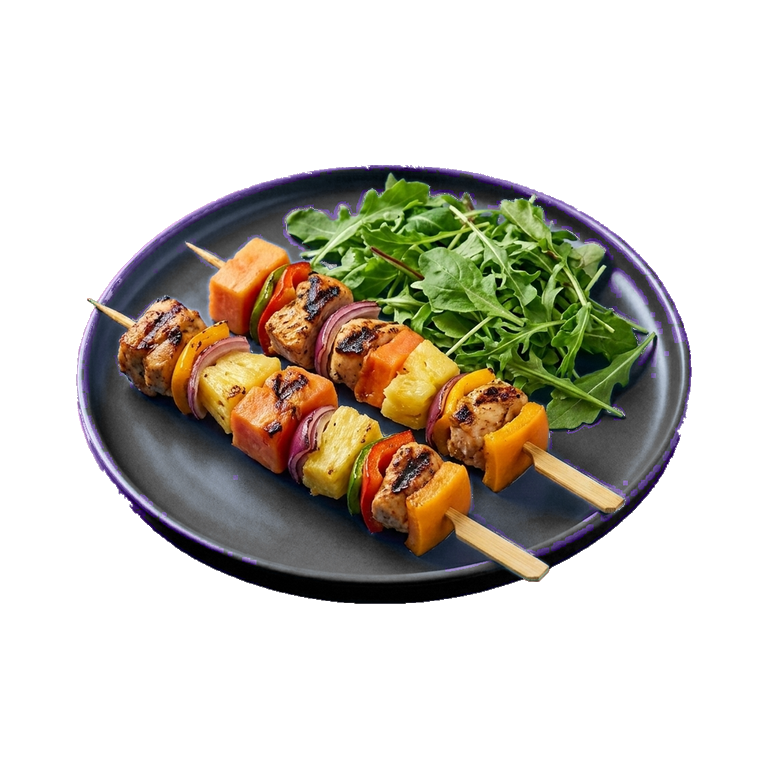
Chicken Skewers with Tropical Fruits
Juicy chicken skewers with papaya, pineapple and grilled vegetables. Chicken is marinated in lemon juice with honey, then threaded onto skewers together with onion, pepper and fruit. Grilled until golden brown.
- 94.1g
- Protein
- 12.5g
- Fat
- 17.8g
- Carbs
578 kcal / for 1 serving (472.9 g)
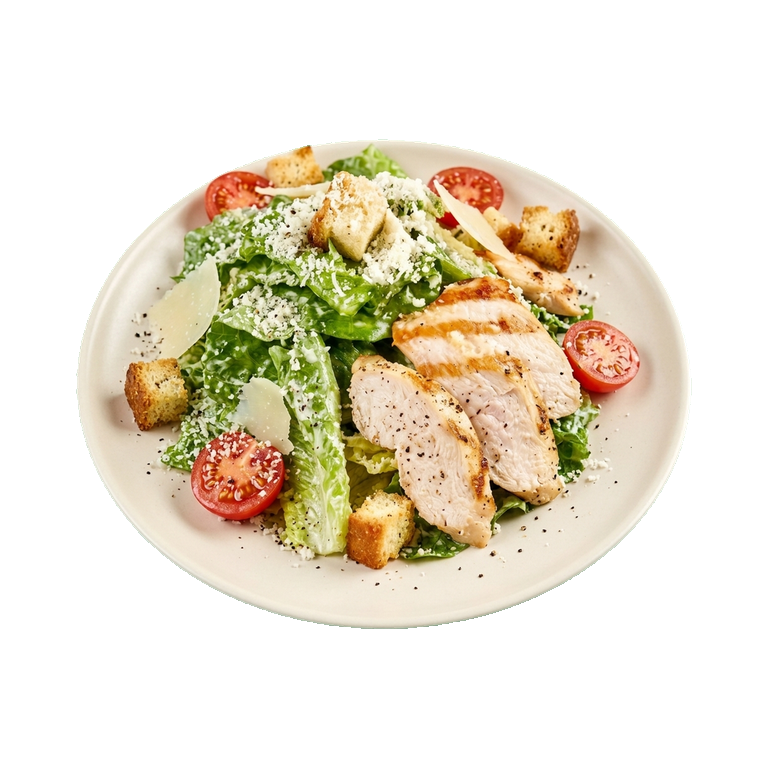
Caesar Salad with Chicken and Parmesan
Classic salad with crispy iceberg lettuce, tender grilled chicken, crunchy croutons, and thin slices of parmesan. Dressed with a piquant Caesar sauce with garlic.
- 71.3g
- Protein
- 34.7g
- Fat
- 29.5g
- Carbs
737 kcal / for 1 serving (381.6 g)
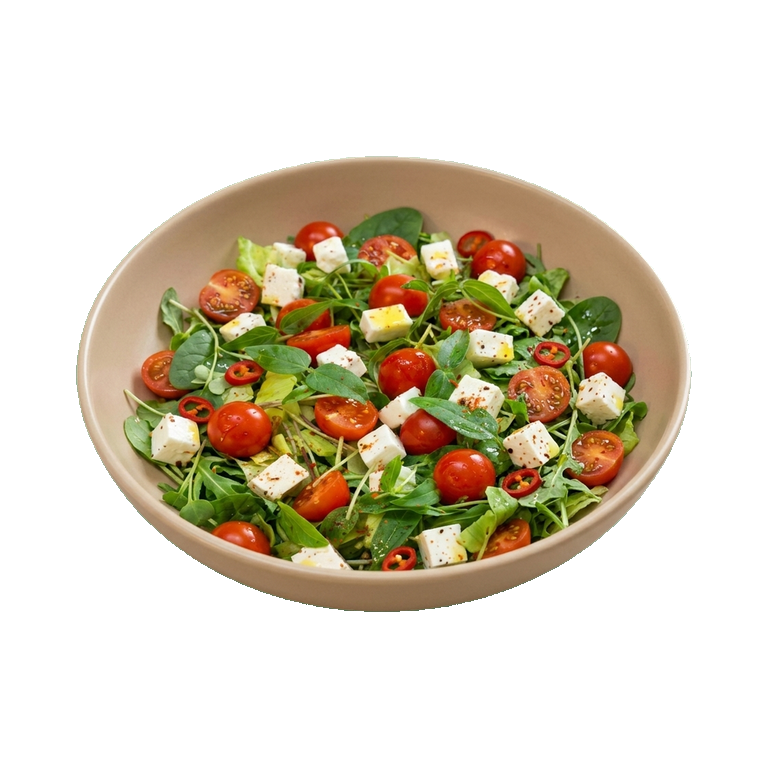
Light Salad with Goat Cheese and Tomatoes
A fresh salad made with tender greens, sweet cherry tomatoes, and creamy goat cheese. A simple dish with bright flavors, dressed with olive oil and seasoned with spicy chili pepper.
- 8.9g
- Protein
- 12.4g
- Fat
- 3.1g
- Carbs
164 kcal / for 1 serving (108 g)
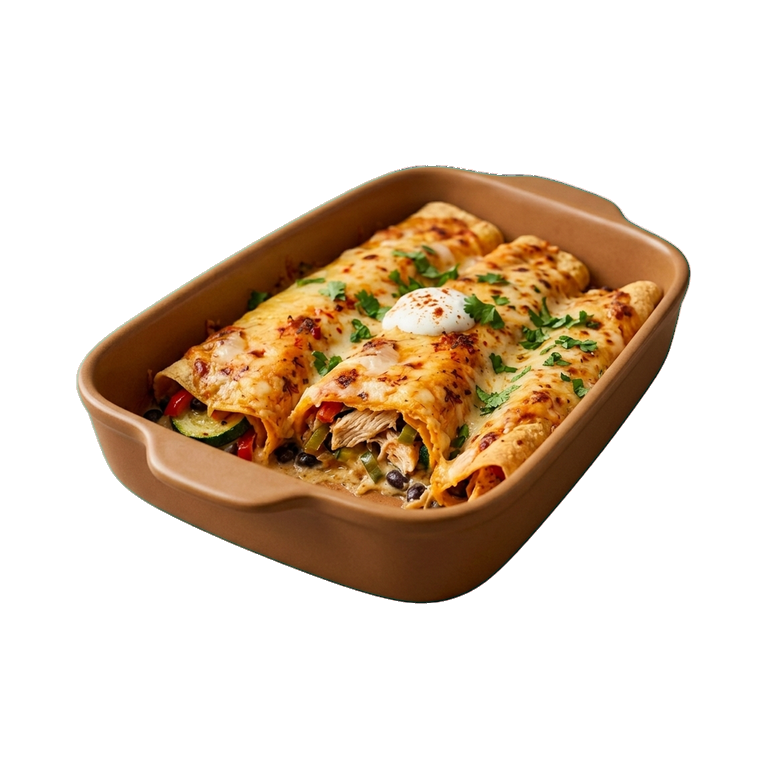
Chicken and Vegetable Enchiladas with Cheese
A Mexican dish made with tortillas and chicken, baked with grilled vegetables, tomato sauce, and cream cheese. You can use any ready-made chicken — grilled, boiled, or smoked.
- 40.5g
- Protein
- 48.4g
- Fat
- 64.7g
- Carbs
849 kcal / for 1 serving (651.1 g)
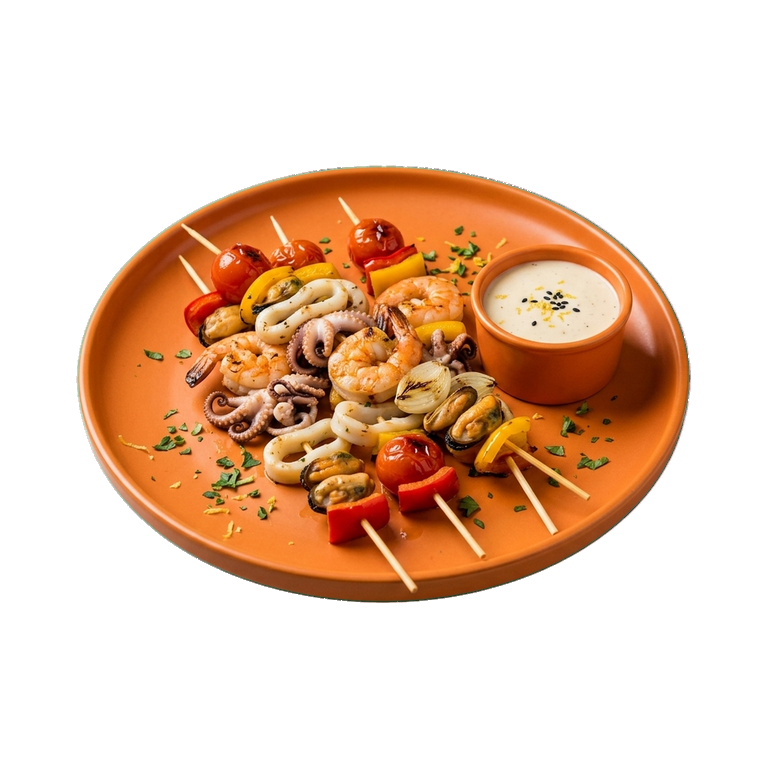
Seafood Skewers
Skewers of squid, shrimp, octopus and mussels with Asian sauce. Seafood is marinated in soy sauce, threaded onto skewers and seared in butter. Served with a sauce made from mayonnaise, soy sauce and lemon.
- 297.2g
- Protein
- 17.2g
- Fat
- 1g
- Carbs
1,544 kcal / for 1 serving (1,646.6 g)


Read more
Pescatarian Diet: Fundamentals and Principles
Pescatarianism is a dietary lifestyle in which meat and poultry are excluded, but fish and seafood are retained. Fish should be present in the menu at least twice a week. This approach combines the principles of vegetarianism with the benefits of marine products rich in omega-3 fatty acids and protein. The basis of the diet consists of vegetables, fruits, grains, legumes, and dairy products.
What you can and cannot eat
On a pescatarian diet, fish and seafood are encouraged: salmon, mackerel, herring, cod, tuna, trout, shrimp, squid, and mussels. Dairy products, eggs, vegetables, fruits, grains, legumes, nuts, and seeds are also allowed. Beef, pork, lamb, poultry, and their derivatives are completely excluded. Limit sweets, baked goods, canned products high in salt, and sugary drinks.
Benefits of Pescatarianism
Fish contains omega-3 fatty acids, which are beneficial for the heart and blood vessels. Seafood is rich in iodine, selenium, and other microelements. Pescatarianism puts less strain on the digestive system compared to full meat consumption. This approach allows you to get a complete spectrum of proteins from different sources and is a more accessible option than strict vegetarianism.
Weekly Menu Planning
Plan two fish days per week, for example on Monday and Thursday. On the remaining days, focus on vegetables, fruits, grains, legumes, and dairy products. Alternate different types of fish: fatty fish for omega-3 and white fish for variety. Ensure a balance of proteins, fats, and carbohydrates. Proteins should account for 15-25 percent of energy, fats — 25-35 percent, carbohydrates — 45-55 percent.
Selection of fish and seafood
Choose fresh fish or high-quality frozen fish, and avoid processed fish products with high salt content. Canned fish is an acceptable option, but prefer products without added oil or with minimal amounts. Pay attention to the source of the fish and its quality. Fresh or frozen fish is preferable from a nutritional value standpoint.
Questions
Short answers to the most common questions about this diet.
