Usuba
Usuba
Beans
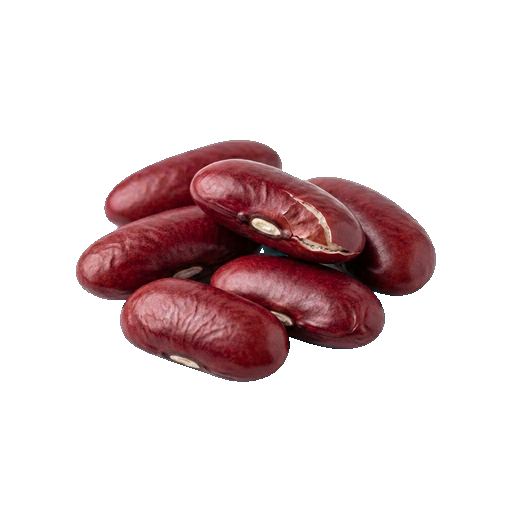
Beans are a legume vegetable rich in plant protein and fiber, with a soft texture and neutral flavor that readily absorbs the aromas of other ingredients. They are used in soups, stews, salads, and side dishes, as well as prepared as a standalone dish. When selecting fresh beans, the pods should be firm and brightly colored. Dried beans should be soaked in cold water for several hours or overnight before cooking to reduce cooking time and improve digestibility.
About
Beans are one of the most reliable ingredients in the kitchen. They are filling, versatile, and work well in both everyday dishes and festive recipes. Their main advantage is that beans are easy to cook, store well, and are inexpensive, while their nutritional value rivals that of meat.
Taste and Texture
Beans have a neutral and mild flavor — they absorb the aromas of spices, vegetables, and sauces in which they are cooked. White beans are more delicate, almost slightly sweet, while red beans are denser and earthier. Black beans have a slight bitterness and rich taste. When cooked properly, the texture is creamy inside and whole on the outside, making them suitable for use in salads, soups, and purees.
Role in Dishes
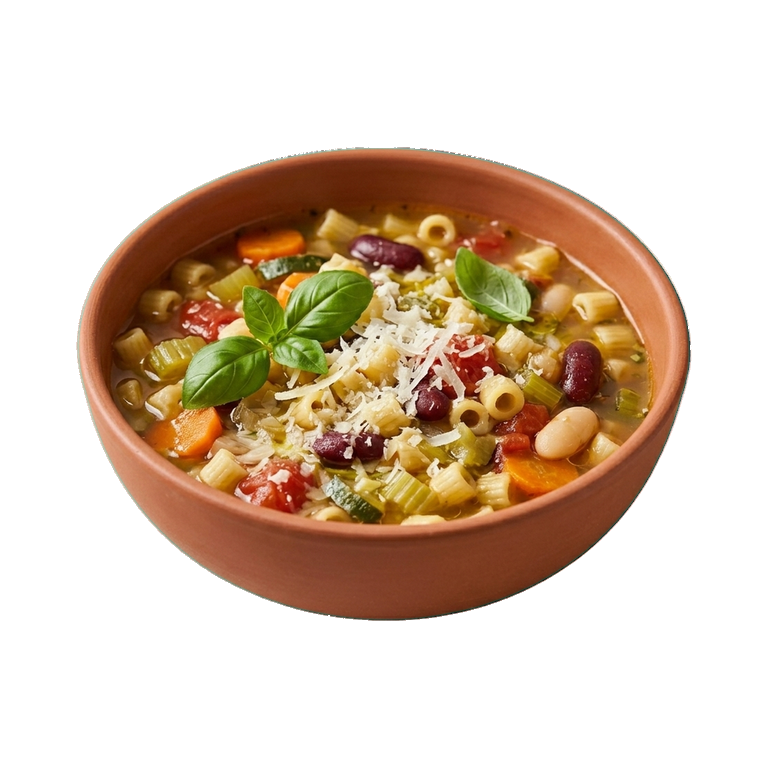
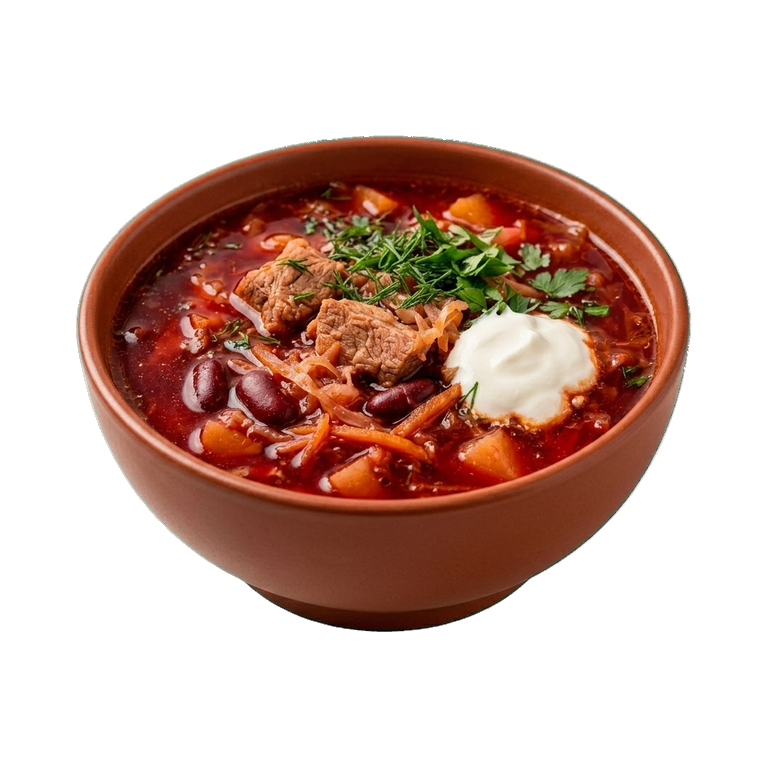
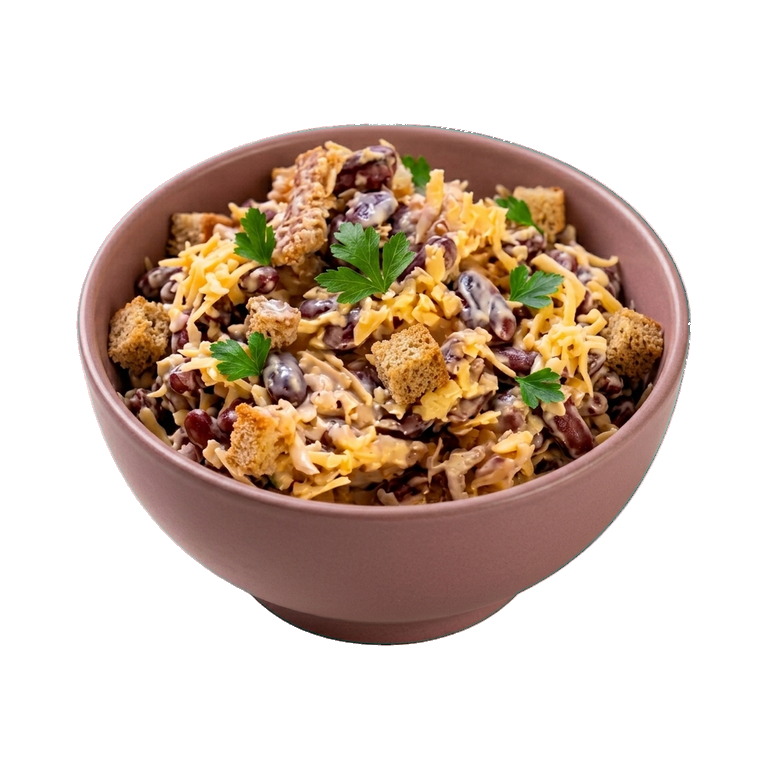
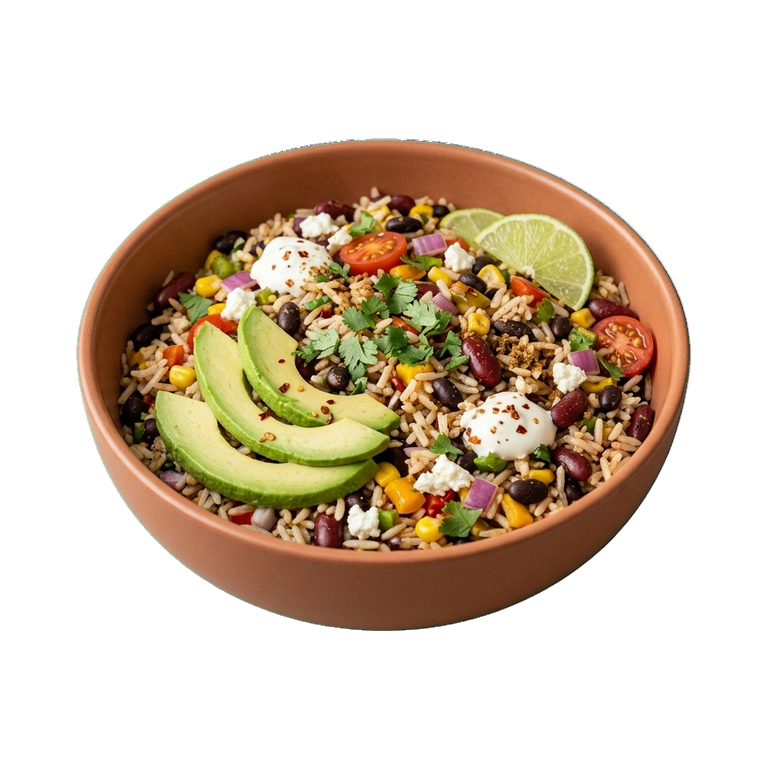
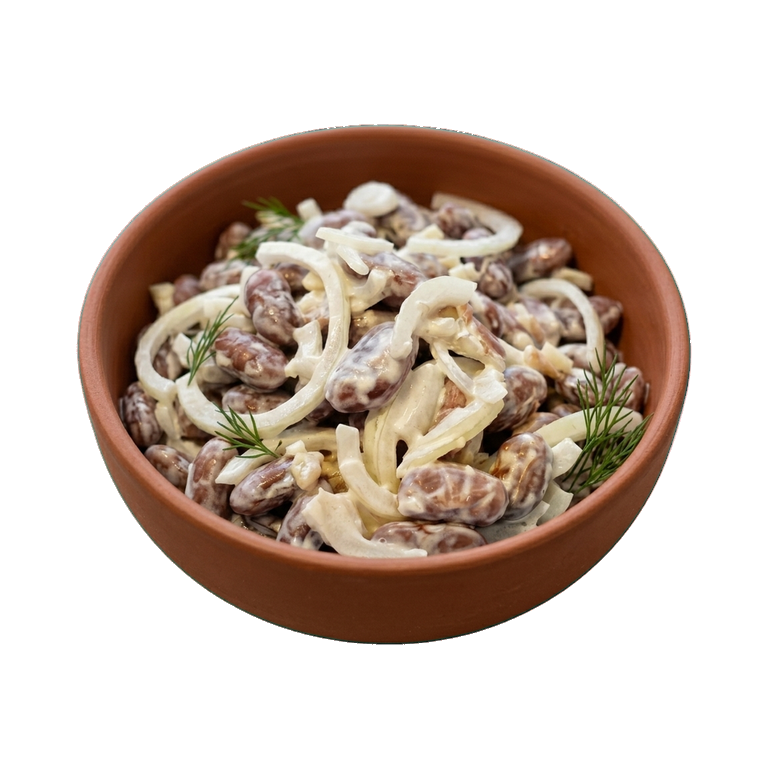
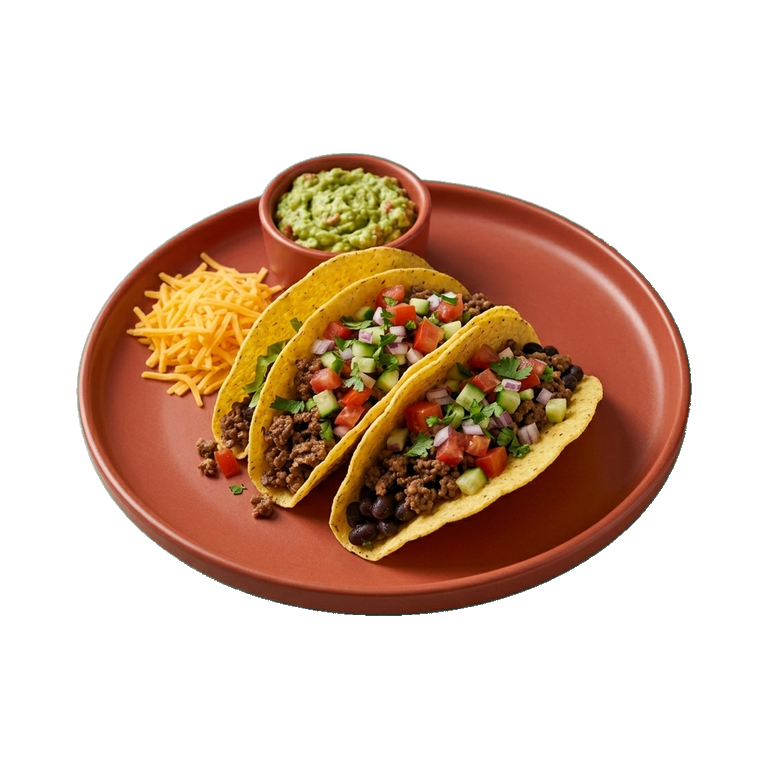
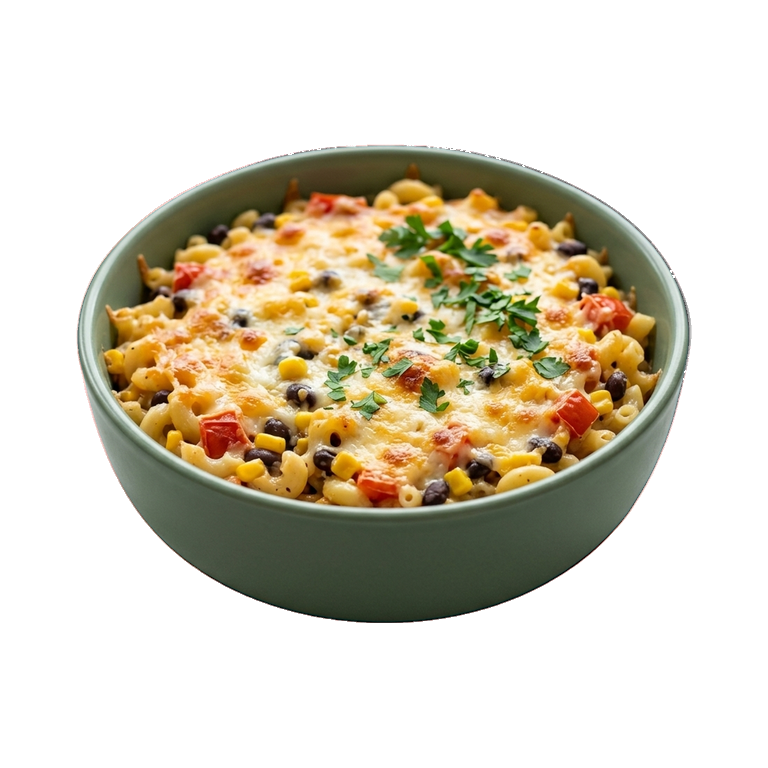
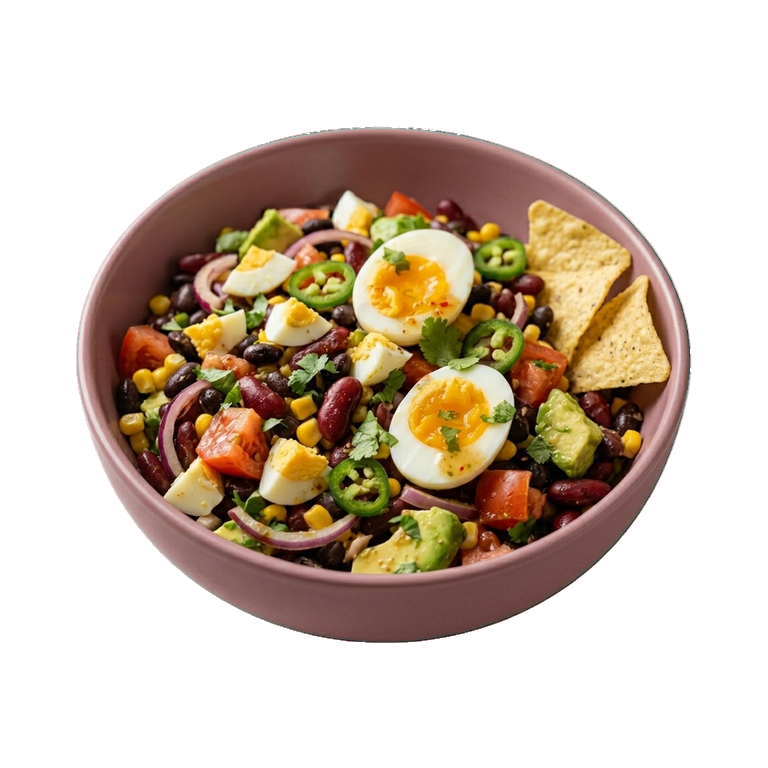
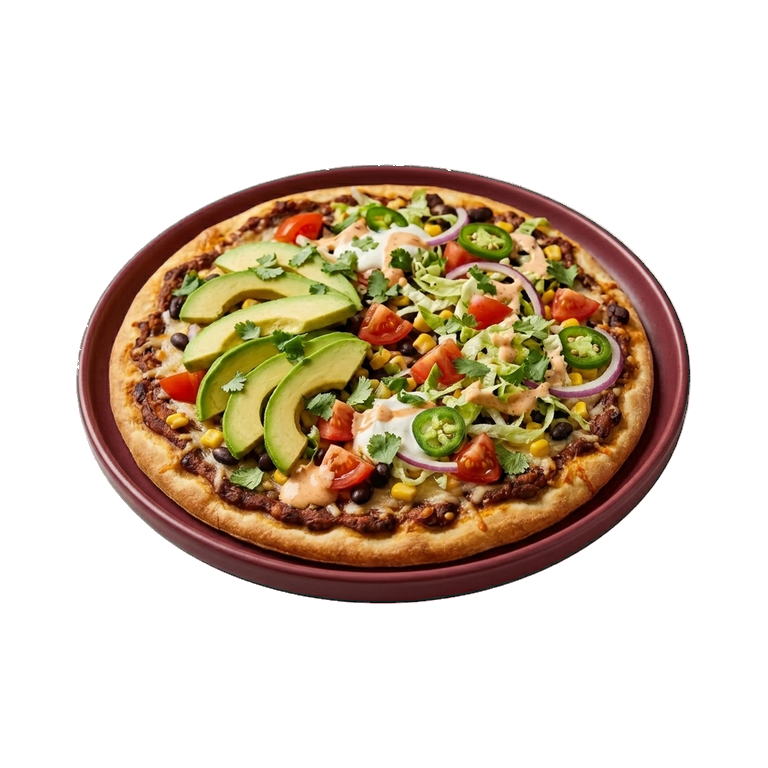
Beans are the foundation of soups and stews, where they become the main source of protein and texture. In salads, they add heartiness and hold their shape. Bean puree works as a side dish or base for sauces. They work well in chili, pâtés, and even in baking, where they provide moisture and nutrition.
Successful Pairings
- With tomatoes and garlic — a classic duo for soups and stews
- With cumin, paprika and hot pepper — Latin American base
- With olive oil and lemon — for light salads
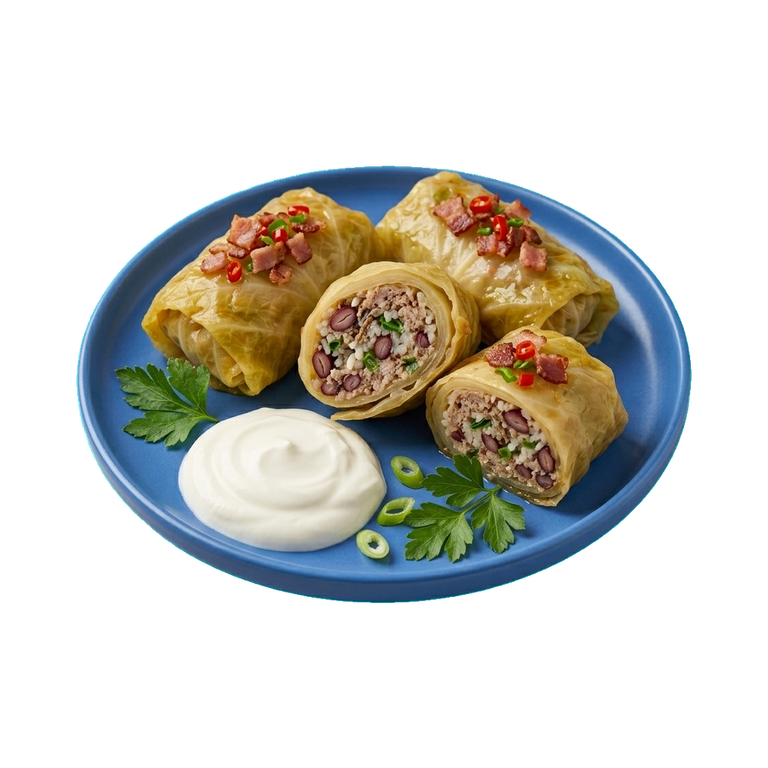
- With bacon or smoked meat — for depth of flavor
- With vegetables (carrots, celery, onion) — universal base
Selection and storage
Choose dry beans without cracks and spots, all of the same size — this way they will cook evenly. Canned beans are more convenient: simply open the can, rinse and use. Dry beans are stored in an airtight container in a cool place for years. After opening the can, transfer the remainder to a container and use within a few days.
Preparation
- Sort through the dry beans, removing debris and damaged grains
- Rinse under cold water
- Soak for 8–12 hours (or use the quick method: boil for 2 minutes, let stand for an hour)
- Drain the water, add fresh water and cook for 1–2 hours depending on the variety, until the beans become soft
Do not salt the beans at the beginning of cooking — add salt at the end, otherwise the grains will remain tough. If you're in a hurry, canned beans will give you the same result with minimal time investment.
Nutrition
per 100 g
- Calories
- 333 kcal
- Protein
- 21 g
- Fat
- 1.5 g
- Carbs
- 47 g
Measures and weight
- 1 tbsp
- 12 g
- 1 tsp
- 4 g
- 1 cup
- 200 g
- 1 can
- 400 g
Measure calculator
- Weight
- 100 g
- Calories
- 333 kcal