Usuba
Usuba
Borodinsky bread
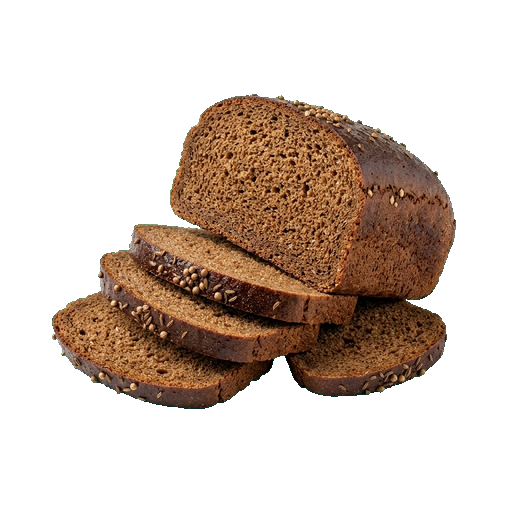
Dark rye bread with a characteristic slightly sweet flavor and aroma, made from rye flour with the addition of molasses, coriander, and sometimes caraway seeds. The dense crumb with small pores absorbs moisture well, so the bread stays fresh and soft for a long time, making it ideal for sandwiches with butter, cheese, or sausage. When selecting, pay attention to the dark brown color of the crust and the elasticity of the crumb — quality bread should not crumble and should not have an unpleasant odor.
About
Borodinsky bread is a dark, dense bread with a characteristic slightly sweet flavor and rich rye taste. It is recognized by the black color of its crumb and crispy crust. It is not just bread on the table — it is an ingredient that changes the taste of a dish and adds depth even to simple appetizers.
Taste and Aroma
Borodinsky bread smells of malt, caraway, and rye flour — a thick and enveloping aroma. The taste reveals the sweetness of molasses or honey, which are traditionally added to the dough, but this is not sweet bread. The sweetness is balanced by the bitterness of rye and the spicy note of caraway. The texture is dense, almost sticky, the crumb holds its shape and doesn't crumble — ideal for slicing.
Where to use it
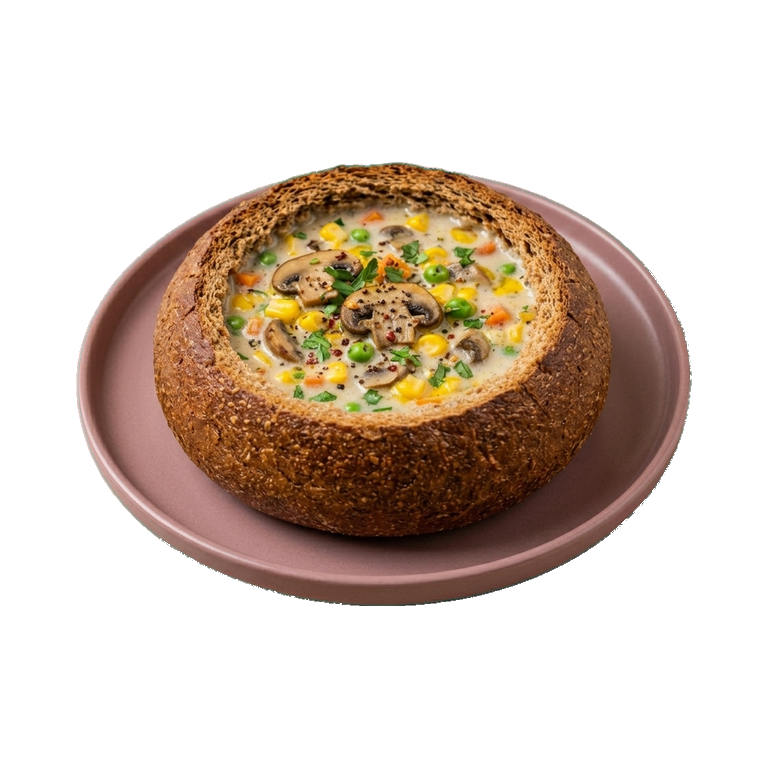
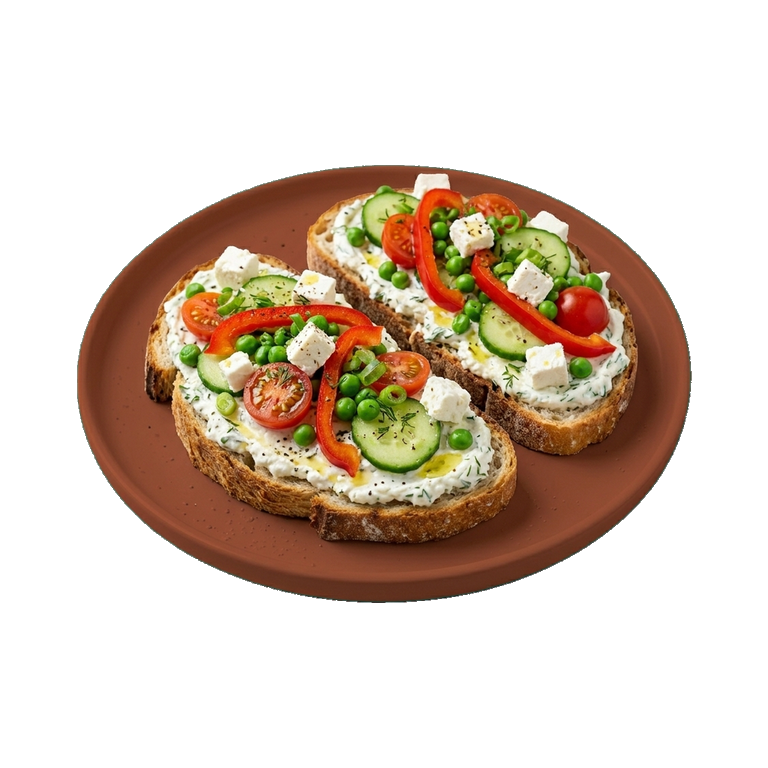
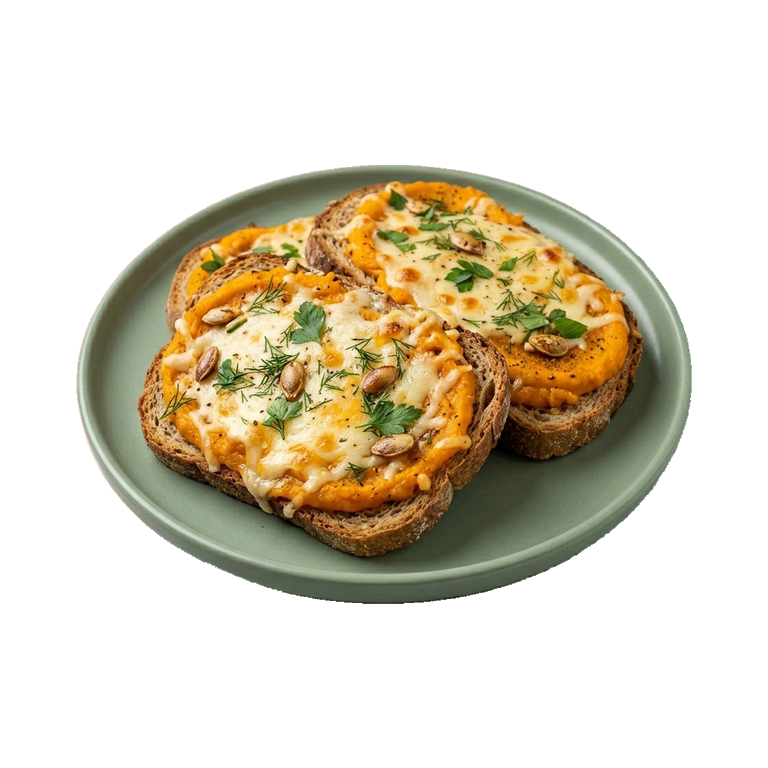
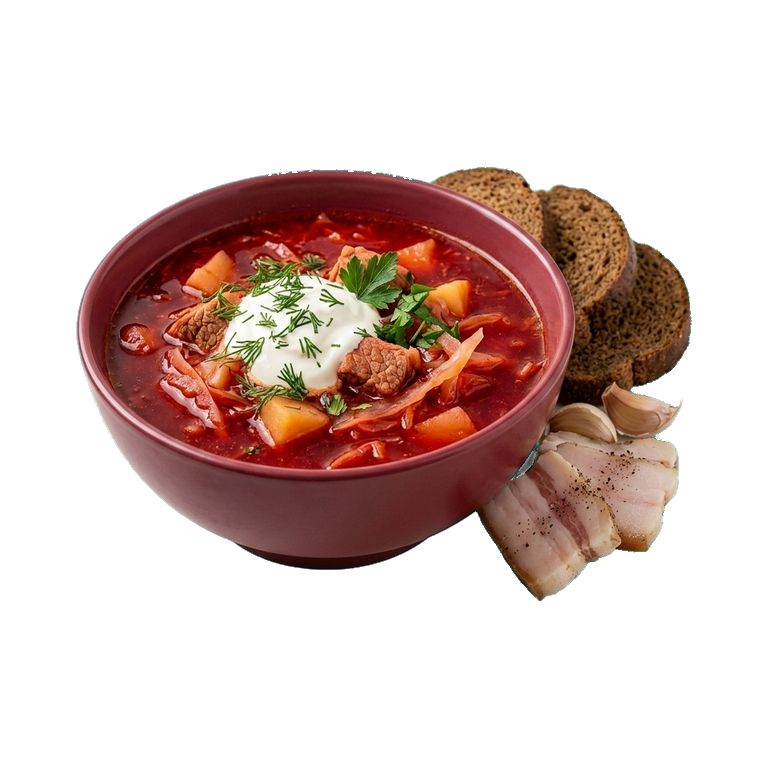
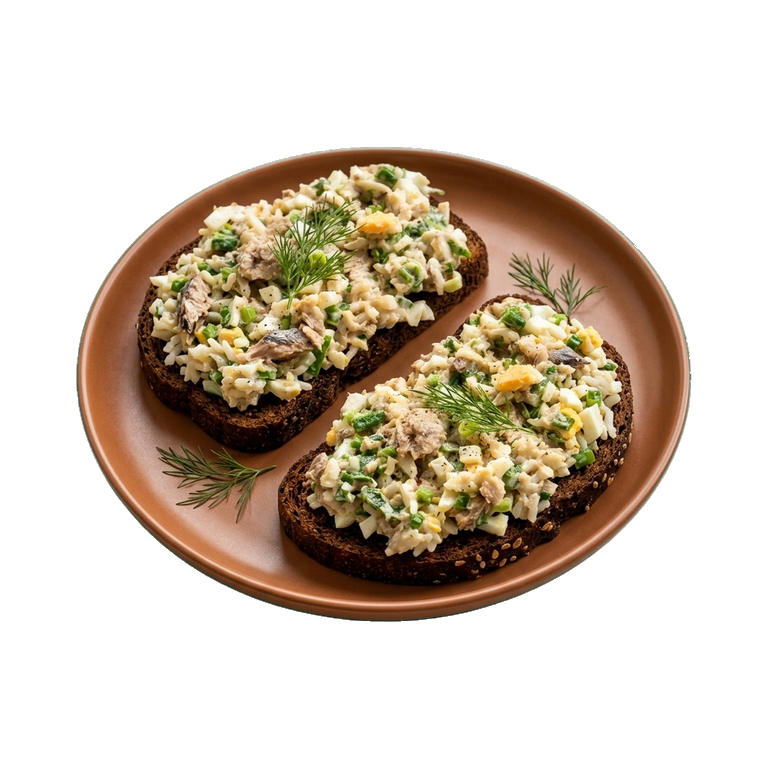
Borodinsky bread works everywhere a strong foundation and bold flavor are needed. It's the bread for sandwiches with herring, butter, and onion — a classic combination where each component shines distinctly. It's served with soups, especially borscht and cabbage soup, where it absorbs the broth and becomes softer. Thin slices pair well with sausage, cheese, and vegetables.
- Base for open sandwiches with fish and seafood
- Side dish for meat dishes and stews
- Bread for hot soups and borscht
- Slices for cold appetizers with sausage and cheese
- Base for croutons for salads (cut into cubes and dry)
Pairings and Recommendations
Borodinsky bread is not afraid of strong flavors. It pairs excellently with smoked fish, salted herring, spicy sausages, and aged cheeses. The sweet notes of the bread balance the saltiness of the appetizers. It can be served with butter and honey if you want to emphasize the sweetness, or with mustard and horseradish if you need a sharp taste.
Selection and Storage
Choose bread with a shiny, almost black crust without cracks or dents. The crumb should be uniform, without large voids. Good borodinsky bread is slightly heavy for its size — this is a sign of a dense structure. When pressed, the bread should spring back slightly rather than leave an indentation.
Borodinsky bread keeps longer than wheat bread due to its density. Store it in a bread box or paper bag at room temperature — in plastic it molds faster. Sliced bread is better wrapped in parchment. If the bread has dried out, don't rush to throw it away: cut it into cubes, dry it in the oven, and use it for croutons or breading.
Borodinsky bread is not just a side dish. It is an ingredient that sets the tone for the entire dish. Its dense structure and deep flavor make it indispensable on the table when you need food that satisfies and delights.
Nutrition
per 100 g
- Calories
- 202 kcal
- Protein
- 7.1 g
- Fat
- 3.3 g
- Carbs
- 40.5 g
Measures and weight
- 1 pcs
- 400 g
- 1 slice
- 35 g
Measure calculator
- Weight
- 100 g
- Calories
- 202 kcal