Usuba
Usuba
Broth
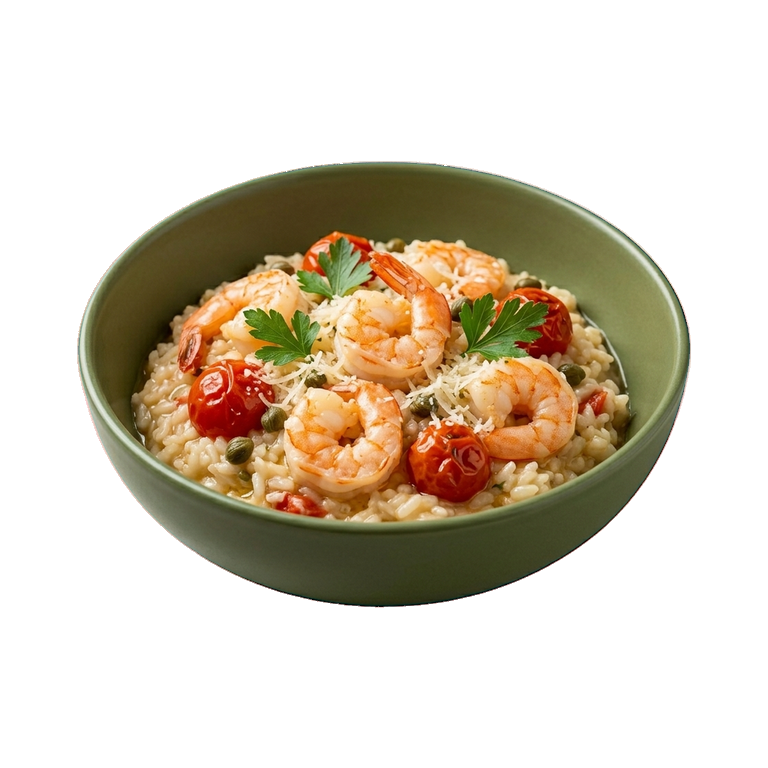
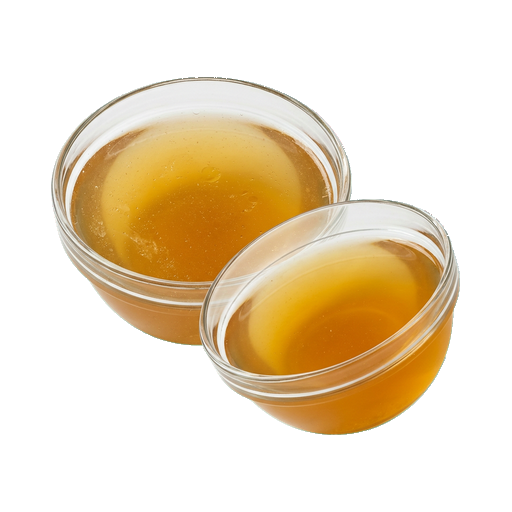
Broth is a liquid base obtained by prolonged boiling of bones, meat, or vegetables in water. It serves as the foundation for soups, sauces, and risotto, giving dishes depth of flavor and richness. When choosing ready-made broth, pay attention to the composition — a quality product contains minimal additives and salt, and homemade broth always surpasses store-bought options in taste properties and allows you to control the amount of sodium in the finished dish.
About
What is broth and why do you need it
Broth is a liquid base that is obtained by long cooking of bones, meat, or vegetables in water. It is not just water with leftover products: with proper cooking, gelatin is released from bones and connective tissue, which gives the broth a rich flavor, thickness, and nutritional value. Homemade broth is the foundation of serious cooking: soups are made with it, sauces are prepared, and meat and vegetables are stewed.
Main Types of Broths
- Meat (beef, pork, chicken) — the most versatile, suitable for soups and sauces
- Fish — delicate, requires short cooking time, ideal for risotto and fish soups
- Vegetable — light and quick to prepare, suitable for vegetarian dishes
- Bone (from beef or chicken bones) — the richest in gelatin, simmers for 12–24 hours
How to Cook Broth Correctly
The secret to good broth lies in temperature and time. Add ingredients to cold water and bring to a boil slowly — this way, maximum flavor and nutrients will be extracted from the bones. Skim off the foam in the first 20–30 minutes of cooking. Meat broth simmers for 2–3 hours on low heat, fish broth for 30–40 minutes, vegetable broth for 45 minutes. The longer bone broth cooks, the thicker and more nutritious it becomes.
Where to use broth
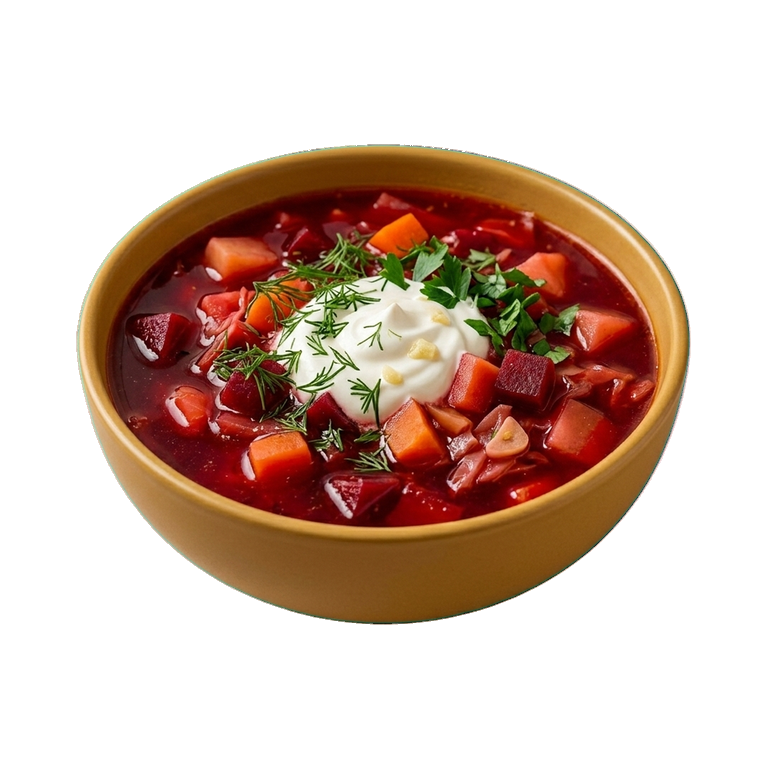
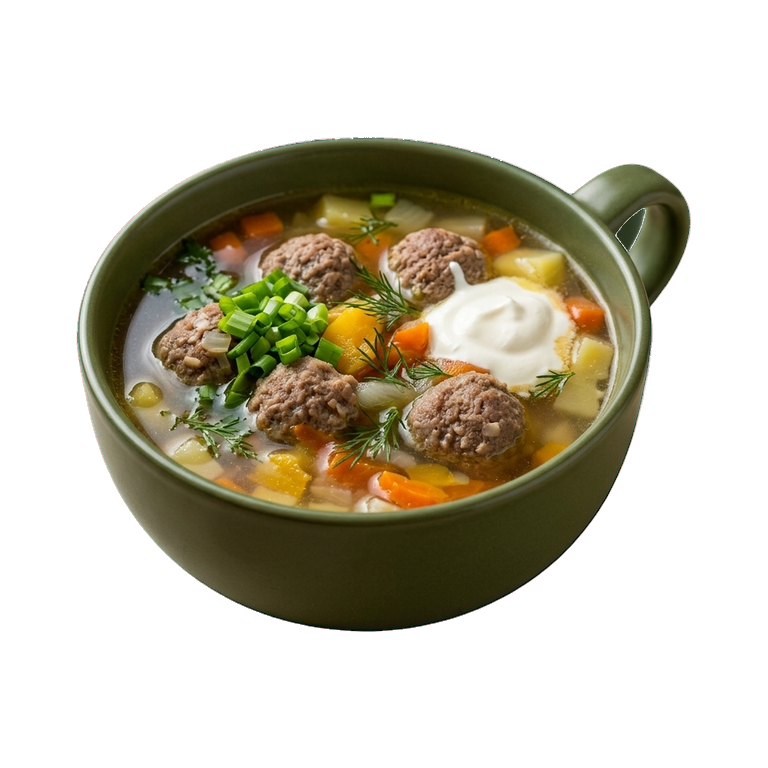
- Soups — borscht, cabbage soup, solyanka, minestrone
- Cereals and side dishes — rice, buckwheat, polenta cook better in broth
- Sauces — broth is the base for gravies and meat sauces
- Stewing — meat and vegetables are stewed in broth instead of water
- Aspic and jellied meat — bone broth solidifies due to gelatin
Selection and Storage
Homemade broth keeps in the refrigerator for 3–4 days, in the freezer for up to 3 months. Freeze it in ice cube trays or small containers for convenience. Finished broth should be clear or slightly cloudy (depending on the type), with no unpleasant odor. If you cook often, it makes sense to make broth in large batches and freeze it — this will save time in the kitchen and guarantee the quality of your dishes.
Chilled bone broth should gel slightly — this is a sign that you have cooked it correctly and extracted the maximum amount of beneficial nutrients.
Nutrition
per 100 ml
- Calories
- 5 kcal
- Protein
- 0.5 g
- Fat
- 0.1 g
- Carbs
- 0.3 g
Measures and weight
- 1 tbsp
- 15 g
- 1 tsp
- 5 g
- 1 cup
- 250 g
Measure calculator
- Weight
- 100 g
- Calories
- 5 kcal