Usuba
Usuba

Canola oil
Canola oil is a refined vegetable oil with a neutral flavor and a high smoke point of around 200°C, making it versatile for frying, baking, and dressings. It contains a low amount of saturated fats and is rich in omega-3 fatty acids, which is why it is often used in healthy eating. When choosing a substitute, sunflower or peanut oil with similar properties will work, but keep in mind that some oils have a more pronounced flavor that may affect the final result of the dish.
Micronutrients
per 100 ml
Vitamins
About
Canola oil is one of the most versatile helpers in the kitchen. It has a neutral flavor, easily tolerates high temperatures, and does not compete with other ingredients. If you are looking for an oil for everyday use that won't dominate your dish, canola often becomes the first choice of professionals and home cooks.
Character and Features
The main advantage of canola is its neutral taste and high smoke point. The oil comfortably withstands temperatures up to 200 degrees, making it ideal for frying, deep frying, and baking. At the same time, it does not leave a characteristic aftertaste, allowing the flavors of the main ingredients to shine through. The texture is light, the oil absorbs well into the dough and does not weigh down the finished dish.
Where and how to use
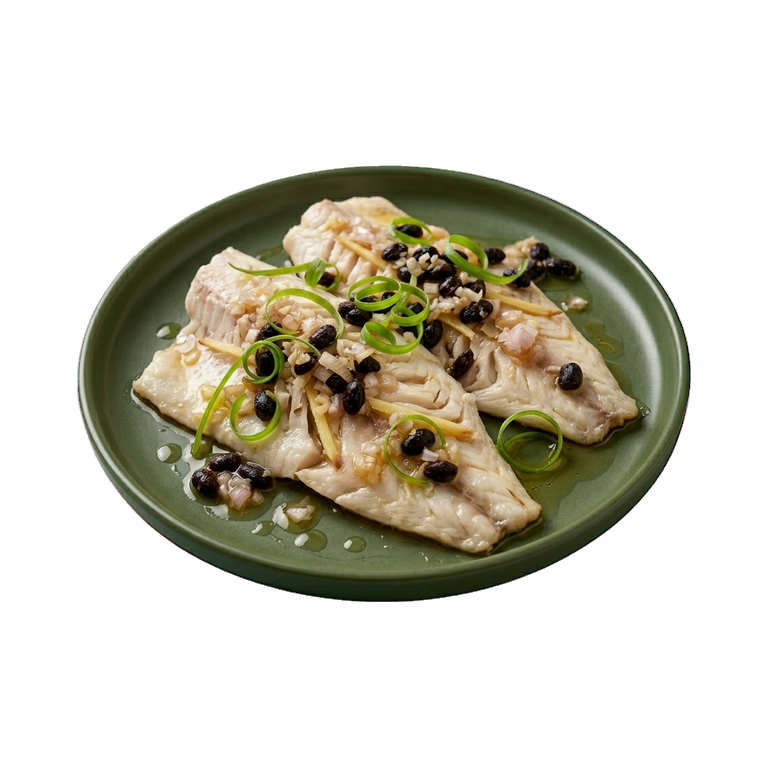
- Pan frying — vegetables, meat, fish, breaded products
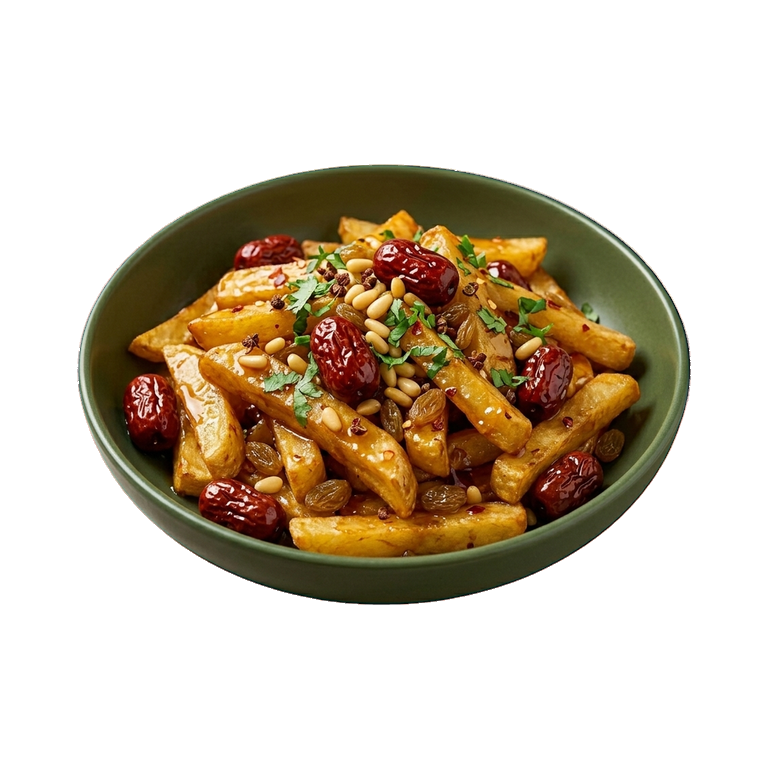
- Deep frying — for potatoes, wings, donuts thanks to stability at high temperatures
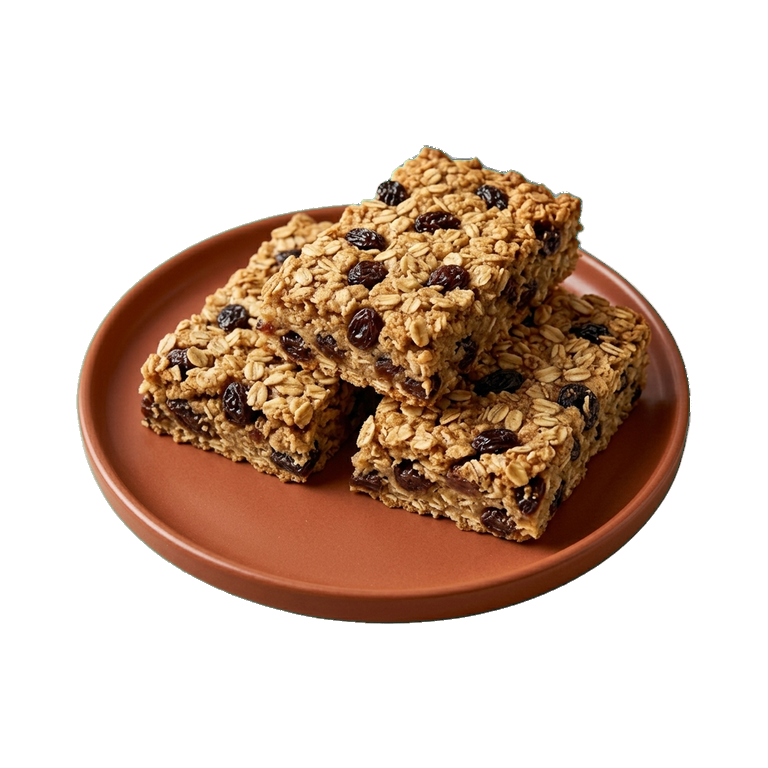
- Baking — cookies, cupcakes, cakes, where the oil should be unnoticeable
- Making sauces and mayonnaise — neutral base does not conflict with spices
- Greasing pans and baking sheets — oil does not burn and leaves no odor
- Dressing cold dishes — if you don't want a pronounced oily aroma
Selection and Storage
Canola is sold in different varieties: refined (the most neutral and stable) and unrefined (with a barely noticeable nutty hint). For most tasks, refined oil is suitable — it's cheaper and more versatile. Store it in a dark bottle at room temperature, away from direct sunlight. Sealed oil lasts up to a year, opened oil — several months. If the oil starts to become cloudy or an unpleasant smell appears, it's time to replace it.
Canola oil is not the star of the dish, but its reliable foundation. It works in the shadows, allowing other ingredients to shine. Such modesty makes it indispensable in everyday cooking, where stability and predictability are needed.
Nutrition
per 100 ml
- Calories
- 884 kcal
- Protein
- 0 g
- Fat
- 100 g
- Carbs
- 0 g
Micronutrients
per 100 ml
Macronutrients
- Saturated fat
- 6.081 g
- Monounsaturated fat
- 57.592 g
- Polyunsaturated fat
- 23.276 g
Vitamins
- Vitamin E
- 15.92 mg
Measures and weight
- 1 tbsp
- 13.8 g
- 1 tsp
- 4.6 g
- 1 cup
- 230 g
Measure calculator
- Weight
- 100 g
- Calories
- 961 kcal